What started as scrappy gatherings in basements and backyards has quietly morphed into a global movement. Independent music festivals are no longer the underdog. They’re reshaping how we experience live music, blurring the line between community and commerce in ways that even the biggest corporate promoters can’t ignore.
These aren’t your typical Coachella-sized spectacles. These festivals are different. They thrive on local talent, authentic connections, and grassroots organizing. From Denver to Delhi, from Manchester to Melbourne, independent music festivals are carving out space in an industry that once seemed unreachable to anyone without major corporate backing.
The Humble Beginnings of Independent Festivals
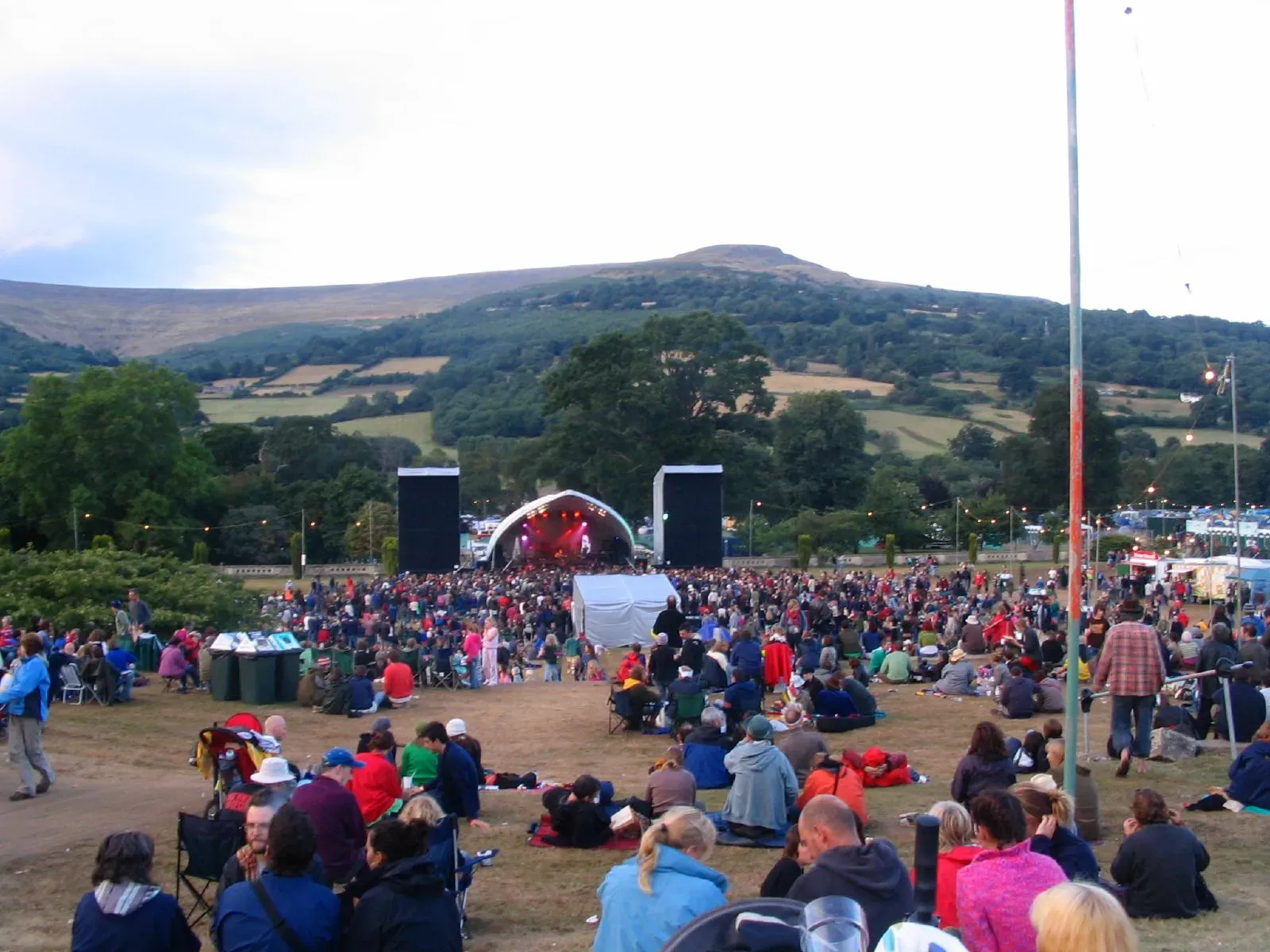
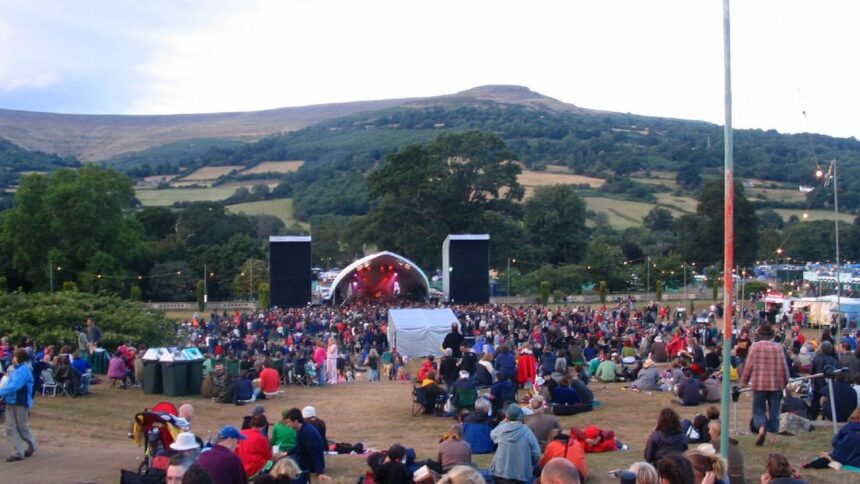
Independent music festivals often have humble beginnings, rooted deeply in the communities that birth them. Take, for example, the Green Man Festival, which started in 2003 with a modest gathering of 300 attendees. Fast forward to today, and it boasts a crowd of 25,000, showcasing how small, community-driven events can evolve into major cultural phenomena.
These festivals are often born out of a desire to celebrate local talent and culture, offering a unique platform for artists who might otherwise go unnoticed. The grassroots nature ensures that the festival maintains a sense of authenticity, connecting with audiences on a personal level. It’s that scrappy, unfiltered energy that makes people keep coming back. In 2024, Sean Perman and Marco Ramirez launched their DIY music festival, Soupstock, which has successfully hosted three iterations since its inception, noting that attendance has increased with each event.
Why Independent Music Festivals Are Exploding Right Now
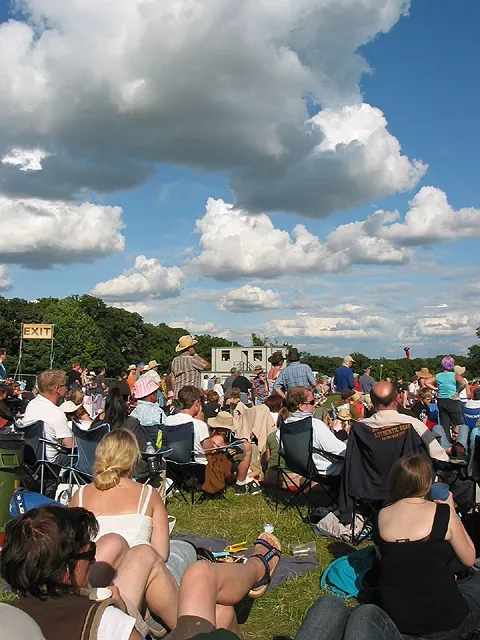
Let’s be real. The numbers don’t lie. The global music festival market has grown from $2.57 billion in 2024 to $3.02 billion in 2025 at a compound annual growth rate of 17.4%. This isn’t just a blip. It’s a full-on surge.
According to a report by The Bureau of Labor Statistics in September 2024, entertainment expenditures in the US rose by 5.1%, from $3,458 in 2022 to $3,635 in 2023. This growth highlights the increasing consumer demand for entertainment experiences, which, in turn, is propelling the music festival market. People are craving live experiences more than ever. Between a post-pandemic revival and big names in the music industry going on tour, the live music and events industry has seen huge growth, with Mintel’s data showing attendance for both concerts and festivals has been on the rise in 2024, nearly returning to pre-pandemic levels.
The DIY Spirit Meets Global Ambition
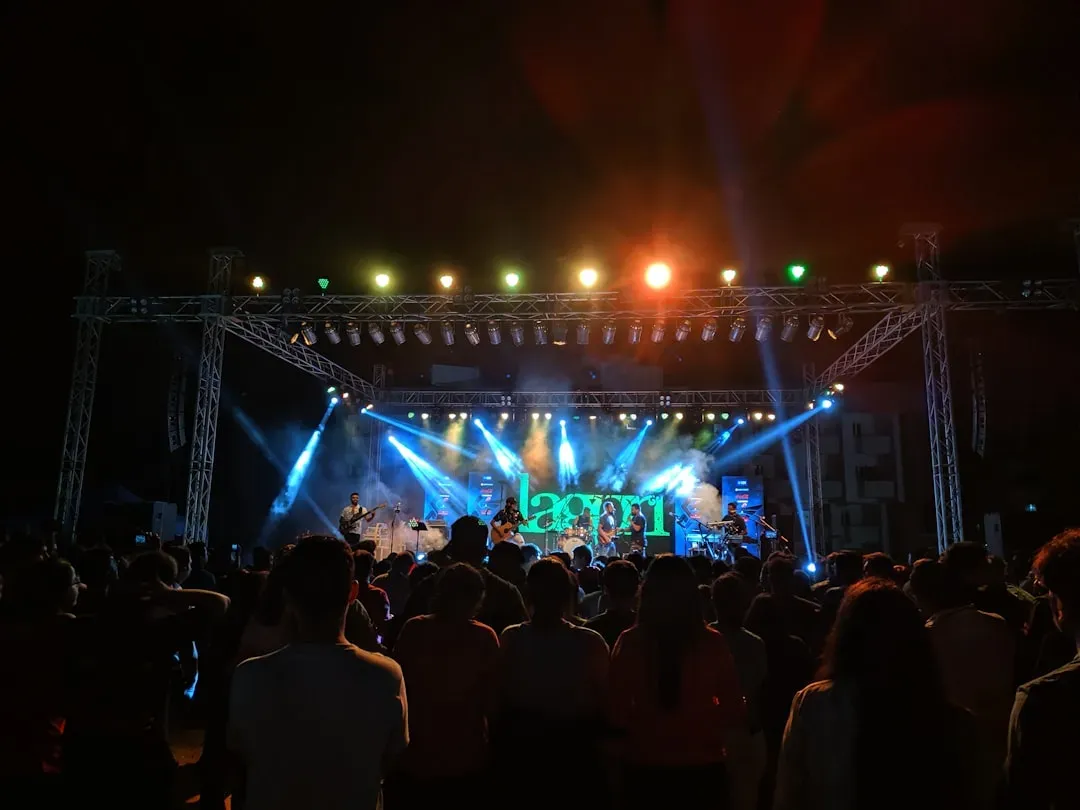
A DIY festival isn’t just about saving costs – it’s about reclaiming creative agency. In the realm of cultural events, “Do It Yourself” means events organized independently, without major sponsors, with artists, volunteers, and micro-brands collaborating horizontally.
Think about it this way. In 2025, the electronic music landscape has changed as more artists move away from traditional promoter driven festivals and begin creating their own independent events. These artist led festivals place creative control directly in the hands of artists, allowing them to shape lineups, visuals, and environments that reflect their identities rather than corporate branding. As fans search for more meaningful and authentic experiences, these festivals are becoming a defining trend in the industry.
Honestly, it’s refreshing. The corporatization of music has left many of us feeling disconnected. When the music industry is often dominated by large corporations such as AEG and Live Nation, DIY events serve as a rallying cry for artists, organizers and fans to support local initiatives that celebrate creativity and authenticity. By investing in DIY events, individuals contribute to a more vibrant and sustainable music ecosystem that values artistic expression and community connection over commercial interests.
Community Engagement and Economic Impact
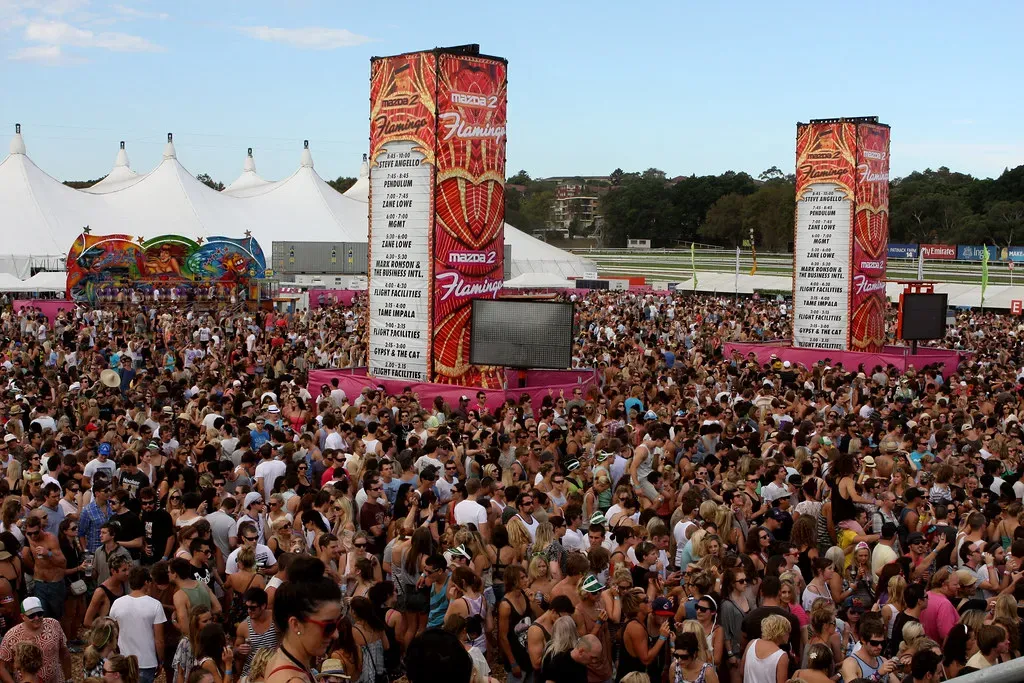
Community engagement is at the heart of independent music festivals. These events thrive on the participation and enthusiasm of local communities, involving them in every aspect of the festival. Local vendors, artists, and volunteers play a crucial role in creating an inclusive and welcoming atmosphere.
The economic ripple effect can be staggering. For instance, the Green Man Festival in 2018 contributed a whopping £10.4 million to the Welsh economy. It’s not just about ticket sales, either. These events attract visitors from far and wide, filling hotels, restaurants, and shops, and boosting tourism. The influx of attendees creates a ripple effect, benefiting various sectors, from hospitality to transportation.
The Two-Tier Festival Landscape
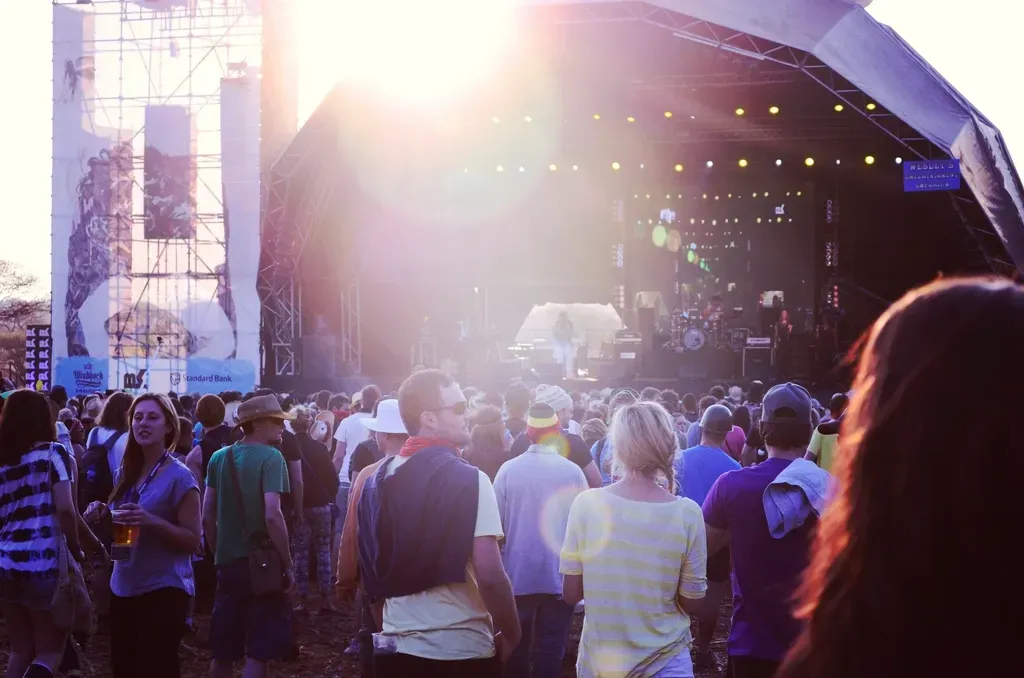
Here’s the thing. Not every festival is thriving. While big events and venues thrive, smaller venues are still struggling with the post-COVID impact, resulting in ‘two-tier’ challenges in the concert and music festival market. Unfortunately, the strength of the top-level market is in sharp contrast to a much more vulnerable grassroots live music sector that is not thriving from renewed, post-pandemic interest. This growing ‘two-tier’ split poses a threat to the long-term sustainability of the sector.
Despite growth in music tourism, numerous independent festivals and grassroots music venues are still struggling with rising costs and changes in ticket-buying habits, while artists are facing a cost-of-touring crisis. The Association of Independent Festivals reports that 50 UK festivals have completely closed or been postponed or cancelled for 2024, while the Music Venue Trust reports that 125 venues either shut or stopped live music in 2023. It’s hard to say for sure, but the pressure is immense.
Niche Festivals and Cultural Identity
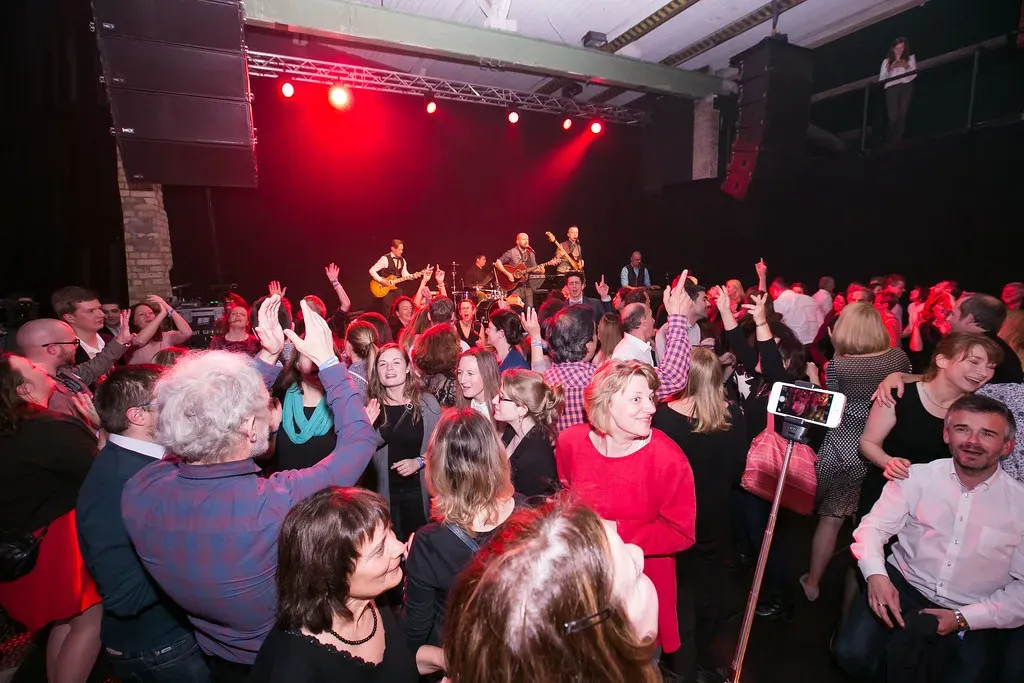
The niche music festival has always existed, but in recent years, it’s only grown in popularity. Perhaps due to a change in consumer tastes, or the fact that the main festival circuit is getting more and more expensive, we’ve officially entered the era of the niche music festival.
Some of the most successful niche festivals have sprung from online communities. For example, LGBTQ+ friendly events like OUTLOUD or the queer-forward Mighty Hoopla in the UK were born from grassroots movements and have since grown into major attractions. These events don’t just reflect cultural identity – they create space for it to flourish.
These festivals are special. Think retro-themed parties, artist-specific celebrations, or genre-focused festivals – niche events are exploding in popularity because they deliver highly curated, affordable experiences. For organisers, this trend opens up exciting opportunities to design events that deeply resonate with targeted audiences.
Technology and Hybrid Experiences Expand Reach
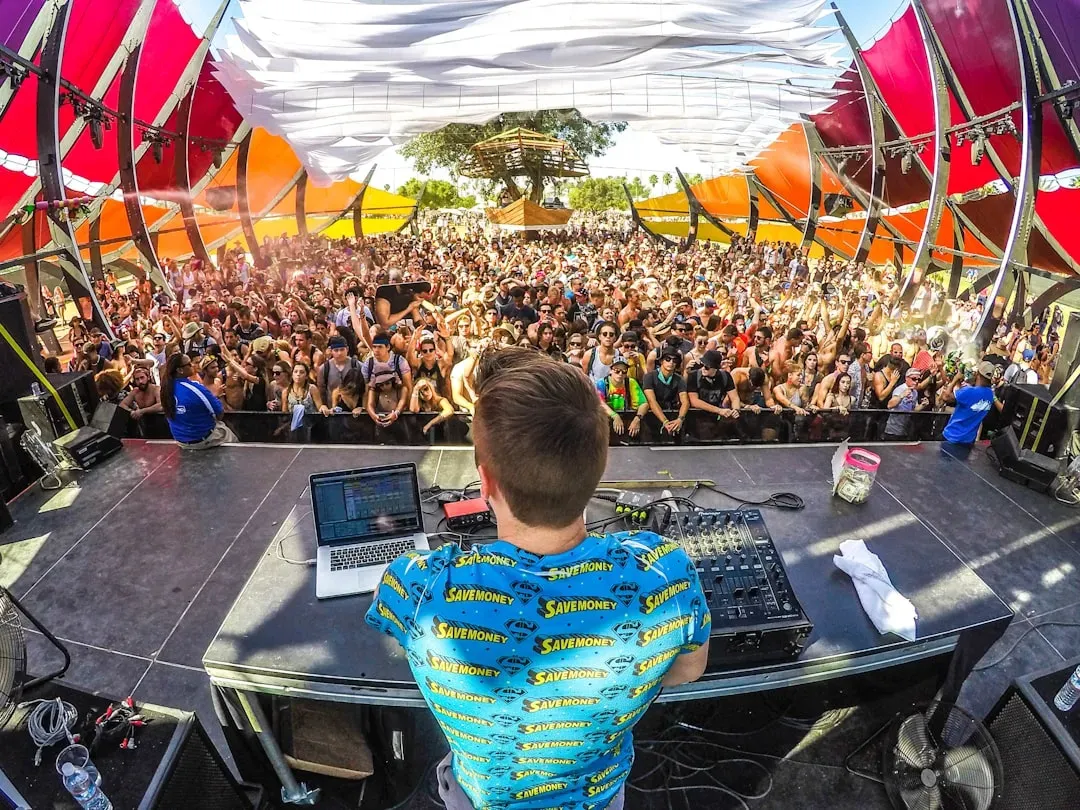
Nearly 48% of global festivals introduced live-streaming apps with interactive features in 2024, boosting engagement beyond physical attendance. The hybrid model is here to stay, whether we like it or not.
The pandemic accelerated the rise of virtual festivals, and while in-person events have made a strong comeback, many festivals now include livestream components for remote attendees. Hybrid models offer both physical and digital tickets, making the experience more accessible and broadening reach.
This isn’t just about accessibility, though that’s important. Organizers are also experimenting with AI-driven personalization, delivering customized line-ups and event recommendations based on attendee behavior. Digital collectibles, including NFTs tied to exclusive backstage experiences, represent 10% of new revenue streams. The future is wild.
Homegrown Talent and Regional Celebration
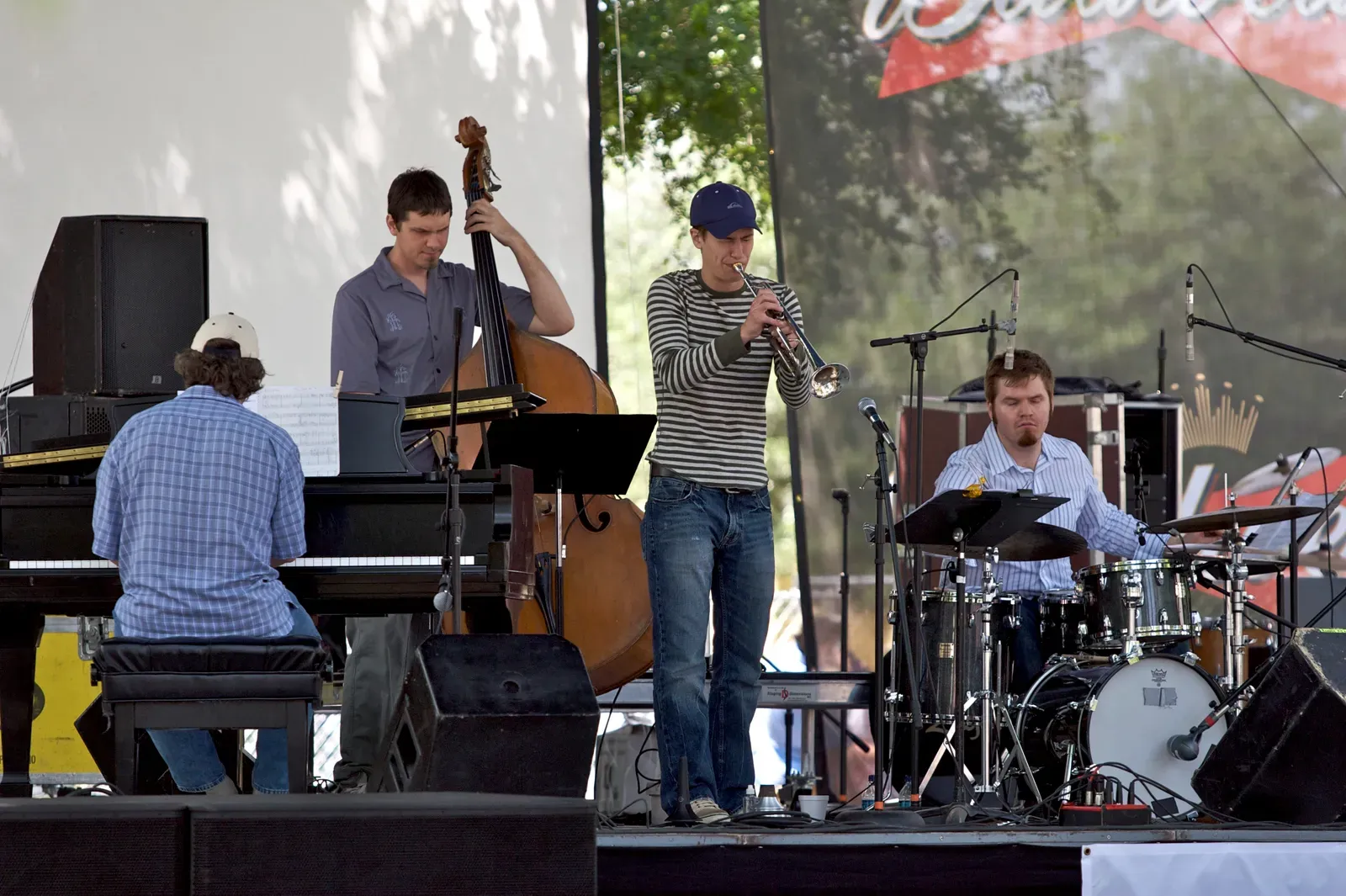
Key players in the music festival market are focusing on promoting homegrown events that highlight local and regional talent, offering unique experiences that resonate with audiences while supporting emerging artists and boosting regional economies through tourism and local businesses. Homegrown festivals primarily feature local or regional musicians and celebrate the unique cultural and musical heritage of a specific area.
For instance, in March 2024, the IMP X-Festival was launched by the India-based social community, Independent Music Platform (IMP). This local music festival gathered over 100 artists in 34 performances. The lineup included highly acclaimed acts like Indian Ocean and Agnee, and new local talents like Nawab Gang, Chowraasta, and Damini Bhatla, presenting a lively mix of national and regional music.
The Struggle for Survival: Costs and Challenges
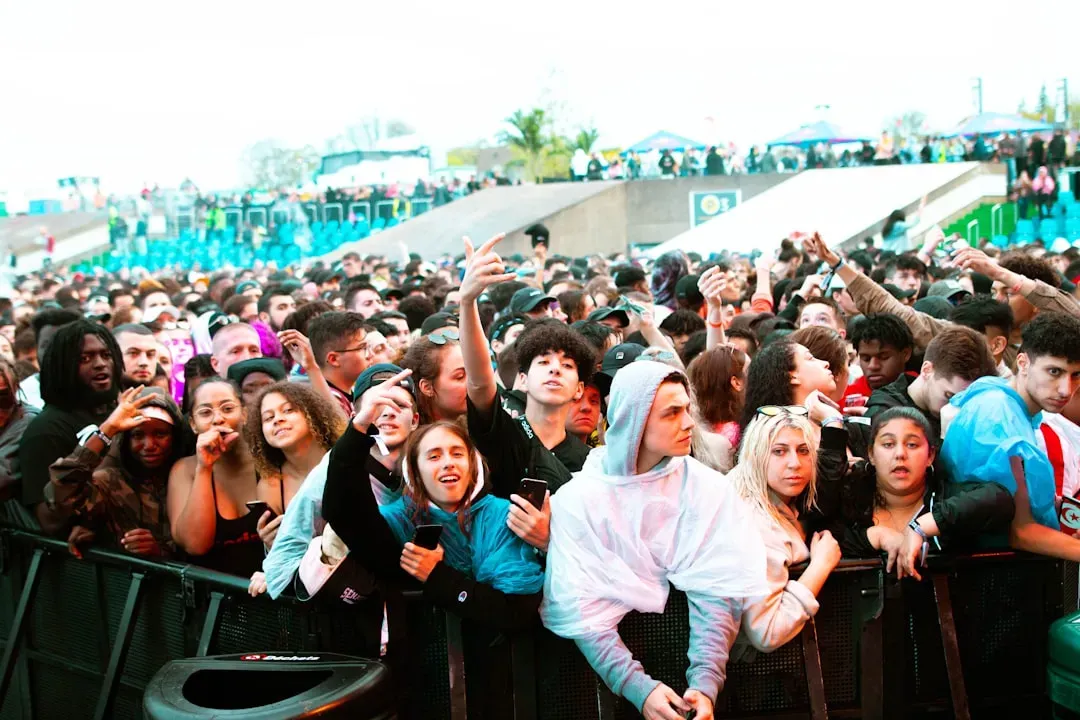
Let me level with you. Running an independent festival is brutal. In 2023, some festivals folded, and many of the survivors entered 2024 bruised and cautious. In a letter announcing the cancellation of the 2024 Skull and Roses festival, Mitrovich blamed the “financial devastation” of 2023’s event. “We were the first ones who came out and said, ‘F – k. We’re f – ked,’ and then all of a sudden, a whole bunch of them did.”
Music enthusiasts are being more discerning about which events they attend, and festival organizers are having to adapt to late buying patterns from festival attendees, which has resulted in many independent festivals struggling to stay alive. Ticket sales are shifting. Sustainability initiatives and eco-friendly practices are increasingly important, with 69% of attendees favouring nature-connected events. Operating costs are skyrocketing and competition is fierce.
Success Stories That Keep Hope Alive
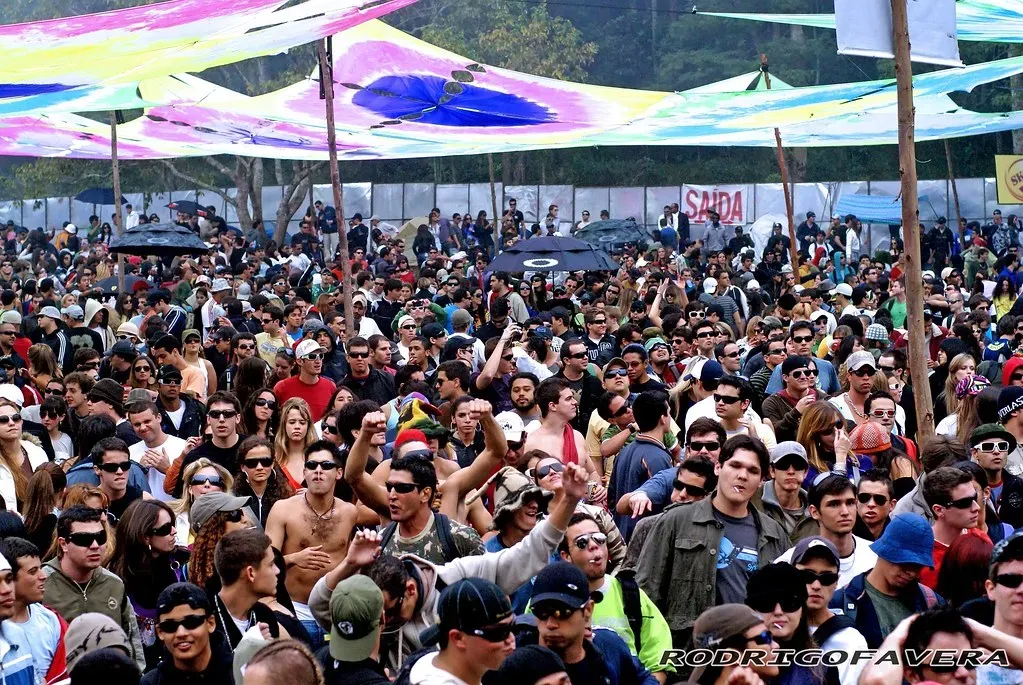
Still, there are bright spots. Gaffney said that when the Reggae on the River festival, where she also works as a media coordinator, returned in August after a five-year hiatus, it was “gangbusters.” Good Vibez’s new line of Holo Holo festivals seem to do consistently well, Sheehan said, possibly due to their small scale.
Pollstar’s year-end wrapup shows the top 8 festivals worldwide in terms of gross revenue generated $192 million in 2023. Topping the charts are the Outside Lands Music & Arts Festival, one of the biggest independently-owned music festivals in the U.S. taking place in San Francisco’s Golden Gate Park since 2008, and the Hard Summer Music Festival. These festivals prove that independent spirit doesn’t mean small impact.