


Woodstock 1969: Three Days That Birthed a Cultural Revolution

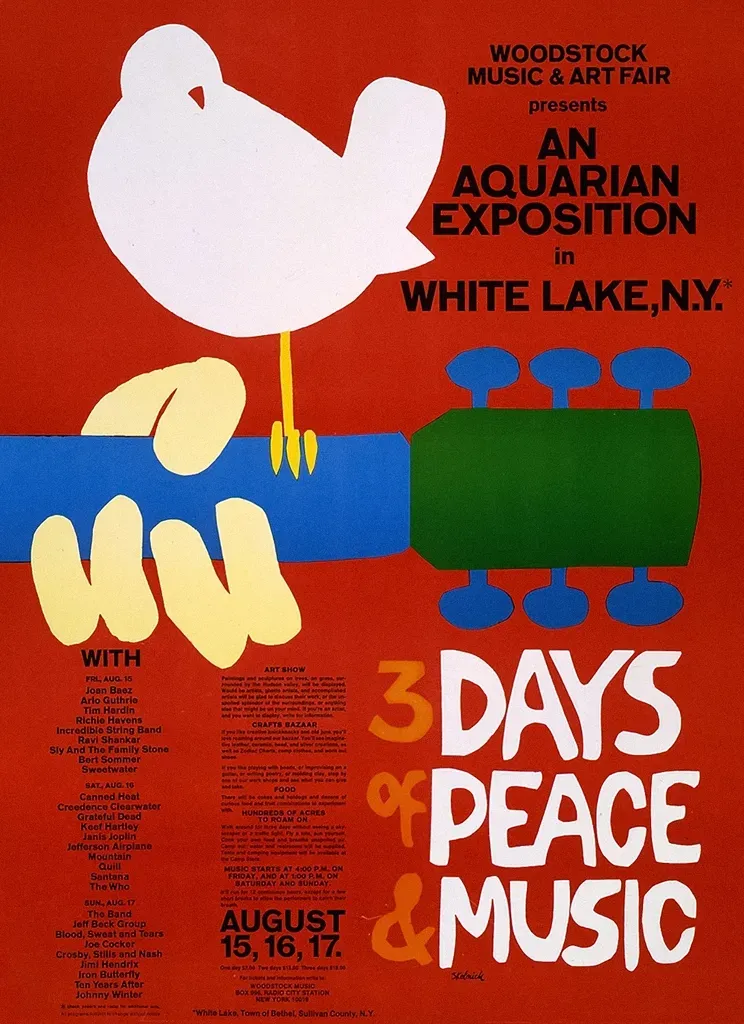
Picture this: nearly half a million people descending on a dairy farm in upstate New York with nothing but music, mud, and a dream for peace. The Woodstock Music Festival in August 1969 drew approximately 450,000 people to Max Yasgur’s farm, creating what would become the most legendary gathering in American music history.
The festival became the definitive expression of musical, cultural, and political idealism of the 1960s and was recognized almost immediately as a watershed event in the transformation of American culture. Let’s be real, nothing quite prepares you for understanding how a bunch of young people gathering for music could shift the trajectory of an entire generation.
In 2017, the Woodstock site was officially listed on the National Register of Historic Places, cementing its position as one of the most significant cultural monuments in twentieth-century American history. Woodstock served as an alternative catharsis for the political and social pressures that existed in the country at that time, offering young Americans a refuge from Vietnam War tensions and civil unrest.
Monterey Pop Festival 1967: The Blueprint for Modern Music Gatherings

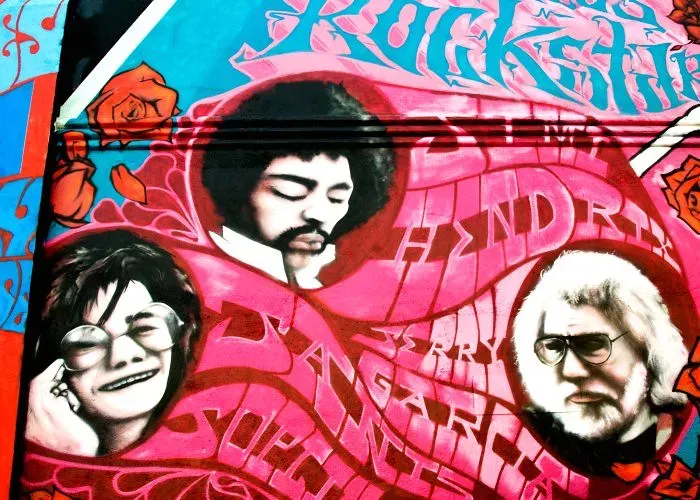
The Monterey Pop Festival captured the key symbols of the emerging counterculture in the idyllic Summer of Love, featuring Janis Joplin, Country Joe and the Fish, and Jefferson Airplane. Think of it as the dress rehearsal for what would become Woodstock two years later.
Here’s the thing about Monterey: it proved that large-scale music festivals could actually work. The 1968 documentary film that recorded the event, Monterey Pop, reached a wide audience and introduced many fans to exciting new talent, notably Jimi Hendrix. The festival wasn’t just about music – it was about creating a blueprint that countless organizers would follow for decades to come.
In the wake of Monterey, rock festivals became common, at no time more so than in 1969. The success demonstrated that audiences were hungry for these kinds of immersive, multi-day experiences where music became more than just entertainment; it became community.
Lollapalooza: Alternative Rock Enters the Mainstream

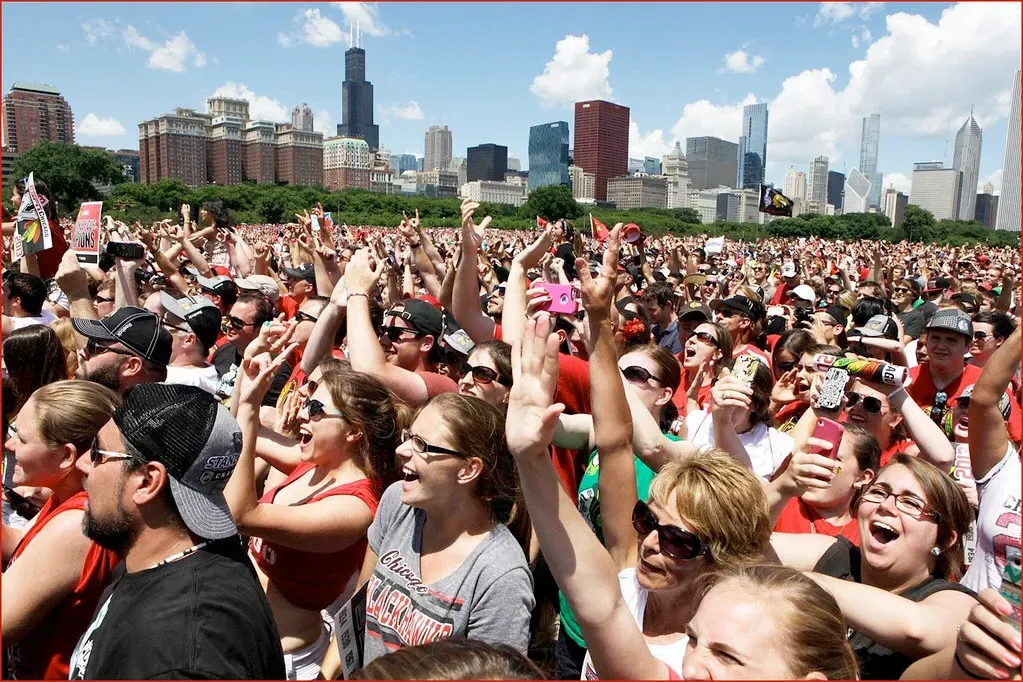
In 2005, Lollapalooza partnered with Capital Sports & Entertainment and was resurrected as a two-day destination festival in Chicago’s Grant Park, with an even greater variety of performers. What started as a touring festival in 1991 transformed into something far bigger.
In 2023, the mega-fest increased daily capacity to 115,000 people, with a maximum attendance of 460,000. That’s roughly about the same number that showed up to Woodstock, except now it happens every single year. Lollapalooza 2024 generated more than $440 million for Chicago’s economy, proving these festivals aren’t just cultural landmarks – they’re economic powerhouses.
Chappell Roan delivered an unforgettable debut performance at Lollapalooza, drawing an overwhelming crowd of an estimated 90,000 attendees, carving her name into Lollapalooza history by attracting the biggest crowd the festival has ever seen. The festival continues pushing boundaries, showing that live music experiences still matter deeply in our streaming-dominated world.
Coachella: Fashion Meets Music in the Desert

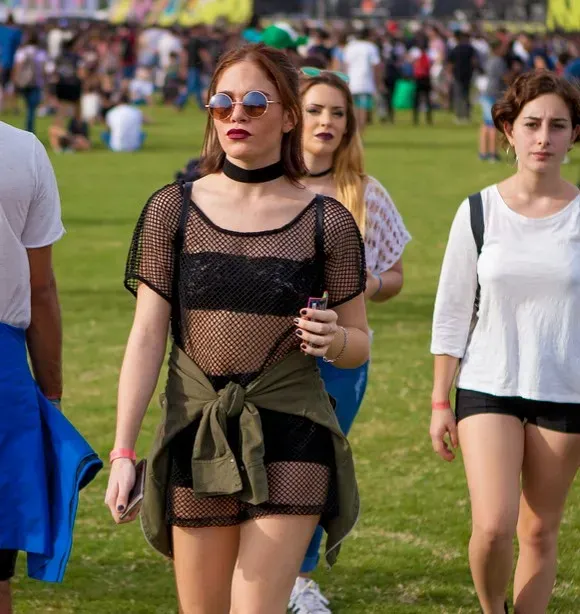
Coachella was first held in 1999 and was created by concert promoter Paul Tollett, with attendance reaching over 250,000 people in recent years. The Indio festival became something entirely different from its predecessors – a place where Instagram posts mattered nearly as much as the actual performances.
Coachella is considered a trendsetter in music and fashion, and has become known for the variety of distinctive apparel worn by attendees. Honestly, you can’t scroll through social media in April without seeing someone in flower crowns and fringe at the Empire Polo Club.
On average, around 125,000 people attend Coachella each day over its two weekends, and in 2019 it made more than $114 million in gross receipts. Though in 2023, it was the first time in 11 years that the festival did not sell out both its weekends, and in 2024 it took one whole month to sell out the first weekend, suggesting even giants face challenges in the evolving festival landscape.
Bonnaroo: Southern Hospitality Meets Musical Diversity

The first Bonnaroo, organized by veteran music promoter Ashley Capps and held in 2002, attracted about 70,000 visitors. Set on a 700-acre farm in Manchester, Tennessee, Bonnaroo offered something distinctly American – sprawling Southern hospitality mixed with an eclectic musical experience.
In 2008, Bonnaroo was named “Best Festival” by Rolling Stone magazine, calling it “the ultimate over-the-top summer festival,” and The New York Times said “Bonnaroo has revolutionized the modern rock festival” in 2012. The festival’s 24-hour Centeroo area became legendary for creating an immersive experience that went far beyond just watching performances.
Its multiple stages feature stylistically diverse music, including indie rock, classic rock, world music, hip hop, jazz, Americana, bluegrass, country music, folk, gospel, reggae, pop, electronic, and other alternative music, and was ranked by Rolling Stone magazine as one of the “50 Moments That Changed Rock & Roll”. If Coachella became about fashion, Bonnaroo remained fiercely committed to the music itself and the communal camping experience that defined it.
The Evolution of Festival Culture: What’s Changed and What Hasn’t

Here’s what strikes me about this entire journey: the fundamental human need for gathering around music hasn’t changed one bit since Woodstock. What has changed dramatically is scale, technology, economics, and accessibility.
The top 10 tours of 2023 earned an average of $5.7 million per show compared to 2017, when the top 10 tours were averaging $3.6 million per show – a 58% increase in only six years. Festival prices have skyrocketed accordingly, raising serious questions about who can actually afford these experiences anymore.
In 2024, Lollapalooza made history as the first major U.S. festival to use a hybrid battery system for the main stage, and in partnership with Live Nation’s sustainability initiative Green Nation and REVERB, the T-Mobile sponsored main stage is being hybridized – powered by a combined battery-biodiesel system that reduces on-site fossil fuel use. Modern festivals are grappling with environmental responsibility in ways that would’ve seemed impossible in 1969.
The diversity of today’s festival lineups reflects America’s changing demographics and musical tastes. Asian GenZ/Millennials are 35% more likely to have attended a music festival in the last 12 months when compared to White Non-Hispanic GenZ/Millennials, and Hispanic GenZ/Millennials are 2x more likely to stay up to date with the latest in Latin music and culture. Festivals that recognize and embrace this diversity are the ones thriving in 2025 and beyond.
The Future: Where Music Festivals Go from Here

Standing at the intersection of history and tomorrow, music festivals face fascinating challenges. Ticket sales have softened for even marquee events, streaming has changed how people discover music, and younger generations approach live experiences differently than their parents did.
Yet festivals keep adapting. They’ve become more than just music – they’re Instagram content factories, brand activation playgrounds, and crucibles for cultural moments. The question isn’t whether festivals will survive, but how they’ll continue evolving to remain relevant.
From Woodstock’s muddy fields to Rolling Loud’s packed stadiums, American music festivals have reflected who we are as a society. They’ve given us Jimi Hendrix’s “Star Spangled Banner,” countless viral moments, and spaces where strangers become friends over shared musical experiences. They’ve also shown us our challenges: accessibility, sustainability, safety, and inclusion.
What these gatherings prove, generation after generation, is that there’s something irreplaceable about being physically present when music happens. No algorithm can replicate the feeling of 90,000 people singing along to the same song, covered in glitter and sweat, connected by something bigger than themselves. That’s what changed America – not just the festivals themselves, but what they revealed about our endless need to come together and celebrate life through sound.
Did these festivals really change America, or did they simply reflect the changes already happening? Tell us what you think in the comments below.


