Most listeners assume the voice on the radio is the one the song was written for. Often it isn’t. Pop history is full of tracks that began as demos, album cuts, or forgotten singles before a different artist turned them into signatures.
The nine songs below all changed hands before they became famous. Some were barely noticed the first time around, while others were already well loved. In every case, the version most people know came second.
Girls Just Want to Have Fun

Robert Hazard, a Philadelphia songwriter, wrote and recorded this song as a demo before Cyndi Lauper ever sang it. His version was told from a male point of view and had a rougher, more rock oriented feel.
Lauper reshaped the lyrics so the song spoke from a woman’s perspective. Her 1983 recording appeared on the album She’s So Unusual and became one of the defining singles of the decade. It reached number two on the Billboard Hot 100, and Hazard earned royalties from a hit that was no longer quite his.
Nothing Compares 2 U

Prince wrote this ballad in the mid 1980s for The Family, a side project featuring musicians from his Minneapolis circle. It appeared on their self titled 1985 album and drew little mainstream attention.
Sinéad O’Connor recorded it in 1990 for her album I Do Not Want What I Haven’t Got. Her version reached number one on the Hot 100 and in the United Kingdom. The video, built around a close shot of her face, helped make it one of the most recognizable releases of the year.
I Will Always Love You
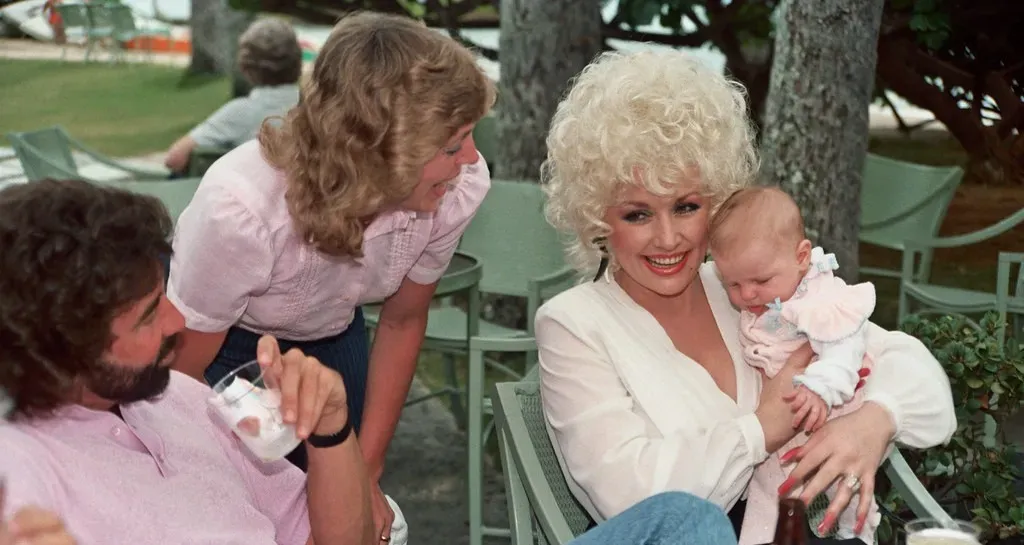
Dolly Parton wrote this song in 1973 as a farewell to her mentor and former duet partner Porter Wagoner. Her original recording topped the country chart in 1974, and she later returned it to the top with a re-recording in 1982.
Whitney Houston’s version arrived in 1992 on the soundtrack to The Bodyguard. It spent fourteen weeks at number one on the Hot 100 and became a global standard. Parton has often said the royalties from it were enormous, which says something about how far a cover can travel.
Hurt

Trent Reznor wrote this song for Nine Inch Nails, and it closed the 1994 album The Downward Spiral. In its original form it is built on harsh textures and a sense of private collapse.
Johnny Cash recorded it near the end of his life for the 2002 album American IV: The Man Comes Around. Stripped to acoustic guitar and piano, the song took on the weight of an older man looking back. Reznor himself has acknowledged that the song no longer feels entirely like his.
Partner offer
All Along the Watchtower
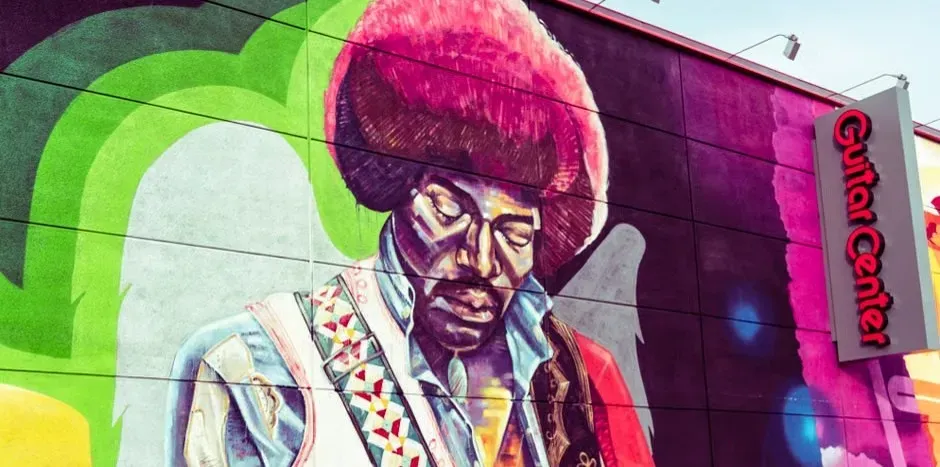
Bob Dylan released this song in 1967 on the album John Wesley Harding, in a quiet, spare arrangement. It was short, cryptic, and not especially built for radio.
Jimi Hendrix recorded his own take for the 1968 album Electric Ladyland. His version peaked at number twenty on the Billboard Hot 100 and remains one of the best known covers in rock. Dylan has long been reported to play it in the Hendrix style at concerts, a rare case of an author borrowing back from the cover.
Respect
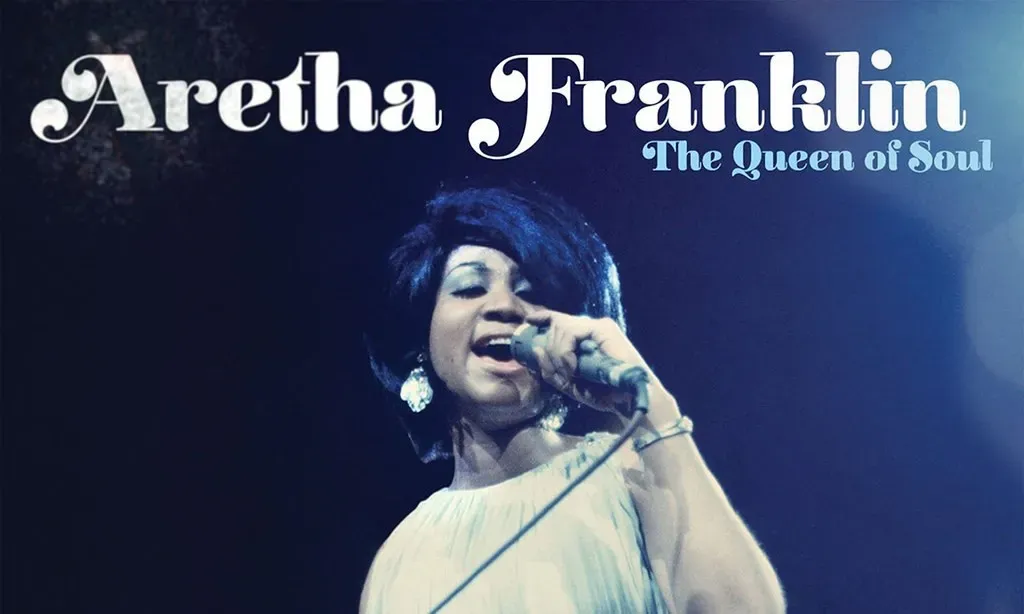
Otis Redding wrote and recorded this song in 1965. In his hands it was a plain demand from a working man, delivered in a driving soul groove that charted on the R&B listings.
Aretha Franklin cut her version in 1967 for Atlantic Records. She rearranged the song, added the spelling out of the title, and added a backing vocal hook that Redding’s original lacked. Her recording went to number one on the Hot 100 and became tied to the civil rights and women’s movements of the era.
I Love Rock ‘n’ Roll
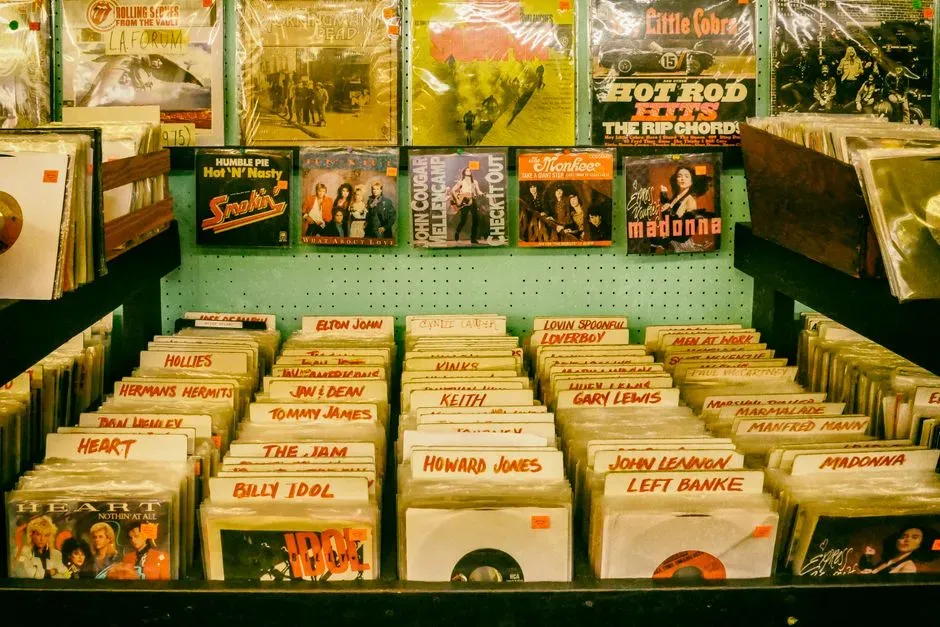
The song was written by Alan Merrill and Jake Hooker, and Merrill’s band The Arrows released it in 1975. It was a modest hit in the United Kingdom, helped along by a television appearance.
Joan Jett had heard the Arrows perform it on British television while touring with The Runaways. She recorded it with Blackhearts in 1981, and the single hit number one in the United States in 1982. It stayed there for seven weeks, far beyond anything the original achieved.
Tainted Love

Gloria Jones recorded this song in 1964, and it was written by Ed Cobb. The original is a driving soul number that found a following in the northern soul scene in Britain, though it was not a major hit at the time.
Soft Cell turned it into a synthesizer pop single in 1981, slowing the pulse and giving it a colder, more electronic edge. It reached number one in the United Kingdom and became a worldwide success. In the United States it had a remarkably long run on the Hot 100, which helped cement its status as an early synth pop landmark.
Valerie
The Zutons, a band from Liverpool, released this song in 2006 on the album Tired of Hanging Around. It was an energetic indie rock track and a respectable success at home.
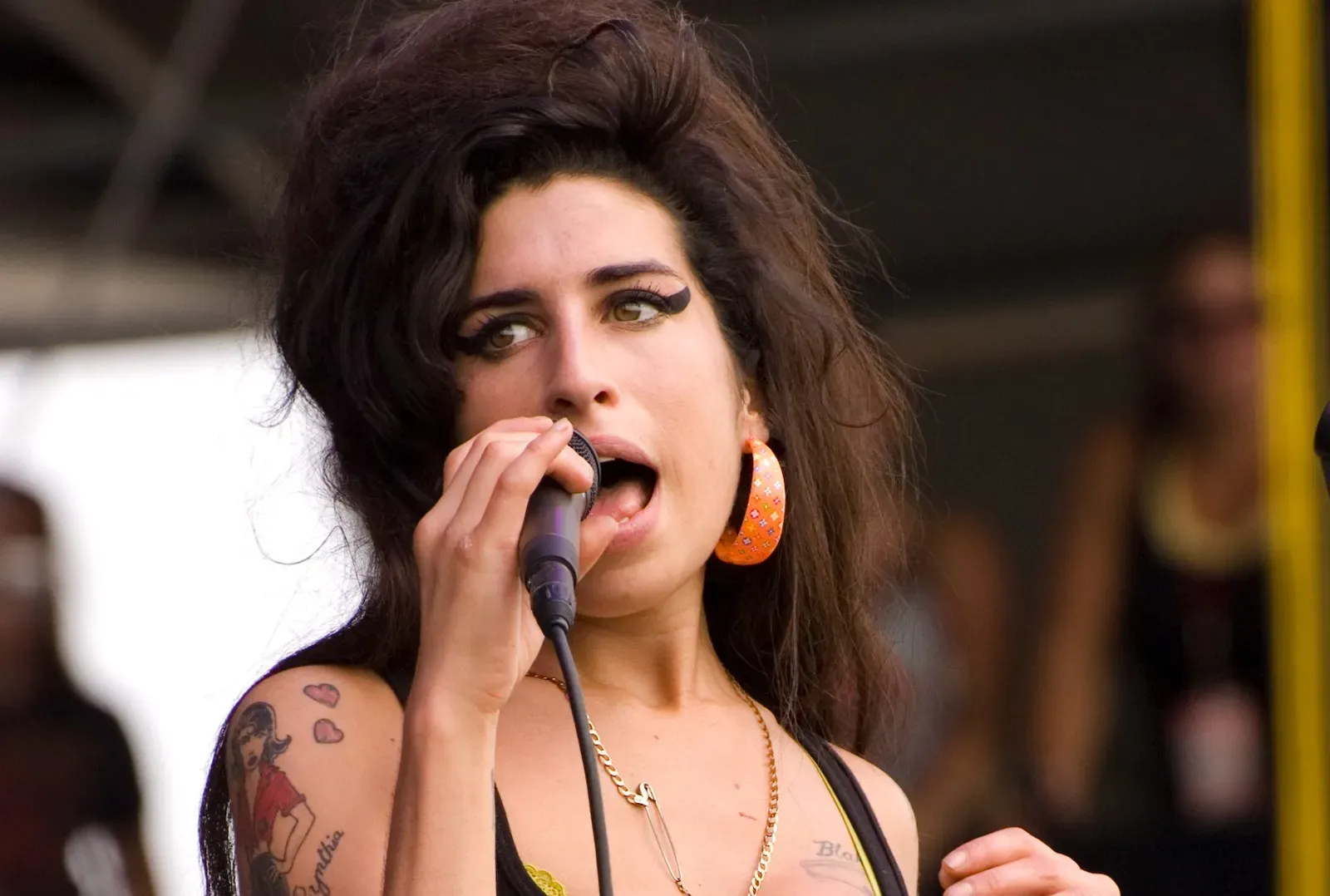
Mark Ronson recorded a new arrangement with Amy Winehouse on vocals for his 2007 album Version. The brass heavy, soul driven reworking reached number two in the United Kingdom. For many listeners, it is now the definitive version, and it stands as one of the late career highlights of Winehouse.
Partner offer
Planning a trip to Vegas?
Compare hotel rates and show tickets on VEGAS.com.