
There’s a quiet paradox at the heart of some of literature’s most beloved short books: the thinner the volume, the longer it sometimes took to write. A few hundred pages, or even fewer, can represent the labor of a decade or more – whole stretches of a writer’s life poured into something a reader might finish in an afternoon. That kind of compression isn’t laziness. It’s obsession.
The books on this list are all relatively slim. Some clock in well under two hundred pages. What they share isn’t length but depth, and a writing history that most readers never think about when they pick them up off a shelf. Behind every one of these compact masterpieces is a story that’s almost as compelling as the book itself.
The Catcher in the Rye by J.D. Salinger (1941–1951)
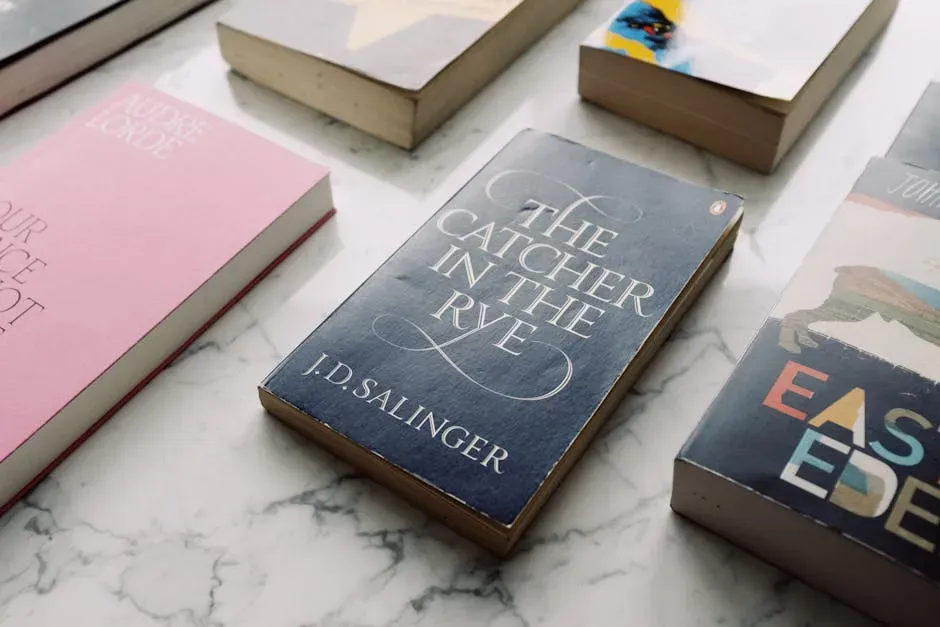
Though The Catcher in the Rye is Salinger’s only novel, and fairly short, it took the author ten years between the time he started writing it and the time it was published. The circumstances that slowed him down were genuinely extraordinary. It’s a bit difficult to write a book when you get drafted as a soldier in World War II – and that was exactly the situation Salinger found himself in. The novel didn’t even start as a novel: he originally wrote it as a series of short stories because he was unfamiliar with writing longer fiction.
Still, he didn’t forget his story in the line of duty. It’s said he carried around the pages that held Holden Caulfield throughout the war, from the streets of Paris to the Nazi concentration camps. What emerged from those ten years was a deceptively simple book about a teenage boy wandering New York, one that has gone on to become one of the most read and banned novels of all time.
Finnegans Wake by James Joyce (1922–1939)
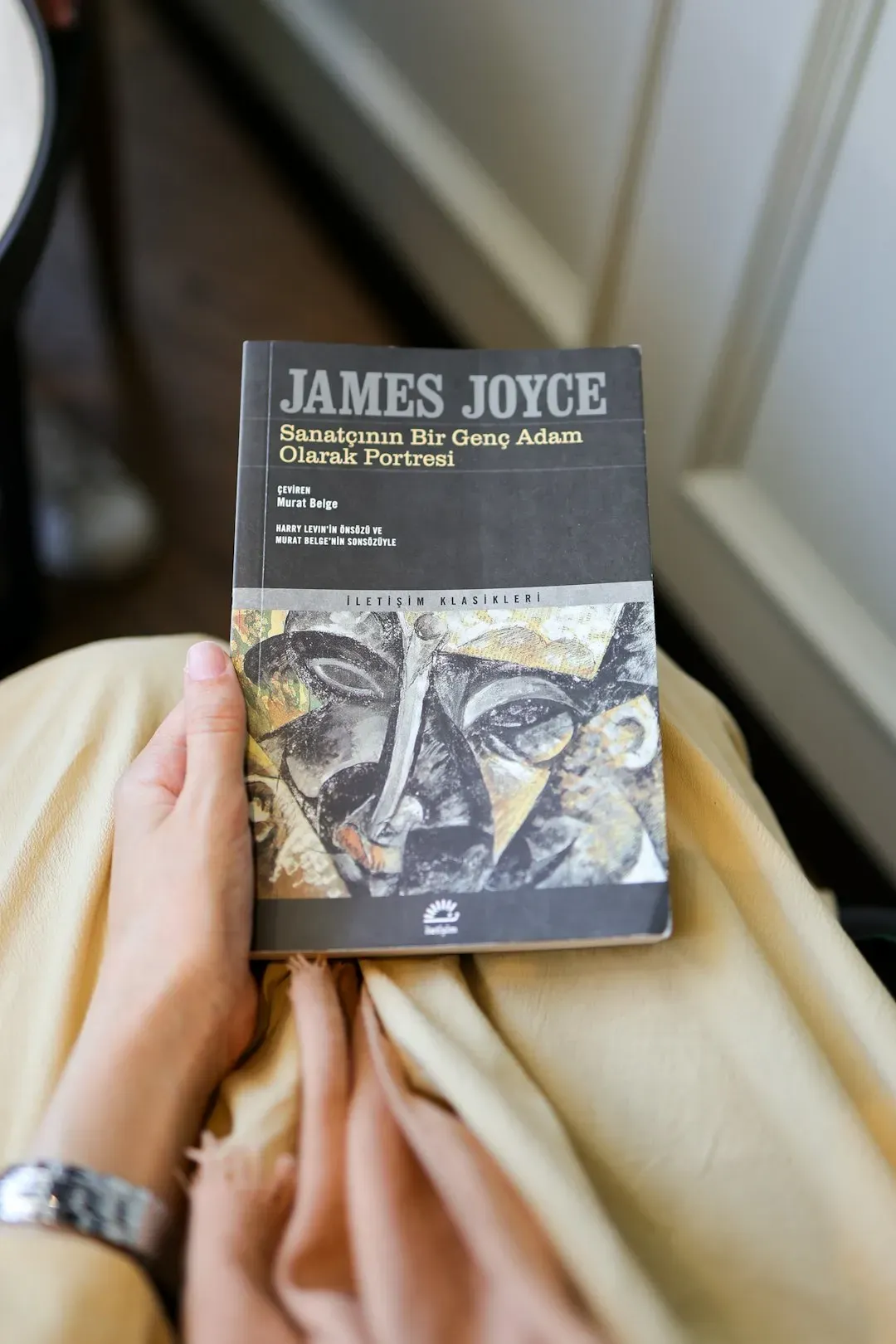
It took James Joyce 17 years to finish Finnegans Wake. Beginning after the publication of Ulysses in 1922, Joyce toiled until 1939 to create a text that defies easy understanding. The novel’s language is a dizzying blend of puns, neologisms, and allusions, making it a literary puzzle that continues to intrigue and baffle readers. Joyce’s goal was to capture the cyclical nature of human history and consciousness, weaving together dreams, myths, and wordplay.
Joyce completed Finnegans Wake over the course of 17 years while in Paris, only two years before his death. The book’s publication was met with confusion and mixed reviews, but its reputation has grown steadily. Many modern writers cite it as a key influence in breaking the boundaries of narrative form. It remains among the most linguistically ambitious short texts ever attempted in English.
The Brief Wondrous Life of Oscar Wao by Junot Díaz (1997–2007)
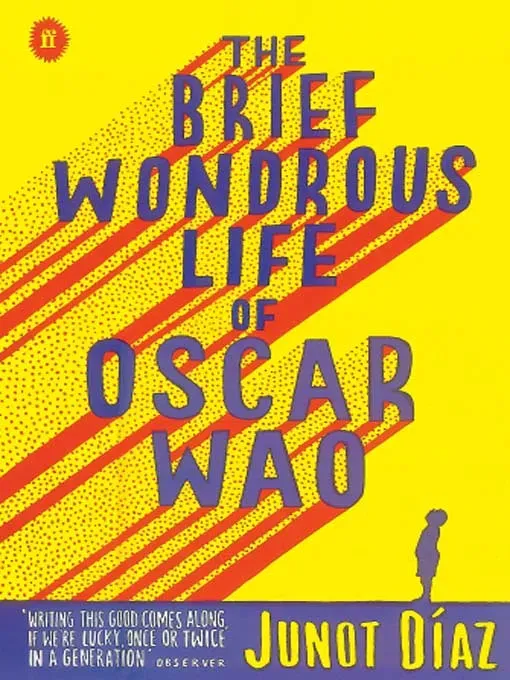
Junot Díaz is a Pulitzer Prize-winning author who spent ten years completing his novel. The story, about a boy named Oscar De León, kept Díaz busy every day for five years, but despite writing for hours each day he simply couldn’t make it work past the 75-page mark. Utterly dismayed, he gave up on the idea for a while, then returned to it, spending another five years finally completing the novel.
Díaz has spoken often about the length of time it took him to write the book, including a hiatus during which he gave up on the novel completely and went to graduate school. Almost ten years later, the novel – which tells the story of a young Dominican-American boy with great literary aspirations – became a Pulitzer Prize winner. For a book that reads with such kinetic energy, knowing it nearly didn’t exist at all gives it an extra layer of weight.
No Great Mischief by Alistair MacLeod (1986–1999)
Alistair MacLeod’s first novel, No Great Mischief, has been celebrated as a work of great literary skill and grace – and it took MacLeod 13 years to complete. It’s a Márquez-esque story of a family consumed by their history of conflict and violence, substance abuse, and theft. Through it all, they remain painfully loyal to one another.
MacLeod was a perfectionist who preferred writing in longhand. His habit of writing only a single sentence at a time and then reading it aloud to make sure the words were “just right” probably also contributed towards the lengthy process. His editor later commented that MacLeod’s writing was so precise that revisions to the novel were “almost unnecessary.” Thirteen years of painstaking handwritten sentences – and it shows, in the best possible way.
The Old Man and the Sea by Ernest Hemingway

Ernest Hemingway’s The Old Man and the Sea clocks in at just 127 pages, but the story spent years gestating in his mind. Hemingway himself said the idea for the novel brewed for decades, shaped by his love of fishing and his struggles as a writer. When he finally sat down to write, he finished the draft in about eight weeks – yet those weeks were the end of a much longer journey.
Partner offer
The novella, which won Hemingway the Pulitzer Prize, is deceptively simple. It distills years of personal frustration and creative ambition into a stripped-down, elemental struggle between man and nature. It’s a useful reminder that the writing of a book and the living that feeds it are two very different timelines, and that sometimes the second one takes far longer than the first.
Wide Sargasso Sea by Jean Rhys (1957–1966)
Wide Sargasso Sea is a 1966 postmodern novel by Dominican-British author Jean Rhys. Set in Jamaica in the 1830s to 1840s, the novel is a postcolonial and feminist prequel to Charlotte Brontë’s Jane Eyre, detailing the background to Edward Rochester’s marriage from the point of view of his wife Bertha Mason, reimagined by Rhys as a Creole heiress named Antoinette Cosway. The book is roughly 190 pages long.
Rhys signed a contract for the book and told her editors she expected to be done in six to nine months. In fact, it took her nine years to finish Wide Sargasso Sea, now considered her masterpiece and one of the best novels of the twentieth century. Its 1966 publication came twenty-seven years after the appearance of her last novel, meaning Rhys had spent much of her adult life circling toward this single, relatively compact book.
Pedro Páramo by Juan Rulfo

Juan Rulfo’s Pedro Páramo, just over 120 pages, was more than a decade in the making. Rulfo published little else, pouring all his creative energy into this one book. The result is a dense, haunting tale that has shaped the course of Latin American literature. Rulfo’s painstaking process is evident in the book’s layered narrative and poetic language.
In spite of Rulfo’s slim literary production, he is considered one of the greatest Mexican and Latin American writers of the twentieth century, having influenced many subsequent writers including the Nobel laureate Gabriel García Márquez. García Márquez has said that he felt blocked as a novelist after writing his first four books, and that it was only his life-changing discovery of Pedro Páramo in 1961 that opened the way to the composition of his masterpiece, One Hundred Years of Solitude. A book of 120 pages that unlocked an entire literary movement.
The Metamorphosis by Franz Kafka

Franz Kafka may have drafted The Metamorphosis quickly, but he never felt finished with it. This strange, surreal tale of Gregor Samsa’s transformation into a giant bug is only about 55 pages long, yet Kafka tinkered and revised for years. His relentless edits reveal a mind obsessed with perfection and plagued by self-doubt.
Even today, scholars debate what a “finished” Kafka work would look like, since he famously left instructions for some of his writing to be destroyed after his death. The existential dread and alienation pulsing through the story didn’t appear overnight, and the novella’s uneasy, unfinished quality is part of its lingering power. In Kafka’s case, the decades weren’t entirely spent at the desk – they were spent in the mind, in that restless space where nothing is ever quite good enough.
Chronicle of a Death Foretold by Gabriel García Márquez
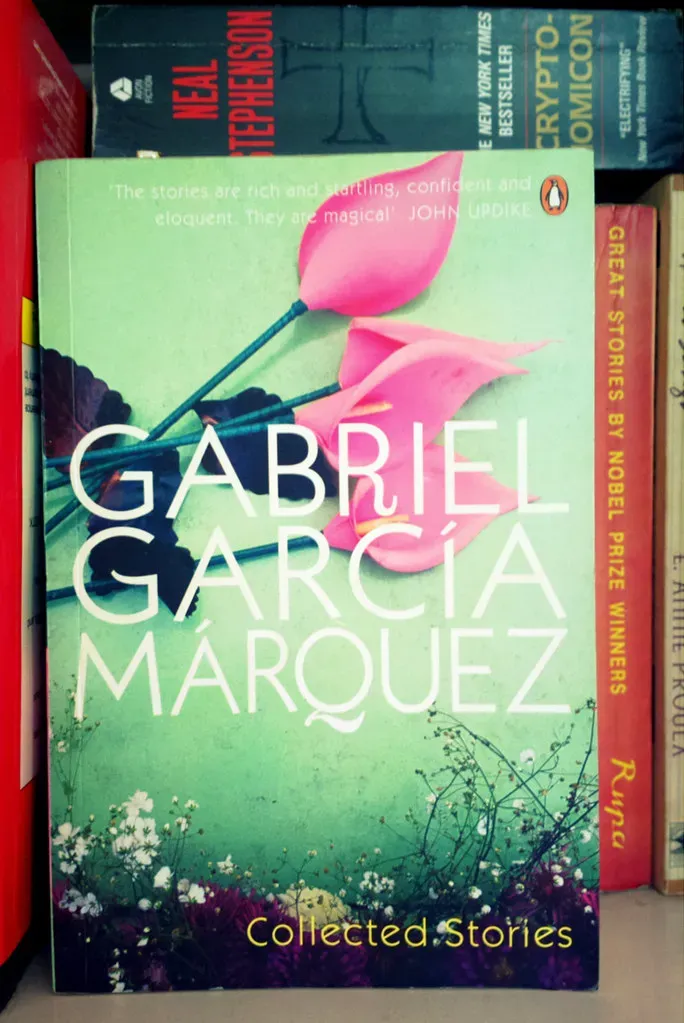
Gabriel García Márquez’s Chronicle of a Death Foretold is a masterclass in narrative complexity, packed into about 120 pages. Márquez drew from a real event he witnessed, but it took him decades to shape the story into its final form. The novella’s intricate structure – where everyone knows the murder will happen, yet no one stops it – reflects years of rumination on fate, honor, and complicity.
Márquez’s long dedication to revising the narrative paid off, creating a book that is as haunting as it is tightly plotted. There’s something almost cruelly fitting about a novel whose plot everyone inside the story already knows taking so many years to reach its final form. The irony of the title isn’t lost when you understand how long its author spent deciding exactly how to tell it.
The Death of Ivan Ilyich by Leo Tolstoy
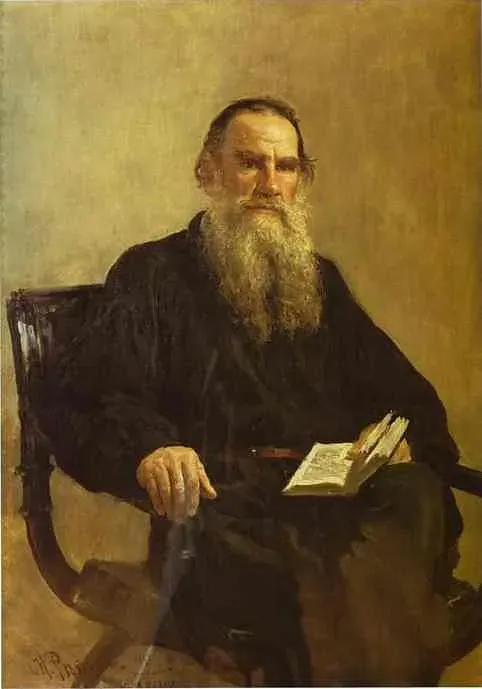
Leo Tolstoy wrote The Death of Ivan Ilyich late in life, after a period of intense spiritual crisis. The novella, at just 86 pages, is imbued with the wisdom and restlessness of a man grappling with mortality. The story’s power comes from its honesty – Tolstoy doesn’t shy away from the terror and confusion of facing death.
The years Tolstoy spent questioning the meaning of his own life are distilled into a story that continues to move and challenge readers. It took Tolstoy the better part of a decade of spiritual searching before he could write something so compressed and so clear about the end of a life. At 86 pages, it may be the most efficiently devastating short book in the Western tradition – a lifetime of questioning reduced to something you can read in a single sitting, and think about for years afterward.
Partner offer
Planning a trip to Vegas?
Compare hotel rates and show tickets on VEGAS.com.