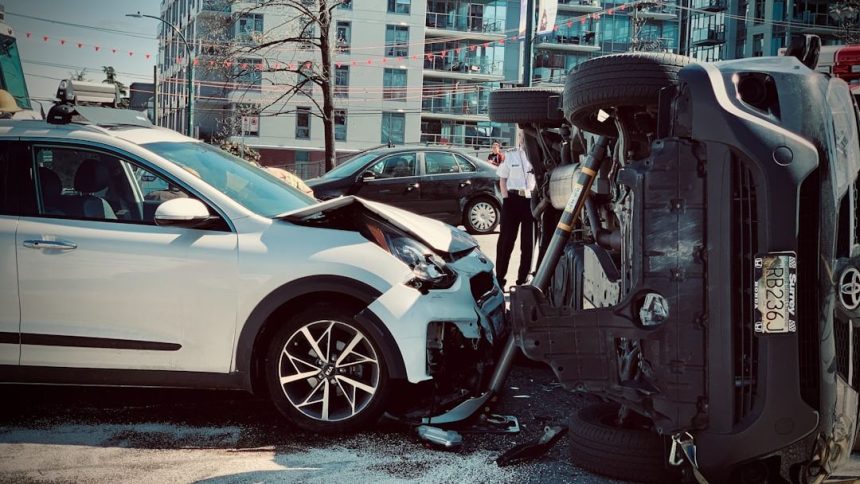
North Las Vegas has long carried the reputation of a city in motion. Rapid growth, wide-open roads, and a sprawling suburban layout have made it one of the fastest-developing cities in the American West. That same momentum, though, has a darker side playing out on its streets every day and night.
Speeding has quietly become one of the most pressing public safety challenges in the city. The data from local law enforcement, state agencies, and national traffic research all point toward the same uncomfortable reality: speed-related danger is embedded in the character of these roads, and the consequences are increasingly deadly.
Speed Is the Leading Killer on North Las Vegas Roads

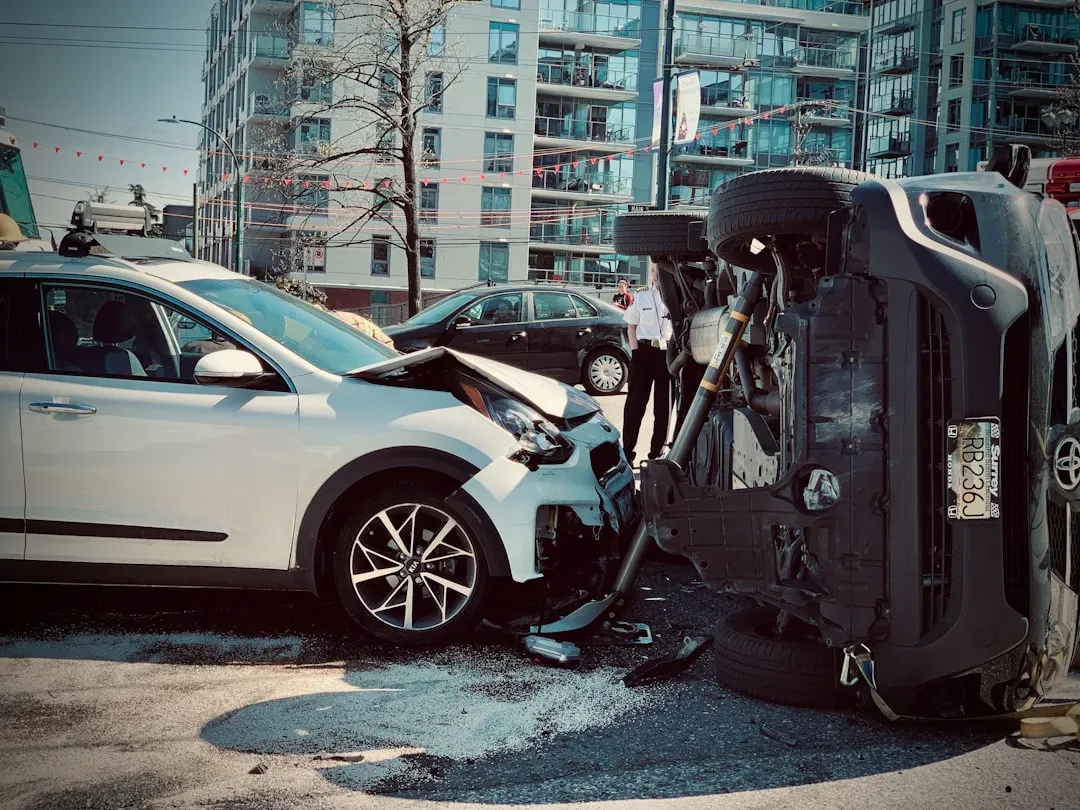
Local crash data tells a stark story. The top three casualty factors on North Las Vegas roads are speed, DUI, and not wearing a seatbelt. This pattern has held steady for multiple years, confirming that speed is not a secondary factor but a primary driver of death on these streets.
The North Las Vegas Police Department ended 2024 with 35 fatalities in 34 collisions, including 16 drivers and 14 pedestrians killed. In 2023, there were 33 deaths from 27 fatal collisions. These numbers reflect a city where the volume of high-speed incidents has reached a level that demands sustained attention.
Investigators pointed to speed and seatbelt non-use as factors in a deadly crash on Clayton Street and Dorrell Lane, where a driver hit a curb at high speed, causing the car to rotate off the roadway and smash into a privacy wall. The driver was ejected and died. It is the kind of crash that repeats itself with troubling regularity across the city.
Nevada’s Broader Speeding Crisis Sets the Stage

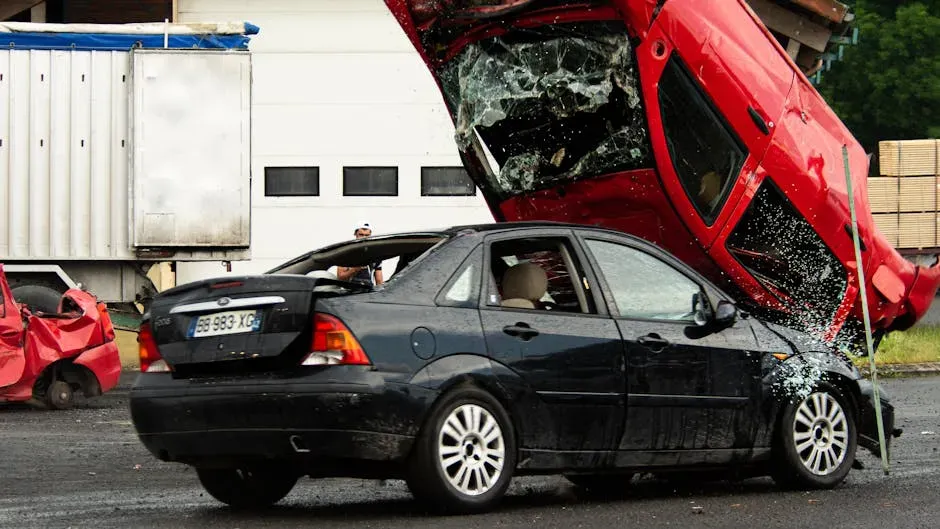
The Nevada Department of Transportation notes that speed and impairment are the top contributing factors to vehicle crashes in the state, with roughly one third of traffic fatalities related to speeding. That statewide context matters for understanding what happens at the local level in North Las Vegas.
Nevada’s 2024 traffic fatality rate was the sixth highest in the U.S., sitting well above the national average. From 2014 to 2024, the number of traffic fatalities in Nevada increased by 45 percent. The state is not just struggling with speeding in pockets. It is a system-wide problem.
The latest detailed NHTSA data shows 11,775 speed-related deaths nationwide in 2023, accounting for roughly 29 percent of total traffic fatalities. North Las Vegas exists within this national pattern but faces its own set of local conditions that amplify the risk considerably.
Road Design That Unintentionally Invites Speed

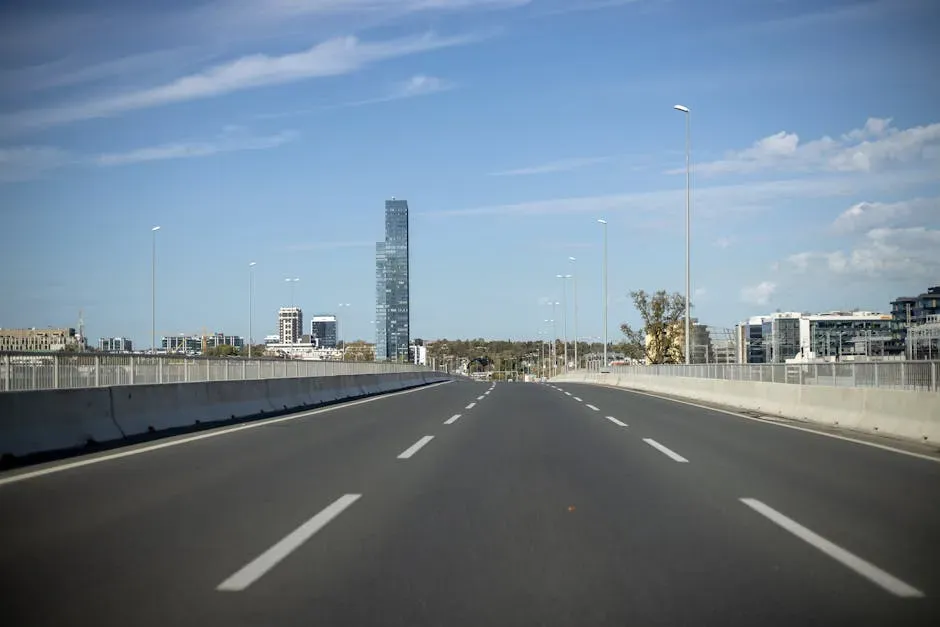
The physical shape of North Las Vegas streets plays a significant role in how drivers behave. The city’s low-density development template produced a traditional street grid with major arterial roads at regular intervals, with rights-of-way wide enough to accommodate six or eight lanes of traffic that generally travels at or above the posted speed limit of 45 miles per hour. These are not highways. They are surface streets running through neighborhoods.
Intersections in this design template are wider than average, often featuring multiple turn pockets, and many streets rely on two-way left-turn lanes rather than raised medians. That openness, combined with long straight corridors, gives drivers a visual cue that higher speeds are normal and safe. The road itself communicates permission.
Transportation research consistently links wide multi-lane urban roads to higher travel speeds, because drivers respond to the perceived space around them. In North Las Vegas, that design logic is built into street after street, making it harder for any single enforcement effort to break the cycle without addressing the underlying infrastructure.
Population Growth Is Putting More Vehicles on These Streets

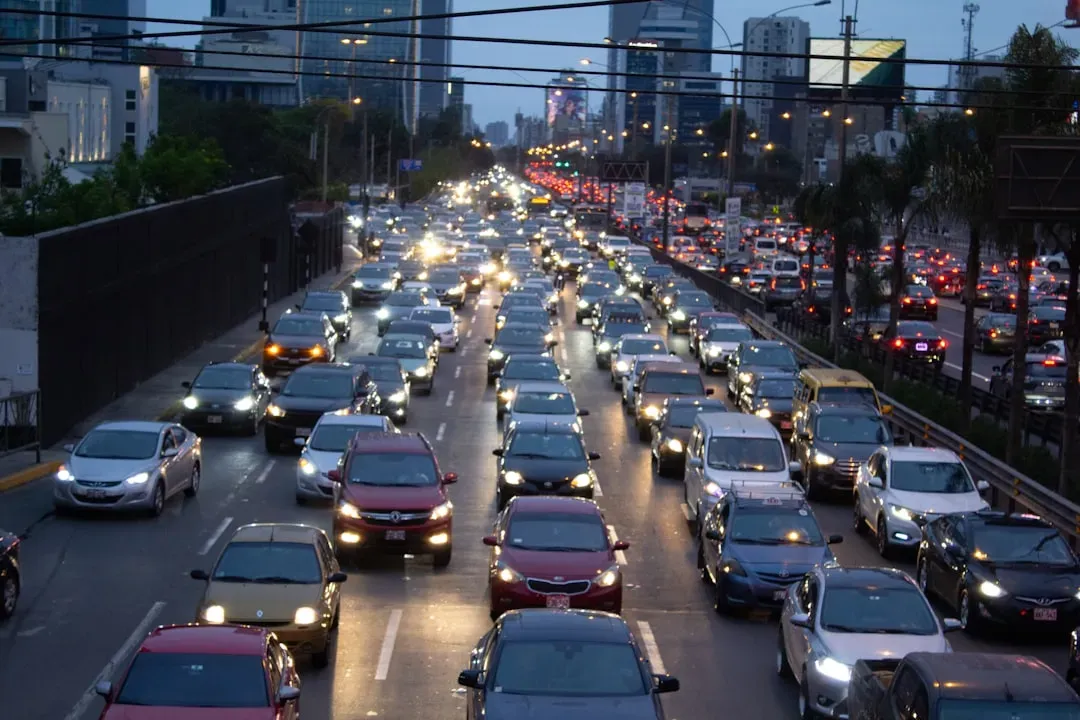
North Las Vegas is one of the fastest-growing cities in Nevada, and that growth compounds the speeding problem directly. More residents means more daily trips, more unfamiliar drivers on the roads, and more opportunities for high-speed conflict at intersections and along arterial corridors. The region has been experiencing tremendous population growth, leading to increased construction, greater volumes of automobile traffic, and heightened pressure on roadway systems.
Las Vegas as a region records more than 20,000 reported traffic accidents each year, representing about 43 percent of Nevada’s total crashes, a concentration reflecting the area’s heavy traffic density and high-speed corridors. North Las Vegas, as a rapidly urbanizing piece of that region, absorbs a meaningful share of that volume on roads that were not always designed for current demand.
Growth also brings new residents who may be unfamiliar with local road behavior and speed norms. When aggressive or high-speed driving is common enough to seem normal, it becomes part of the local driving culture, and that culture is hard to reverse once embedded.
Street Racing and Reckless Driving in Residential Areas

Beyond everyday speeding, North Las Vegas has also seen repeated complaints about organized reckless driving in its neighborhoods. North Las Vegas residents have called for increased police enforcement after reckless drivers took over quiet neighborhood streets for burnouts and donuts every weekend, with nearly a dozen neighbors near El Campo Grande and Bruce Street raising concerns.
According to residents, dozens of cars gather at Tropical Breeze Park for weekend car meets, and as soon as the park closes, drivers spill into nearby streets doing donuts, burnouts, and driving the wrong way while playing loud music. These are not isolated incidents. The pattern describes a recurring, community-disrupting problem.
The North Las Vegas Police Department acknowledged awareness of the recurring activity near Tropical Breeze Park, noting that community reports described gatherings primarily on Sunday evenings involving reckless driving and disruptive behavior, and that concerns had been submitted through the city’s tracking portal and forwarded to patrol divisions. Awareness is there. The harder question is whether resources are sufficient to match the scale.
The Physics of Speed: Why Every Mile Per Hour Matters

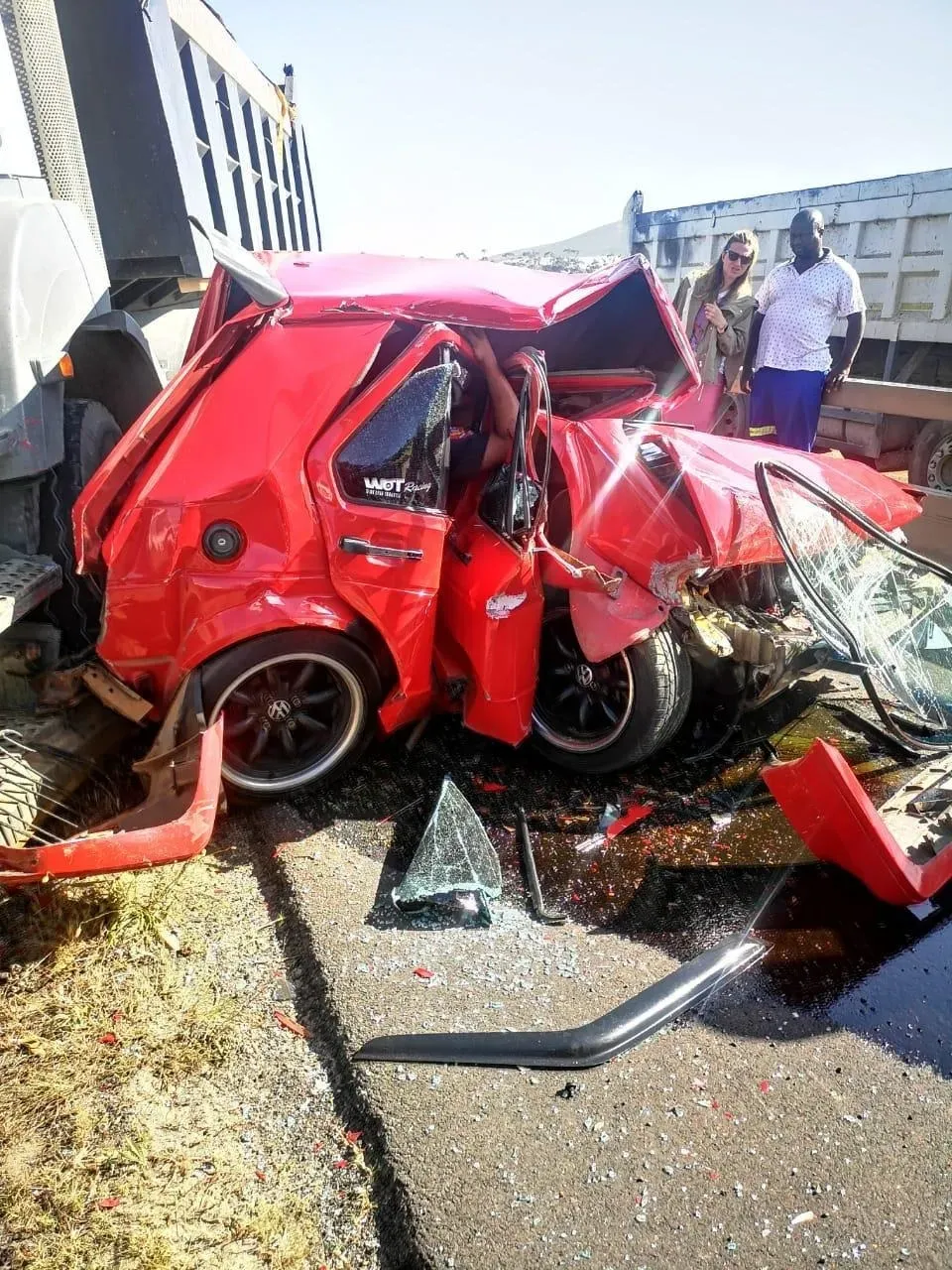
It helps to be specific about what speeding actually does to crash outcomes. Physics offers a clear picture: kinetic energy increases with the square of speed, meaning a crash at 30 mph releases four times the energy of one at 15 mph. The human body simply cannot survive forces at the upper end of that scale.
The CDC and federal transportation researchers have consistently found that higher speeds reduce driver reaction time, extend braking distance, and turn survivable crashes into fatal ones. A 5 mph speed reduction can cut fatal crash risk by roughly 20 to 30 percent, according to NHTSA data. That is a significant margin of safety from what seems like a small behavioral change.
Research from UNLV’s Traffic Safety Research Group found that over half of Nevada’s traffic citations were for speeding, and of those, roughly a third of drivers were traveling at 80 miles per hour or higher, well above the state’s maximum speed limit. On wide suburban arterials, drivers clearly feel they can push much further than the posted limit without consequence.
Enforcement Campaigns and the Push to Turn the Tide
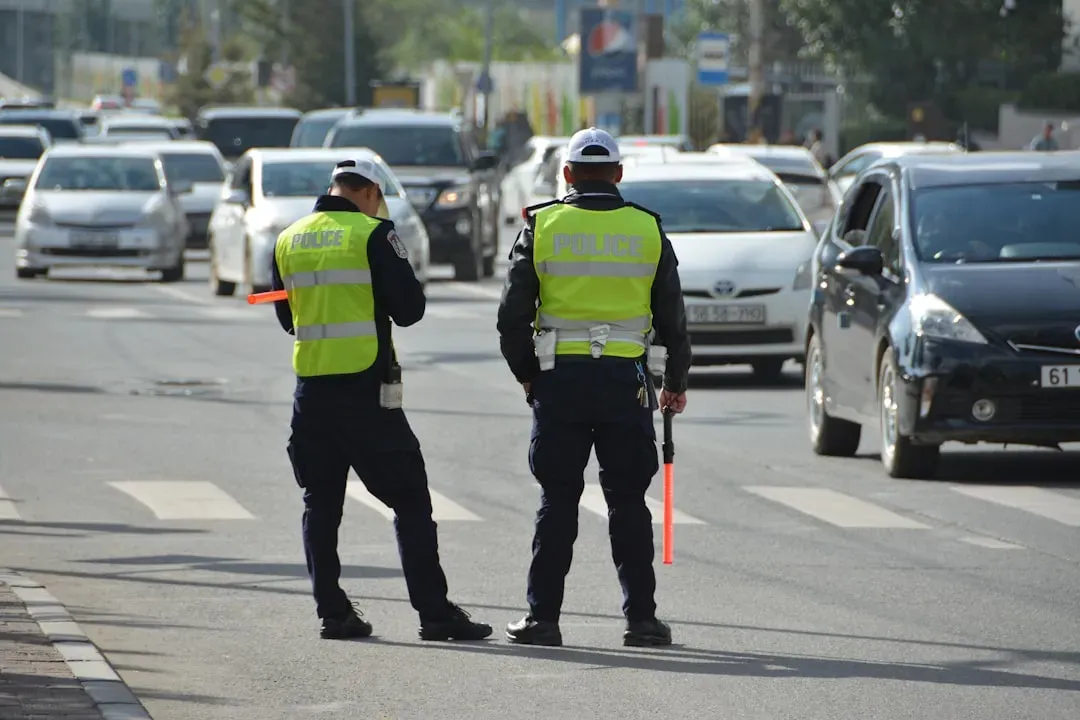
North Las Vegas and Nevada more broadly have escalated enforcement efforts in recent years, with some measurable results. The city received over $171,000 as part of the OTS Joining Forces Grant to fund participation in statewide traffic enforcement events focused on reducing fatalities, with funding directed toward speed enforcement, safety belt laws, and pedestrian safety through saturation patrols and checkpoints.
North Las Vegas Police also pointed to a national statistic in connection with their enforcement campaign: in 2023 alone, 11,775 lives were lost nationwide in speed-related crashes. Officers from the Traffic Division were deployed for enhanced enforcement targeting dangerous drivers who choose to ignore speed limits.
Data shows that fatal collisions in North Las Vegas dropped from 34 in 2024 to 19 in 2025, a reduction of roughly 44 percent, with the number of people killed falling from 35 to 21 over the same period. That drop is real and encouraging, though it follows years of rising numbers and reflects what sustained effort can produce when resources are properly deployed.
Legislation, Accountability, and the Road Ahead

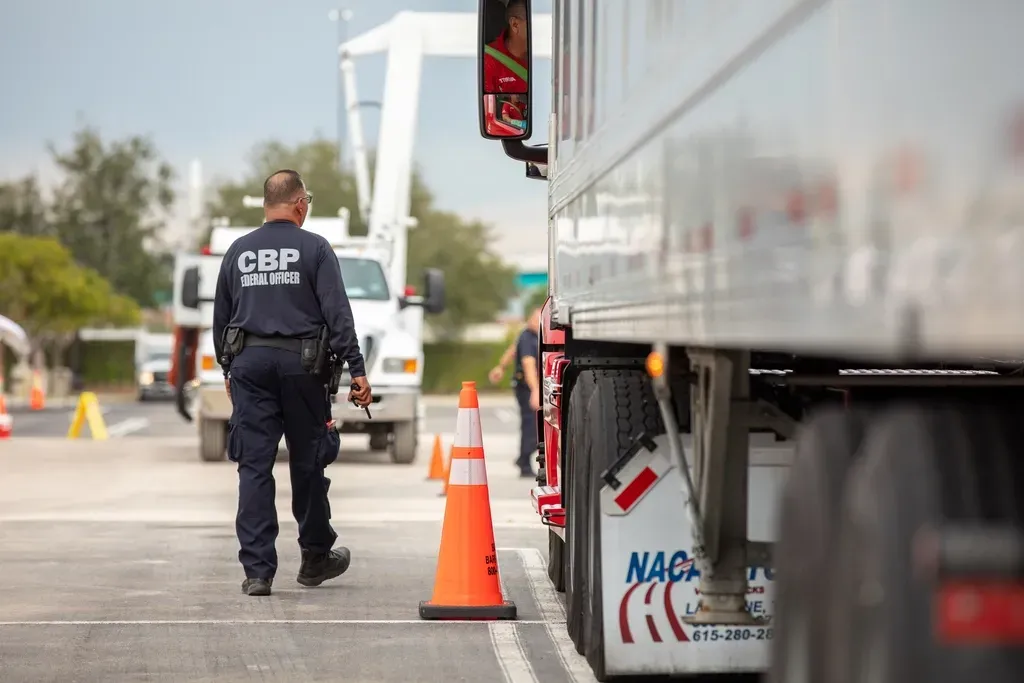
Nevada has moved to tighten the legal framework around reckless driving in recent years. Reckless driving has always been illegal in Nevada, but a newer law made trick driving a distinct criminal offense. Trick driving includes dangerous stunts, high-speed maneuvers, and reckless acts on public roads, and Assembly Bill 201 introduced stricter penalties specifically to combat illegal street racing and stunt driving.
In December, the Southern Nevada Traffic Task Force launched, bringing together multiple law enforcement agencies from across the region, including North Las Vegas. A coordinated regional approach, rather than isolated municipal responses, is exactly the kind of strategy that traffic safety research points to as most effective against persistent speeding hotspots.
In 2023, crashes cost Nevada an estimated $16 billion in economic and social impacts, and the Nevada Department of Public Safety’s Office of Traffic Safety has since awarded UNLV researchers a $650,000 grant to continue analyzing crash patterns and prevention strategies. The institutional momentum is building, even if the work is far from finished.
Conclusion: A City at a Crossroads

North Las Vegas faces a speeding problem that is partly a behavior issue, partly a design issue, and partly a growth issue. None of those three causes disappears on its own. The encouraging dip in fatalities during 2025 shows what focused enforcement can do. Still, sustained progress requires more than patrols.
Road design that physically discourages high-speed travel, community programs that shift the culture around aggressive driving, and continued investment in traffic safety research are all pieces of a longer-term solution. Even with messaging, education, and engineering from state and local officials, the key aspect to increasing safety ultimately comes down to choices made by each individual driver, and despite the belief that speeding gets you there faster, in traffic, data suggests otherwise.
Speed is not just a law enforcement problem. It is a community one. And in North Las Vegas, the cost of not addressing it shows up in crash reports, neighborhood complaints, and families that do not come home. The data is clear enough. The harder part is making sure the response matches it.