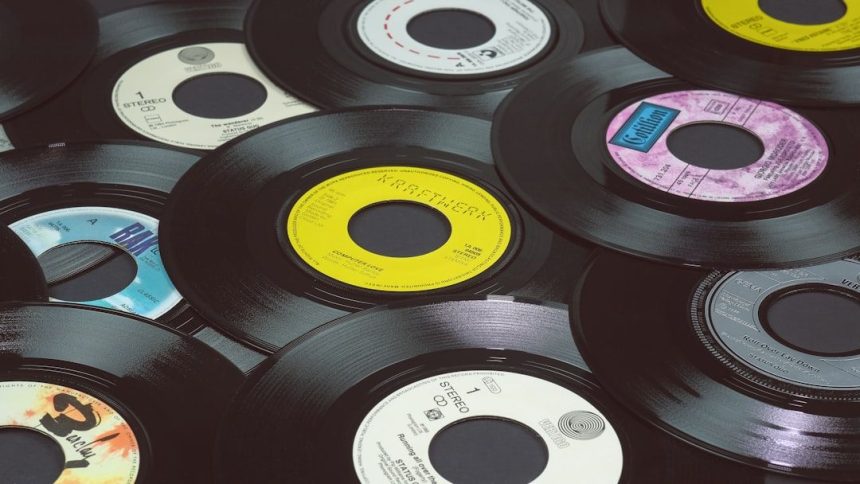
There is something quietly defiant about a vinyl record. In an age when music arrives instantly, invisibly, and in unlimited quantities through a phone in your pocket, millions of people are choosing to spend thirty or forty dollars on a twelve-inch disc of black polyvinyl chloride that requires a dedicated machine to play. The reasons, it turns out, are not simple, and they are not nostalgic in the way critics assumed they would be.
Sales of vinyl LP records faded quickly in the 1990s as CDs and cassettes gained popularity, leading the vinyl record industry to bottom out in 2006. What followed that low point is one of the more surprising comebacks in modern consumer culture, a story involving pandemic lockdowns, Gen Z aesthetics, supply chain breakdowns, and some of the biggest artists on the planet. Here is how it happened.
The Bottom and the Bounce: Where the Story Really Begins
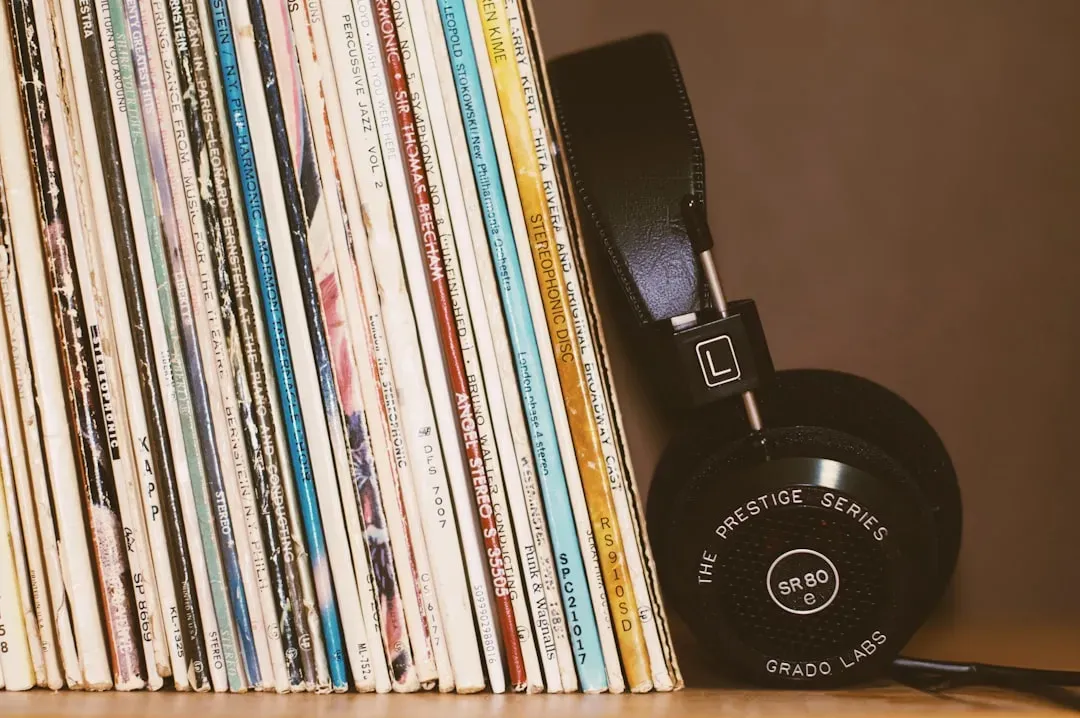
In 2006, only 1 million vinyl records were sold in the U.S., according to the RIAA. For comparison, more than 500 million CDs were sold in the U.S. that year. Pressing plants were closing, record store chains were going bankrupt, and there was genuine industry consensus that physical music formats were in terminal decline.
Starting in 2007, something remarkable happened: vinyl record sales started increasing year over year, a trend that still shows no signs of stopping. Defying the odds and surprising many in the music industry, including manufacturers, vinyl records are experiencing an unexpected renaissance in the digital age. Vinyl record sales were growing at a quick rate by the early 2010s, eventually reaching levels not seen since the late 1980s in some territories.
Record Store Day: A Single Saturday That Changed Everything
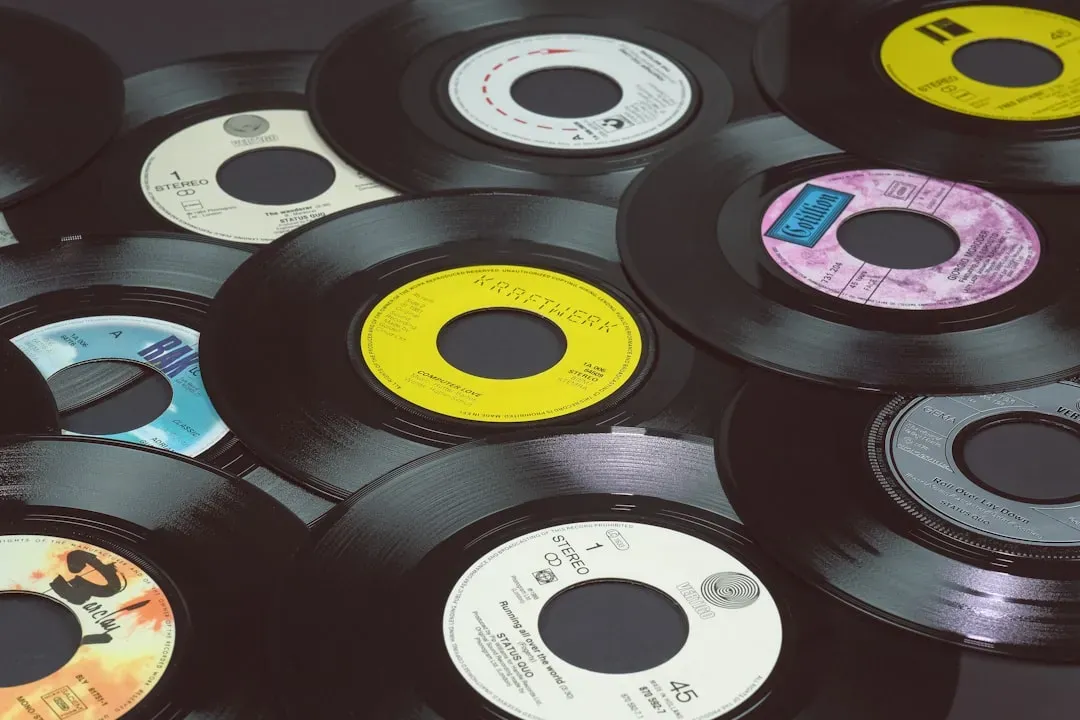
Record Store Day is a semi-annual event established in 2008 to celebrate the culture of the independently owned record store. The event launched in 2008, right at the bottom of vinyl’s decades-long decline. What happened next looked, on a graph, like someone flipped a switch.
Record Store Day was launched in 2008 to celebrate and promote the unique culture of independent record stores in the US. As part of the annual event, limited numbers of special vinyl and CD releases are made available exclusively at participating record stores. The event was so successful that it is likely the primary cause of the 147% increase in total US vinyl record sales that occurred that same year. Record Store Day 2024 resulted in the highest weekly vinyl sales in 30 years.
The Numbers That Made Believers Out of Skeptics
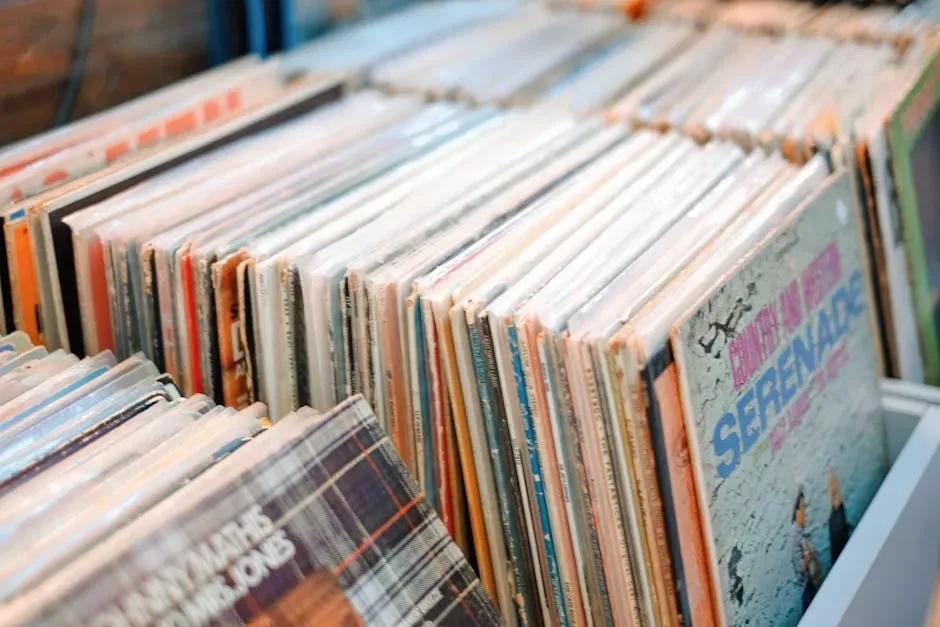
In 2024, the U.S. music industry sold 43.6 million vinyl records, the 18th consecutive year of growth. Vinyl posted its 18th straight year of growth, scoring nearly three-quarters of physical format revenue at $1.4 billion, its highest since 1984. These are not hobbyist numbers. These are industry-reshaping numbers.
The vinyl resurgence reached a new milestone in 2025 as the format reached $1 billion in U.S. revenue, according to the RIAA’s year-end report. Vinyl has had 19 years of consecutive growth in the U.S., selling nearly 47 million copies last year. Overall, vinyl sales grew about 9.3 percent year over year, with overall units sold rising from 43.4 million to 46.8 million. That’s a sharp contrast to other legacy listening formats like CDs and digital downloads, whose revenues dropped.
The Pandemic Effect: Lockdowns and Long Players
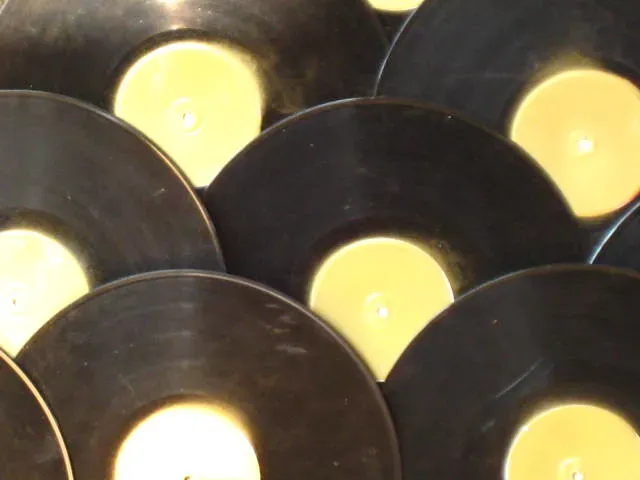
In 2021, vinyl records enjoyed a 68% increase in total sales volume and a 55% increase in total sales revenue over 2020 in the US, reaching $1 billion in sales for the first time since 1985. This jump was likely driven by an increased interest in record collecting that occurred during the COVID-19 pandemic as people looked for new ways to keep themselves busy at home during lockdowns and quarantines.
The major turning point was 2020 during pandemic lockdowns, when people sought meaningful music experiences at home. With live concerts cancelled and streaming fatigue setting in, a turntable became a genuinely attractive purchase. Music fans in COVID-19 lockdown spent their disposable income on turntables and vinyl instead of concert tickets, which makes the pandemic responsible for both the skyrocketing demand and the supply problems that followed.
Generation Z: The Unexpected Engine of the Revival

Generation Z, born between 1997 and 2012, is the first generation to grow up entirely in the digital age. They’ve never known a world without smartphones, social media or streaming services. So why is Gen Z buying vinyl records, a format that peaked decades before they were born? The answer is more layered than nostalgia alone.
Gen Z is increasingly aware of the ephemeral nature of digital media. With everything available instantly, music can feel disposable. Vinyl records offer a slower, more intentional way to engage with music. It’s a form of digital detox, allowing listeners to unplug and immerse themselves in an analog experience. Gen Z purchases roughly a quarter of all vinyl records because they value authenticity, collectibility, and the ritual of physical music consumption.
The Tactile Appeal: Why Holding It Matters
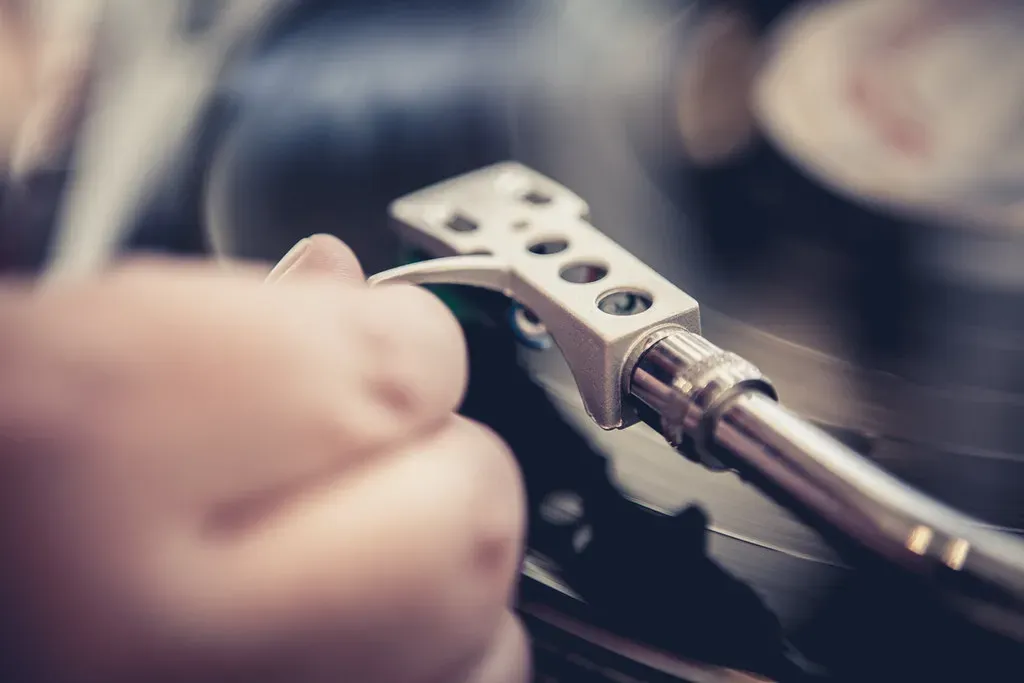
Beyond acoustic properties and claims to sonic superiority, what makes vinyl so important is its polysensorial character: not only what we hear from the encoded microgrooves through playback, but also how vinyl looks, feels and even smells. Unlike digital audio files, vinyl LP record albums offer a physical touchpoint. Handling large-format vinyl album packaging, decorated with beautiful artwork, is an experience that MP3 files cannot provide. Custom vinyl record sleeves are often covered with lyrics and backstories about the artist. Even the ritual of placing the needle on the record creates a sense of intimacy and engagement completely absent from music streaming.
Collecting vinyl is a hobby that combines the love of music with the joy of discovery. For many, digging through crates at a vinyl record store is as much about the hunt as it is about the find. Each record, with its history and artwork, tells a story. This collection goes beyond mere accumulation; it’s a form of curation, a way to chronicle personal and cultural histories through music.
Artists Who Took It Seriously: From Taylor Swift to Jack White
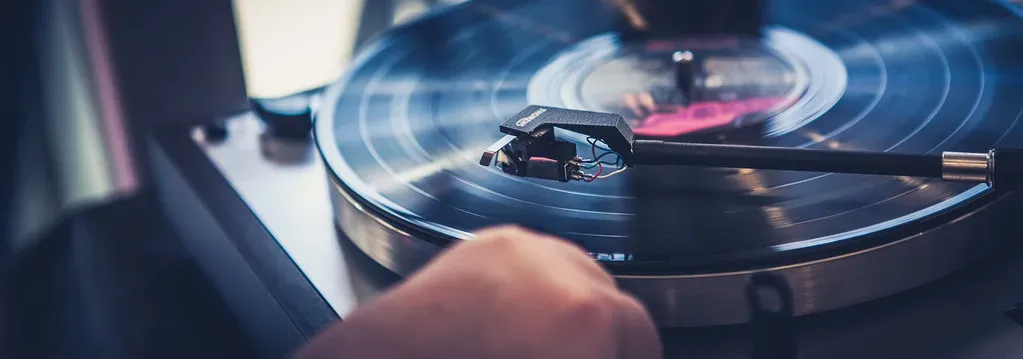
Taylor Swift’s The Tortured Poets Department is believed to have led the way in vinyl music sales in 2024 with more than 500,000 units of LP sales. Taylor Swift was responsible for 7% of all vinyl albums sold in the U.S. in 2023, selling 3.484 million vinyl records that year. Her involvement extended beyond her own releases, too.
Taylor Swift became Record Store Day’s first Global Ambassador in 2022 and gifted the event with stuff like the unreleased orchestral version of a track on a 7-inch, then gave RSD Folklore: The Long Pond Sessions in 2023, for their largest-ever pressing of 115,000 copies. Meanwhile, Jack White shared an open letter to the industry urging major record labels to invest in their own vinyl pressing plants. A year later, Metallica purchased a majority stake in a Virginia vinyl pressing plant.
Independent Record Stores: The Unlikely Backbone
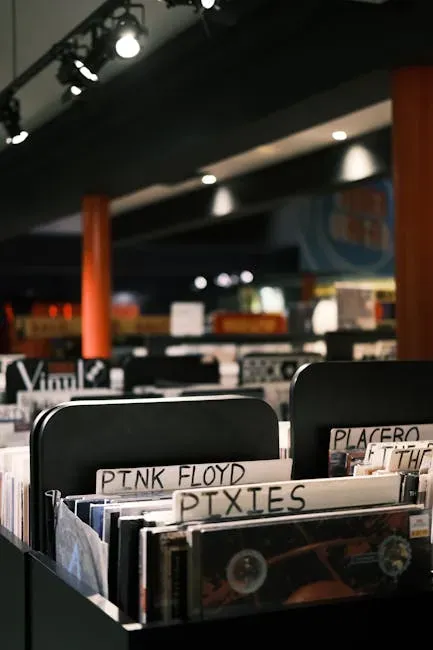
Since 2016, vinyl album sales have increased from 13.1 million to 49.6 million in 2023, a growth of nearly 300% over the last eight years. A significant part of that story belongs to the independent record store. Indie stores have accounted for 40% of all vinyl album sales and 29% of all physical sales, marking the largest strata when measuring where consumers have gone to purchase vinyl.
When looking at who attended Record Store Day, a third of all consumers who had purchased vinyl over the previous 12 months also went to an indie store on Record Store Day. Looking at the age breakdown, nearly half of those consumers were under the age of 35, more than a quarter were under 25, and 16% were between the ages of 13 and 17. The demographic picture is clear: the record store is not dying. It has a new generation walking through its door.
The Supply Chain Reality: More Demand Than the World Could Press
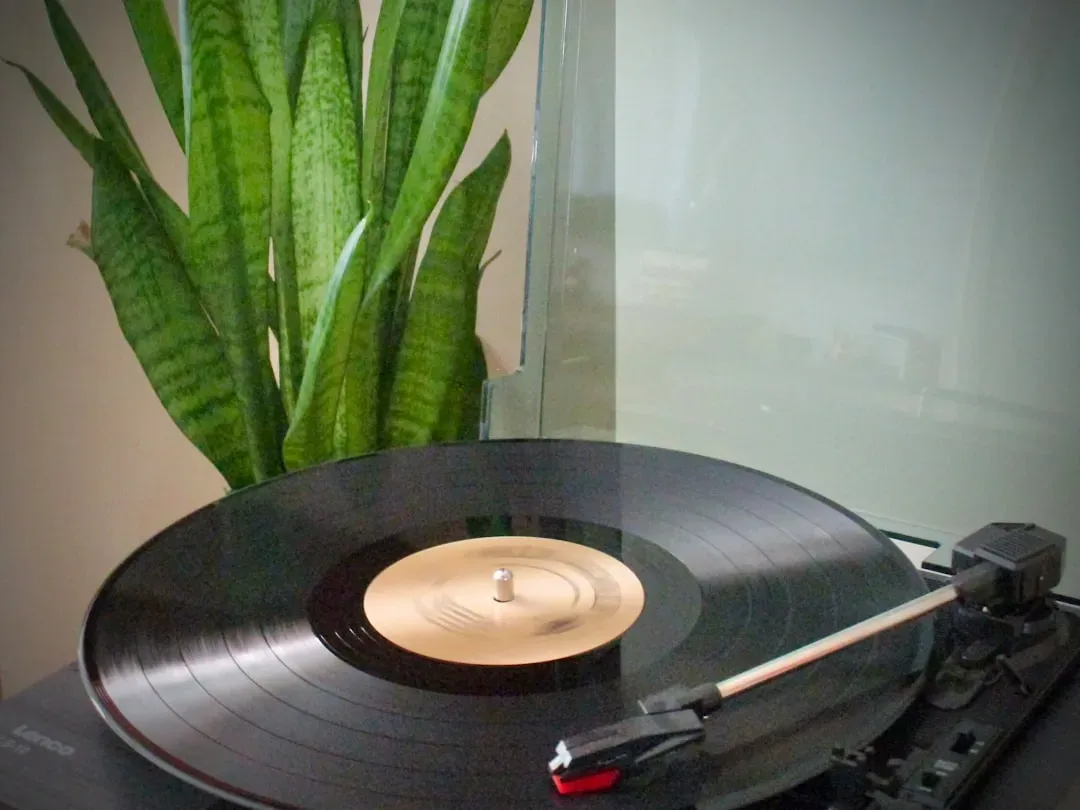
Only about 30 vinyl pressing plants operate in the United States as of 2025, creating significant supply constraints that contribute to high prices and long wait times. The situation was made dramatically worse during the pandemic. In February 2020, a fire destroyed Apollo Masters, the only plant in the U.S. that made lacquer discs, a crucial component in the record-making process. Then the pandemic caused a shortage in polyvinyl chloride. When everybody started renovating at home using vinyl flooring, pressing plants couldn’t get the PVC they needed to actually press records.
In 2021, lead times averaged 27 weeks for new vinyl albums compared to 6 weeks of lead time in 2019. The industry has been catching up since. United Record Pressing expanded Nashville capacity in 2025 by 20%, with colored variant capability up 26%. New record pressing plants have opened, helping to reduce the backlog of orders. Other plants have expanded. Progress is real, though the constraint has not disappeared entirely.
What the Global Market Tells Us About the Future
The global vinyl record market size reached USD 1.9 billion in 2024. Looking forward, the market is expected to reach USD 3.5 billion by 2033, exhibiting a growth rate of 6.8% during 2025 to 2033. The vinyl records market size is forecast to increase by USD 857.2 million, at a CAGR of 9.3% between 2024 and 2029. These are not projections built on hype; they are grounded in years of consistent, measured growth across multiple continents.
An experienced audio and video company invested in the creation of a new vinyl production plant in Guangzhou in 2015. Since then, the popularity of vinyl records in China has notably increased, leading to a Chinese equivalent of Record Store Day. Between 2007 and 2025, UK vinyl sales went from under 200,000 units to 7.6 million: a near-fortyfold increase across 18 consecutive years of growth. The revival was never just an American story.
Streaming and Vinyl: Not Enemies, Just Different
While vinyl’s growth reflects a continued interest from listeners to own tangible, physical copies of music and to support their favorite artists, it still remains a small piece of the overall pie in today’s music industry. Streaming remains the business’s dominant revenue driver, making up $9.47 billion of the $11.5 billion in overall recorded revenue of 2025. There is no tension between the two formats in practice.
Streaming platforms like Spotify and Apple Music often serve as gateways to vinyl records. Gen Z listeners discover new artists digitally, then seek out physical copies of their favorite albums. This hybrid consumption model blends convenience with collectability. Vinyl’s resurgence doesn’t come at the expense of digital music. Many vinyl enthusiasts also use streaming services, appreciating both the convenience of digital and the experience of vinyl. The two coexist, each serving a different version of the listening experience.
What the last two decades really prove is that the format people wrote off as obsolete turned out to have something irreplaceable at its core: the weight of a physical object, the ritual of playing it, and a listening experience that demands your full attention rather than just your earbuds. That, more than any marketing campaign or collector’s nostalgia, is what brought vinyl back.