
Some movies earn their reputation immediately, walking out of theaters into the cultural conversation before the weekend is over. Others take a stranger, slower road. They arrive to empty seats, baffled critics, and studio embarrassment – only to resurface years later as the films people actually remember. The three films in this piece followed that second path. They were dismissed, mismarketed, or simply released into a world that wasn’t ready for them. Over time, they became touchstones for whole generations of viewers who found something in them that no blockbuster could offer.
Fight Club: The Film That Almost Died in the Marketing Department
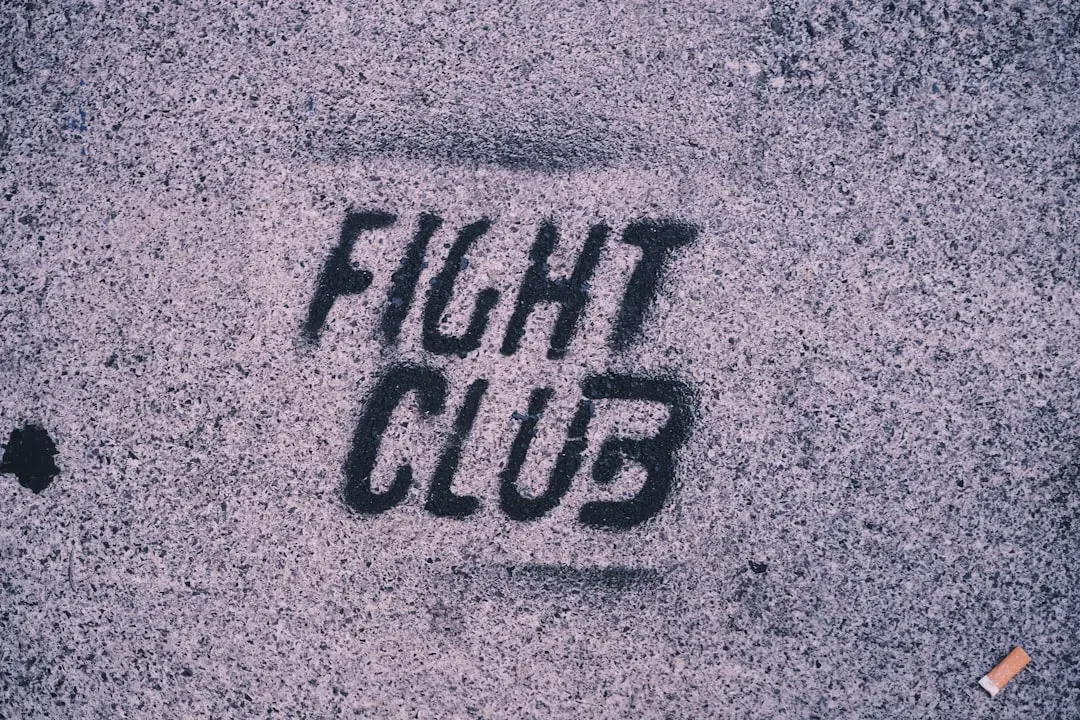
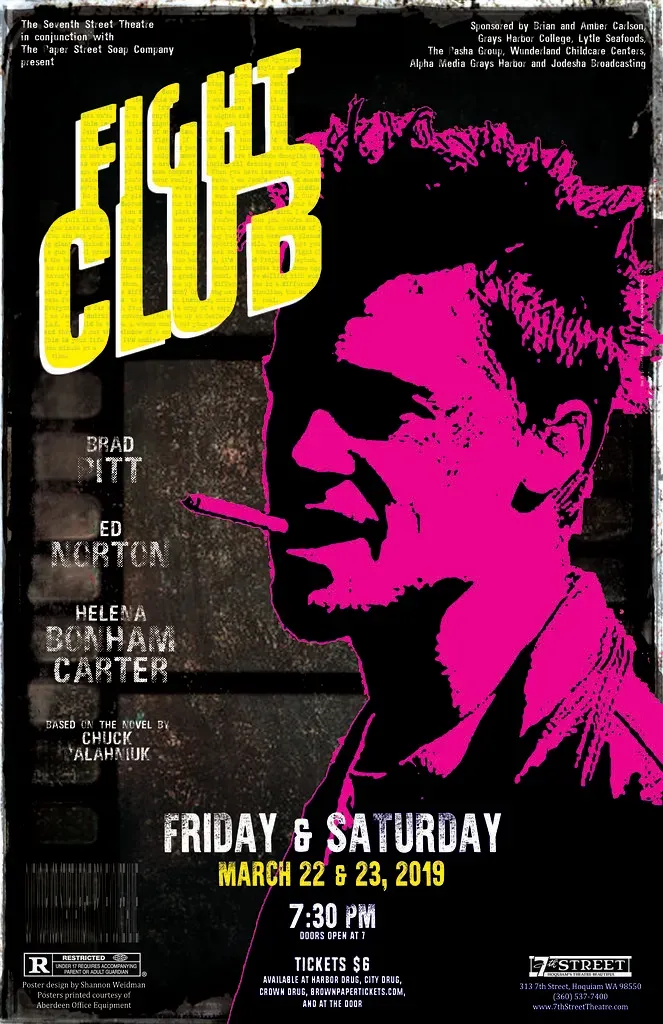
Fight Club premiered at the 56th Venice International Film Festival in September 1999 and was released in the United States on October 15 of that year. The film failed to meet the studio’s expectations at the box office and polarized critics. The trouble started long before opening weekend. David Fincher had a very specific vision for how the film should be marketed, but 20th Century Fox got cold feet after their initial viewing. The marketing was changed to something more mysterious and oblique, focusing on the action and surface-level dialogue rather than the real message of the film.
David Fincher’s adaptation of Chuck Palahniuk’s novel brought in only around $37 million domestically on a $63 million budget. The studio had struggled to explain what it actually was. Trailers and posters emphasized violence and anarchy without clarifying the film’s dark satire or psychological depth, attracting controversy and alienating mainstream audiences and some critics. It was, in the most literal sense, a film that audiences were set up to misunderstand.
What Fight Club Was Really Saying
A culture of advertising defines society’s external signifiers of happiness, causing an unnecessary chase for material goods that replaces the more essential pursuit of spiritual happiness. The film references consumer products such as Gucci, Calvin Klein and the Volkswagen New Beetle. That critique was sharp and intentional. The film’s examination of male identity crisis and that mind-blowing twist ending made it the defining movie for a generation of disaffected young men.
Like other 1999 films such as Magnolia, Being John Malkovich, and Three Kings, Fight Club was recognized as an innovator in cinematic form and style, exploiting new developments in filmmaking technology. In hindsight, 1999 was an extraordinary year for American cinema, and Fight Club was one of its most challenging offerings. Fight Club failed to meet the studio’s expectations at the box office and received polarized reactions from critics. It was cited as one of the most controversial and talked-about films of 1999.
How Fight Club Came Back Through the DVD Revolution
Fight Club later found commercial success with its home video release, establishing it as a cult classic and causing media to revisit the film. In 2009, on its tenth anniversary, The New York Times dubbed it the “defining cult movie of our time.” The shift from theaters to living rooms changed everything. As the film moved to home video and DVD, audiences began to revisit it on their own terms. Without the pressure of a festival crowd or opening weekend expectations, the film’s layered satire, dark humor, and critique of modern masculinity found a devoted audience.
The film sold more than 6 million copies on DVD and video within the first ten years, making it one of the largest-selling home media items in the studio’s history, in addition to grossing over $55 million in video and DVD rentals. That turnaround was remarkable. Fight Club won the 2000 Online Film Critics Society Award for Best DVD, Best DVD Commentary and Best DVD Special Features. Entertainment Weekly ranked the film’s two-disc edition in first place on its 2001 list of the 50 Essential DVDs.
The Big Lebowski: Critics Called It Infuriating. Fans Built a Religion Around It.

Upon its release in 1998, The Big Lebowski was a commercial disappointment, failing to capture the attention of the general audience. The expectations coming in didn’t help. Reviews were mixed and it performed poorly in the United States, taking just $17 million against a budget of $15 million. By contrast, its critically adored predecessor, Fargo, took $25 million at home on a $7 million budget on its way to over $60 million worldwide.
The film surely suffered from proximity to Titanic, which was still leaving everything in its wake at the box office, racking up over $95 million in that March alone when it also swept the Academy Awards with 11 Oscar wins. The timing was genuinely terrible. Audiences were expecting a taut suspense thriller about an everyman getting in over his head in the criminal underworld. Instead, they got a rambling stoner comedy about an avid bowler getting roped into an ultimately meaningless Chandleresque mystery plot.
The Dude Abides: A Cult That Became a Culture

The official trailer failed to capture the film’s comedic brilliance. It was all over the place, an incoherent mess that was hard to follow and made the movie look downright strange. Critics were equally unkind at the time. The Guardian’s review labeled the movie “infuriating” and described its script as “a bunch of ideas shoveled into a bag and allowed to spill out at random.”
Partner offer
In the years since its release, The Big Lebowski has emerged as one of Hollywood’s most famous cult classics. Since 2002, Lebowski Fest has been held annually throughout several cities in the United States. The film also inspired the formation of Dudeism, a religion and philosophy that has hundreds of thousands of followers worldwide. That kind of cultural afterlife is rare. Cult festivals, merchandise, and annual events such as Lebowski Fest have contributed to the continued admiration of the film, amplifying its influence on modern pop culture.
Donnie Darko: A Jet Engine, a Dead Rabbit, and the Worst Possible Timing

Because the film’s advertising featured a crashing plane and the September 11 attacks had occurred a month and a half before its release, it was scarcely advertised. This affected its box office performance and it grossed just $517,375 in its initial run. That number is striking against any measure of what the film eventually became. Following Drew Barrymore’s involvement, director Richard Kelly was able to hire several well-known actors, including Patrick Swayze, Mary McDonnell and Katharine Ross, and produce the film on a budget of $4.5 million.
Despite the film receiving considerable acclaim from critics, distributors felt daunted and were unsure of what could be done with it. With its genre-bending themes and complex plot, it was described as “inaccessible” and “not marketable.” Almost every distributor passed. Donnie Darko was subsequently described as being the first “flop” to be given a director’s cut.
Donnie Darko and the Midnight Movie Ritual

A critical success but a commercial failure when first released in 2001, Donnie Darko grew in popularity through word of mouth due to strong DVD sales and regular midnight screenings across the United States. That ground-level rediscovery was organic and slow. Its DVD became a best-seller on Amazon with sales reaching $10 million, and it was regularly shown at midnight screenings across the country. At Visions Bar Noir in Washington D.C., the film was screened for over a year, while at the Pioneer Theater in Manhattan’s East Village, the film played for 28 consecutive months in a series of midnight showings.
The film gained a cult following, and after reissues, went on to gross $7.5 million worldwide and earned more than $10 million in US home video sales. Its critical standing climbed alongside its popularity. It was listed at number two in Empire’s “50 Greatest Independent Films of All Time” and number 53 in Empire’s “500 Greatest Movies of All Time.”
Why These Three Films Were Always Ahead of Their Moment

Box office success has never been a reliable indicator of a movie’s quality, and several cult classics were once financial disasters. By definition, cult movies inspire obsession and devotion among their fan bases, even if they don’t have mainstream appeal. What unites Fight Club, The Big Lebowski, and Donnie Darko is that each of them offered something genuinely difficult to package. Cerebral narratives and unconventional structures often alienated casual viewers but later attracted niche audiences.
Authenticity is the common denominator. Whether it’s absurd comedy, bleak horror, or subversive satire, cult classics are defined by voices unwilling to sand down their edges for mass appeal. That refusal to smooth things out is precisely what made them last. The films survived because they offered something unique – something that couldn’t be replicated by safer, more market-friendly hits.
The Long Game: Legacy Over Opening Weekend
In the world of cinema, some films initially fail to make a splash only to become cherished classics over time. These movies, often labeled as cult classics, typically start as box office disappointments. However, they find their footing through a combination of dedicated fan bases and critical reevaluations. This transformation from flop to favorite is a fascinating journey, showcasing the unpredictable nature of audience tastes and the ever-evolving film industry.
Each of these three films is now studied in film schools, debated in online communities, and rewatched by people who discovered them years after their theatrical runs. Sometimes, failure is just the prologue to a much bigger cultural afterlife. The box office is a snapshot of a single moment in time. A film’s meaning is something else entirely – something that builds slowly, over years, through the people who keep coming back to it.
Partner offer
Planning a trip to Vegas?
Compare hotel rates and show tickets on VEGAS.com.