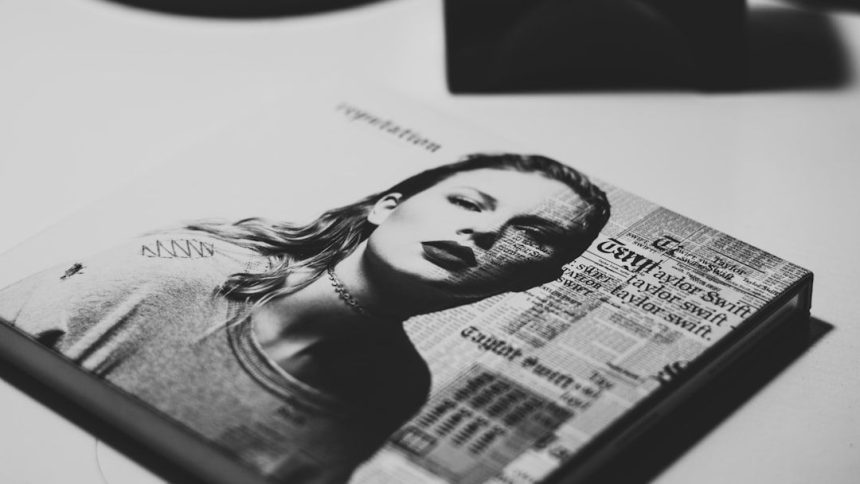
Genre loyalty runs deep in music. Fans build entire parts of their identity around an artist’s sound, and when that sound suddenly changes, the reaction can range from confused to outright betrayed. Some musicians play it safe their whole careers. Others decide, at some point, that staying in one lane isn’t actually living.
The five artists below each made a move that nobody – or almost nobody – saw coming. Some were celebrated for it, some were questioned, and one or two had to earn back the trust of longtime fans from scratch. What they all share is the willingness to leap before they knew exactly where they’d land.
1. Taylor Swift: From Country Storyteller to Global Pop Force
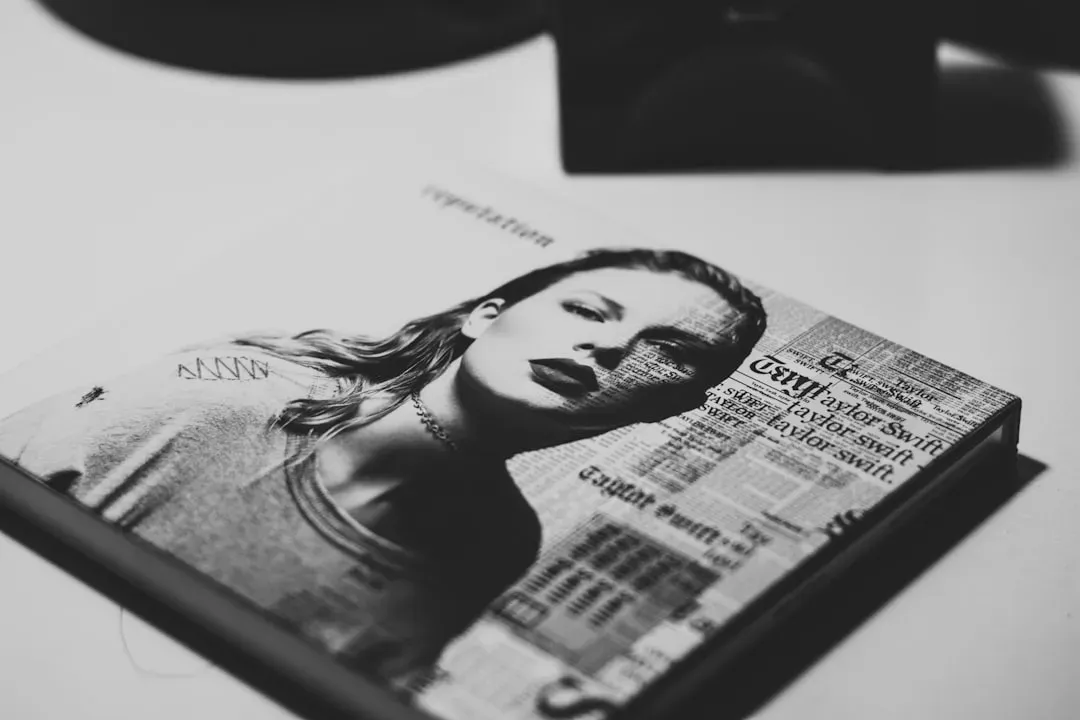
Few musicians have more successfully navigated a full genre crossover like Taylor Swift. Now a pop superstar, she started her career in her teens with songs such as “Tim McGraw” and “Teardrops on My Guitar.” Swift took several years and multiple albums to make her transition from country to pop. Her first two albums, Taylor Swift and Fearless, were solidly country, while her next two, Speak Now and Red, showed her moving to pop-country and country rock. With the release of her 2014 album 1989, it seemed Swift had fully transitioned away from country music while retaining and growing her success.
Many of Swift’s country fans initially wrote her off after her pop transition, complaining that her interest in the genre must have been a commercial gambit rather than an authentic love for the style. The lasting impact of her country music catalog eventually spoke for itself. She has won 14 Grammy Awards, including four for Album of the Year, the most ever won by any artist, and has become one of music’s most notable shapeshifters by refusing to limit herself to one genre, moving between country, pop, folk, and beyond.
2. Skrillex: From Screamo Frontman to EDM Titan

At the age of 16, Sonny Moore became the lead singer of the post-hardcore band From First to Last. That early experience in rock music would later influence his approach to electronic production, infusing his tracks with a raw energy and intensity rarely seen in EDM at the time. Sonny Moore transitioned to electronic music after leaving From First to Last in 2007 due to vocal cord surgery. The surgery that ended his rock career opened an entirely different door.
Skrillex launched his solo career around 2008 after leaving From First to Last, initially releasing free mixtapes that caught the underground electronic scene’s attention. His 2010 EP Scary Monsters and Nice Sprites exploded with hits like the title track and “Bangarang,” catapulting dubstep into mainstream consciousness. Moore has won nine Grammy Awards, the most of any electronic dance music act. The kid who used to scream into a microphone on Warped Tour ended up reshaping the entire landscape of modern electronic music.
3. Post Malone: Trap Star Goes Country
Malone began his musical career in 2011 and earned mainstream recognition with his 2015 cloud rap debut single “White Iverson.” The song led him to sign with Republic Records and served as the lead single for his debut studio album Stoney. Austin, his 2023 album, was a departure from the hip-hop and R&B-influenced sounds of its predecessors – a guitar-based pop, indie pop, and pop rock album, and his first project not to feature any guest appearances.
Malone achieved further number-one hits with guest appearances on Taylor Swift’s “Fortnight” and his first country pop song “I Had Some Help” with Morgan Wallen. The latter served as the lead single of his country sixth album, F-1 Trillion, which became his third number-one album on the Billboard 200. He earned the biggest Spotify streaming day of all time for a country song when he dropped “I Had Some Help” with Morgan Wallen, a collaboration that was later crowned Billboard’s official Song of the Summer, enjoying a six-week run atop the Hot 100. For an artist built on trap beats and face tattoos, the country pivot was a genuine shock – and it stuck.
4. Machine Gun Kelly: Rapper Turned Pop-Punk Revival Act
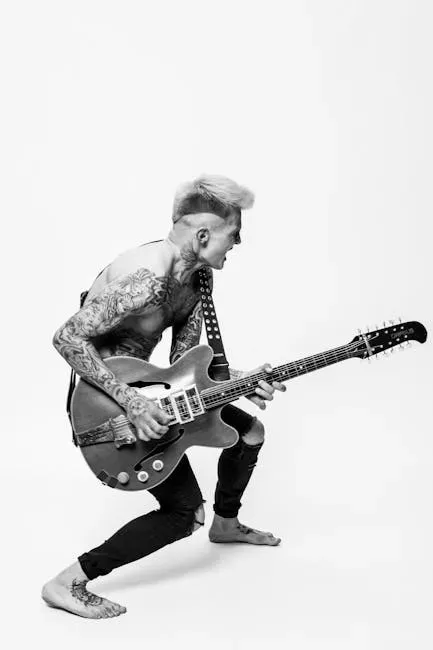
MGK built his career as a rapid-fire rapper, but his pivot to pop-punk with Tickets to My Downfall earned him a new fanbase and a number-one album. Trading rhymes for guitar riffs, he revived the early-2000s punk energy few saw coming. The switch felt authentic rather than calculated, with MGK channeling genuine angst and rebellion through power chords. Collaborating with Travis Barker gave the project credibility among punk purists.
Some longtime fans were bewildered, but a new generation of listeners embraced his angst-filled anthems. His pink guitars, rebellious attitude, and emotional lyrics made him a face of pop-punk’s revival. MGK’s genre leap wasn’t just a phase – it was a reinvention that fueled his biggest commercial success yet. His transformation proved that hip-hop artists could successfully cross over into rock without losing their edge or identity in the process. Whether you loved it or rolled your eyes, nobody saw that album coming.
5. Darius Rucker: Rock Frontman to Country Sensation
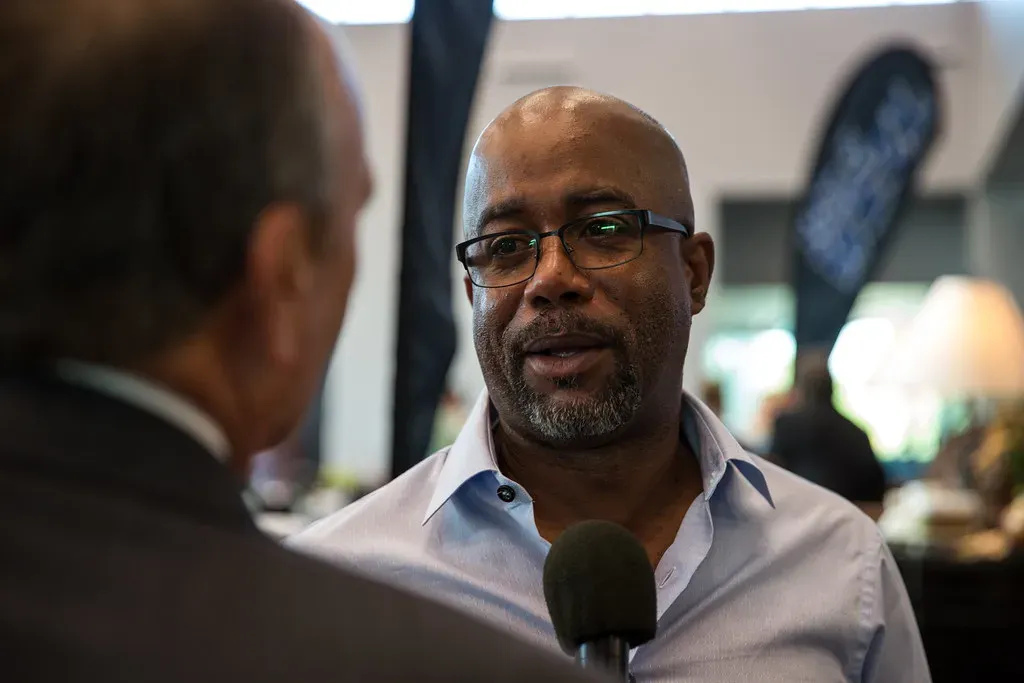
After years fronting the rock band Hootie and the Blowfish, Rucker shocked listeners by going solo as a country artist. His 2008 debut Learn to Live went platinum, proving his Southern storytelling fit right into Nashville. The genre switch seemed unlikely at first – rock fans mourned the loss of their beloved frontman. He became one of the few Black artists to achieve major country music success in recent decades.
Fans were astonished that Darius Rucker had an excellent voice for country music. The talented frontman won a Grammy for Best Country Solo Performance in 2013, adding to his 1995 Grammy for his first band, Hootie and the Blowfish – quite the transition. Few artists manage to build two distinct, successful careers in entirely different genres. Rucker didn’t just survive the switch. He made country music sound like it had always been his home.
Genre switches rarely go quietly. They tend to divide fanbases, dominate headlines, and, in the best cases, leave a permanent mark on the musical landscape. The artists here didn’t ask permission to change direction. They just changed. And in most cases, the music world caught up soon after.