For most of the twentieth century, American moviegoers picked a seat the same way they picked a spot on a park bench. They walked in and chose. If the lights had already gone down, they squinted and hoped.
That habit has been fading in many cinemas, one auditorium at a time. The change has been quieter than the move to digital projection or the arrival of recliners, but it has shaped how people plan a night out.
A Premium Idea Before It Was a Standard One

Reserved seating didn’t begin as a mass market feature. ArcLight Cinemas has been credited with pioneering assigned seating, reclining chairs, and in house bars and restaurants that other chains later adopted. Its seat map even had a small rule against leaving a lone empty seat between booked ones.
A 2013 Slate piece noted that ArcLight was a premium chain, with extra wide seats, no ads, and a higher than usual price tag. In other words, picking your seat was originally something you paid extra for.
Why American Theaters Resisted for So Long

Open seating had defenders inside the industry. In that same 2013 report, a National Association of Theatre Owners executive said some U.S. theaters that tried reserved seating saw a drop in attendance. The article also pointed out that open seating is simpler to administer.
There was a cultural angle too. The author suggested reserved seating may vaguely offend our sense of freedom, even though a buyer who plans ahead arguably has more control over where they sit.
Recliners Made the Case for Assigned Seats

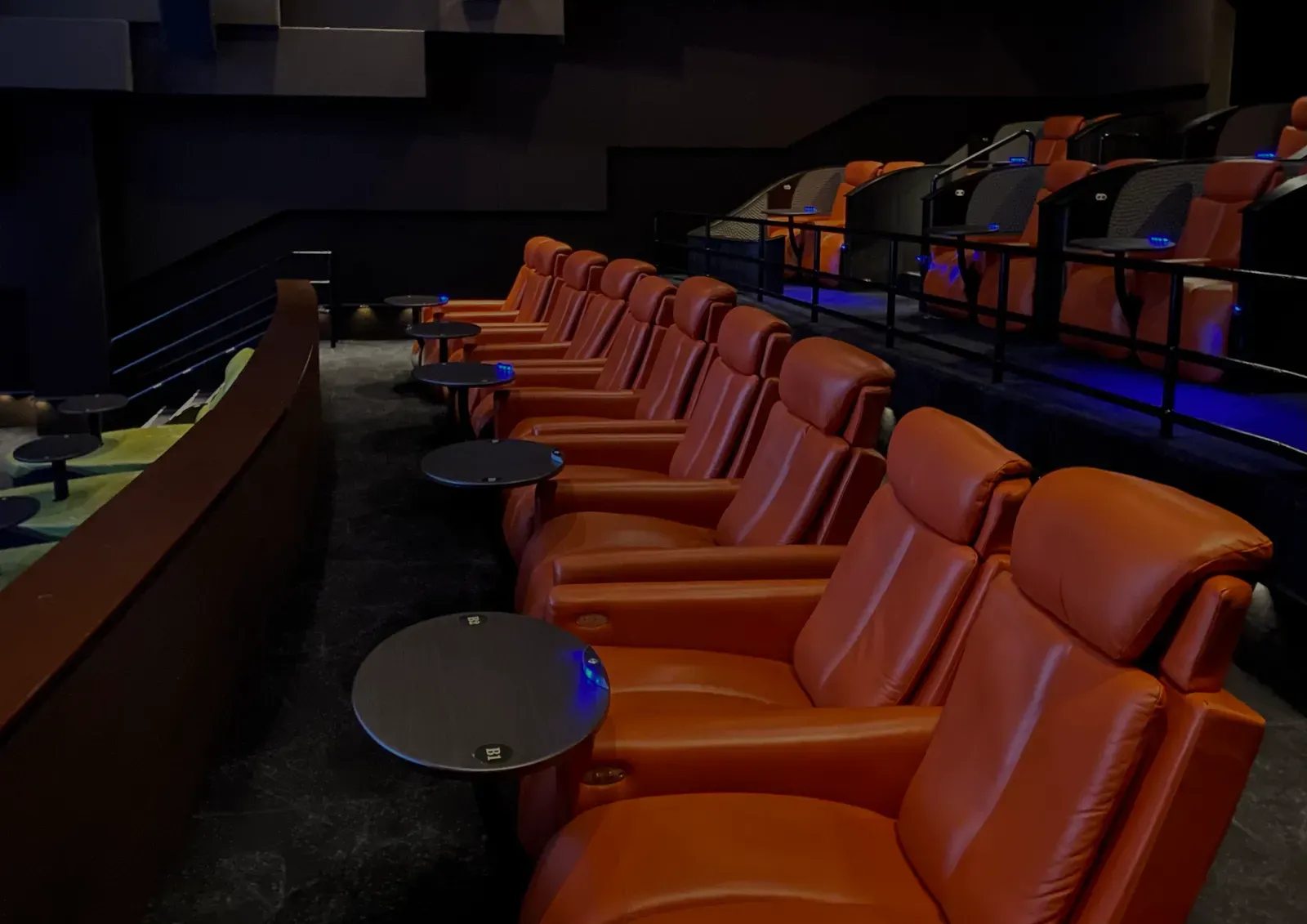
The turning point came with the big reclining chair. Once theaters ripped out hundreds of seats and installed fewer, larger ones, each seat became more valuable. Selling it by name made commercial sense.
In 2016, Deadline reported that AMC already offered reserved seating at 125 locations across the country, usually in venues with plush recliners that charge premium ticket prices. Seat choice and seat comfort arrived as a package.
Manhattan Became a Test Case

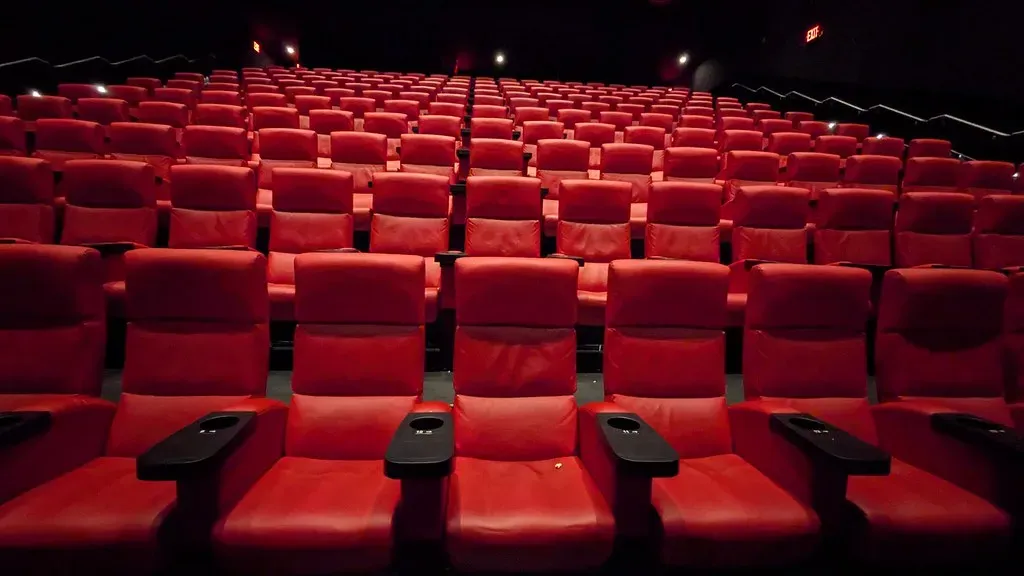
AMC picked its biggest city to push the idea further. Starting September 2, 2016, moviegoers could choose seats when buying tickets at AMC theaters in Manhattan, making it the first major market where nearly all AMC venues assigned seats.
The reasoning was practical. A trip to the movies in New York often means a subway or cab ride, and nobody wants to make that trip and find only front row seats left. Showing up early to claim a spot lost much of its point.
Partner offer

The End of Arriving an Hour Early

The most visible change for audiences was timing. With a seat guaranteed, the line outside the auditorium disappeared. People could arrive for trailers, or skip them, without worrying about losing the middle of row G.
There was a trade off, though. Early reserved seating adopters noted that spur of the moment visitors to a busy opening weekend showing might find the good seats gone, since the planners had already claimed them online.
Seat Maps Turned Tickets Into a Planning Task

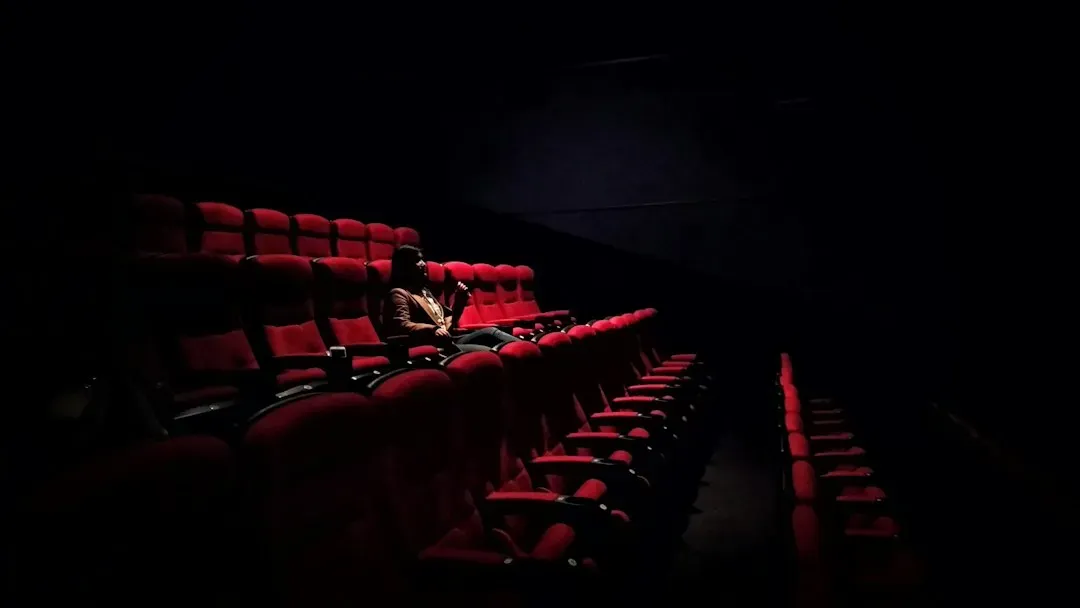
Buying a ticket now often means studying a seating chart. Groups have to find several adjacent seats, and couples can get split if they leave it too late. Some early complaints from moviegoers were about exactly that, especially when auditoriums were mostly empty yet still enforced assignments.
Chains have since adjusted. Canada’s Landmark Cinemas, for example, offers auditoriums with free reserved seating and leather recliners, while selected locations add a row of premium seats for an extra fee. The tiers show how seat selection can be both a convenience and a revenue lever.
Comfort Is Now Part of the Pitch

Reserved seating has become tied up with a broader argument that theaters must feel better than a couch. A 2025 survey by Octane Seating found 60% of people think comfortable seating is extremely or very important when deciding whether to go out or stay home. That’s roughly six in ten respondents.
Fandango’s spring 2025 study of about five thousand moviegoers pointed the same way. It found that 95% of moviegoers enjoyed their theatrical experience, a slight dip from the year before, and it credited comfortable seating among other factors. Neither study isolates assigned seats on their own, so the link remains an inference.
What the Attendance Numbers Do and Don’t Show
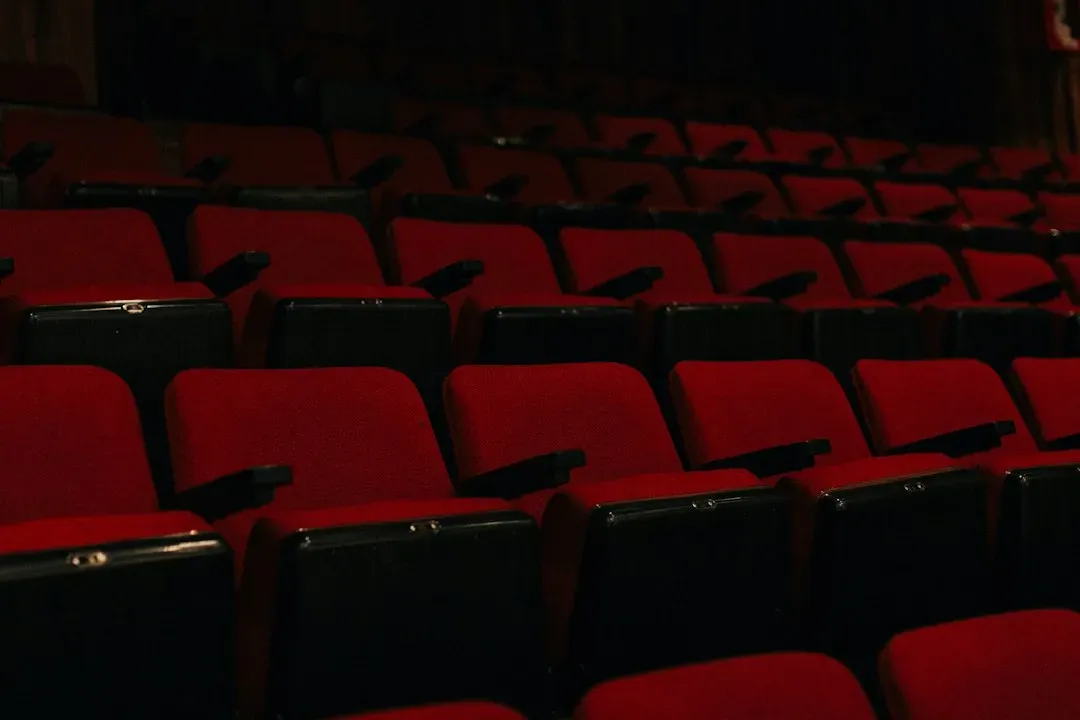
It would be tempting to claim reserved seating has saved the box office. The data doesn’t support that. Pew reported that moviegoers in the U.S. and Canada bought 769.2 million tickets in 2025, more than triple the 2020 volume but still under half of the 2002 volume.
Habits have shifted too. A Harvard Gazette report cited a survey showing the share of frequent moviegoers fell from 39 percent in 2019 to 17 percent in 2025. Seating policy is one small piece of a much larger picture, alongside prices, streaming and a thinner release calendar.
Where Things Stand Now

Reserved seating has moved from a luxury feature at a handful of premium chains to a common option at major theater circuits. It tends to appear first where recliners, higher prices and dine in service already exist.
Open seating hasn’t vanished. Many theaters still mix the two, and the specific rules vary by chain, location and auditorium, so checking the ticketing page before you go remains the surest way to know.
Partner offer
Planning a trip to Vegas?
Compare hotel rates and show tickets on VEGAS.com.