Pop in an audiobook with a large cast and something strange happens within the first chapter. A gruff old sailor, a nervous teenager, a queen with a clipped accent, they all somehow sound like different people, even though it’s one person sitting in a booth reading every line. That illusion doesn’t happen by accident. It takes a mix of vocal training, memory tricks, and a surprising amount of paperwork that most listeners never think about. The audiobook business has grown into something much bigger than a niche hobby for commuters. Audiobook industry sales revenue grew 9% in 2025, hitting $2.43 billion, according to the Audio Publishers Association’s annual sales survey. With that much demand, the pressure on narrators to juggle complicated casts convincingly has only gone up.
Building a character bible before recording starts

Long before a narrator sits down at the microphone, most of them read the entire book once just to map out who’s who. This isn’t casual reading. It’s closer to homework, with notes scribbled in margins about age, region, temperament, and how a character might physically hold their body while speaking.
Some narrators keep a literal document, often called a character bible, listing every speaking role along with quick notes on pitch, pace, and personality quirks. Character differentiation means creating distinct voices for each character, and recording the character’s voice and features in a voice note or recording you can always go back to. Without that reference sheet, a character introduced in chapter two might sound completely different by chapter twenty.
Recording voice memos for every speaking role

One of the most common techniques in the industry involves capturing a short audio sample the moment a new character is created in the narrator’s head. This isn’t fancy studio work, just a quick voice memo on a phone or a marker in the recording software.
While reading the book, the narrator records a little voice memo and labels it as that character, adding a bit more to the voice memo as more information comes up. By the final chapter, that memo has become a small archive the narrator can replay before a scene to snap back into the right voice instantly.
Using vocal markers to stay consistent across chapters
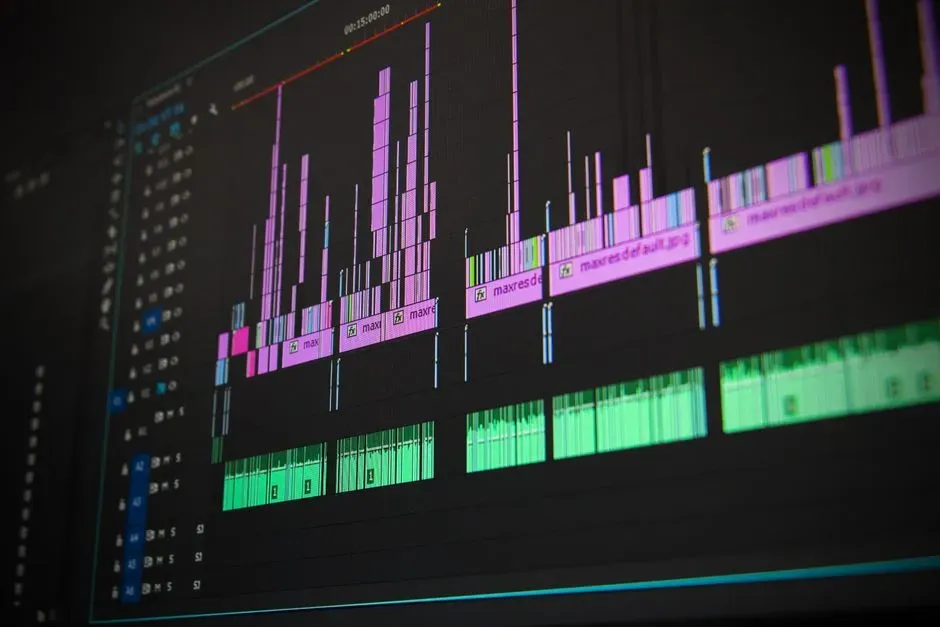
Consistency is the quiet challenge nobody talks about enough. A narrator might record a character’s dialogue on a Monday and not return to that same character for another two weeks, depending on the production schedule.
To solve this, narrators often place digital markers directly in the audio file whenever a character speaks for the first time. Any time a character speaks for the first time while recording, the narrator leaves a marker labeled with the character’s name, so the next time they speak, they can click back to that marker and stay consistent. It’s a simple system, but it prevents the slow vocal drift that can happen over hours of recording.
Relying on pitch, pace, and rhythm instead of pure impressions
Contrary to what some listeners assume, narrators aren’t doing dozens of cartoonish impressions. Most professionals lean on subtler shifts, adjusting where a voice sits in their natural range, how quickly a character talks, and the rhythm of their sentences.
For major characters, narrators choose differences listeners can hear quickly, such as a different vocal range, energy, pace, or speaking rhythm. These smaller, more sustainable choices protect the narrator’s voice over long recording sessions and keep every character sounding human rather than exaggerated.
Keeping the narrator’s own voice separate from dialogue

A skill that rarely gets discussed outside the industry is the ability to keep the narrating voice, the one reading descriptions and “he said, she said” tags, distinct from every character voice. If the two blur together, listeners lose track of who is actually speaking versus who is just being described.
Narrators’ voices must match their given character descriptions, and this skill requires no spillover or bleeding between narrator and character. Getting this separation right is part of what distinguishes a seasoned narrator from someone just starting out in the field.
Limiting the cast to a manageable number of distinct voices

It might seem like more distinction between characters is always better, but professionals know there’s a ceiling. Too many wildly different voices can confuse listeners just as much as too few, especially in books with sprawling casts of twenty or thirty speaking roles.
Too many sharply different voices can be as confusing as too few, so a typical audiobook aims for four to eight clear dialogue voices plus the narrator. For characters with only a line or two, narrators often use a lighter touch rather than inventing a fully separate voice from scratch.
Partner offer
Studying accents and dialects with real research

When a book calls for a character from a specific region or country, narrators can’t just guess at an accent and hope it lands. Many spend hours listening to recordings of native speakers, working with dialect coaches, or reviewing pronunciation guides provided by the publisher.
This groundwork matters because a poorly executed accent can pull a listener out of the story entirely, sometimes drawing criticism in reviews. Getting it right, meanwhile, adds authenticity without turning into caricature, which remains one of the trickier balances in the craft.
Managing breath control and vocal stamina across long sessions

Giving dozens of characters distinct voices isn’t just a mental exercise, it’s physically demanding. Shifting pitch and register repeatedly over a multi-hour session puts real strain on the vocal cords, which is why breath control gets treated as seriously as any acting technique.
Key vocal techniques to master include breath control to avoid gasping or running out of air, tone to convey different emotions, inflection to vary pitch and rhythm, and pacing to keep the story flowing. Narrators who skip this training often find their voices fatiguing halfway through a long book, making later characters sound flatter than earlier ones.
Auditioning character voices against real dialogue before recording
Professional narrators rarely commit to a voice choice on instinct alone. Instead, many test candidate voices against actual lines from the manuscript, particularly scenes where a character interacts directly with the narrator’s own voice.
This means auditioning a few candidates with actual lines from the book, especially a conversation where the character appears alongside the narrator. This step catches problems early, before hours of recording have already locked in a voice that turns out to clash with another character in the scene.
Treating the audience’s imagination as a partner, not a rival
There’s a practical limit built into this whole craft that experienced narrators openly acknowledge. A single performer, however skilled, is still one person with one set of vocal cords working through an entire cast.
At the end of the day, an audiobook narrator is just one person with one voice, and everyone listening to the book knows that. The goal isn’t to trick anyone into forgetting that fact, but to give listeners enough distinct cues, in tone, pace, and rhythm, that their own imagination fills in the rest convincingly.
Where technology fits into the picture right now

Synthetic voice tools have made real technical progress recently, and some publishers now use them for select titles. Even so, listener appetite for AI narration remains limited so far.
AI-narrated audiobooks represented just 0.03% of sales in 2025, and willingness to try AI-narrated titles actually dropped from 70% in 2025 to 61% in 2026, with only 16% of listeners reporting they’d tried one. For now, the layered, character-by-character work described above remains firmly a human craft, and the numbers suggest most listeners still prefer it that way.
The craft behind the illusion

Partner offer
Planning a trip to Vegas?
Compare hotel rates and show tickets on VEGAS.com.