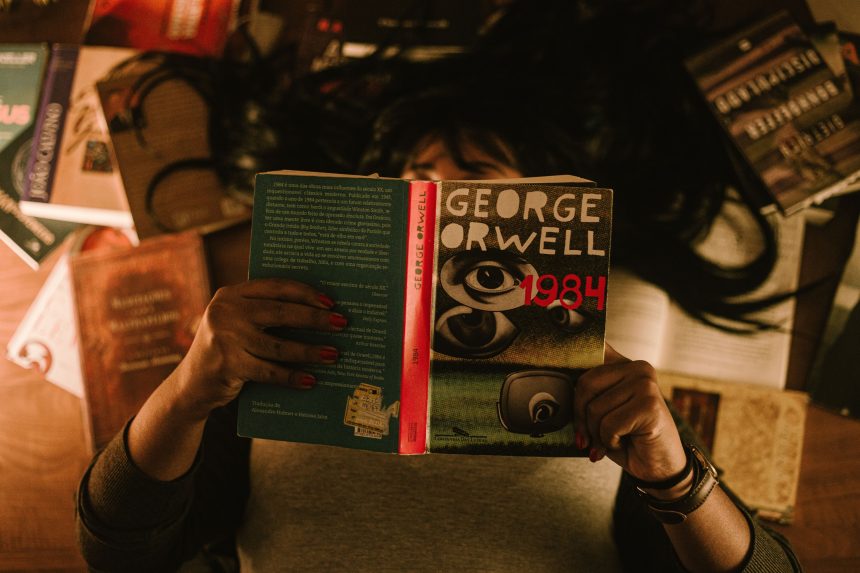
Most readers own at least one famous novel they never got through. It sits on a shelf with a bookmark stuck somewhere around page eighty, quietly waiting.
The seven books below turn up again and again on lists of essential reading. Some are long, some are strange, and a few are shorter than their reputations suggest. Count honestly as you go.
Pride and Prejudice by Jane Austen
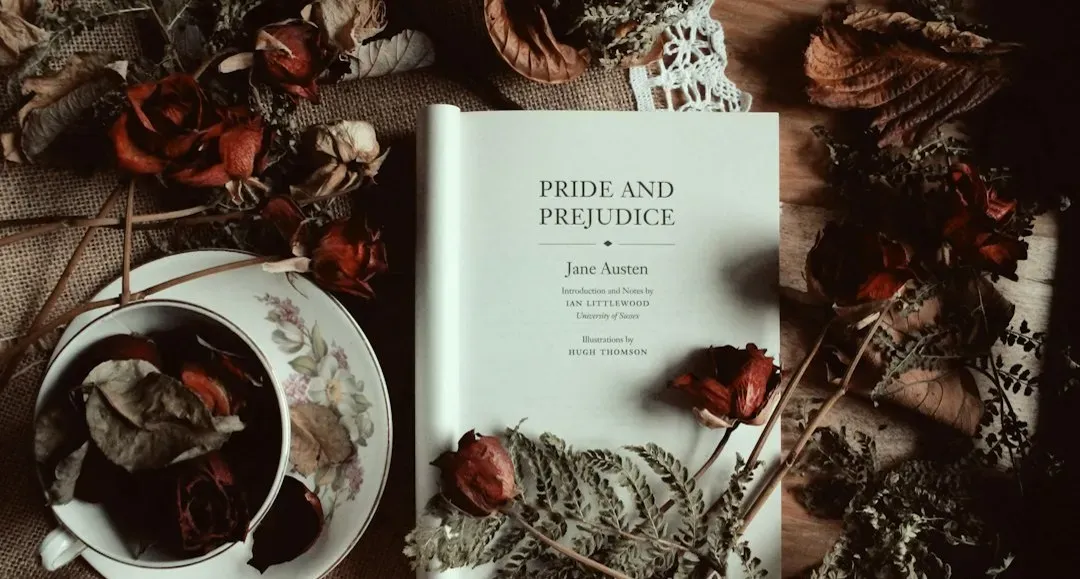
Published in 1813, this is probably the easiest book here to finish. It follows Elizabeth Bennet and Mr. Darcy through a tangle of first impressions, family embarrassments, and social rules about marriage and money. The plot moves along briskly, and the dialogue is sharper than many people expect.
Its reputation as a polite romance can hide how funny it is. Austen spends as much time mocking vanity and snobbery as she does on courtship. If you only know the film versions, the original is worth a proper read.
Moby Dick by Herman Melville

Melville’s novel came out in 1851 and has 135 chapters. Captain Ahab’s hunt for the white whale is the spine of the story, though it’s interrupted by long stretches on whaling, ships, and the oceans themselves. Those detours are exactly where many first time readers give up.
The book sold poorly when it appeared and only rose to its current status decades later. Readers who finish it often say the digressions are what make it feel so large. Skimming the technical chapters is a perfectly sensible strategy.
1984 by George Orwell
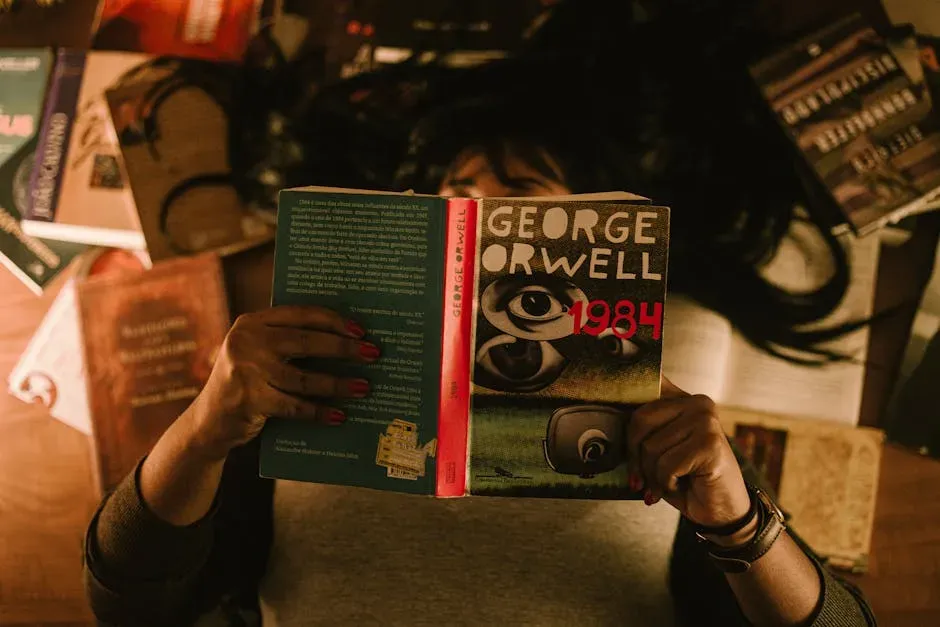
Orwell published it in 1949, and it imagines a Britain ruled by the Party and the watching figure of Big Brother. Winston Smith works rewriting records, and his small acts of private rebellion drive the story. Terms from the book, such as Newspeak and doublethink, still show up in everyday arguments.
It’s short enough to finish in a few evenings. Many people think they’ve read it because its vocabulary is so familiar. The actual novel is bleaker and more personal than the slogans suggest.
Ulysses by James Joyce
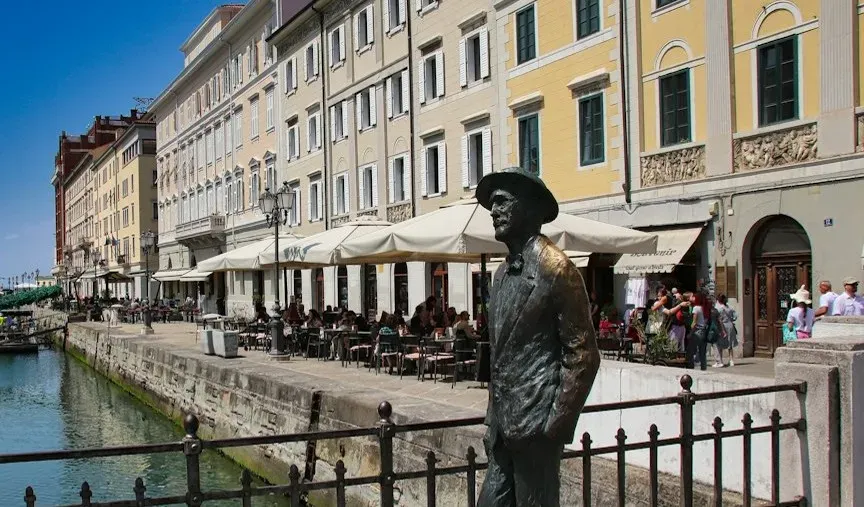
Ulysses was published in Paris in 1922 by Sylvia Beach of the bookshop Shakespeare and Company. The whole story takes place on a single day, June 16, 1904, in Dublin, following Leopold Bloom and Stephen Dedalus. Fans mark that date each year as Bloomsday.
It’s widely regarded as one of the hardest novels in English. Joyce changes style from chapter to chapter, and the stream of consciousness passages can feel disorienting. Many readers do better with a companion guide or a reading group.
War and Peace by Leo Tolstoy
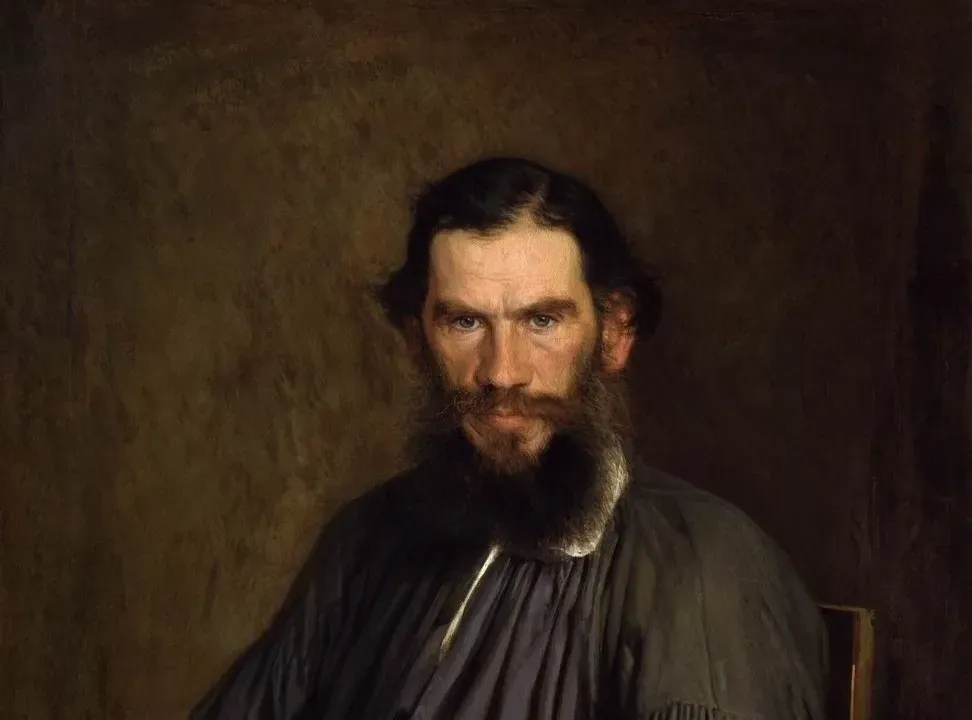
Tolstoy’s epic appeared in the 1860s, and it follows several aristocratic families during the Napoleonic wars, including the French invasion of Russia in 1812. Depending on the edition, it runs to well over a thousand pages. The cast is huge, but a handful of characters, like Pierre, Natasha, and Prince Andrei, anchor the story.
Its length is the main barrier, not its difficulty. The personal storylines are surprisingly readable, and the historical essays can be taken slowly. Reading a few chapters a day works better than trying to power through.
Don Quixote by Miguel de Cervantes

The first part was published in 1605 and the second in 1615. It tells of a man who reads so many chivalric romances that he sets out as a knight, with the practical Sancho Panza beside him. Many scholars regard it as a founding work of the modern novel.
People often know the windmill scene and little else. The book is much funnier and more self aware than that image suggests, since the characters in the second part have read the first. Its sheer length and episodic shape make it easy to put down and hard to complete.
One Hundred Years of Solitude by Gabriel García Márquez

This 1967 novel traces seven generations of the Buendía family in the fictional town of Macondo. Names repeat across generations, so a family tree is a real help. The story blends ordinary life with the miraculous in a way that became linked to Latin American magical realism.
García Márquez won the Nobel Prize in Literature in 1982. The novel is moderate in length, but the repeating names trip up many readers. Once the rhythm clicks, it tends to pull you forward.
Where Your Count Lands

If you’ve finished all seven, you’ve covered more than two centuries of fiction across several languages. If the number is lower, you’re in very large company, since most of these books are famous for being started more often than completed.
Pick the one that sounded most inviting and read it next. Austen and Orwell are the quickest places to begin.