In the 1940s, an actor under contract at a major Hollywood studio didn’t simply take jobs. The studio chose the roles, the name on the poster, the hairstyle, and often the people an actor was seen with in public. The arrangement had been built over the previous two decades, and by the war years it was at its most efficient.
Behind the glamour sat a business model that treated performers as long-term assets. Understanding how it worked helps explain why a handful of court cases and one famous legal ruling changed Hollywood so deeply. The details are often more mechanical than mythic.
The Seven Year Contract

The standard studio contract ran for seven years, and the studio held the options. Typically, the studio could renew or drop an actor at set intervals, usually every six months or every year, while the performer had no matching right to leave. A star on the rise could be locked into an early salary even after becoming a box office draw.
Salary increases were scheduled in advance rather than negotiated based on success. That meant a breakout hit might bring public fame but not much more money right away. The structure favored the studio in almost every scenario.
Five Studios at the Top

The system was dominated by the so-called Big Five: MGM, Paramount, Warner Bros., 20th Century Fox, and RKO. These companies didn’t just make films. They owned the theaters that showed them, which guaranteed a market for whatever the studio produced.
That vertical integration is what made contract players so valuable. A studio could cast an actor in a steady stream of pictures and know they’d be screened in its own cinemas. The U.S. Supreme Court ended the theater ownership model in the 1948 Paramount decision.
Roles Assigned, Not Chosen

Actors generally had little say over which scripts they were handed. Studio executives matched performers to projects based on schedules and perceived type. Turning down a part could bring a suspension, which stopped pay and, crucially, extended the contract.
That suspension rule was a powerful tool. Time lost during a suspension could be added to the end of the seven years, so refusing a role could mean serving longer. Many actors learned to complain quietly and comply.
Manufactured Names and Images

Studios routinely reshaped how an actor looked and what they were called. Name changes were common, with performers given new stage names that executives thought fit better on a marquee. Hair color, teeth, and weight could all be adjusted to fit a studio’s idea of a leading man or woman.
Publicity departments then built a public story around the new persona. Biographies were written, sometimes with invented details, and fan magazines were fed carefully selected items. The person seen by audiences was partly a studio creation.
Partner offer
Morals Clauses and Private Life

Contracts commonly included morals clauses, which allowed the studio to suspend or terminate an actor for behavior that might embarrass the company. In practice this gave executives a way to police dating, marriage, and drinking. Studio fixers and publicists were often tasked with keeping scandals out of the press.
The Production Code, enforced by the industry’s own office, shaped what appeared on screen. Off screen, the morals clause did similar work, nudging actors toward an acceptable public image. It wasn’t always about morality, though. It was about protecting a studio’s investment.
Loan Outs and Borrowed Stars

Studios could lend contracted actors to rival companies for a fee. The studio kept most of that payment, and the actor typically received only their regular salary. A popular performer could therefore earn the studio a good deal more than they earned themselves.
Loan outs could also work as a form of discipline. An actor seen as difficult might be sent to a weaker production, or one with a tough shooting schedule. The practice showed how fully the studio controlled where an actor’s labor went.
Work Schedules and Studio Doctors
Production schedules were demanding, and performers often moved from one film straight into another with little rest. Studios employed their own staff to manage health, and actors sometimes relied on studio provided medical help. Historians have documented that some performers were given stimulants and sedatives to keep up with early calls and long days.
Judy Garland is among the best known cases, and her later accounts of her MGM years describe this pattern. It’s worth remembering that individual experiences varied from studio to studio. Still, the pressure to keep working was a common thread.
Olivia de Havilland Challenges the Rules
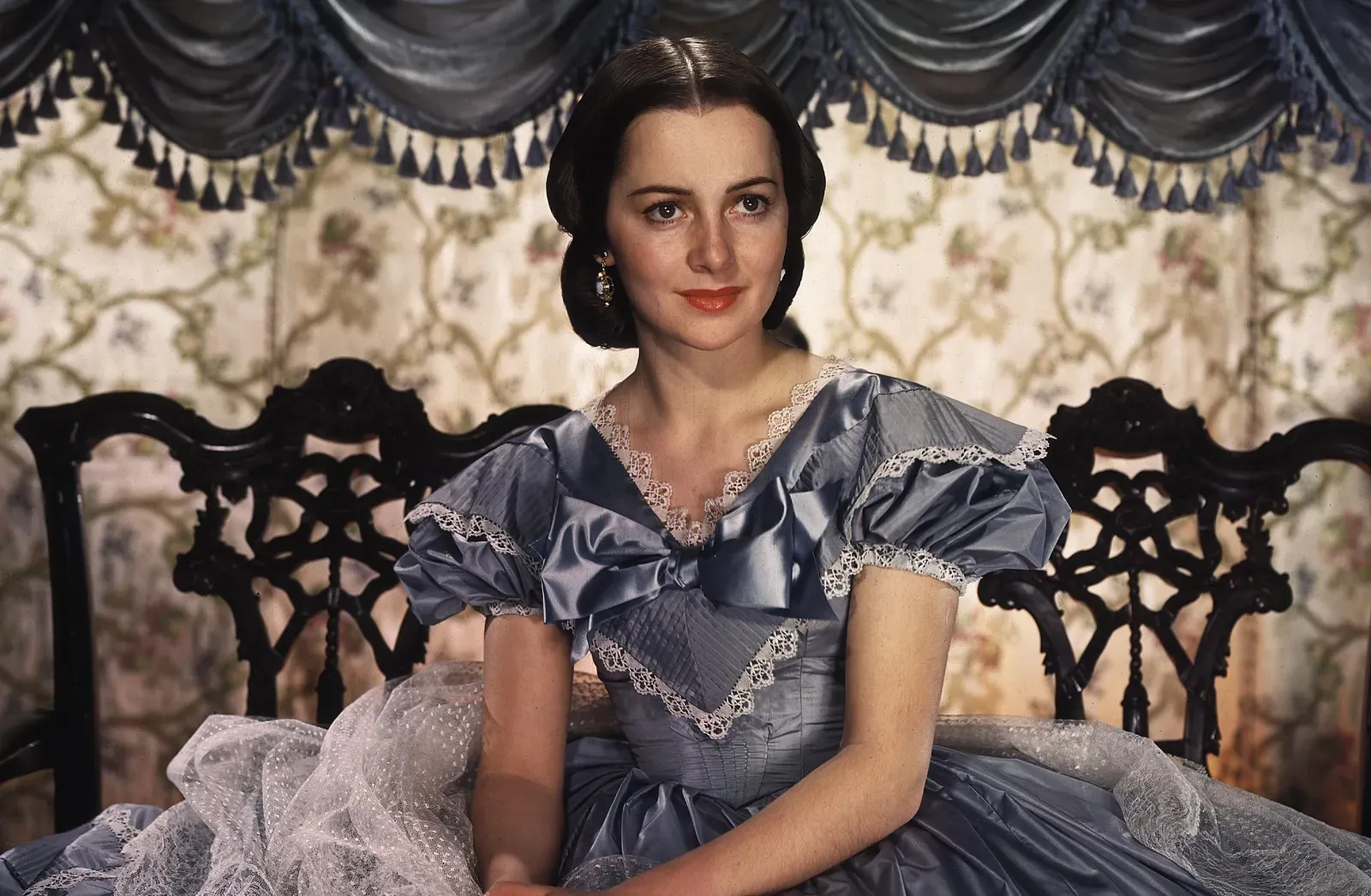
The most important legal break came from Olivia de Havilland, who sued Warner Bros. in the early 1940s. She argued that California law limited personal service contracts to seven years, and that suspension time shouldn’t be tacked on. In 1944, the California Court of Appeal ruled in her favor, and the decision is still known as the De Havilland Law.
The ruling meant a studio could not extend a contract beyond seven calendar years because of suspensions. It gave actors a clearer exit date and strengthened their bargaining position. Many historians point to it as a major step in loosening studio control.
The Paramount Decision and the System’s Decline

The structure that supported the contract system came under federal pressure. In 1948, the Supreme Court ruled in United States v. Paramount Pictures that the major studios’ ownership of theaters violated antitrust law. Studios were eventually required to separate production from exhibition.
Without guaranteed screens, studios no longer needed large rosters of salaried players. Over the following years, contracts were dropped and actors increasingly worked film by film, often through agents. The era of studio owned careers faded, though its influence on publicity and star making remained.
Partner offer
Planning a trip to Vegas?
Compare hotel rates and show tickets on VEGAS.com.