We’ve all heard the nostalgic tales. The glory days of cinema when movies were pure magic, untainted by modern commercialism. When every frame was art and every performance legendary.
But here’s the thing: memory plays tricks on us. What we remember as golden might just be gilded. The film eras we’ve been taught to worship might not deserve quite so much reverence. Some periods we celebrate weren’t as revolutionary as claimed, while others we dismiss actually changed everything. Let’s pull back the curtain on these so-called golden ages and see what really holds up.
Old Hollywood’s Studio System: Creative Paradise or Creative Prison?


The studio system of the 1930s and 40s gets romanticized endlessly. People imagine glamorous stars gliding through MGM’s lot, creating timeless masterpieces under perfect conditions. The reality was far messier.
Studios owned actors like property. Contracts bound performers to single companies for years, forcing them into roles they hated. Judy Garland was fed amphetamines to keep her working. Rita Hayworth’s hairline was painfully electrolyzed to fit a studio’s beauty standard. Directors faced constant interference from executives who cared more about profit margins than artistic vision.
Yes, classics emerged from this system. But for every Casablanca, there were dozens of forgotten assembly-line productions. The studio heads wielded absolute power, crushing innovation that didn’t fit their formulas. Many of the era’s most celebrated films succeeded despite the system, not because of it.
French New Wave: Pretentious Philosophy or Genuine Revolution?


The French New Wave of the late 1950s and 60s gets treated like cinema’s intellectual awakening. Critics still swoon over Godard’s jump cuts and Truffaut’s autobiographical introspection. Film students are expected to worship at this altar.
Let’s be real though. Much of this movement was inaccessible navel-gazing. These directors broke conventional rules, sure, but often replaced them with self-indulgent experiments that prioritized style over substance. Breathless has innovative editing, but watching it now feels like homework more than entertainment.
The movement’s lasting impact is undeniable. It influenced filmmakers worldwide and proved cinema could be personal and experimental. However, the actual films themselves? Many are tedious watches that appeal more to people who want to seem cultured than to genuine movie lovers. The ideas were revolutionary. The execution was frequently exhausting.
1970s American Cinema: The Decade That Changed Everything or Just Got Lucky?


The 1970s American Renaissance gets positioned as film’s greatest decade. The Godfather, Chinatown, Taxi Driver, Apocalypse Now. Directors finally controlled their visions. Adult themes replaced studio fluff. Cinema grew up.
This narrative glosses over major problems. Yes, auteur-driven filmmaking produced masterpieces. It also produced catastrophic failures that nearly bankrupted studios. Heaven’s Gate destroyed United Artists. Many celebrated directors’ egos spiraled out of control, creating bloated vanity projects.
The decade’s reputation rests on maybe two dozen exceptional films. Meanwhile, mainstream audiences were watching disaster movies, blaxploitation flicks, and the same kind of commercial fare that filled every other era. The artistic triumphs were outliers, not the norm. We remember Coppola’s brilliance but forget the countless forgettable releases that actually dominated box offices.
Plus, this supposedly progressive era remained deeply sexist and racist in its storytelling. Women existed mainly as victims or sexual objects. People of color barely appeared except as stereotypes. The white male perspective dominated almost entirely.
Silent Film Era: Visual Poetry or Technical Limitation?


Silent cinema gets praised as pure visual storytelling. Without dialogue, directors mastered composition, gesture, and emotion through images alone. Film purists insist something essential was lost when sound arrived.
That’s romantic nonsense. Silent films weren’t visually innovative by choice. They were working within technical constraints. Most audiences found them harder to follow and less emotionally engaging than talkies. There’s a reason sound revolutionized the industry almost overnight.
Certain silent masterpieces absolutely deserve their status. Chaplin’s physical comedy remains brilliant. Metropolis created stunning futuristic imagery. But most silent films were simplistic melodramas with hammy acting that modern viewers find unintentionally comical. We celebrate the rare peaks while ignoring the vast mediocre valleys.
The transition to sound improved cinema dramatically. It allowed for nuanced performances, complex dialogue, and richer storytelling. Mourning silent film’s death makes no sense. It’s like being nostalgic for black and white TV after color arrived.
1980s Blockbuster Era: Dumbing Down or Democratizing Cinema?

Film snobs love trashing the 1980s. Spielberg and Lucas supposedly ruined movies by prioritizing spectacle over substance. Blockbusters replaced art films. Cinema became theme park rides for children.
This elitism ignores that blockbusters actually expanded cinema’s audience and ambition. Raiders of the Lost Ark delivered thrilling entertainment with remarkable craft. Back to the Future combined humor, heart, and clever plotting. These weren’t mindless explosions. They were meticulously constructed crowd-pleasers.
The decade also produced Blade Runner, Blue Velvet, Raging Bull, and countless other acclaimed films. Saying the 80s killed cinema is absurd. It simply shifted the balance toward populist entertainment, which isn’t inherently bad. Not every film needs to be a challenging meditation on existence.
Besides, previous eras had their escapist entertainments too. The 1930s churned out countless musicals and westerns. Every generation produces commercial and artistic films simultaneously. The 80s just did it more successfully than most.
Italian Neorealism: Gritty Truth or Misery Fetish?

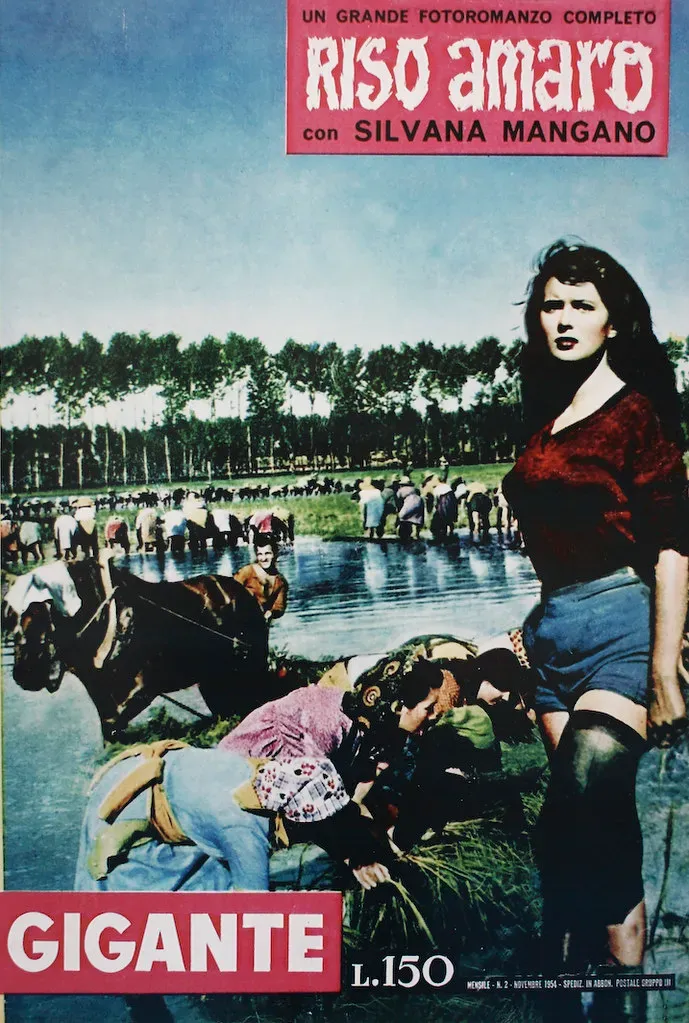
Italian Neorealism of the 1940s gets celebrated for bringing raw reality to screens. Directors shot on location, used non-professional actors, and focused on working-class struggles. Critics praise this unflinching honesty.
Here’s what they don’t mention: these films can be punishingly bleak. Watching Bicycle Thieves feels like being beaten down for 90 minutes. The relentless misery becomes almost exploitative. Yes, it depicts authentic poverty. But does wallowing in suffering automatically make something artistically superior?
The movement’s influence spread globally, inspiring countless imitators. Its techniques shaped documentary filmmaking forever. However, the actual films often feel more like sociology homework than entertainment. They captured an important historical moment, but that doesn’t make them particularly enjoyable to watch.
Contemporary Italian audiences often preferred Hollywood imports. The intellectual class championed Neorealism while regular people wanted escapism. That disconnect reveals something important about who actually defines what’s valuable in cinema.
Pre-Code Hollywood: Boundary-Pushing or Just Trashy?
The pre-Code era from 1929 to 1934 gets romanticized for its risqué content. Before the Production Code enforcement, films showed sex, violence, and moral ambiguity freely. Historians present this as Hollywood’s brief period of adult sophistication.
Really, much of it was just cheap sensationalism. Studios exploited sex and violence for ticket sales, not artistic expression. The “sophisticated” content often amounted to leering at women’s bodies and glorifying gangsters. When the Code arrived, it wasn’t purely censorship destroying art. It also reined in genuine exploitation.
Some pre-Code gems definitely exist. Mae West’s witty double entendres were genuinely subversive. Certain crime dramas explored moral complexity thoughtfully. But most productions were forgettable schlock trading on titillation. We remember the best examples while forgetting the mountains of garbage.
The post-Code era still produced incredible films. Directors learned to work creatively within restrictions, often crafting more sophisticated content than the blunt pre-Code approaches. Censorship had serious problems, but pre-Code Hollywood wasn’t some lost paradise.
Conclusion: Every Era Has Its Myths

Looking back, every supposed golden age reveals itself as more complicated than the legends suggest. The studio system produced classics alongside exploitation. The French New Wave brought innovation and pretension. The 1970s gave us masterpieces and disasters. Silent films had brilliance and limitations. Each era combined genuine achievement with overhyped mediocrity.
Perhaps there’s no golden age at all. Just different periods with different strengths, weaknesses, and cultural contexts. We romanticize the past because distance blurs its flaws. Meanwhile, we’re often blind to the genuine innovations happening right now.
The films that truly matter transcend their eras. They connect with audiences across decades because they capture something universally human. Everything else is just noise and nostalgia. What film era do you think gets too much credit? Let us know what you think in the comments.