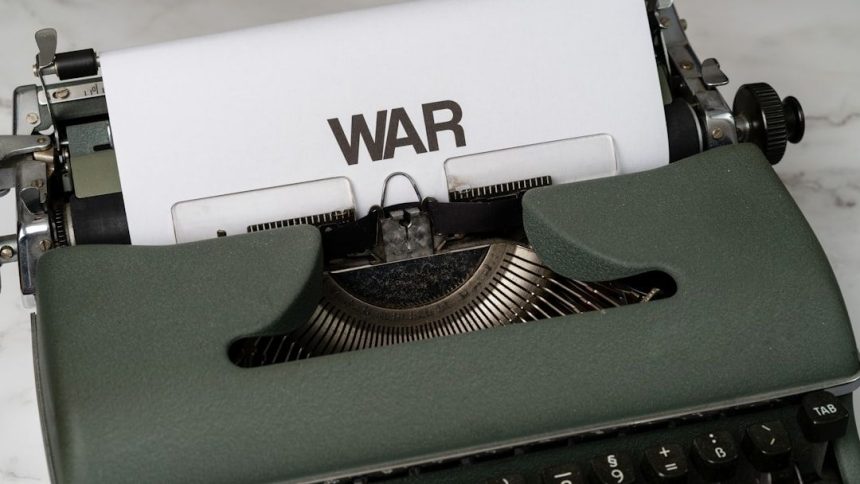
War has this strange way of pulling words out of people who never thought they’d write anything beyond a grocery list. It’s not about fancy education or literary ambitions. When you’re sitting in a trench, or watching your city crumble, or saying goodbye to someone who might never come back, something shifts inside you. The need to capture those moments, to make sense of the chaos, becomes almost primal.
These stories don’t come from professional authors who decided war would make a good setting. They come from soldiers, nurses, factory workers, refugees – people whose hands were busy with survival, not sentences. Yet somehow, between the fear and exhaustion, they found time to write. Their letters, diaries, and memoirs became some of the most powerful literature we have. Let’s dive into how conflict turned everyday voices into unforgettable ones.
The Soldier Who Found His Voice in the Trenches
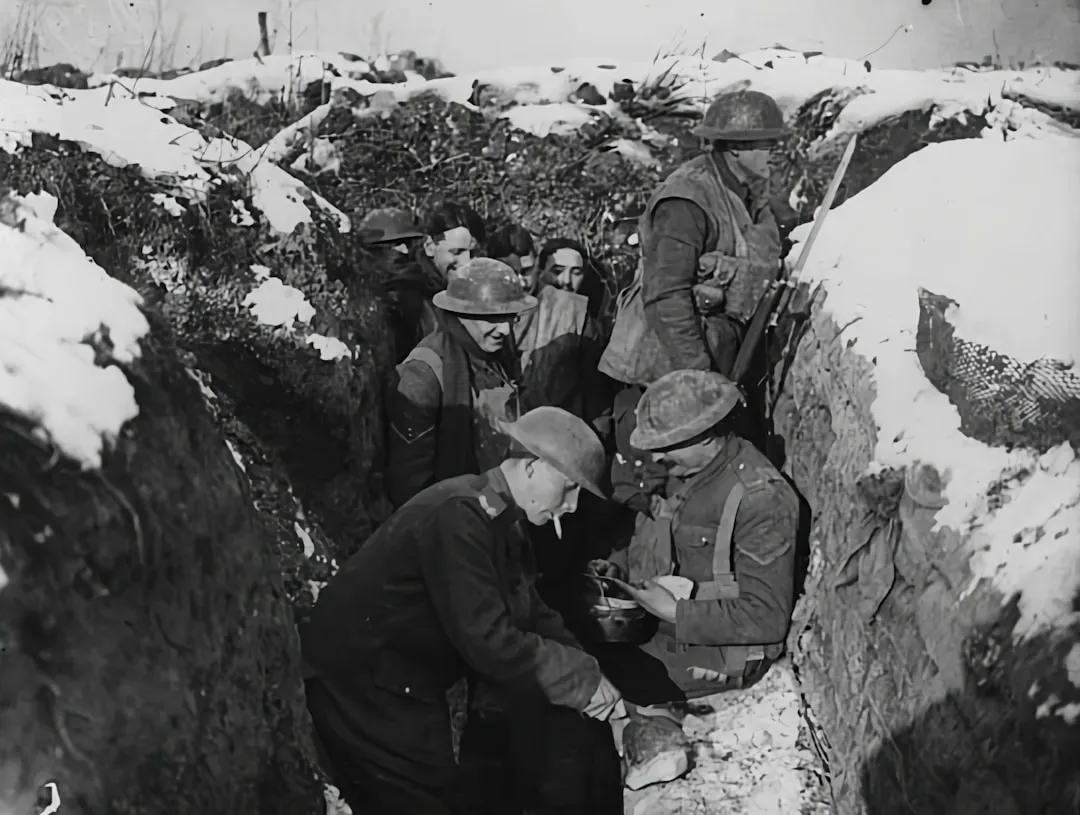
Wilfred Owen was a schoolteacher before World War I, not particularly interested in poetry or fame. He enlisted like millions of others, expecting duty and maybe some adventure. What he got instead was mud, gas attacks, and the constant company of death.
Those trenches became his classroom in a way no university could match. He started writing poetry that didn’t glorify war or wave flags. It showed the actual horror – men drowning in gas, bodies left to rot, the absolute waste of it all. His words carried weight because he lived them.
Owen died just one week before the armistice. He was twenty-five. His mother received the telegram while church bells were ringing to celebrate the war’s end. But his poems survived, raw and honest, giving voice to an entire generation’s trauma.
Letters Home That Became Literary Gold
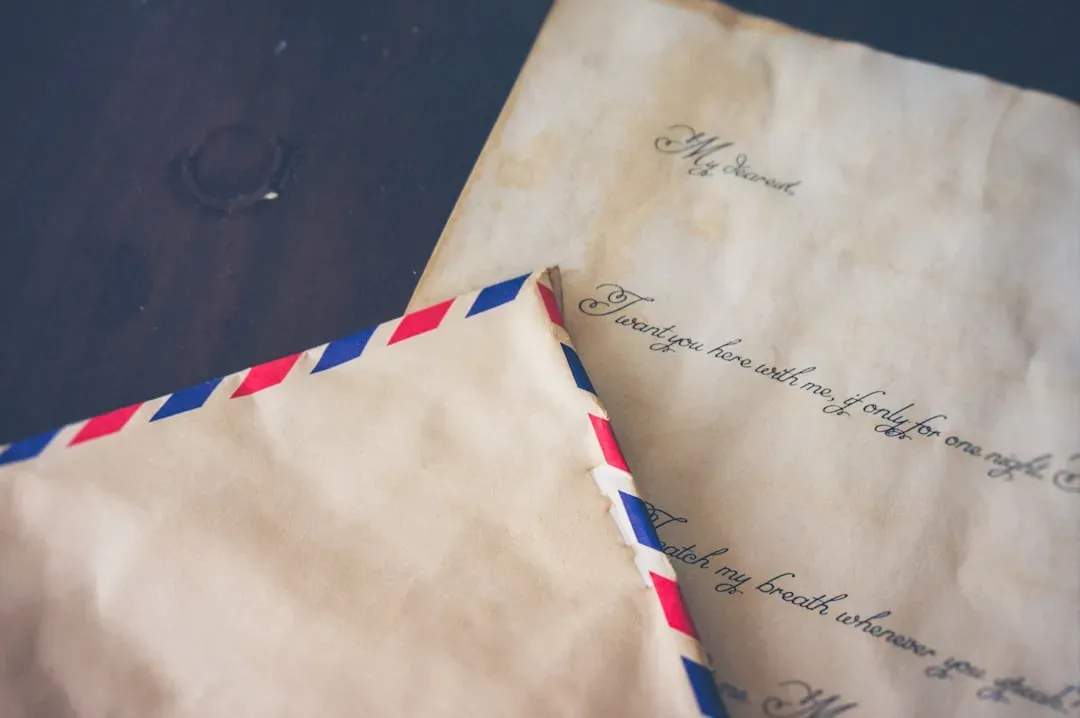
Sullivan Ballou was a major in the Union Army during the American Civil War. He was also a lawyer, a husband, and a father of two. In July 1861, he wrote a letter to his wife Sarah that would become one of the most famous pieces of Civil War literature.
He wrote about love and duty, about how much he wanted to come home but knew he might not. The letter was found in his trunk after he died at the First Battle of Bull Run, just days after writing it. It wasn’t trying to be literature. It was just a man telling his wife how he felt.
That authenticity is exactly what made it powerful. No professional writer sitting comfortably at a desk could have captured that mixture of tenderness and dread. It took someone actually facing death to find those exact right words. Similar letters from countless soldiers created an accidental archive of human emotion under pressure.
Women Who Documented What Men Overlooked
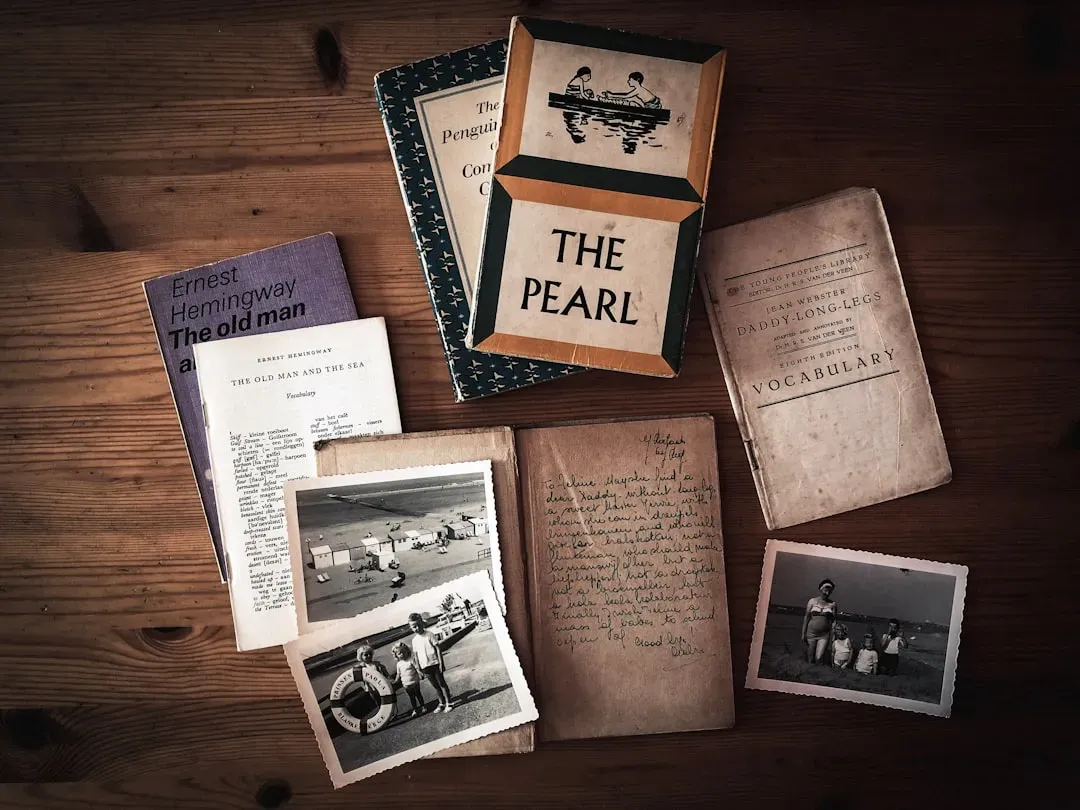
Vera Brittain was studying at Oxford when World War I started, which was already unusual for a woman in 1914. She left to become a volunteer nurse, working in London, Malta, and France. What she saw in those hospitals changed everything about how she understood the world.
Her memoir, Testament of Youth, doesn’t focus on battles or strategy. It talks about the endless wounded, the young men whose bodies were broken in ways that made you question humanity itself. She wrote about losing her fiancé, her brother, and her two closest male friends in the space of a few years.
The book became a bestseller because it told the war’s story from an angle most military histories ignored. Women weren’t just waiting at home – they were in the middle of it, holding dying men’s hands, writing letters to their mothers, processing grief on an industrial scale. Brittain’s ordinary experience as a nurse gave her extraordinary insight into war’s real cost.
The Diary That Became a Generation’s Voice
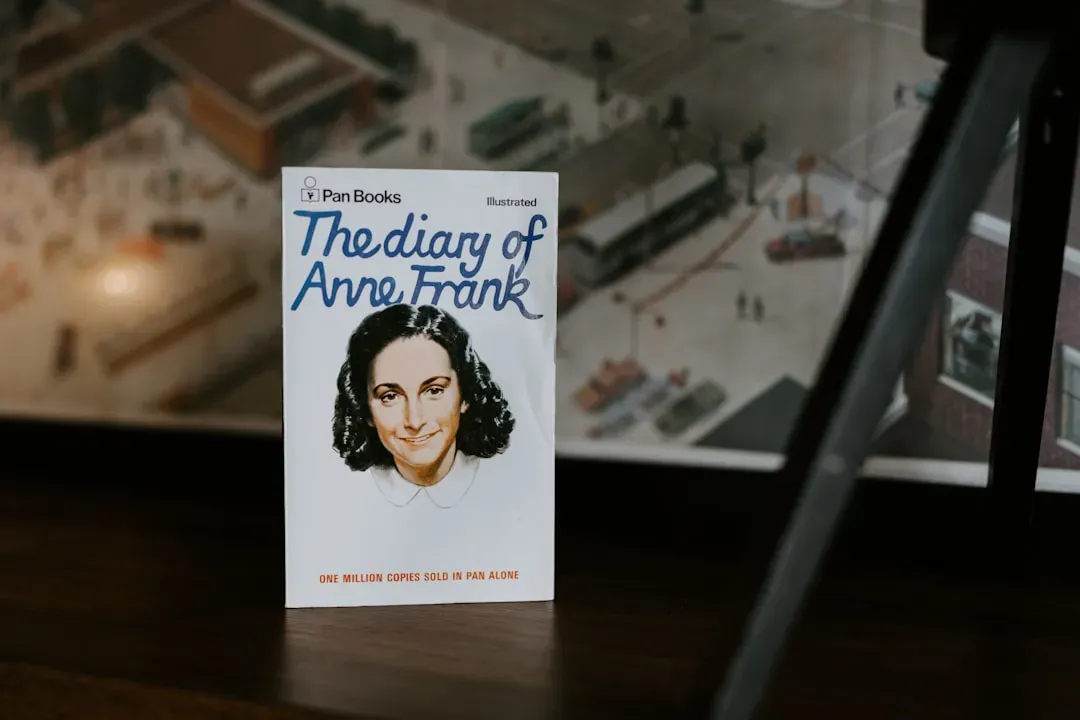
Anne Frank was just a thirteen-year-old girl when her family went into hiding in Amsterdam. She wasn’t planning to write the most famous diary in history. She was just trying to survive, passing time in a secret annex while the Nazi occupation raged outside.
Her diary entries are remarkable because they’re so normal in abnormal circumstances. She writes about crushes, arguments with her mother, dreams for the future. Then suddenly she’s writing about hearing gunfire, or people being dragged from their homes, or the constant fear of discovery.
That contrast is what makes it devastating. It’s hard to say for sure, but maybe that’s exactly why millions of readers connected with it. She wasn’t a war correspondent or a politician. She was just a teenager who wanted to live, writing in a diary that nobody was supposed to read. War didn’t make her extraordinary – it revealed what was already there.
POW Camps as Unexpected Writing Workshops
Kurt Vonnegut was a twenty-two-year-old American soldier when he was captured during the Battle of the Bulge. He spent months as a prisoner of war in Dresden, Germany. He was there when Allied bombers destroyed the entire city in February 1945, killing tens of thousands of civilians in a firestorm.
Partner offer
He survived by sheltering in a meat locker beneath a slaughterhouse. After the bombing, he and other POWs were forced to dig bodies out of the rubble for weeks. The experience was so traumatic that it took him decades to write about it. When he finally did, he created Slaughterhouse-Five.
The novel is strange and non-linear, jumping through time, mixing science fiction with brutal reality. That fragmented style perfectly captured how trauma actually works in your brain. Vonnegut wasn’t a trained novelist when he went to war. He was just another kid who got drafted. The war gave him a story he couldn’t shake, and eventually couldn’t not tell.
Journalists Who Stopped Pretending to Be Objective
Ernie Pyle was a travel columnist before World War II, writing light pieces about interesting places around America. Then he went to cover the war, and something fundamental changed in his writing. He stopped being detached and started being honest.
His columns focused on individual soldiers – their names, where they were from, what they missed about home. He wrote about the exhaustion, the fear, the small moments of humor that kept them sane. Soldiers loved his work because it actually reflected their experience. He didn’t glorify or dramatize. He just told it straight.
Pyle was killed by Japanese machine gun fire in 1945 on a small island near Okinawa. By then, his columns had been read by millions. He’d shown that war reporting didn’t have to be about generals and strategy. It could be about the scared twenty-year-old from Iowa who just wanted to see his dog again.
The Unexpected Power of Witness
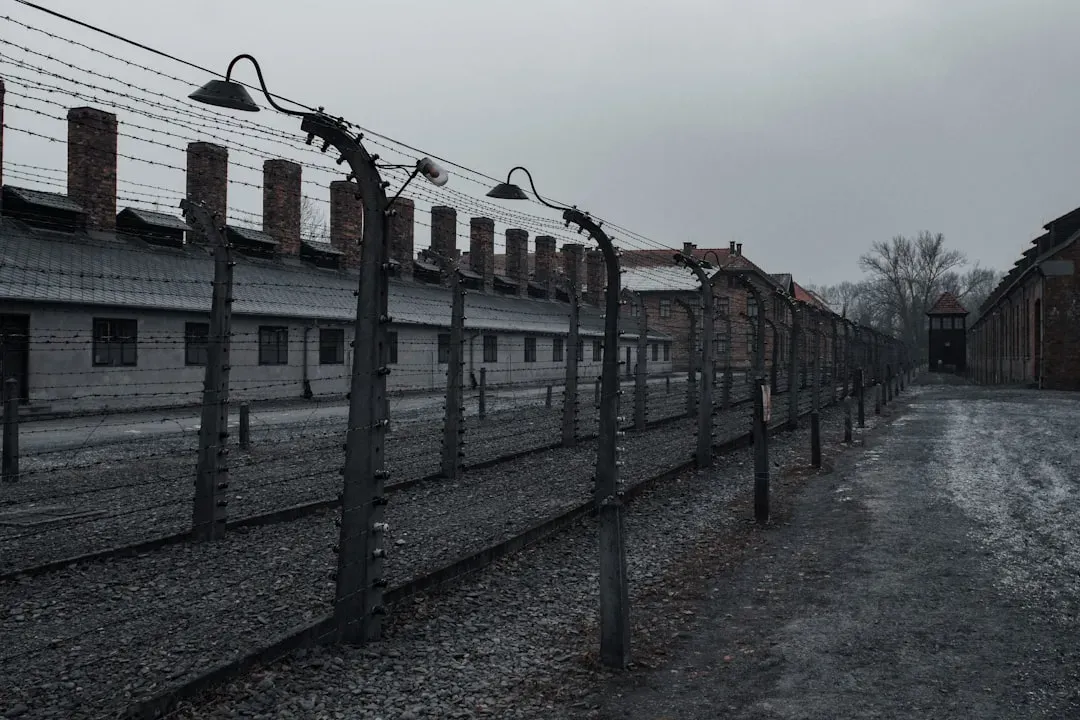
Primo Levi was a chemist, not a writer, when he was arrested in Italy and sent to Auschwitz. He survived almost a year in the concentration camp through luck, his chemistry knowledge, and sheer will. After liberation, he felt compelled to write about what he’d seen.
If This Is a Man became one of the most important Holocaust testimonies ever published. Levi’s scientific background actually made his writing more powerful, not less. He observed and documented with precision, describing the camp’s systematic dehumanization in clear, almost clinical prose.
That restraint made the horror even more effective. He wasn’t trying to shock or sensationalize. He was simply bearing witness, recording what happened with the accuracy of someone who understood that people might not believe it later. War transformed him from a chemist into one of the twentieth century’s most essential voices.
When Silence Becomes Impossible
Let’s be real – most people who experience war don’t become writers. Many can’t or won’t talk about it at all. Some carry their stories silently for decades. Others take them to the grave.
But for those who do write, it’s rarely about ambition or career. It’s because the silence becomes too heavy to carry alone. Words become a way to share the weight, to make someone else understand, to prove that what happened was real.
These writers didn’t choose war. War chose them. It shattered their ordinary lives and demanded they find language for the unspeakable. In that process, they created some of the most powerful literature we have – not because they were extraordinary people, but because they were ordinary people who lived through extraordinary circumstances and found the courage to write it down.
Conclusion
War doesn’t make people into writers because it’s inspiring or noble. It does it because trauma demands expression. The ordinary men and women who picked up pens amid chaos weren’t looking for literary fame. They were looking for ways to survive, to remember, to make sense of senselessness.
Their writing endures because it’s honest in ways that professional authors, safely distant from combat, can never quite capture. It’s messy, raw, sometimes badly spelled and grammatically questionable. That’s exactly what makes it powerful. These were real people, with real fears and real blood on their hands, trying to find words for experiences that shouldn’t exist.
What do you think pushes someone from simply surviving to needing to document it? Tell us in the comments.
Partner offer
Planning a trip to Vegas?
Compare hotel rates and show tickets on VEGAS.com.