Every great American novel has a moment where it either grabs you or lets you go. That moment usually happens in the first sentence, sometimes the first few words. Below are eight opening lines that have shaped how generations of readers think about fiction, memory, and the country itself. See how many you recognize before reading the details, and notice how much information a single sentence can carry.
1. Moby-Dick, Herman Melville
Herman Melville opens his 1851 novel with two words that have become shorthand for literary minimalism: a narrator introducing himself simply as Ishmael. The line works because it does almost nothing and everything at once, establishing voice, intimacy, and a slightly unreliable narrator in a single breath. Readers often forget how strange the rest of that opening paragraph gets, drifting into meditations on melancholy and the sea before the plot even starts.
Melville wrote the novel during a period when he was struggling financially and critically, and it sold poorly during his lifetime. It was only rediscovered in the 1920s that scholars began treating it as a cornerstone of American fiction. The opening line survived that critical neglect largely intact, becoming one of the most quoted sentences in English language literature.
2. The Great Gatsby, F. Scott Fitzgerald
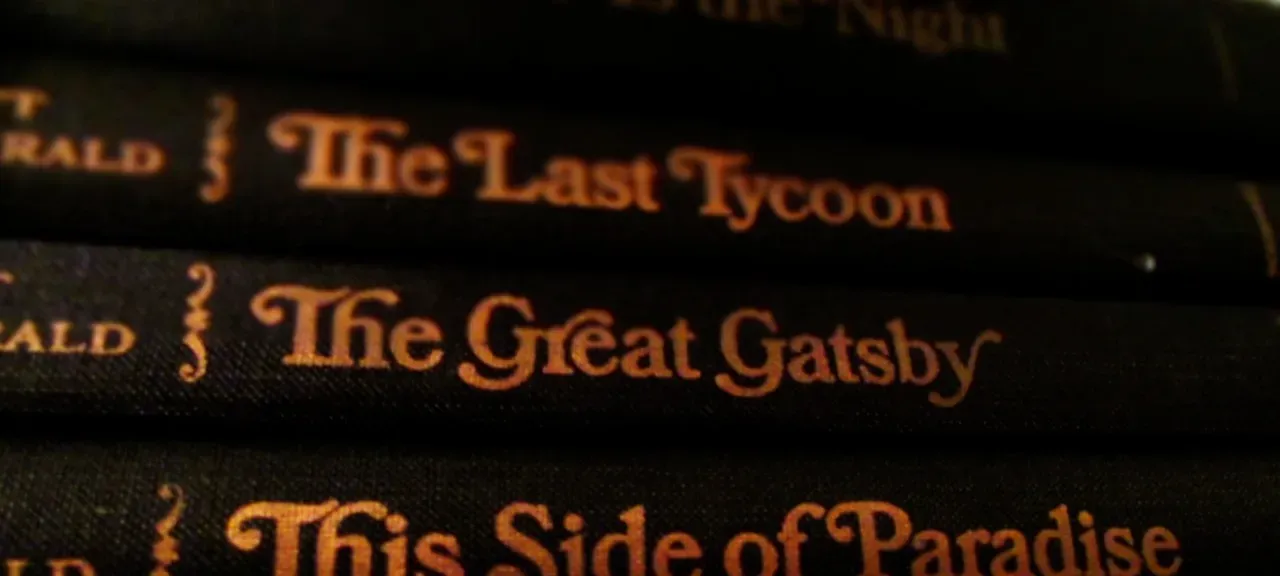
Fitzgerald begins his 1925 novel with narrator Nick Carraway recalling advice his father once gave him, something about reserving judgment of others. It is a quiet, almost cautious way to open a book that eventually spirals into obsession, illusion, and tragedy. The line sets up Nick as an observer rather than a participant, a framing device that shapes how readers interpret everything that follows.
The novel entered the American public domain in 2021, which triggered a wave of adaptations, sequels, and reinterpretations in the years since. Despite modest sales during Fitzgerald’s own lifetime, it is now frequently cited in surveys of the greatest American novels ever written. The opening paragraph, often overlooked in favor of the closing lines about boats and currents, actually does much of the quiet groundwork for the story’s themes of class and self deception.
3. The Adventures of Huckleberry Finn, Mark Twain
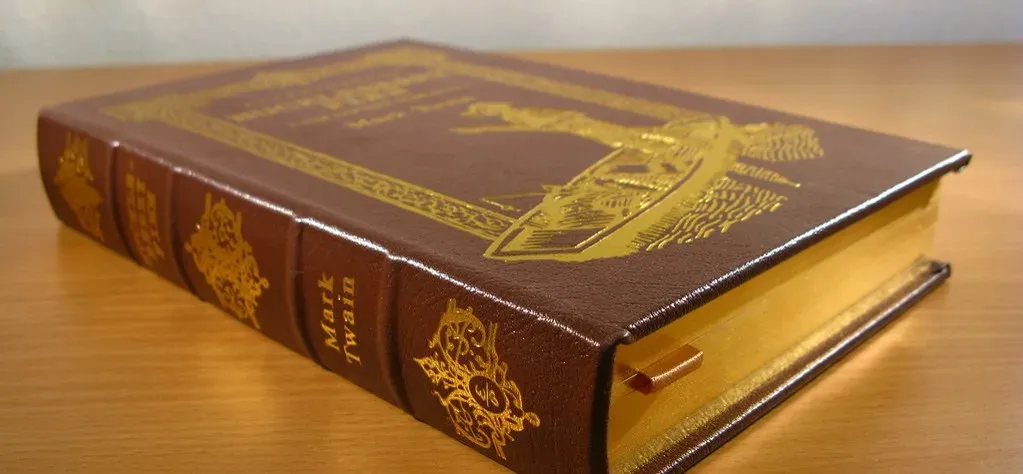
Twain’s 1884 novel opens with Huck directly addressing the reader, referencing another book they might already know and immediately establishing a conversational, skeptical tone. It is one of the earliest examples in American fiction of a narrator breaking the fourth wall so casually. The voice Twain creates here, full of regional dialect and plainspoken doubt, became a touchstone for later American writers experimenting with vernacular narration.
Ernest Hemingway once remarked that all modern American literature comes from this one book, a claim that still gets repeated in classrooms today. The novel has also remained one of the most challenged books in American schools due to its use of racial language, a tension that continues into current curriculum debates. Even so, its opening voice is widely credited with helping establish a distinctly American literary style separate from British traditions.
4. The Catcher in the Rye, J.D. Salinger
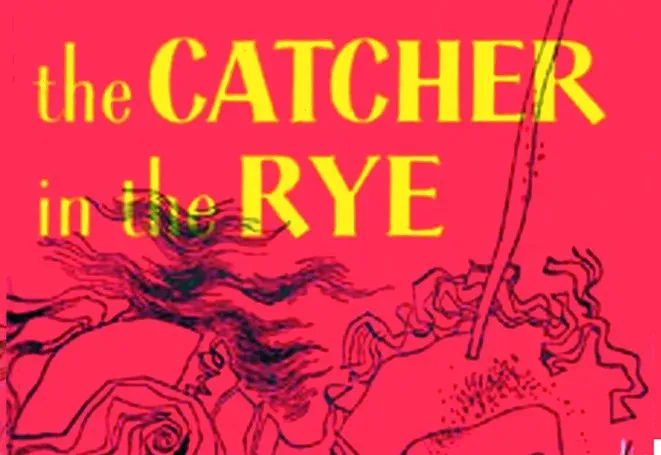
Salinger’s 1951 novel begins with narrator Holden Caulfield dismissing the idea of a conventional life story, refusing to start with his birth or family background the way older novels typically did. The opening immediately signals rebellion, both from Holden and from the narrative conventions of the time. That refusal to play by the rules of storytelling became part of why the novel resonated so strongly with young readers.
The book has sold tens of millions of copies worldwide since publication and remains a staple of American high school reading lists, though it has also faced repeated challenges and bans over its language and themes. Salinger’s reclusive later life only added to the mythology surrounding the novel and its narrator’s voice. The opening line still reads as strikingly modern, closer in tone to contemporary young adult fiction than to most novels published in the early 1950s.
Partner offer
5. Beloved, Toni Morrison
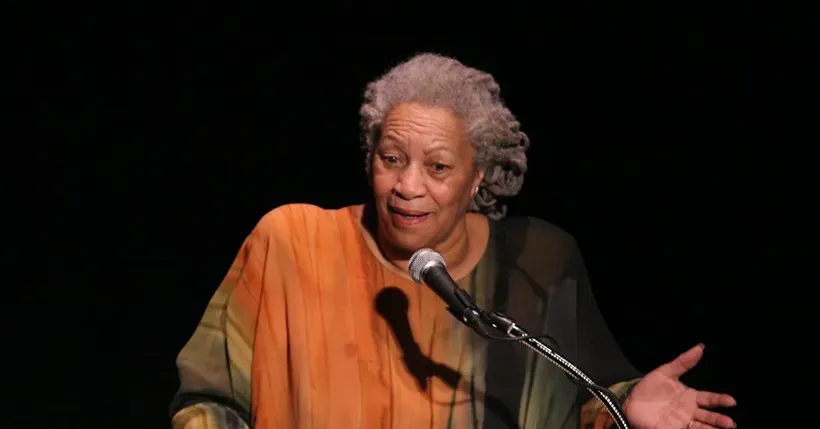
Morrison opens her 1987 novel with a stark, unsettling description of the house at the center of the story, establishing an atmosphere of haunting before introducing a single character. The sentence is short, almost clinical, yet it carries the weight of the trauma that unfolds across the rest of the book. Morrison’s choice to open with place rather than person reflects her broader approach to storytelling, where setting often carries as much emotional charge as any character.
The novel won the Pulitzer Prize for Fiction in 1988 and was central to Morrison receiving the Nobel Prize in Literature in 1993, the first Black woman to receive that honor. Beloved is loosely based on the real historical case of Margaret Garner, an enslaved woman whose story Morrison encountered while researching. The opening line’s restraint has been widely studied by scholars as an example of how understatement can intensify horror rather than dilute it.
6. Invisible Man, Ralph Ellison
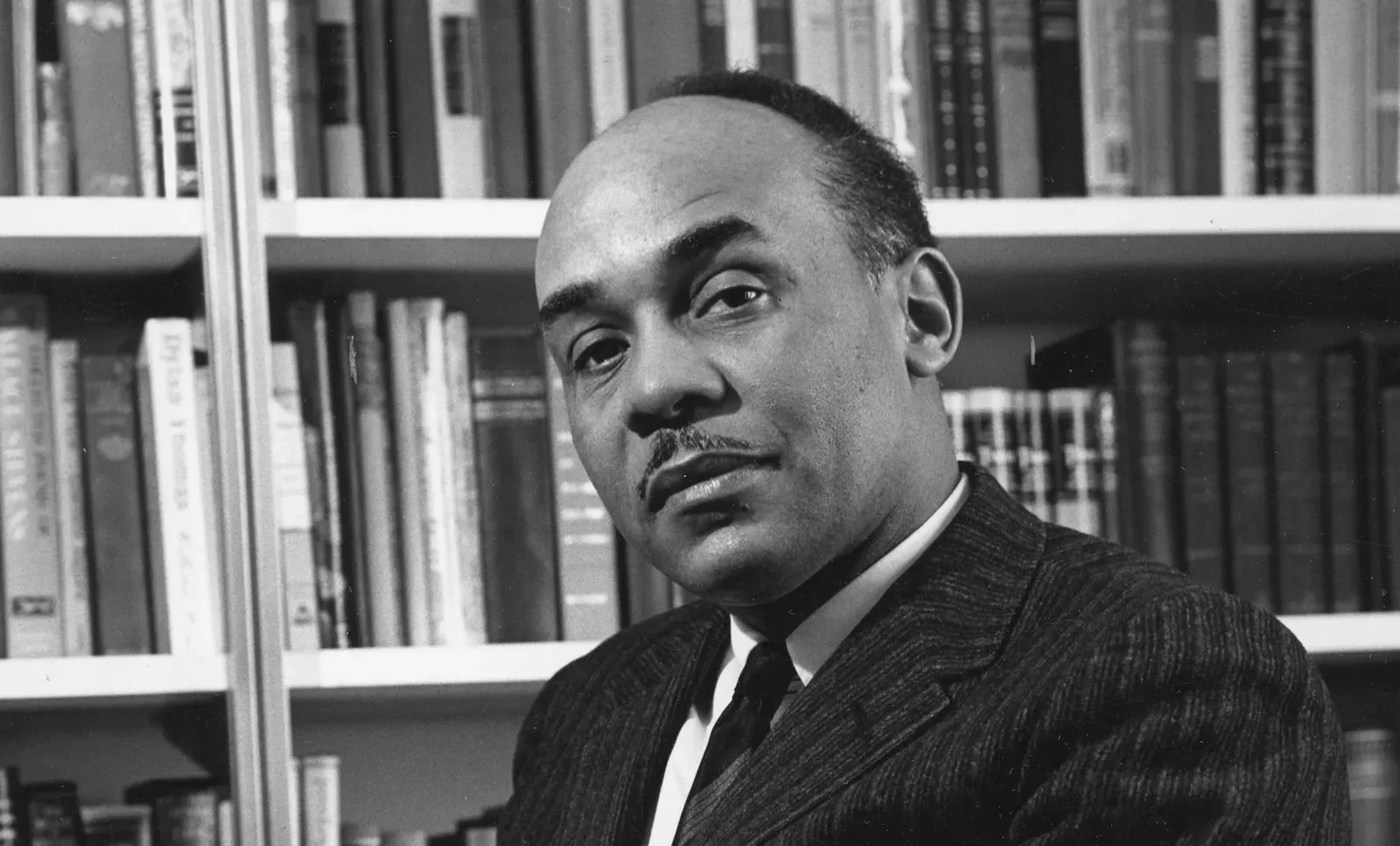
Ellison’s 1952 novel opens with the unnamed narrator declaring his invisibility, not in a literal or supernatural sense but as a statement about how society refuses to truly see him. It is a bold, almost confrontational way to begin a novel, placing the book’s central metaphor directly in the reader’s path from the first sentence. The line has been analyzed extensively for how it reframes visibility and identity within the context of American racial politics.
The novel won the National Book Award in 1953, making Ellison the first Black writer to receive the honor. Ellison spent years working on the book, and its layered, symbolic structure reflects that extended process of revision and thought. The opening declaration remains one of the most frequently cited lines in discussions of twentieth century American identity in fiction.
7. To Kill a Mockingbird, Harper Lee
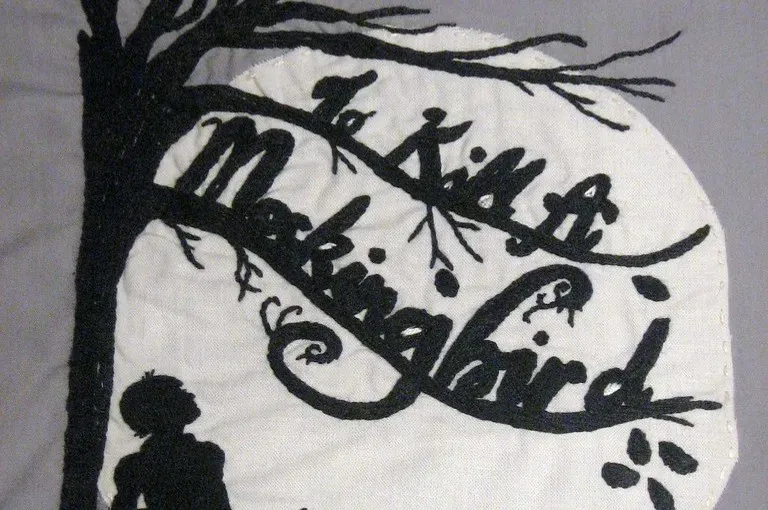
Lee’s 1960 novel begins with narrator Scout Finch recalling an injury her brother Jem suffered years earlier, framing the entire story as a look back at formative childhood events. The opening line’s casual, almost offhand tone mirrors the novel’s broader approach of viewing serious moral questions through a child’s eyes. That narrative distance, looking back as an adult on childhood events, gives the book room to handle heavy themes without losing its warmth.
The novel won the Pulitzer Prize for Fiction in 1961 and has sold more than forty million copies worldwide since its release. It remains one of the most assigned novels in American schools, even as debates over its handling of race and its white savior narrative framing have grown louder in recent years. Lee published only one other novel, Go Set a Watchman, decades later in 2015, which reignited discussion of the original book’s opening and its narrator’s reliability.
8. The Bell Jar, Sylvia Plath
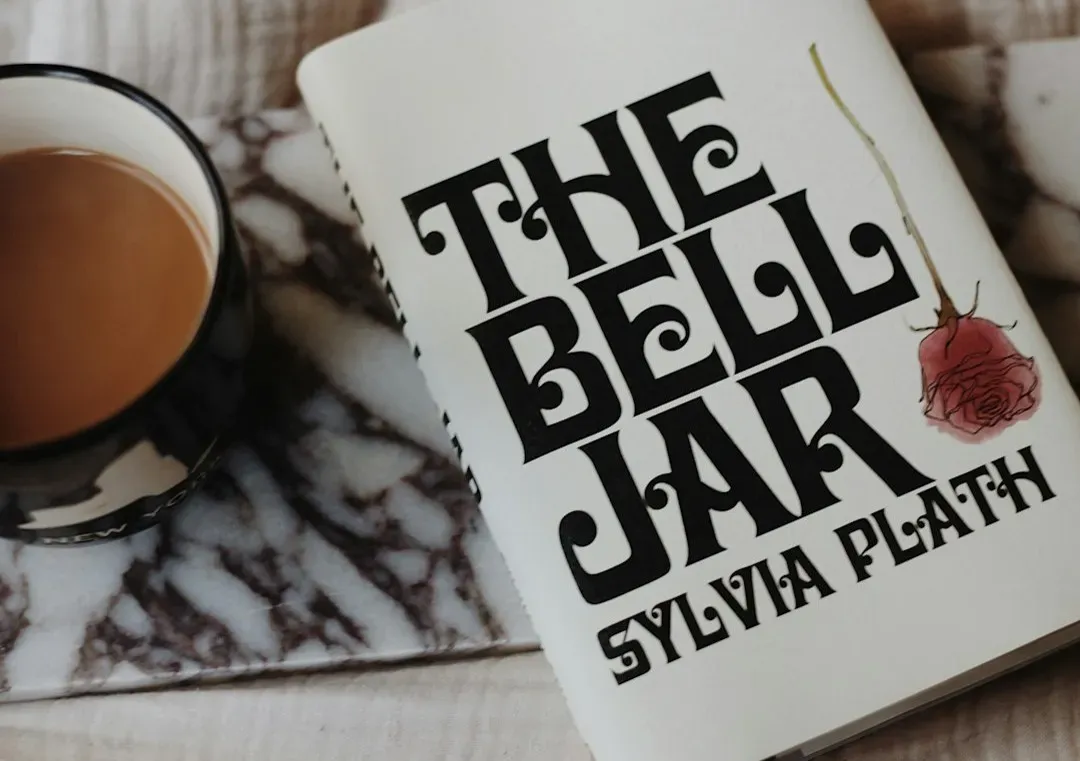
Plath opens her 1963 semi-autobiographical novel with a reference to a specific, real historical event, immediately grounding the story in a particular moment in American history. The line’s flat, matter of fact delivery contrasts sharply with the psychological unraveling that follows throughout the book. That contrast between calm narration and internal crisis became one of the novel’s defining stylistic features.
Plath published the novel under a pseudonym just weeks before her death in 1963, and it was not released under her own name in the United States until 1971. The book has since become a foundational text in discussions of mental health in American literature, particularly for its unflinching look at depression and institutionalization. Its opening line continues to be studied for how efficiently it merges personal narrative with broader cultural context.
Partner offer
Planning a trip to Vegas?
Compare hotel rates and show tickets on VEGAS.com.