
Some books simply outlast the trends around them. They get reissued with new covers, assigned in classrooms decades apart, and passed between friends who insist “you have to read this one.” The eight novels below have earned that kind of staying power, not through hype but through the way they reward a reader’s attention long after the final page. There’s no single formula that connects them. Some are sprawling and philosophical, others quiet and compact. What they share is a habit of changing how people see the world, or at least how they see themselves in it.
1. One Hundred Years of Solitude by Gabriel García Márquez

Published in 1967, this Colombian classic follows seven generations of the Buendía family in the fictional town of Macondo. García Márquez blended myth, history, and domestic detail so seamlessly that critics coined the term magical realism largely because of this book. It won him international acclaim and helped pave the way for his 1982 Nobel Prize in Literature.
The novel’s structure loops back on itself, with names and fates repeating across generations, which makes rereading it almost as rewarding as the first pass. It has sold in the tens of millions of copies worldwide and remains a staple on university syllabi across Latin American and world literature courses. Few books manage to feel both intimate and epic at the same time, but this one does.
2. Middlemarch by George Eliot

George Eliot, the pen name of Mary Ann Evans, published this novel in installments between 1871 and 1872, set in a fictional English town during the early 1800s. It follows multiple interconnected lives, most notably the idealistic Dorothea Brooke, as they navigate marriage, ambition, and social expectation. Virginia Woolf famously praised it as one of the few English novels written for grown up people, a line still quoted in literary criticism today.
What sets Middlemarch apart is its psychological precision. Eliot doesn’t just describe her characters, she explains the reasoning and self-deception behind every choice they make. At over 800 pages, it asks for patience, but readers who stick with it often say no other novel captures the quiet disappointments of ordinary life quite so well.
3. Beloved by Toni Morrison

Toni Morrison published Beloved in 1987, drawing loosely on the real historical case of Margaret Garner, an enslaved woman who killed her own child rather than see her returned to slavery. The novel won the Pulitzer Prize for Fiction in 1988 and later helped Morrison become the first Black woman to receive the Nobel Prize in Literature in 1993. Its central character, Sethe, is haunted literally and figuratively by the past she cannot outrun.
Morrison’s prose moves nonlinearly, forcing readers to piece together trauma the same way memory itself works, in fragments rather than straight lines. The book has faced repeated challenges and bans in American schools over the decades, which has, if anything, kept it in ongoing public conversation. It remains one of the most assigned and most discussed American novels of the twentieth century.
4. Crime and Punishment by Fyodor Dostoevsky
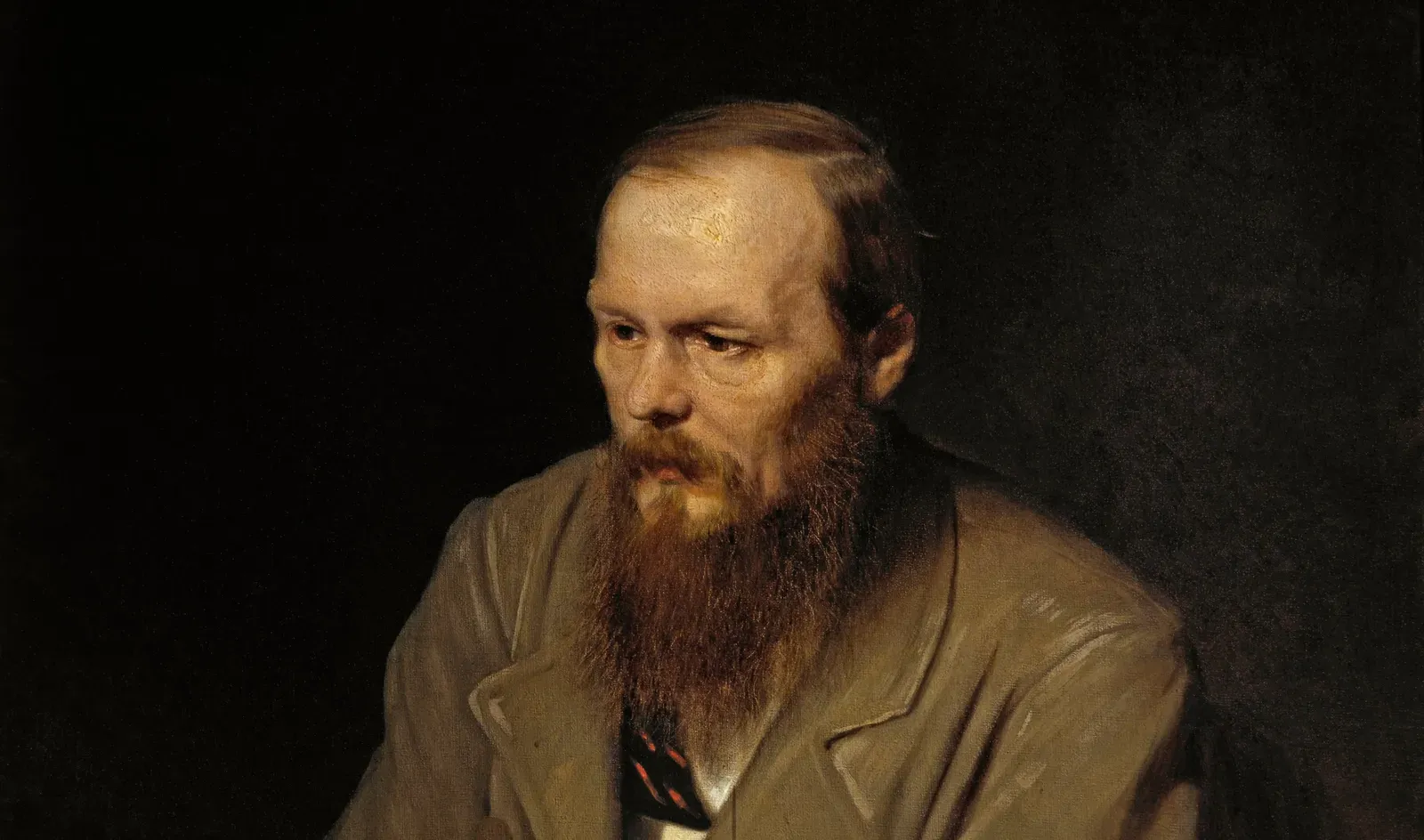
First serialized in 1866, Dostoevsky’s novel follows Rodion Raskolnikov, an impoverished former student in St. Petersburg who murders a pawnbroker convinced he is above ordinary morality. What follows isn’t a mystery about who committed the crime but a psychological unraveling of guilt, paranoia, and eventual confession. Dostoevsky wrote much of it while under financial pressure from his own gambling debts, a detail that adds a strange layer of irony to a novel obsessed with desperation.
The book’s exploration of utilitarian ethics, essentially whether a great enough end justifies a terrible means, still surfaces in philosophy and ethics courses today. Its influence stretches into modern crime fiction and psychological thrillers, genres that owe a real debt to Dostoevsky’s interior focus. Few nineteenth century novels feel as urgently modern in their portrayal of a mind at war with itself.
5. To Kill a Mockingbird by Harper Lee
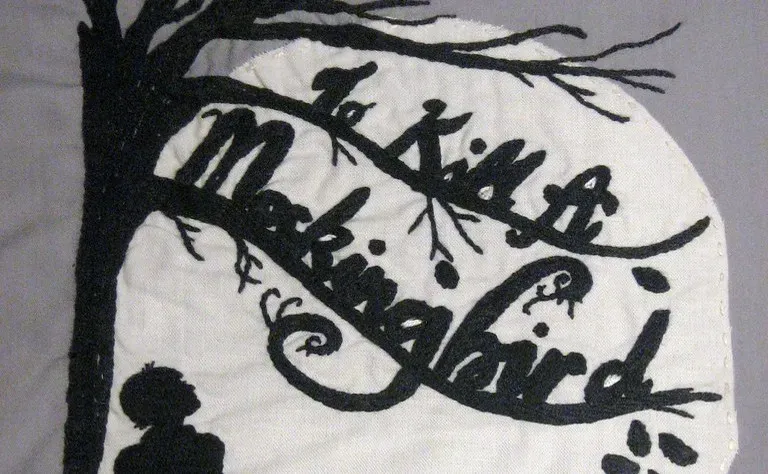
Harper Lee published her only novel for decades in 1960, set in a fictional Alabama town during the Great Depression and narrated by young Scout Finch. Her father Atticus, a lawyer defending a Black man falsely accused of assault, became one of literature’s most enduring symbols of moral courage. The book won the Pulitzer Prize in 1961 and has sold over 40 million copies worldwide since publication.
It remains a fixture in American middle and high school classrooms, though it has also drawn renewed scrutiny in recent years over its use of racial slurs and its white savior framing of racial injustice. That tension, between its historical importance and its limitations, has actually kept the book relevant in ongoing conversations about how schools teach race and history. Lee’s follow up, Go Set a Watchman, released in 2015, only deepened debate about how to read Atticus and the novel as a whole.
6. The Brothers Karamazov by Fyodor Dostoevsky

Dostoevsky’s final novel, published in 1880 just months before his death, centers on three brothers and the murder of their father, weaving together questions of faith, free will, and doubt. Sigmund Freud reportedly called it the most magnificent novel ever written, a claim that still gets repeated in literary discussions today. Its famous Grand Inquisitor chapter, a standalone parable about faith and authority, is often taught separately in philosophy and religion courses.
The novel took Dostoevsky roughly two years to complete and reflects his lifelong wrestling with Orthodox Christianity and Russian identity. Unlike Crime and Punishment, it resists a single tidy interpretation, which is exactly why scholars keep returning to it generation after generation. Readers looking for resolution won’t find it here, but they will find one of literature’s most searching meditations on belief.
7. Pride and Prejudice by Jane Austen

Jane Austen published this novel anonymously in 1813, following Elizabeth Bennet as she navigates marriage, class, and her own misjudgments about the aloof Mr. Darcy. It’s often mistaken for a simple romance, but Austen’s real subject is social observation, particularly how economic necessity shaped women’s choices in Regency era England. The novel’s opening line about a single man in possession of a good fortune remains one of the most quoted in English literature.
Its influence on the romance genre is hard to overstate, with countless novels, films, and television adaptations borrowing its central dynamic of two people who initially dislike each other. The BBC’s 1995 miniseries and Focus Features’ 2005 film adaptation both introduced new generations of readers to the book decades after publication. Austen’s wit ages remarkably well, sharp enough that modern readers rarely need footnotes to catch the joke.
8. Invisible Man by Ralph Ellison
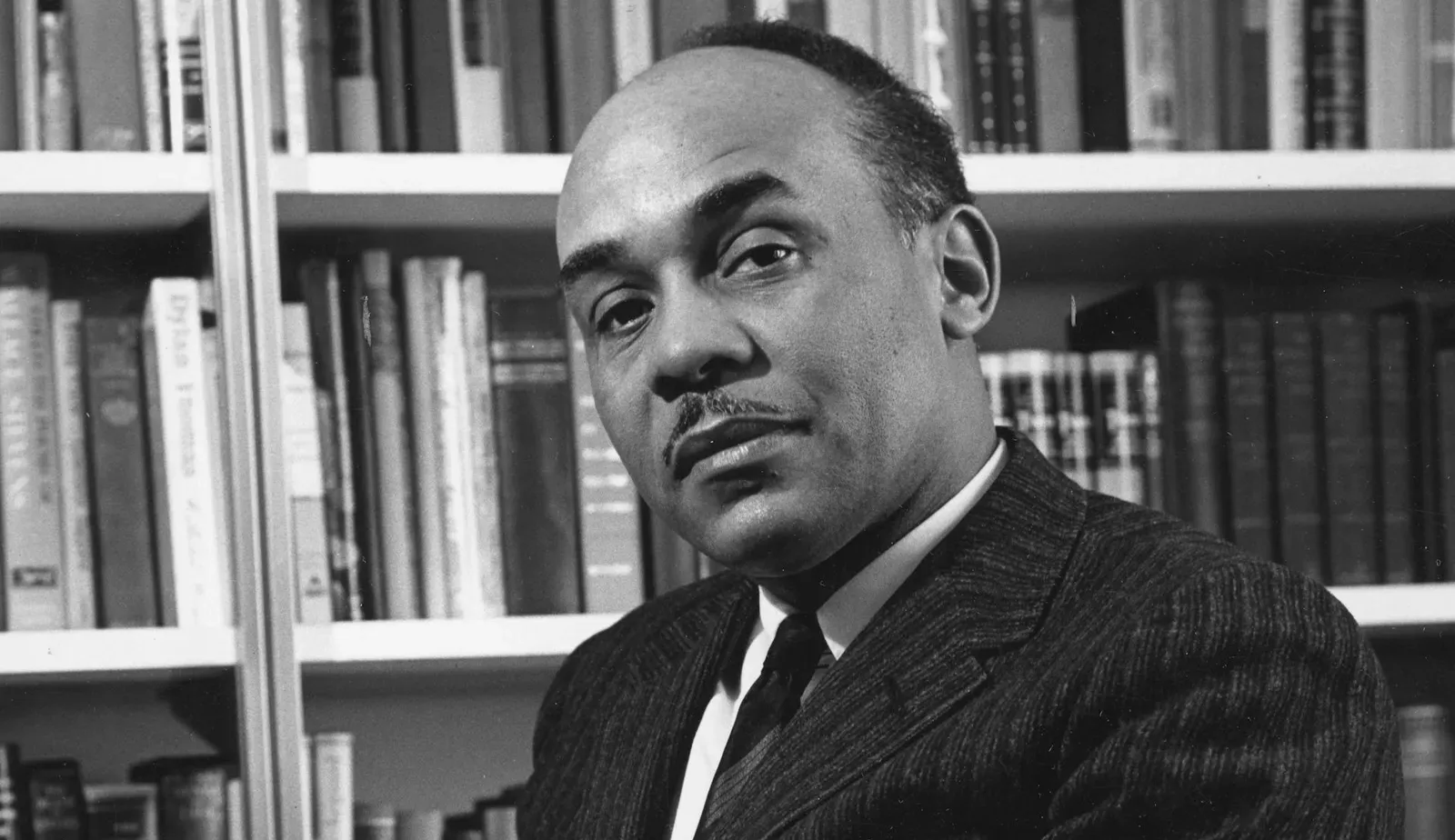
Ralph Ellison published Invisible Man in 1952, following an unnamed Black narrator navigating identity, race, and disillusionment across the American South and Harlem. The novel won the National Book Award for Fiction in 1953, making Ellison the first Black author to receive that honor. Its central metaphor, that the narrator is socially invisible to the world around him, has become one of the most cited images in American literary criticism.
Ellison spent roughly seven years writing the novel and never completed a second one during his lifetime, though a follow up titled Juneteenth was assembled from his notes and published posthumously in 1999. Invisible Man consistently appears on lists of the greatest American novels of the twentieth century, including rankings by the Modern Library and Time magazine. It remains widely taught not just as historical document but as a still resonant meditation on visibility, identity, and belonging.
Each of these novels earned its reputation the slow way, through readers who kept recommending them long after the initial reviews faded. Together they cover roughly two centuries of storytelling, from Austen’s drawing rooms to Ellison’s Harlem, yet all eight still find new readers every year who finish them and immediately understand why they endure.