There’s a certain kind of TV fan who doesn’t need dialogue, music cues, or a familiar face to know exactly what they’re watching. One glance at a couch, a kitchen counter, or a stretch of hallway and the whole show snaps into focus. Set design does a lot of quiet work in television, often more than viewers realize, and the best ones become as recognizable as the actors who walk through them. Some sets get rebuilt from scratch for spinoffs and reboots. Others survive decades of syndication reruns, becoming visual shorthand for an entire era of television. Below are six sets that have earned near-instant recognition, along with the details that made them stick in the cultural memory.
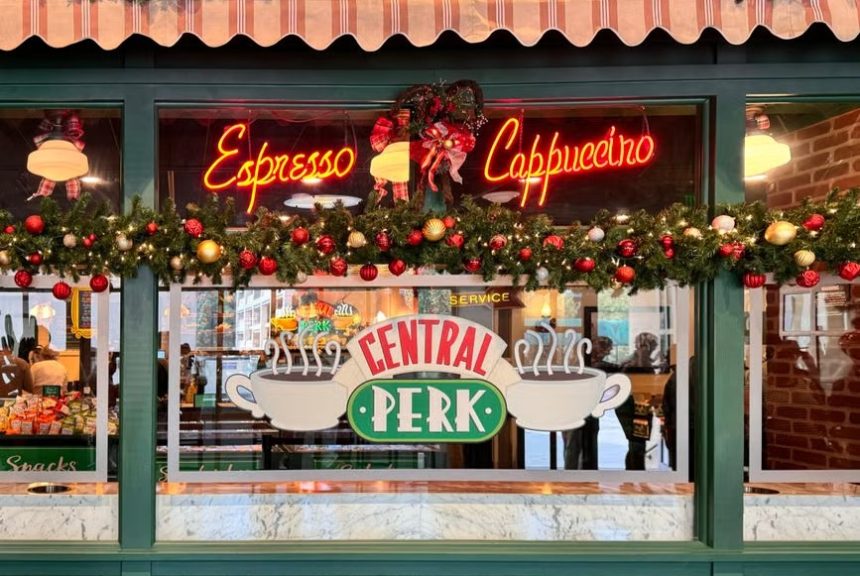
The Central Perk coffee shop from Friends

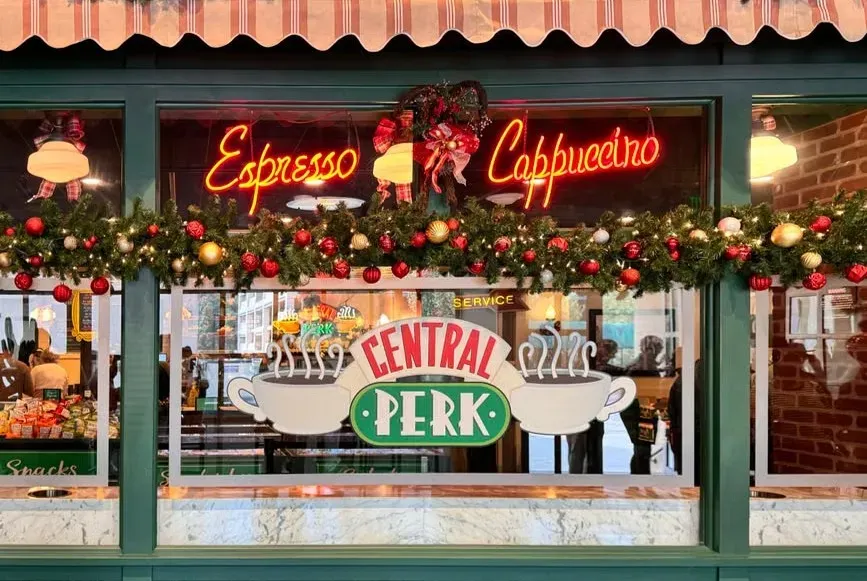
The orange couch alone could probably win this game without any other visual cues attached to it. Central Perk’s mismatched armchairs, exposed brick, and cluttered counter became one of the most photographed fictional interiors of the 1990s, and the set has been recreated for pop-up experiences in cities including London and New York in recent years.
What made the coffee shop so effective wasn’t luxury, it was familiarity. The lived-in clutter, the chalkboard menu, the slightly worn upholstery all signaled a hangout spot rather than a soundstage. Warner Bros. Studio Tour Hollywood still displays a recreation of the set, and it remains one of the most requested stops for visitors touring the lot.
The apartment building courtyard from Only Murders in the Building


The Arconia’s courtyard, with its ornate ironwork and old New York grandeur, has become one of the more distinctive locations to emerge from a streaming series in recent years. The show, which has continued releasing new seasons through 2025 on Hulu, relies heavily on the building’s Gothic Revival detailing to set its tone somewhere between comedy and mystery.
Much of the exterior work draws on New York’s Upper West Side architecture, blending real location shots with soundstage interiors built to match. The courtyard fountain and tiled archways give the space a theatrical quality that feels distinct from typical sitcom or drama sets, which helps explain why fans can usually place a single frame of it without hesitation.
The Bluth model home from Arrested Development

Few sets carry as much visual irony as the unfinished, staged model home the Bluth family lived in after their fortune collapsed. The half-furnished rooms, exposed wiring, and absurdly placed staging props became a running visual joke throughout the series’ original Fox run and its later Netflix seasons.
The production leaned into the artificiality on purpose, since the joke was that the family was squatting in a literal advertisement for a home they couldn’t sell. That deliberate incompleteness, oddly enough, is exactly what makes the set so identifiable. A single frame showing that stark, showroom-style living room immediately signals the show’s specific brand of deadpan comedy.
The Krusty Krab interior from SpongeBob SquarePants

Animated sets count too, and few are as globally recognized as the Krusty Krab’s nautical, wood-paneled dining room. Nickelodeon’s flagship series has aired continuously since 1999, and the restaurant’s anchor-shaped light fixtures and porthole windows have become instantly identifiable even to viewers who haven’t watched an episode in years.
Part of the set’s staying power comes from its simplicity. The color palette, the cash register, the grill visible just behind the counter, all of it stays consistent enough that a single still frame reads clearly even out of context. Few animated interiors have proven as durable across a quarter century of reruns and merchandise.
The Roy family boardroom from Succession


Waystar Royco’s glass-walled boardroom, with its cold lighting and sweeping city views, became a visual signature for HBO’s drama about a media dynasty tearing itself apart. The show wrapped its fourth and final season in 2023, but the boardroom set has remained a frequently referenced image in discussions of prestige television design.
The room’s sterility was intentional, built to emphasize distance rather than warmth. Sharp angles, minimal color, and reflective surfaces created a space where every conversation felt transactional, and that visual coldness became as recognizable as any character’s face. Production designers have spoken about using architecture to reflect power imbalances, and the boardroom is often cited as one of the clearest examples of that approach in modern television.
The Byers house living room from Stranger Things


The cluttered, wood-paneled living room where much of the Byers family’s storyline unfolds has become one of the most visually referenced sets to come out of Netflix’s catalog. Christmas lights strung along the wall, a rotary phone, and dated 1980s furniture all work together to root the show firmly in its period setting.
The production design team built the set with heavy attention to early 1980s middle class interiors, right down to the wallpaper patterns and lighting fixtures. With the show’s final season arriving in 2025, that living room has become one of the more enduring images tied to the series, largely because it doubles as both a family home and a set piece for some of the show’s most tense supernatural sequences.
The diner from Twin Peaks

The Double R Diner’s checkered floors, red vinyl booths, and neon signage created one of television’s most atmospheric small town settings when the show debuted in 1990. Its unusual blend of coziness and unease became a defining visual trait of David Lynch’s approach to the series, and the diner has remained a touchstone for shows attempting similar tonal balancing acts.
The location used for filming, a real diner in North Bend, Washington, still draws visitors interested in the show’s legacy decades later. Its continued relevance says something about how effectively the set captured a specific mood, one that blended American small town nostalgia with something quietly off kilter just beneath the surface.