Some songs never got a proper follow-up, and somehow that made them bigger. They showed up once, took over every radio station and dance floor in the country, and then the artist behind them quietly faded from the charts. If you can hum along to every one of these without needing to check the title, congratulations, your musical instincts were shaped by some genuinely strange and wonderful decades of pop. There’s a particular kind of nostalgia tied to one-hit wonders that other songs just don’t have. A band’s greatest hits album doesn’t hit the same way as a single, perfect, never-repeated moment of chart domination. Here are ten of them worth remembering, and a bit of the story behind why they never got a sequel.
1. “Come On Eileen” by Dexys Midnight Runners

Few songs feel as distinctly “one and done” as this one, even though the band actually had a solid run of hits back home in the UK. The band are best known in the UK for “Come On Eileen” and “Geno,” both of which reached number 1 on the UK Singles Chart, and achieved five other UK Top 20 singles, though outside the UK they are largely considered a one hit wonder. In the US, though, it was a different story entirely.
The song reached number 1 in the United States on the Billboard Hot 100 during the week ending April 23, 1983, famously preventing Michael Jackson from having back-to-back number one hits, since “Billie Jean” held the top spot the previous week and “Beat It” took over the week after. It turned out to be the band’s only American success, as their follow-up single “The Celtic Soul Brothers” only reached number 86. A banjo and fiddle-driven song somehow beating out synth-pop for the top spot still feels a little improbable.
2. “Tainted Love” by Soft Cell

This synth-pop cover turned original song into a global sensation became one of the defining sounds of the early 80s new wave scene. Marc Almond’s vocal delivery, paired with that unforgettable bass synth hook, gave the track a menacing, moody energy that stood apart from the era’s brighter pop hits. It topped charts across Europe and became one of the most licensed and sampled songs of its decade.
Soft Cell never repeated that level of commercial success in the US, despite continuing to release music throughout the 1980s. The duo eventually split before reforming years later, but “Tainted Love” remained the song people associated with them. It’s a reminder that sometimes one track can outlive an entire career’s worth of other material.
3. “99 Luftballons” by Nena

A German-language anti-war anthem becoming an international pop staple is not exactly the most obvious path to stardom, yet that’s precisely what happened with Nena’s biggest hit. The song’s origin, reportedly inspired by watching balloons released at a Rolling Stones concert, gave it an oddly whimsical premise for a track about nuclear tension. It became a defining song of the Cold War era’s pop culture landscape.
Nena continued making music in Germany for decades afterward, but international audiences largely knew her for this single song. An English-language version was also released, though the German original remains the more iconic take. It’s one of those rare songs that crossed a language barrier almost entirely on the strength of its melody.
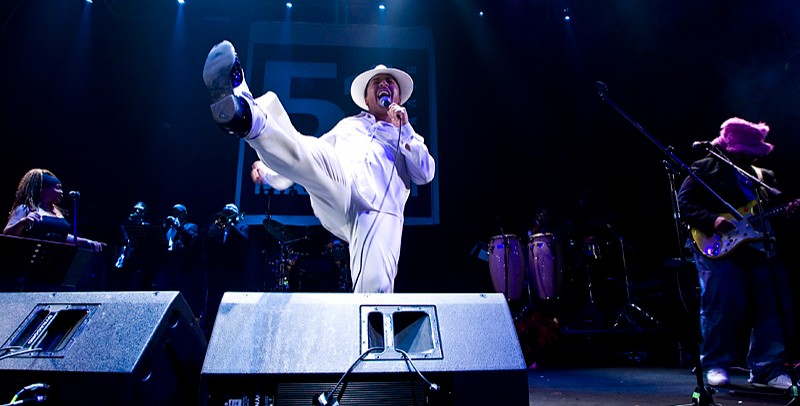
4. “Whoomp! (There It Is)” by Tag Team

This one is inseparable from stadium arenas, wedding receptions, and basically any gathering that needed an instant energy boost. The song was released in May 1993 by the American hip-hop duo Tag Team as the first single from their debut album, written by members Cecil Glenn and Steve Gibson. It reached number 1 on the Billboard Hot R&B chart and number 2 on both the Billboard Hot 100 and the Cash Box Top 100 Pop Singles.
The song reached multi-platinum status and broke records for the number of consecutive weeks in the Billboard top 10, and Tag Team is considered a one-hit wonder since their subsequent singles never matched that success. It has remained a pop culture staple with multiple placements in film, television, and advertisements, and has endured as a mainstay at sporting and arena events. Few songs from 1993 have aged this well in terms of continued cultural relevance.
5. “Macarena” by Los del Río

This one turned into more than a song, it became a full dance craze that spread through weddings, school gyms, and sports arenas around the world. Los del Río, a Spanish flamenco duo who had actually been performing since the 1960s, suddenly found themselves with a global phenomenon on their hands in the mid-1990s. The remixed version by the Bayside Boys is the one most people actually know, complete with English lyrics woven into the Spanish original.
Despite the massive success, the duo never came close to replicating it with any other track. They continued performing in Spain, largely as a nostalgia act tied to this one song. It’s a strange fate for musicians who had a long career before the world even noticed them.
Partner offer
6. “Who Let the Dogs Out” by Baha Men
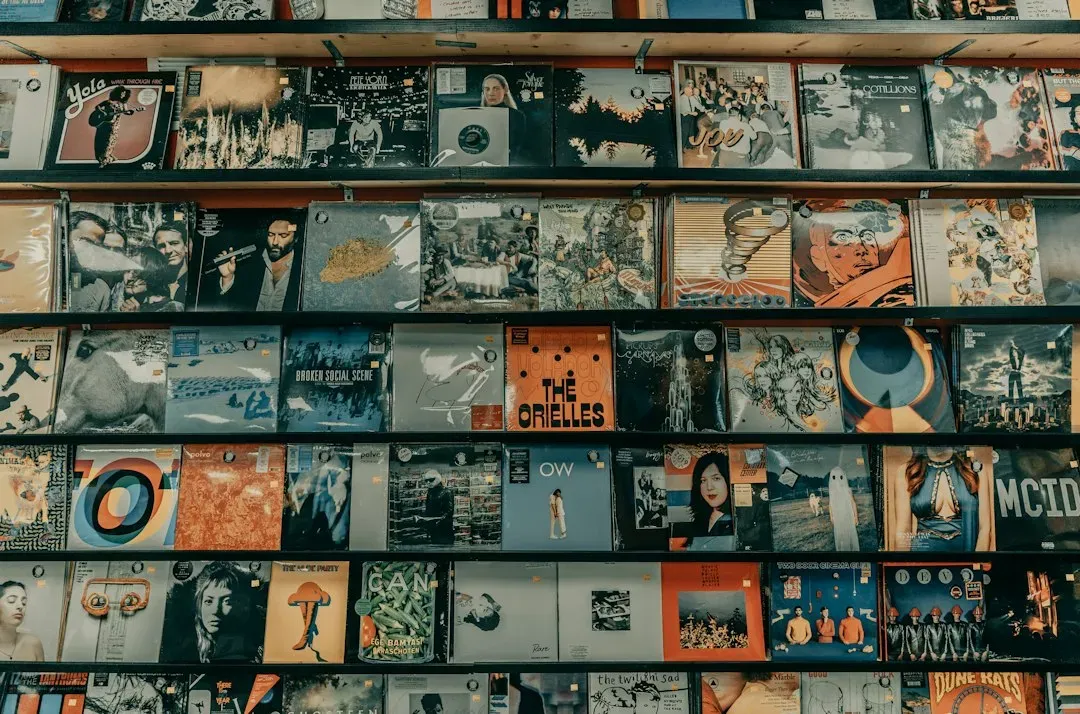
Few songs generate as much instant recognition from just four words as this one does. The Bahamian group actually had a fairly long history performing junkanoo-influenced music before this track picked up steam through sports arenas, movie trailers, and constant radio play in the early 2000s. It became inescapable for a stretch, showing up everywhere from hockey games to children’s movies.
The origins of the song are actually a bit murkier than most people realize, since it was originally written and recorded by other artists before the Baha Men’s version became the definitive one. Regardless of who wrote it first, this version is the one that stuck in the cultural memory. The band never came close to matching that level of visibility again.
7. “Mambo No. 5” by Lou Bega
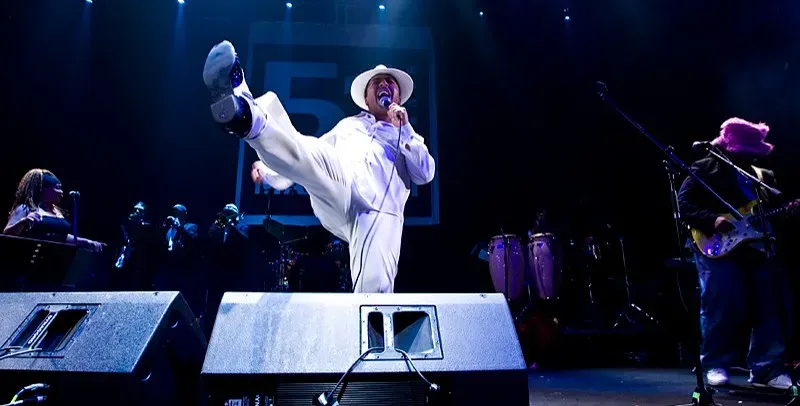
This one arrived at the tail end of the 90s and immediately became one of those songs that felt inescapable for an entire summer. Lou Bega’s take on a mambo-inspired dance track, built loosely around an older Pérez Prado composition, turned into a worldwide hit thanks to its playful lyrics naming a rotating cast of women. It topped charts across Europe and made a significant dent in the US as well.
Bega continued releasing music afterward, but nothing else broke through with the same force. The track has remained a fixture at parties and on throwback playlists decades later. There’s something almost absurdly catchy about it that has kept it from fading entirely, even as its creator largely did.
8. “Video Killed the Radio Star” by The Buggles

This one holds a strange kind of historical weight beyond just being catchy, since it became the very first music video ever played on MTV back in 1981. The Buggles, a British duo, wrote a song about the anxiety of television replacing radio, not realizing it would end up symbolizing the exact shift it was describing. The irony of that timing has followed the song for decades.
Despite the historical significance, The Buggles never had another hit anywhere close to this one’s scale. One of the group’s members, Trevor Horn, went on to a highly successful career as a producer for other artists, which somewhat softens the one-hit label. Still, as a performing act, this was their singular moment in the spotlight.
9. “Turning Japanese” by The Vapors

This British new wave track became one of the more curious hits of the early 80s, driven by a buzzing guitar riff and lyrics that have been debated for decades regarding their actual meaning. The Vapors were a fairly short-lived band, and this song represented the commercial peak they never managed to reach again. It found solid chart success in both the UK and the US.
The band broke up not long after, and while there have been occasional reunions and re-releases over the years, nothing else from their catalog reached a similar audience. The song has continued to surface in movies and television soundtracks looking for an instant early-80s signal. It remains one of those tracks that people recognize instantly, even if they’ve forgotten who made it.
10. “Somebody That I Used to Know” by Gotye
This more recent entry proves that the one-hit wonder phenomenon didn’t stop happening once streaming took over. Gotye, an Australian musician who had actually built a respectable following in his home country before this track, saw it explode internationally around 2011 and 2012. The stripped-down production and the vocal contribution from Kimbra gave it a distinct, minimalist sound that stood out against the more polished pop of that era.
It topped charts in numerous countries and won major awards, including recognition at the Grammys. Despite that massive reach, nothing else from Gotye’s catalog came close to matching it commercially in international markets. It’s a modern example of how even in the streaming age, a single song can define an artist’s global reputation almost entirely on its own.
Why These Songs Still Matter

Partner offer
Planning a trip to Vegas?
Compare hotel rates and show tickets on VEGAS.com.