Every big-budget movie carries risk, but nothing tests a studio’s nerve quite like the decision to go back and reshoot large chunks of a nearly finished film. Sometimes it’s a director exit, sometimes it’s a test screening disaster, and sometimes it’s simply a script that never quite worked in the first place. Whatever the trigger, the fix is rarely cheap.
Reshoots have become such a normal part of blockbuster filmmaking that studios now budget for them in advance. Still, a handful of productions blew past any reasonable contingency plan, ballooning budgets by tens or even hundreds of millions of dollars. Here are ten of the most expensive examples from the last decade and a half.
Justice League (2017)
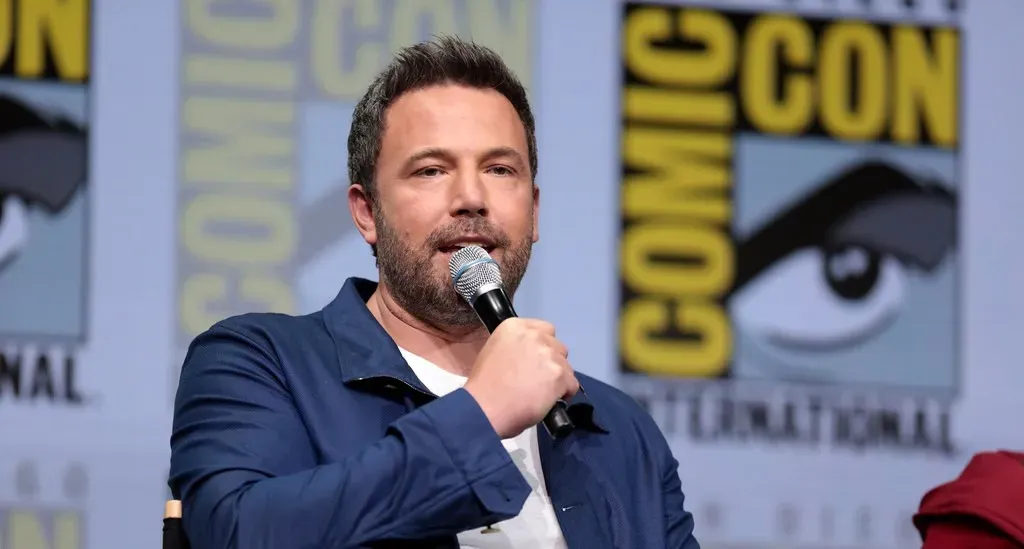
When Zack Snyder stepped away from Justice League following a family tragedy, Joss Whedon took over and rewrote large portions of the film. The budget soared to a reported $300 million, making it one of the most expensive projects ever mounted. Reshoots alone were reported at a striking figure, since Warner Bros. spent approximately $25 million on the extensive reshoots.
That number stood out because, as reporting at the time noted, reshoots typically cost between $6 million and $10 million, so Justice League proved to be much trickier, namely getting the cast back, adding in scenes and dialogue, and much more. Part of the complication involved Henry Cavill’s mustache, which he could not shave for a Mission: Impossible role and had to be digitally removed in post-production. The film made money at the box office but never came close to recouping its full production and marketing spend for Warner Bros.
Zack Snyder’s Justice League (2021)
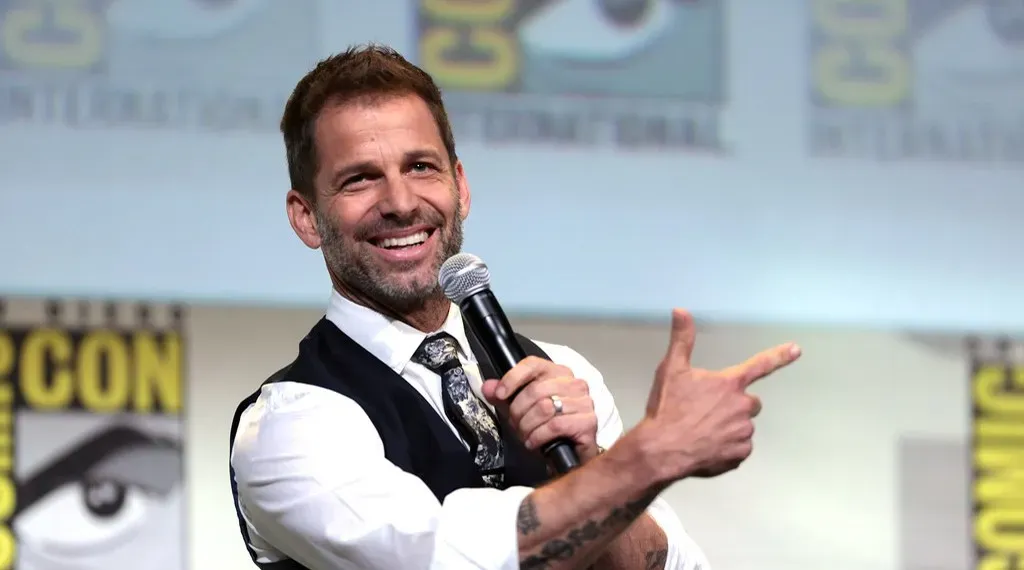
The story didn’t end with the theatrical cut. Years of fan campaigning eventually convinced Warner Bros. to fund a separate version built from Snyder’s original footage, and that project required its own new photography. The reshoots cost a reported $70 million “to undo Whedon’s redo.”
That additional spend came on top of an already expensive theatrical release. Between the two releases, the film cost Warner Bros. an estimated $370 million to make, $300 million for the first version and an additional $70 million for the Snyder Cut. Few franchises have absorbed the cost of essentially remaking the same movie twice, which makes Justice League something of a case study in reshoot economics gone to extremes.
Solo: A Star Wars Story (2018)
Four months into production, Lucasfilm fired directors Phil Lord and Christopher Miller over creative differences and brought in Ron Howard to finish the job. The overhaul was not minor. It was mandated that 85% of Lord and Miller’s Solo be reshot, including second unit material, and Howard’s work ultimately comprised 70% of the finished film.
The financial toll matched the scale of the do-over. At $250 million, the origin story became one of the most expensive Star Wars productions to date. Actor Michael K. Williams could not return for his role due to other commitments, so the part was recast with Paul Bettany, adding yet another layer of cost and complication to an already troubled shoot.
World War Z (2013)
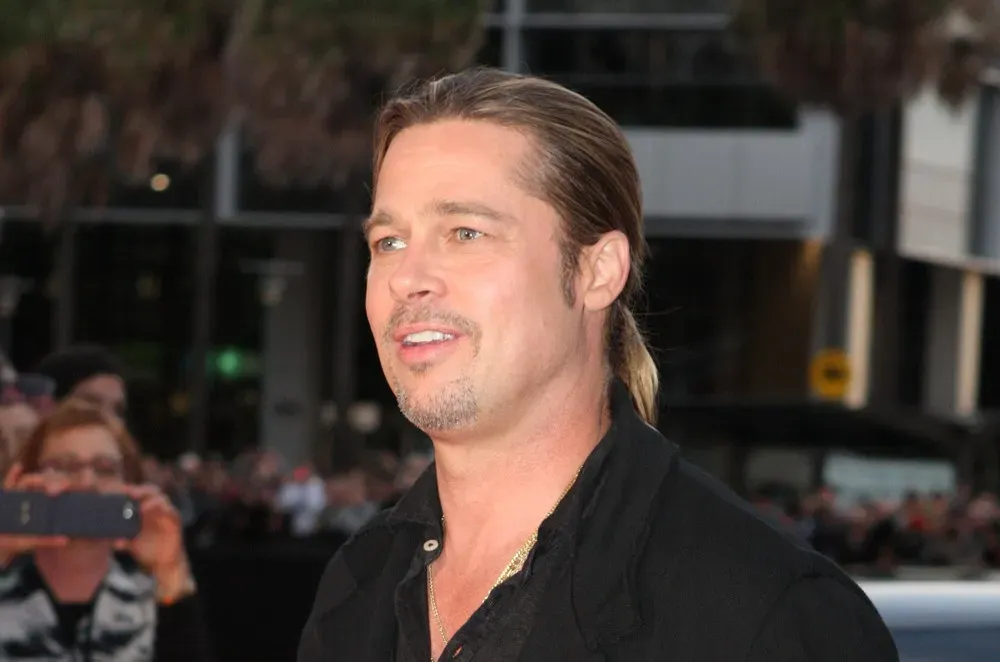
Brad Pitt’s zombie epic ran into trouble when studio executives grew uneasy with the third act director Marc Forster had shot. A Vanity Fair report revealed that nearly half of the film, around 40 minutes, had to be re-shot and rewritten, with the budget skyrocketing to around $200 million.
Paramount brought in Lost co-creator Damon Lindelof to rework the ending, and the studio chose the more ambitious of two options he presented. World War Z’s budget escalated to $190 million from an initial $150 million, extensive reshoots were ordered, and a first cut of the film was so uneven that Pitt deemed it “atrocious.” The gamble ultimately paid off at the box office, but the production remains a textbook example of a script problem discovered far too late.
Rogue One: A Star Wars Story (2016)
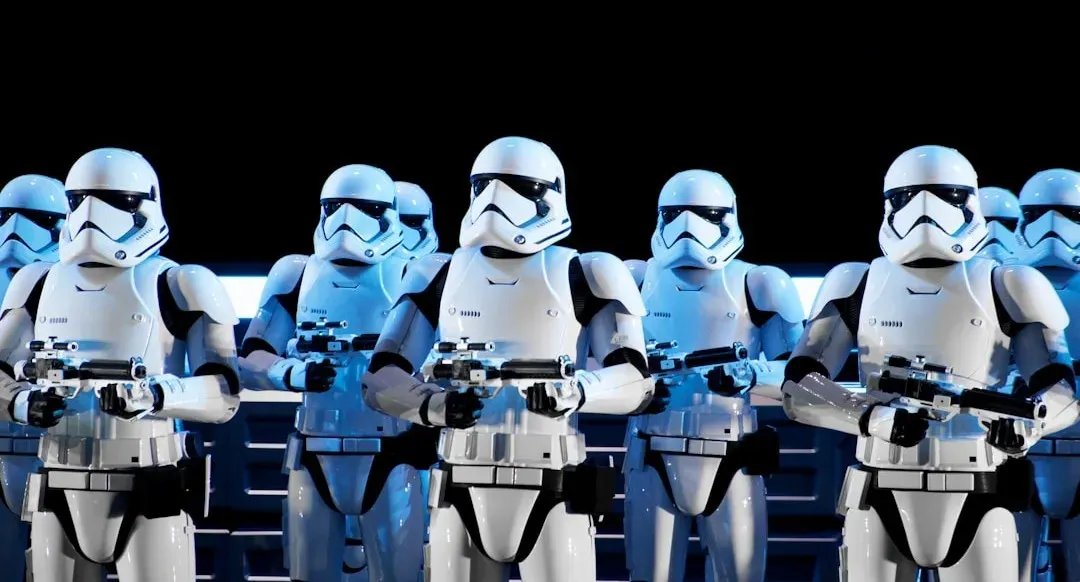
Lucasfilm brought in screenwriter and director Tony Gilroy to oversee substantial reshoots on this Star Wars spinoff after early cuts tested as tonally uneven. Reports at the time described the reshoots as extensive, involving new scenes, altered character arcs, and a notably darker final act than what had originally been shot. Warner Bros. and other studios later pointed to Rogue One as the model for how a troubled production could be salvaged through decisive, well-funded reshoots.
The financial cost was significant even if never fully disclosed in exact figures, with estimates from entertainment trade press at the time suggesting tens of millions of dollars in additional spending. Despite the turbulence, the film was well received by critics and fans, which helped normalize the idea that heavy reshoots on a Star Wars project were not necessarily a warning sign. It set a precedent that Lucasfilm would lean on again with later films in the franchise.
Partner offer
Star Wars: The Rise of Skywalker (2019)
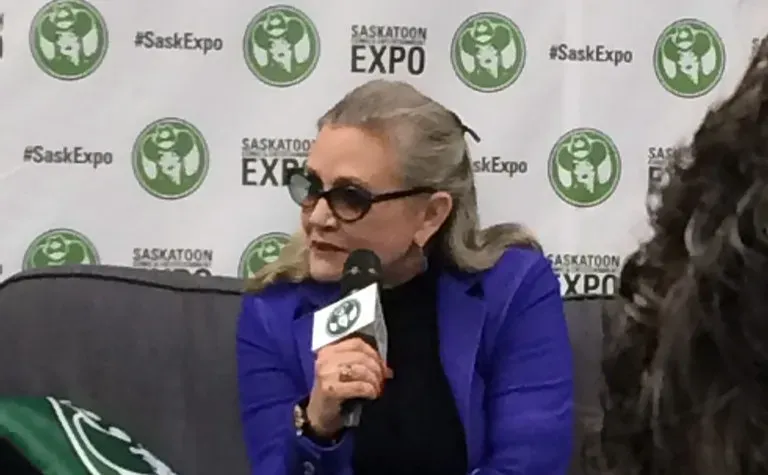
Colin Trevorrow was originally set to direct Episode IX before being let go over disagreements with Lucasfilm about the script’s direction. J.J. Abrams stepped back in to close out the sequel trilogy he had started, which meant significant rewriting and new principal photography rather than a simple continuation of someone else’s plan. The change happened early enough to avoid the kind of mid-shoot chaos seen on Solo, but it still added considerable cost and schedule pressure.
Industry estimates placed the film’s production budget in the hundreds of millions once reshoots, effects work, and the compressed post-production schedule were factored in. Fans and critics remain divided on the final result, with many pointing to the abrupt directorial change as the root of the film’s uneven tone. It stands as one of the clearer examples of how a late change in creative leadership can ripple through a production’s entire budget.
Suicide Squad (2016)
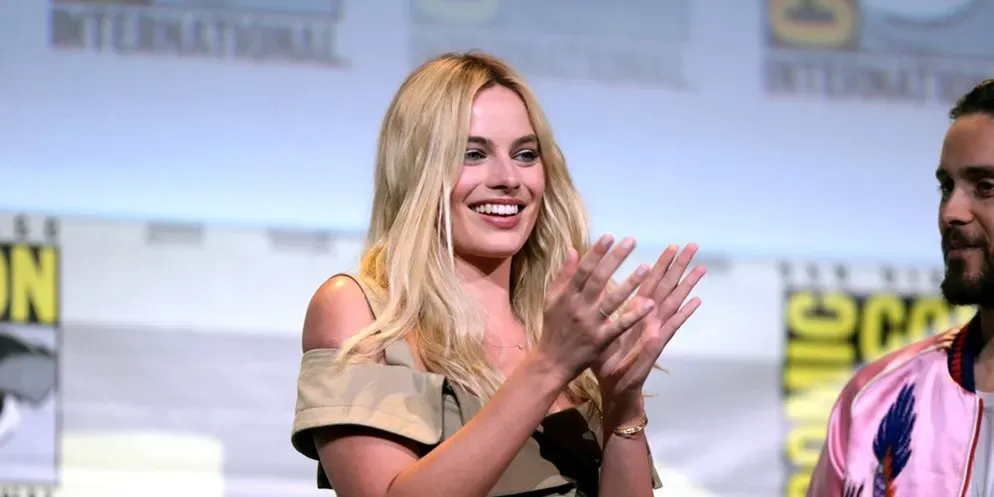
Warner Bros. faced a public relations problem after Batman v Superman: Dawn of Justice was criticized for being too dark and joyless. With Suicide Squad already in post-production, the studio reportedly ordered additional reshoots aimed at injecting more humor and a lighter tone into the film, partly using a trailer editing house rather than the film’s original crew for some of the new footage. The shift in approach became a widely discussed example of a studio trying to course correct mid-stream based on marketing feedback rather than filmmaker intent.
The extra work added meaningfully to a budget that was already sizable for a comic book ensemble film. Critics later pointed to the tonal whiplash between the reshot comedic beats and the darker material that remained as evidence of how visible these last-minute changes can be on screen. The film performed well commercially despite the mixed reception, but it became a cautionary tale about reshoots driven by anxiety rather than creative clarity.
Sonic the Hedgehog (2020)
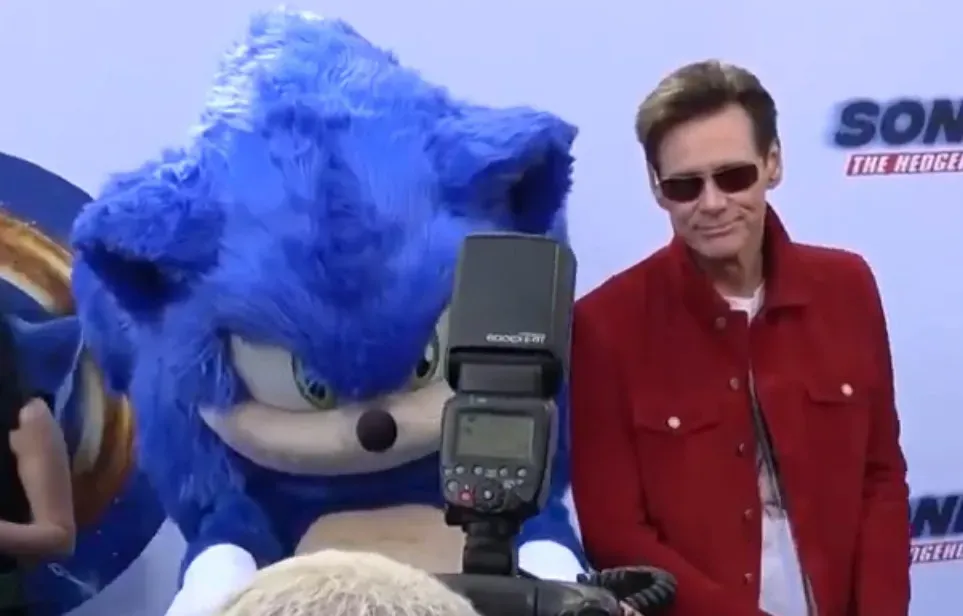
Paramount’s first live-action Sonic movie ran into trouble the moment its debut trailer went online. Immediately, the film received a wave of backlash from the Internet, resulting in 18.6 million views in the first two days and hundreds of thousands of dislikes. The studio made the unusual decision to delay the film and send the character back for a redesign closer to his video game appearance.
Compared to some of the disasters on this list, the fix turned out to be relatively affordable. A source close to the “Sonic the Hedgehog” production estimated the character redesign cost Paramount less than $5 million. Given the film’s roughly ninety million dollar budget, that was a modest price to pay, and the goodwill it generated likely contributed to the franchise’s strong box office run in the years since.
Men in Black 3 (2012)
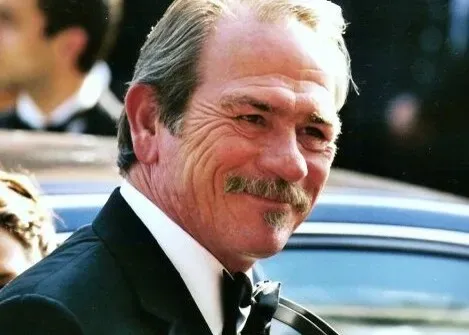
This sequel became notorious in Hollywood circles for beginning production without a finished script, a decision that led to constant rewrites and reshoots throughout filming. Reports from the time described a chaotic set where scenes were being reworked on the fly, forcing the crew to shoot around gaps in the story that hadn’t yet been resolved on paper. The uncertainty dragged the shoot out and required substantial additional photography once the ending was finally locked.
Industry estimates placed the film’s final budget well above two hundred million dollars, a steep price for a franchise sequel that had been expected to cost considerably less. The film performed reasonably well at the box office, but the production’s reputation as an example of poor planning has persisted in discussions about why studios now insist on locked scripts before cameras roll.
Fantastic Four (2015)
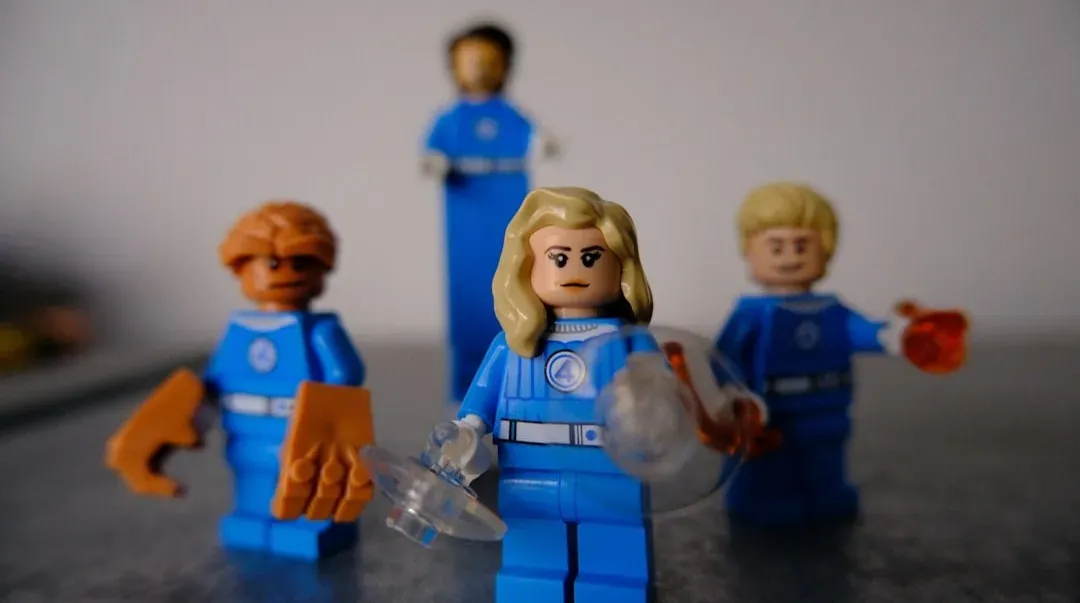
Director Josh Trank’s take on the Marvel property went through extensive reshoots and re-editing after early test screenings reportedly did not go well. Twentieth Century Fox pushed for changes to the film’s tone and structure, and the finished cut differed noticeably from what Trank had originally envisioned, according to accounts from people involved in the production. The tension between director and studio became public knowledge before the film even opened.
The film carried a production budget in the neighborhood of one hundred twenty million dollars, a substantial sum for a project that ultimately underperformed badly at the box office and was panned by critics. The fallout was significant enough that plans for a sequel were scrapped entirely, and the franchise sat dormant for years before Marvel Studios eventually reacquired the rights and started over from scratch.
Reshoots are rarely a sign that a film is doomed, and some of the titles above eventually found audiences despite their rocky paths to the screen. What they share is a common lesson for studios: fixing a movie after the fact is almost always more expensive, and more visible to the public, than getting it right the first time. The stakes only grow as production budgets climb, which means the next costly reshoot story is probably already unfolding somewhere in Hollywood right now.
Partner offer
Planning a trip to Vegas?
Compare hotel rates and show tickets on VEGAS.com.