



The 1980s gave the world some genuinely great music. It also gave the world some genuinely inexplicable music. Neon-colored, synthesizer-soaked, shoulder-padded music that felt completely normal at the time and now makes you want to stare quietly at the floor.
That’s the strange gift of nostalgia: it lets you love something and cringe at it simultaneously. The 16 songs below ruled the radio, dominated MTV, and wormed their way into a generation’s memory. Most of them still do. For better or worse.
1. “We Built This City” – Starship (1985)


“We Built This City” hit number one in 1985, but over time it became something of a punching bag, with critics singling out its overly slick production and muddled lyrics as a prime example of corporate rock at its worst. In 2004, Blender named it the most awesomely bad song of all time.
Jefferson Airplane had been a respected rock band in the 1960s, so their transformation into the sleek, commercial outfit called Starship felt like a jarring betrayal to many longtime fans. Oddly enough, Elton John lyricist Bernie Taupin is among the song’s co-writers, which only deepens the mystery of how it ended up quite so hollow.
2. “Sussudio” – Phil Collins (1985)

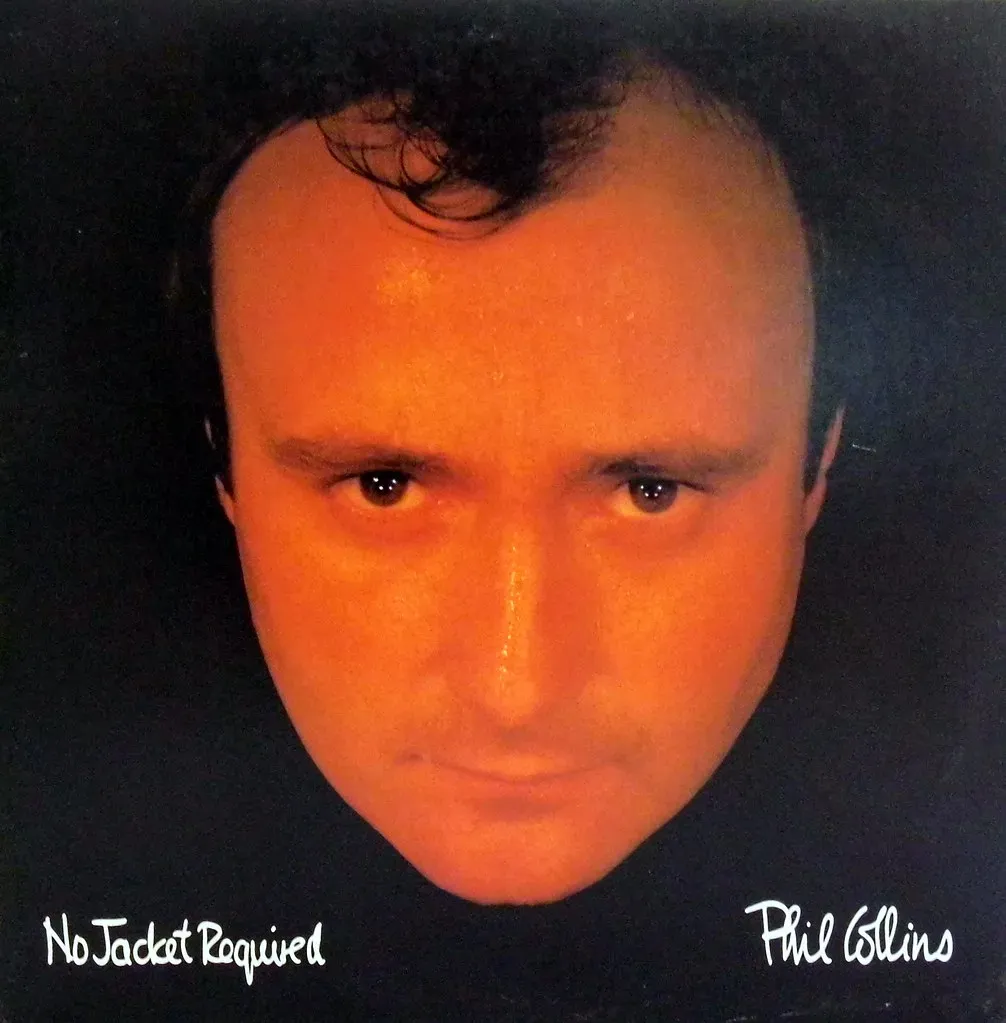
Phil Collins’ 1985 track “Sussudio” may still get toes tapping, but its made-up word chorus has long been singled out as one of the decade’s most cringe-worthy lyrical choices, with critics slamming it as “insipid” and “indefensibly stupid.” The song is built almost entirely around a word that means nothing at all.
That particular tension, a catchy beat paired with a chorus that makes no actual sense, is exactly why “Sussudio” still draws eye-rolls decades later. It charted high and sold well, which only makes the whole thing more confusing in retrospect.
3. “Kokomo” – The Beach Boys (1988)


A surprise hit in 1988, “Kokomo” is widely considered a low point for The Beach Boys, with critics blasting it as “smarmy vintage pop” and calling it the “worst summer song ever.” The music video landed on NME’s list of worst-ever videos.
The song’s lyrics read like a dull geography lesson listing tropical locations, and critics called it insipid across multiple worst-song lists over the years. The repetitive melody loops endlessly without delivering any of the spark that defined the band’s earlier work.
4. “Ebony and Ivory” – Paul McCartney & Stevie Wonder (1982)


Released in 1982, “Ebony and Ivory” used the black and white keys of a piano as a metaphor for racial harmony. Despite its well-meaning message, the single reached number one on both the UK and US charts. It spent seven weeks at number one on the Billboard Hot 100 in the US, making it a dominant commercial force of its year.
With its schmaltzy arrangement and rose-colored-glasses take on race relations, the song became an easy target for parody, most famously spoofed on Saturday Night Live in May 1982 with Joe Piscopo and Eddie Murphy in the lead roles. “Ebony and Ivory” mostly lives on today as an easy target, widely described as a gold standard for triteness.
5. “Rock Me Amadeus” – Falco (1986)


If you turned on any radio in 1985 or 1986, there was a solid chance you’d hear a voice rapping in German about the exploits of Mozart, with Falco prancing in a wig and powder on MTV. “Rock Me Amadeus” was as strange as it was unstoppable, a combination of over-the-top production and genuine charisma.
In 1986, the song hit number one on the US Hot 100, making it the first song recorded primarily in German to ever achieve that feat. Despite being undeniably catchy, the chants of “Amadeus” in the chorus and the icy synthesizer hook have a trippy, almost nightmarish quality that has not improved with age.
6. “The Safety Dance” – Men Without Hats (1983)

Men Without Hats seemed destined for novelty-act status from the start. Their idiosyncratic name was followed by the seemingly impossible-to-duplicate single “The Safety Dance,” which hit number two in 1983. The track was actually written as a protest against bouncers who were stopping fans from pogo-dancing in clubs, with lead singer Ivan Doroschuk writing it to remind people that they could dance wherever they chose.
The video is another matter entirely. Many fans and critics consider “The Safety Dance” video a strong contender for the worst of the entire decade, and that’s saying quite a lot. The medieval-themed visuals, complete with a jester and a dwarf in a countryside field, are somehow both charming and deeply baffling at the same time.
7. “Mr. Roboto” – Styx (1983)

Styx decided in 1983 that what the world needed was a rock opera about a robot prison. The result was “Mr. Roboto,” a song that’s part science-fiction concept album, part disco synth-pop, and entirely of its era. The song opens with robotic Japanese phrases and escalates from there.
The track is regularly featured on lists of the cheesiest songs and music videos from the 1980s. It was part of a full concept album called “Kilroy Was Here,” which the band took very seriously. Audiences, as it turned out, were somewhat less convinced.
8. “Don’t Worry, Be Happy” – Bobby McFerrin (1988)


This is the only fully a cappella song ever to reach number one in the US. That sound had been popular in the doo-wop era of the ’50s and ’60s but had fallen largely out of favor, making it something of a novelty by the late ’80s. The song won Grammy Awards for both Best Pop Vocal Performance and Song of the Year in 1989.
The relentlessly upbeat message wore thin quickly. McFerrin is very optimistic in the song, but the problems listed in the verses, including lost housing, no money, and a missing girlfriend, are the kinds of things that genuinely “don’t worry” probably won’t fix. In massive rotation on radio and MTV, it became one of those songs that people grew to love and resent in roughly equal measure.
9. “Agadoo” – Black Lace (1984)


The repetitive, conga-party lyrics of “Agadoo” made it such an embarrassing listen that BBC Radio 1 refused to play it. Yet the band leaned into the mockery, eventually building a cult following and even celebrating an “Agadoo Day.”
The song is essentially a series of nonsense instructions for a party dance. Push pineapple, shake the tree. Somehow it became a fixture at British holiday resorts and school discos throughout the mid-eighties. Nobody has ever been able to fully explain why, and most people who danced to it would prefer not to discuss it.
10. “Mickey” – Toni Basil (1982)

Before recording “Mickey,” Toni Basil was primarily a choreographer and dancer who had worked with David Bowie and Tina Turner. In 1982 she took the song “Kitty” by British band Racey and remade it as “Mickey,” with the relentless “you’re so fine” chant being her own innovation.
A cheerleader in high school, Basil made the super low-budget video cheerleader themed. The song reached number one in the US and became one of the decade’s most recognizable one-hit wonders. Revisiting it now, the cheerleader aesthetic and the repetitive chanting give it a quality that’s hard to describe as anything other than aggressively dated.
11. “Lady in Red” – Chris de Burgh (1986)


Chris de Burgh wrote “Lady in Red” after reportedly seeing his wife Diane across a crowded room in a red dress and not immediately recognizing her. That origin story is either very romantic or deeply awkward, depending on your perspective. The resulting ballad became a wedding staple for years.
The song’s hyper-sincere delivery and lush production felt earnest in the moment, but time has not been especially kind to it. Many listeners have come to regard “Lady in Red” as a classic, though firmly for all the wrong reasons. It’s one of those songs that somehow manages to be both completely inoffensive and entirely too much at the same time.
12. “Never Gonna Give You Up” – Rick Astley (1987)


Long before the internet turned Rick Astley into a meme, “Never Gonna Give You Up” was simply a very successful, very earnest piece of late-eighties pop. It hit number one in a remarkable number of countries and established Astley as one of the biggest acts of 1987. The disconnect between Astley’s age and the surprisingly deep baritone voice coming out of him genuinely confused people.
The song eventually became inescapable in a second wave, thanks to the “Rickrolling” internet phenomenon that peaked around 2008. The backlash that followed was perhaps inevitable, given that everyone had to hear it an almost uncountable number of times. Today it exists in a strange cultural space: simultaneously beloved and exhausting.
13. “Walk the Dinosaur” – Was (Not Was) (1987)


Was (Not Was) crafted a reasonably successful feel-good hit with “Walk the Dinosaur,” but the problem is fairly obvious: the song is ludicrously stupid, and the more you listen to it, the worse that quality becomes. The timing was right, though, and with MTV’s growing reach, the song received serious airplay despite the questionable premise.
The only truly memorable thing about the song is that it is, at its core, about dinosaurs. Everything else has aged poorly. It’s the kind of track that sounds like a bet that got out of hand, yet somehow ended up in a major studio with a full production budget behind it.
14. “Putting On the Ritz” – Taco (1982)


If you ever felt the need to take a campy 1920s hit single about dressing fashionably and update it for the modern age in the most jarring way imaginable, Taco’s version of “Putting On the Ritz” is probably the result you’d get. Irving Berlin wrote the original in 1929, and performers from Ella Fitzgerald to Fred Astaire had recorded it. Then, in the early 1980s, the über-European performer Taco recorded a sweet and creepy synthpop version.
The video, featuring Taco in top hat and tails surrounded by dancers in over-the-top period costume while a synthesizer wobbles in the background, is a document of its era in the most unintentional way possible. It charted well in several countries and remains one of the decade’s more inexplicable successes.
15. “Boys (Summertime Love)” – Sabrina (1987)

Italian singer Sabrina’s 1987 hit “Boys (Summertime Love)” is memorable primarily for its relentless repetition, with the real offenders being the corny synthesizers, awkwardly sung verses, and painfully derivative lyrics. The song’s video, which leaned heavily into a bikini-clad pool aesthetic, was as subtle as a foghorn.
There’s a certain entertainment value in turning off your brain for mindless pop music, but there are dozens of songs that accomplish that goal with more skill. Listen to this one on repeat and you may develop complicated feelings on the subject matter entirely.
16. “Ebony and Ivory” aside, “The Girl Is Mine” – Michael Jackson & Paul McCartney (1982)
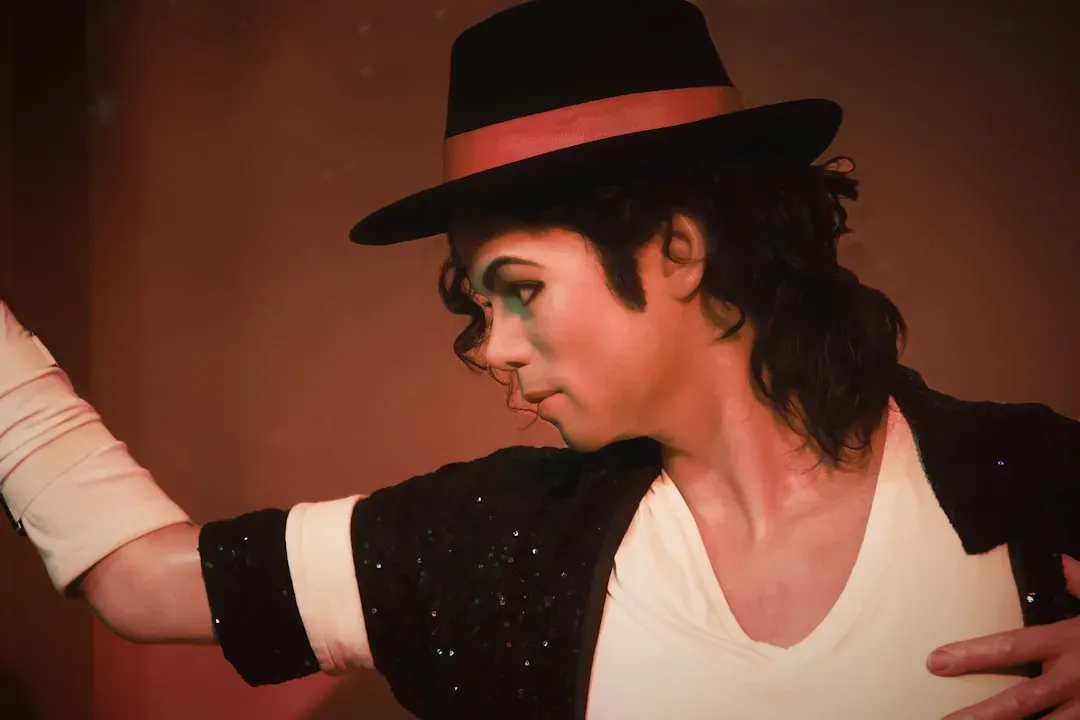
“The Girl Is Mine,” released in late 1982 from Michael Jackson’s “Thriller” album, features two of the most talented pop artists of the 20th century bickering in song over the same unnamed woman. The production is polished, the voices are undeniable, and the subject matter is the most cheerfully absurd premise either artist ever committed to tape. It includes a spoken-word argument between Jackson and McCartney that has to be heard to be believed.
The song has appeared on several retrospective lists of the most regrettable collaborations from the decade. It’s worth noting that the surrounding album, “Thriller,” is one of the best-selling records in history, which makes “The Girl Is Mine” stand out as the puzzling anomaly at the start of it all. Both artists have much better songs. This was not one of them.
The funny thing about all 16 of these songs is that most of them were genuine hits. People bought them, danced to them, and requested them on the radio. That’s not a criticism of anyone who grew up loving them. It’s more a reminder that taste is always shaped by context, and that what feels perfectly natural in one era can look genuinely mysterious from another angle. The ’80s offered that contrast in spades.


