There’s something that happens when you hear a certain synthesizer riff or catch a glimpse of a DeLorean on screen. It doesn’t matter how many years have passed – you’re twelve again, sitting cross-legged in front of the TV with a bowl of cereal, completely convinced that nothing in life would ever be as exciting as whatever was playing. For a long time, the 1980s were considered a questionable era for film – coming off the New Hollywood revolution, mainstream movies got bigger, louder, and more commercial – but looking back now, it’s easier to see how important and genuinely influential the period actually was.
So much happened at the movies in the 1980s. The blockbuster franchise was born, the romantic comedy entered its golden age, and thanks largely to John Hughes, the angsty teen movie became a genre all its own. These seven films didn’t just entertain – they shaped the way a whole generation understood friendship, adventure, fear, and what it meant to grow up. If any of them were part of your childhood, you already know exactly what we mean.
1. Back to the Future (1985)

Back to the Future is a 1985 American science fiction film directed by Robert Zemeckis. It stars Michael J. Fox, Christopher Lloyd, Lea Thompson, Crispin Glover, and Thomas F. Wilson, and follows Marty McFly, a teenager accidentally sent back to 1955 in a time-traveling DeLorean automobile built by his eccentric scientist friend Doc Brown, where he inadvertently prevents his future parents from falling in love – threatening his own existence. The premise sounds absurd on paper. In practice, it’s almost perfect filmmaking.
Back to the Future was a critical and commercial success, earning $381.1 million to become the highest-grossing film of 1985 worldwide. It received multiple award nominations and won an Academy Award, three Saturn Awards, and a Hugo Award, and its theme song, “The Power of Love” by Huey Lewis and the News, was also a hit. The film has since grown in esteem and is now considered by critics and audiences to be one of the greatest science fiction films ever made. In 2007, the United States Library of Congress selected it for preservation in the National Film Registry.
2. Raiders of the Lost Ark (1981)
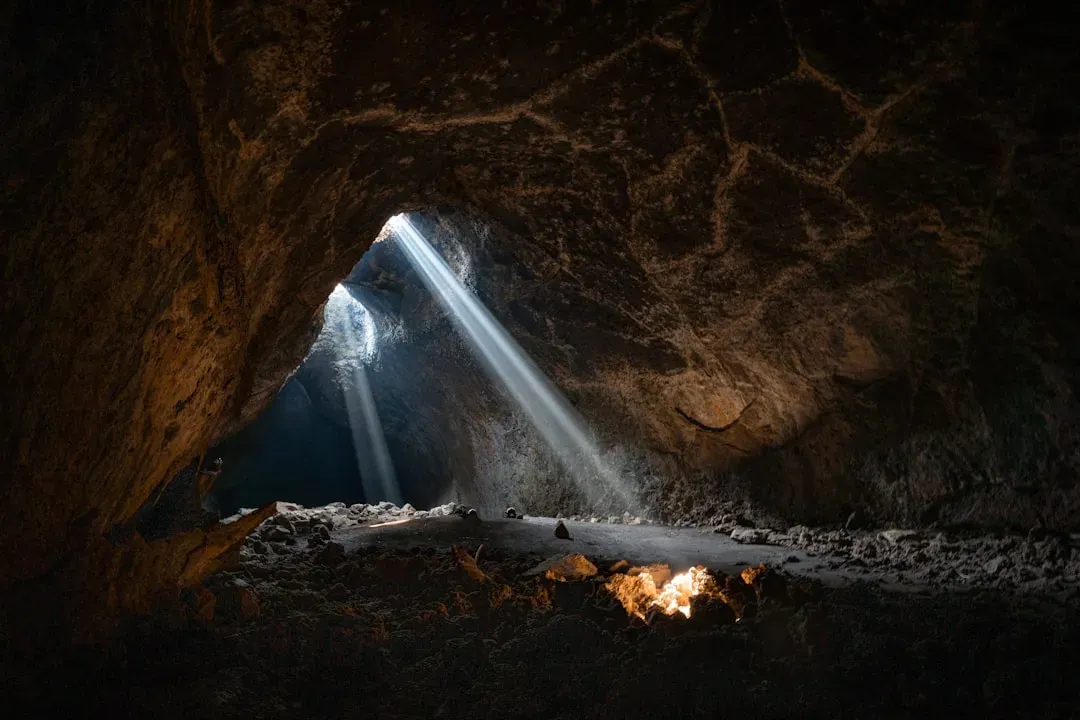
Indiana Jones and the Raiders of the Lost Ark (1981) was directed by Steven Spielberg and produced by George Lucas – a genuine dream team collaboration. The film follows archeologist Indiana Jones, played by Harrison Ford, racing Nazis to find the biblical Ark of the Covenant. Directed by Spielberg, it combines thrilling stunts, foreign locations, and a dash of humor, and immediately launched the series into legendary status. It’s the kind of movie that makes you forget to blink.
Raiders of the Lost Ark began the Indiana Jones series in style in 1981 and finished its domestic cinematic run with $212,222,025. Indiana Jones and the Temple of Doom and Indiana Jones and the Last Crusade were also released in the 1980s, making the decade a golden era for the whip-cracking archaeologist. Few adventure heroes before or since have felt quite so effortlessly cool, and few films have matched Raiders in delivering pure, crowd-pleasing spectacle that holds up just as well four decades later.
3. Ghostbusters (1984)
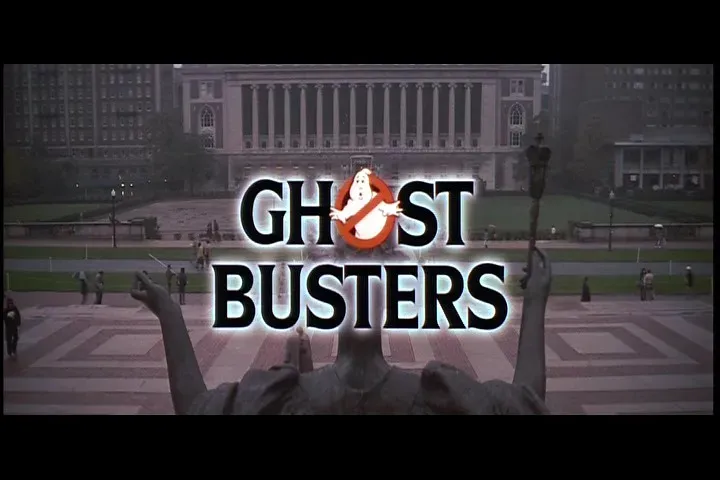
Ghostbusters is a 1984 American supernatural comedy film directed by Ivan Reitman and written by Dan Aykroyd and Harold Ramis. It stars Bill Murray, Aykroyd, and Ramis as three eccentric parapsychologists who start a ghost-catching business in New York City, and also features Sigourney Weaver and Rick Moranis. The chemistry between those leads is something that couldn’t be manufactured – it just happened, and audiences could feel it. It was the first comedy film to employ expensive special effects, which made it a genuinely different kind of experience for 1984 audiences.
Ghostbusters quickly became a smash hit, surpassing Indiana Jones and the Temple of Doom as the top-grossing film of the summer, and earned $229 million, making it the second highest-grossing film of 1984. The film featured a theme song by Ray Parker Jr. that became a hit, reaching number one on the Billboard Hot 100. Few films of the era managed to be genuinely funny, visually spectacular, and deeply rewatchable all at once – Ghostbusters pulled it off without breaking a sweat.
4. E.T. the Extra-Terrestrial (1982)
E.T. the Extra-Terrestrial follows an alien who befriends a lonely boy, Elliot, and must avoid authorities while returning home. Directed by Steven Spielberg and starring Henry Thomas and Drew Barrymore, it developed into a cultural phenomenon, shaping science fiction storytelling and becoming the decade’s top-grossing film. It’s the kind of movie that hits children and adults on completely different emotional frequencies – both of them devastatingly effective. A nine-year-old cries because a friend is leaving. A grown-up cries for every reason all at once.
Partner offer
E.T. the Extra-Terrestrial sits at the top of the list of the highest-grossing movies of the entire decade worldwide. Spielberg had already changed cinema once with Jaws and again with Raiders – E.T. was a different kind of achievement entirely. It proved that a blockbuster could be intimate and emotionally devastating, not just loud and spectacular. Decades on, that bicycle silhouetted against the full moon remains one of the most recognizable images in all of cinema.
5. The Breakfast Club (1985)

The Breakfast Club is a teen drama about five high school students from different cliques forced to spend a Saturday in detention together. Directed by John Hughes, the cult classic stars ’80s icons Molly Ringwald, Anthony Michael Hall, and Ally Sheedy. The premise is almost defiantly simple. Five kids, one room, eight hours. What Hughes did with that setup was nothing short of remarkable – he made every single one of them feel real.
The film explored themes of friendship, identity, and stereotypes, complete with an unforgettable fist pump before the credits rolled. The Breakfast Club (1985), directed by John Hughes, became an iconic teen comedy-drama. It’s the rare film that actually understood what it felt like to be a teenager – not as an adult looking back, but with a kind of raw, honest empathy that made young audiences feel genuinely seen. That hasn’t changed. New generations still find it, and it still hits exactly the same way.
6. Ferris Bueller’s Day Off (1986)
Written and directed by John Hughes, the creative force behind The Breakfast Club, Sixteen Candles, and Planes, Trains and Automobiles, the film stands as both a teen wish-fulfillment fantasy and a genuinely insightful meditation on youth, freedom, and the pressure to grow up. Hughes also made Ferris Bueller’s Day Off (1986) famous for the lead character’s “breaking of the fourth wall,” looking straight into the camera and talking directly to the viewer. It was a bold creative choice that made the whole film feel like a shared secret between Ferris and the audience.
Released by Paramount Pictures on June 11, 1986, the film became the tenth-highest-grossing film of 1986 in the United States, grossing $70.7 million over a $5 million budget. In 2014, the film was selected for preservation in the United States National Film Registry by the Library of Congress, being deemed “culturally, historically, or aesthetically significant.” Ferris Bueller’s Day Off also propelled the Beatles’ 1963 recording of “Twist and Shout” back onto the Billboard Hot 100, where it peaked at number 23 on September 27, 1986 – twenty-two years after its original US issue. That’s the kind of cultural ripple only a handful of films ever produce.
7. Blade Runner (1982)
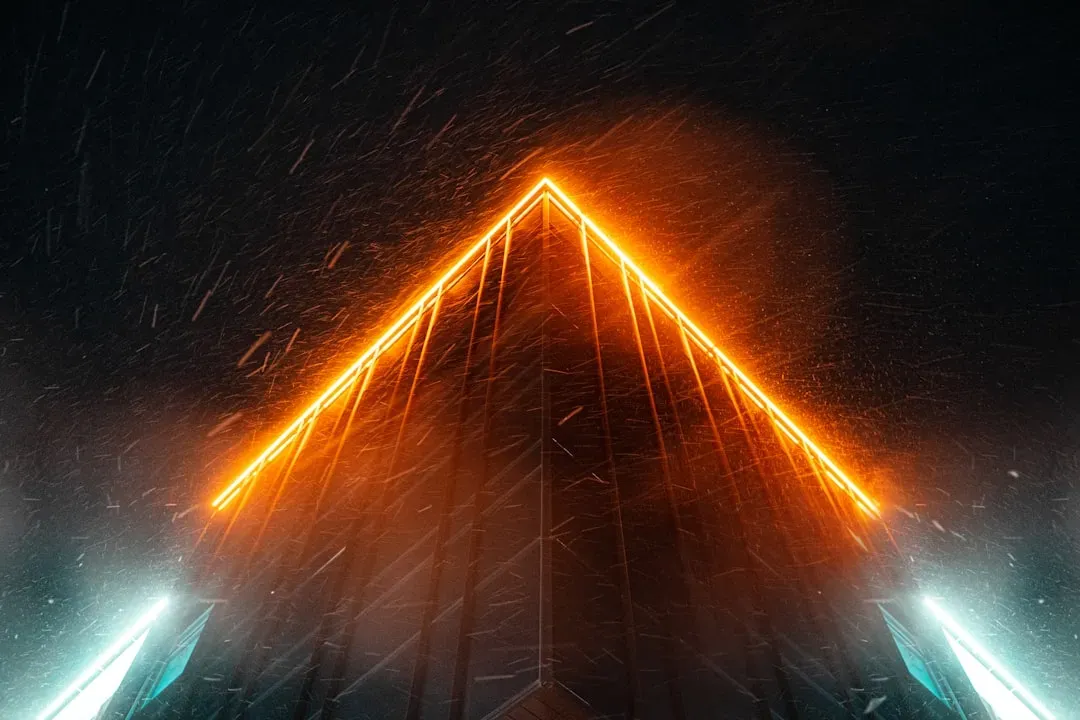
Blade Runner was considered a failure when it was first released. Audiences were not ready for the slow pace, the voice-overs, or the bleak vision of a dystopian Los Angeles. But time has more than vindicated this brooding, rainy masterpiece of science fiction noir. Directed by Ridley Scott, Blade Runner was initially a box office disappointment but later became a sci-fi classic. It’s one of the most striking examples in film history of an audience eventually catching up to a movie that was simply ahead of its time.
Set in a rain-soaked, neon-drenched Los Angeles of 2019, the film asked questions about memory, identity, and what it truly means to be human – questions that only grew more resonant with each passing decade. Blade Runner (1982) has since been repeatedly cited as one of the quintessential ’80s movies that demands repeat viewing. Its visual language went on to define an entire genre, influence countless filmmakers, and give birth to the cyberpunk aesthetic that still thrives in popular culture today. Few films have cast a longer shadow.
A Decade That Deserves Its Reputation
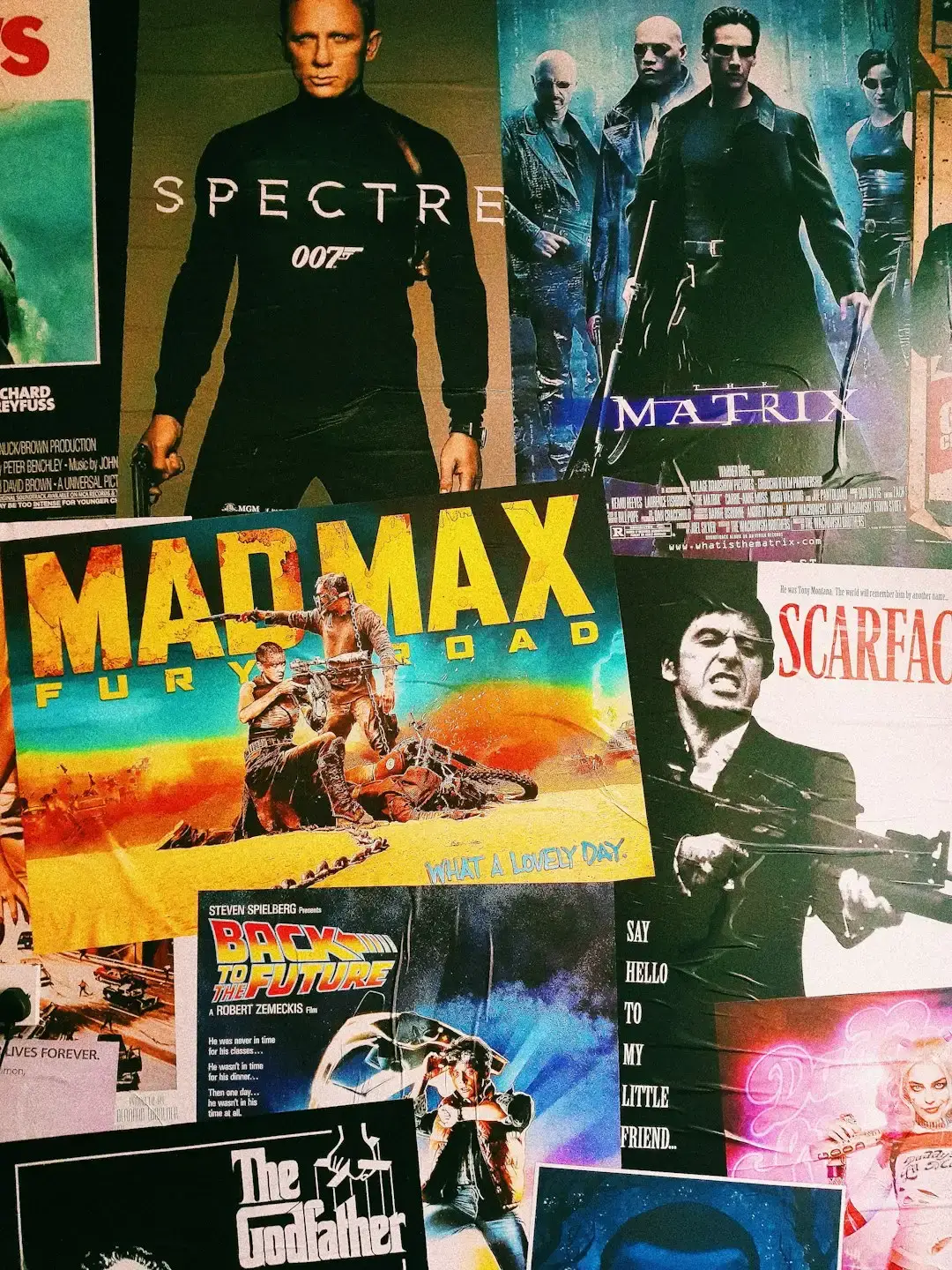
The 1980s were a time when the most popular movies were also among the best, and when the celebrated auteurs of the previous decade refined their approaches and did some of their most iconic work. That balance – mass appeal and genuine craft living in the same frame – is rarer than it sounds. These seven films all achieved it in their own distinct way, whether through heart, humor, spectacle, or something harder to name.
What makes these movies stick isn’t just nostalgia, though nostalgia certainly doesn’t hurt. It’s that they were made with a specific kind of belief – in story, in character, in the idea that an audience deserved to feel something real. The decade produced some of the most influential and iconic movies of all time, and these successful films continue to resonate with audiences now. If you grew up with these films, you know exactly why they still hold up. And if someone younger in your life hasn’t seen them yet, there’s no better time to fix that.
Partner offer
Planning a trip to Vegas?
Compare hotel rates and show tickets on VEGAS.com.