Hollywood loves a sure thing, and nothing feels safer on paper than returning to a franchise audiences already love. Trailers promise nostalgia, returning stars, and stakes bigger than ever before. Yet somewhere between the marketing blitz and opening weekend, a surprising number of these sequels have quietly become cautionary tales about the gap between hype and delivery. The last ten years gave us plenty of examples where anticipation wildly outpaced the finished product. Some of these films still made money. Others became genuine financial disasters. What they share is a widening gulf between what studios promised and what audiences actually got.
Jurassic World: Dominion
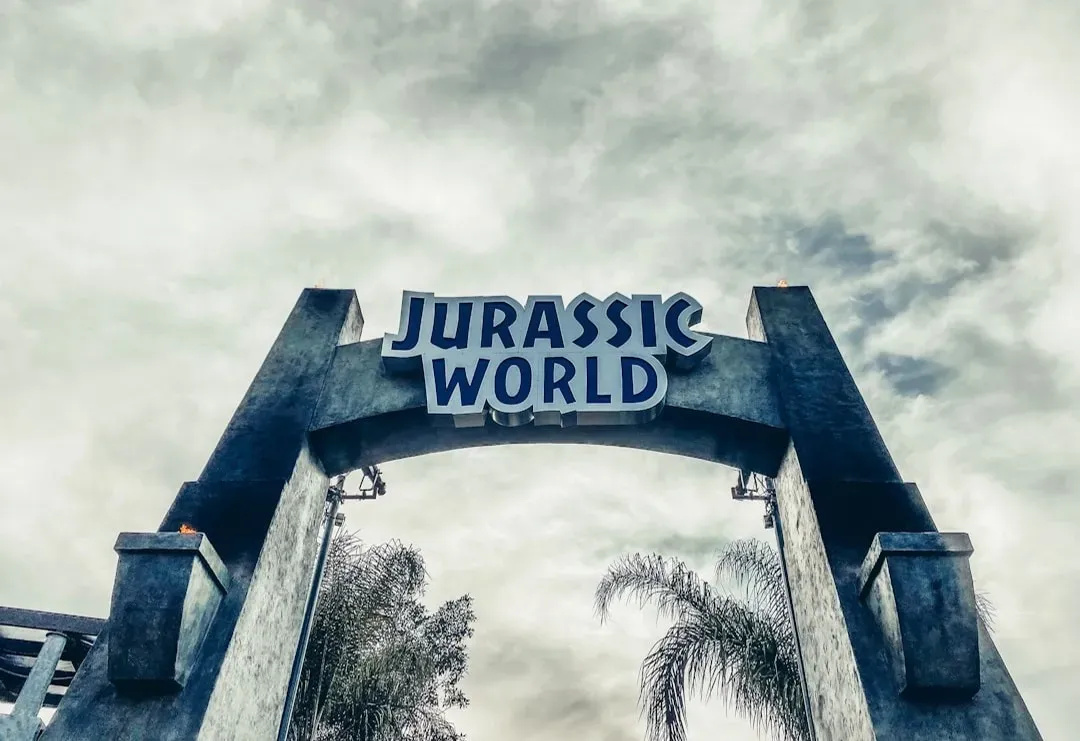
Billed as the grand finale uniting two generations of dinosaur hunters, Jurassic World Dominion brought back Sam Neill, Laura Dern, and Jeff Goldblum alongside Chris Pratt and Bryce Dallas Howard. The reunion generated enormous buzz throughout 2021 and early 2022, with fans expecting a fitting capstone to a franchise that started with Steven Spielberg’s original in 1993.
The finished film landed with a thud among critics. Despite grossing $1 billion at the box office, Jurassic World Dominion is the lowest-rated Jurassic Park movie on Rotten Tomatoes with a shocking 29% Tomatometer. The box office held up thanks to brand loyalty, but the disconnect between ticket sales and critical reaction made it one of the clearest examples of hype outrunning substance this decade.
The Flash
Few DC films arrived with more pre-release praise than The Flash. Early reactions from test screenings were so glowing that studio executives and even outside filmmakers publicly called it one of the best superhero movies ever made, setting expectations sky high months before release.
Reality proved far less kind. The Flash grossed $108.1 million in the United States and Canada, and $163.3 million in other territories, for a worldwide gross of $271.4 million, making it a box-office bomb with projected losses for Warner Bros. as much as $200 million. Rotten Tomatoes calculated that 63% of 390 critic reviews were positive, with an average rating of 6.3 out of 10, a respectable score that nonetheless fell well short of the “greatest superhero movie ever” chatter that preceded it.
Indiana Jones and the Dial of Destiny
Harrison Ford’s return as the whip-cracking archaeologist, this time under director James Mangold, carried fifteen years of anticipation. Disney and Lucasfilm treated it as a major swan song event, pouring resources into the production and marketing to match the weight of the character’s legacy.
The final budget for Indiana Jones and the Dial of Destiny came in at $387.2 million, an enormous sum for a fifth entry in an aging franchise. The film made $384 million at the box office, with Disney’s box office losses reportedly being $134.2 million. Its Rotten Tomatoes score settled at 70%, with the audience score higher at 88%, proof that plenty of viewers enjoyed it even as the financial math never came close to justifying the hype or the budget.
Ant-Man and the Wasp: Quantumania
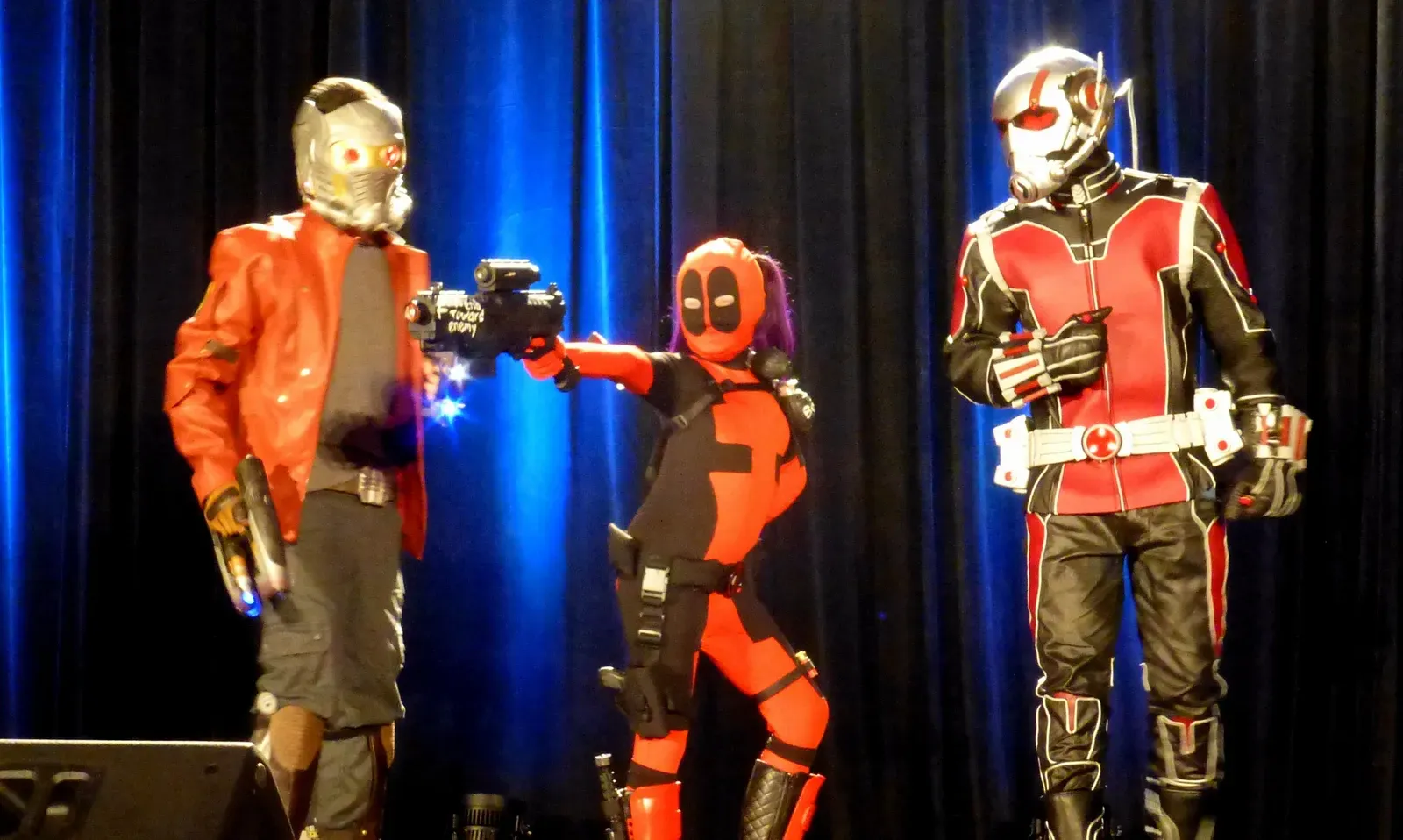
Marvel positioned this third Ant-Man film as the true launch of the Multiverse Saga, promising the big-screen arrival of Jonathan Majors as Kang the Conqueror, a villain teased for years as the next Thanos-level threat. The marketing leaned hard on scale, suggesting this small hero’s story was about to become cosmically important.
The payoff underwhelmed almost everyone involved. Ant-Man and the Wasp: Quantumania grossed $214.5 million in the United States and Canada and $261.6 million internationally for a worldwide total of $476.1 million, falling short of its reported break-even point of $600 million against a gross production budget of $388.4 million. Rotten Tomatoes reported an approval rating of just 46%, with an average rating of 5.5 out of 10 based on 414 reviews, numbers that made it one of the lowest-rated entries in the entire Marvel Cinematic Universe.
Aquaman and the Lost Kingdom
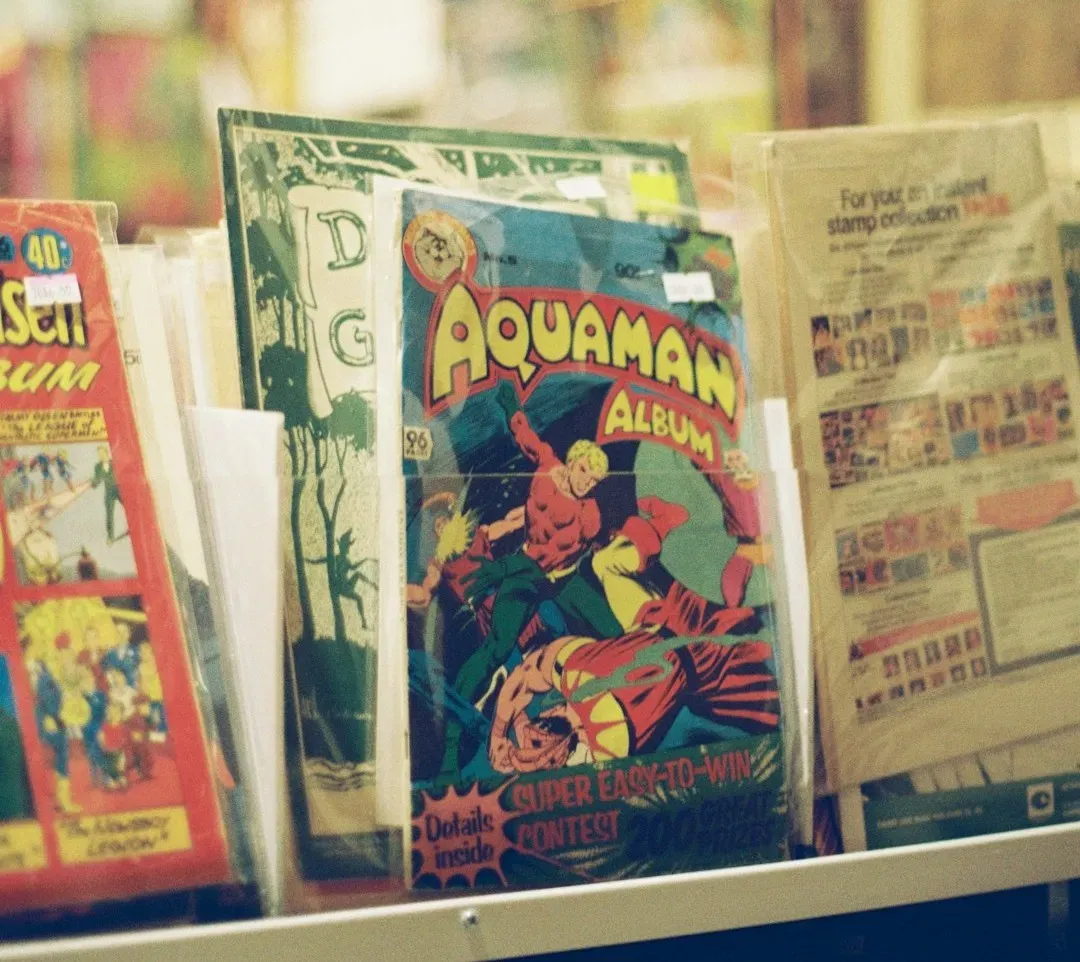
The first Aquaman surprised everyone by becoming the highest-grossing film in DC Extended Universe history, so a sequel felt like a guaranteed hit. Warner Bros. positioned the follow-up as a major holiday tentpole, banking on Jason Momoa’s charisma to carry the DCEU into its final stretch before the franchise reboot.
Instead the sequel arrived to a shrug. The first Aquaman fared better with critics, achieving a 66% rating on Rotten Tomatoes, and grossed more than $1.1 billion worldwide, making it the most successful DCEU movie, which made the follow-up’s numbers sting even more. Aquaman and the Lost Kingdom earned only a 35% score on Rotten Tomatoes and a “B” from CinemaScore, while the film stood at a total of $258 million worldwide against a budget close to $300 million, raising the possibility that deductions from theater chains could leave it losing money.
Terminator: Dark Fate
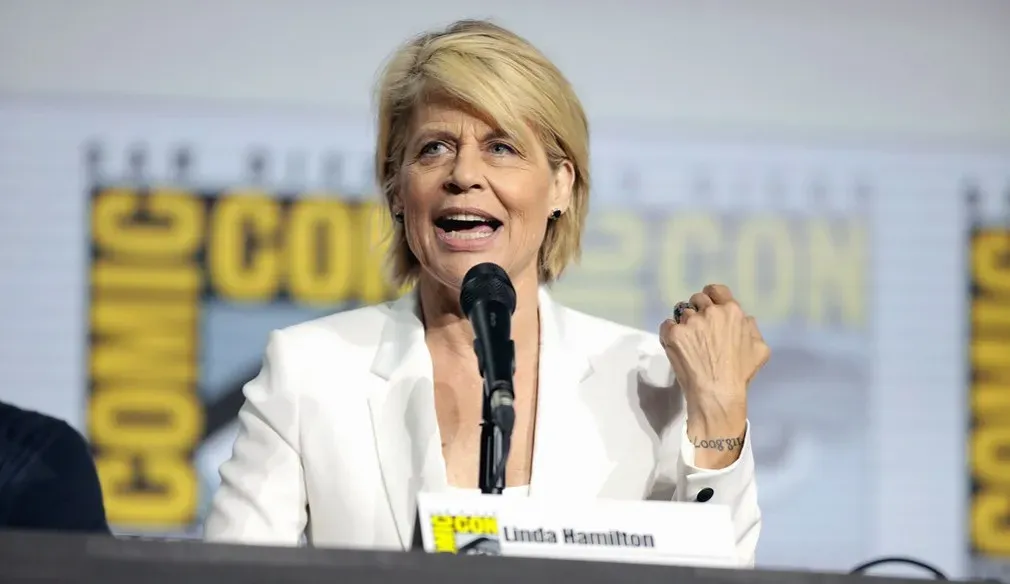
James Cameron returned as producer, and Linda Hamilton came back as Sarah Connor for the first time since Terminator 2, a pairing that generated real excitement among longtime fans tired of the franchise’s diminishing returns. The pitch was simple: forget everything after the second film and start fresh with the people who made it great in the first place.
Partner offer
Audiences largely stayed away despite reasonably warm reviews. The film struggled to recoup its roughly 185 million dollar budget against a worldwide haul well under 300 million, a result that surprised a studio banking on Cameron’s name and Hamilton’s comeback to reignite interest. The lesson was clear: nostalgia alone could not overcome years of franchise fatigue from previous sequels that had already worn out audience patience.
The Matrix Resurrections
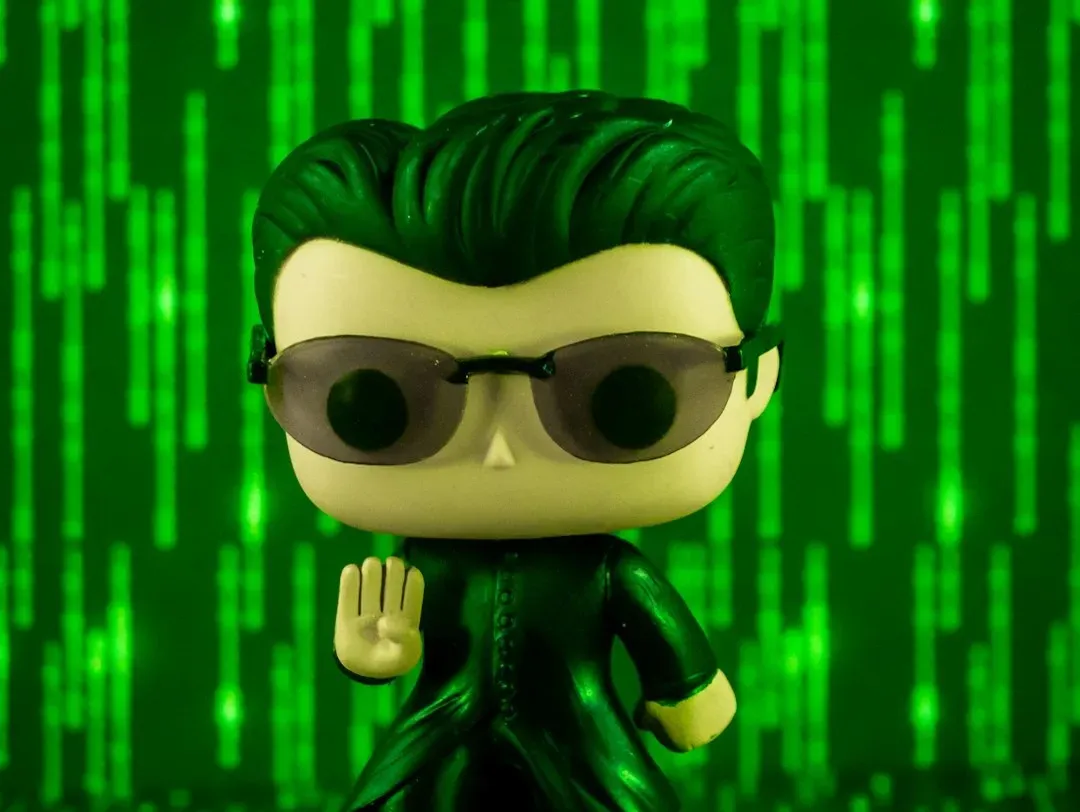
Nearly two decades after the original trilogy concluded, Lana Wachowski’s solo return to the Matrix universe arrived wrapped in mystery and heavy secrecy about its plot. Keanu Reeves and Carrie-Anne Moss reprising their roles alone was enough to generate months of speculation and fan theories across social media.
The film split audiences almost immediately, admired by some for its meta commentary on legacy sequels while dismissed by others as a confused retread. Its simultaneous release in theaters and on HBO Max during the pandemic era hurt its box office further, and the film failed to approach the cultural impact of its predecessors. What was meant to be a triumphant, thought-provoking return instead became a footnote most casual fans quickly moved past.
Halloween Ends
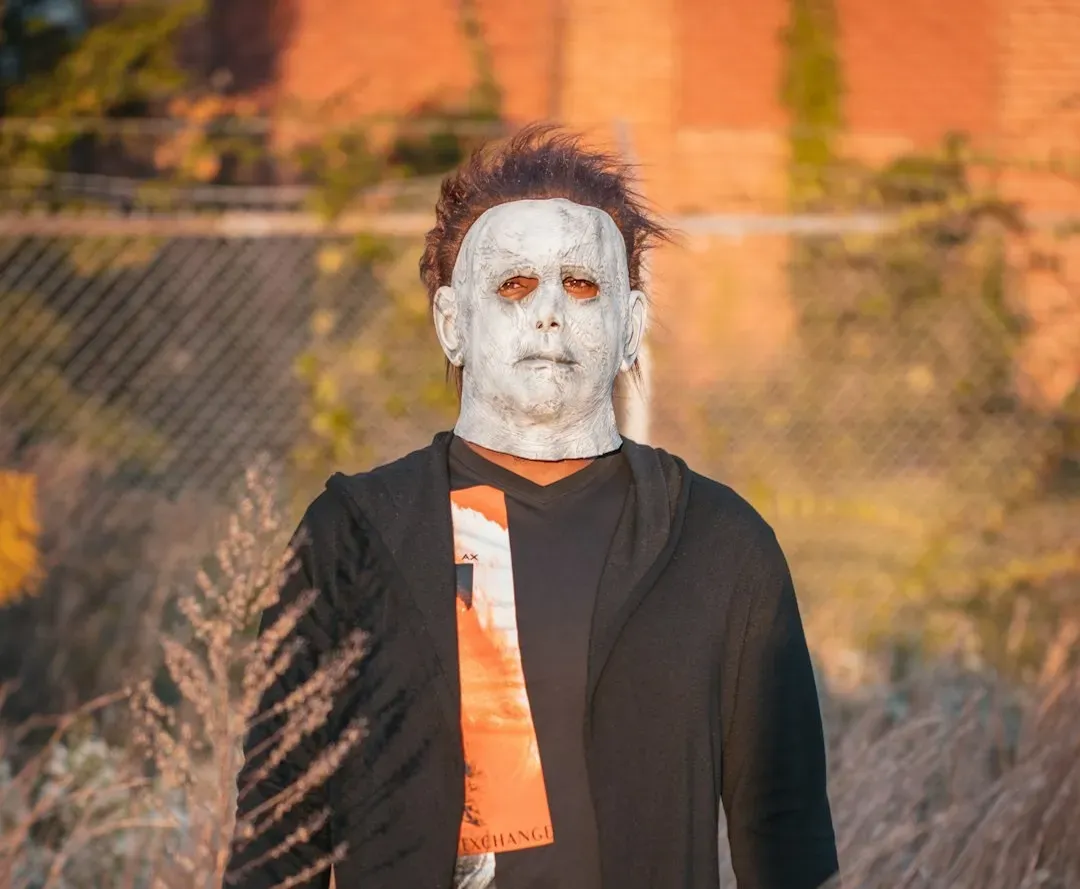
Positioned as the dramatic conclusion to David Gordon Green’s trilogy, Halloween Ends promised a definitive final showdown between Laurie Strode and Michael Myers after decades of the character terrorizing Haddonfield. Marketing leaned heavily into finality, suggesting this would be the last word on one of horror’s most enduring rivalries.
Fans instead got a film that spent much of its runtime on a new character rather than the promised confrontation, frustrating many who came expecting a slasher showdown. Critical reception landed in mixed-to-negative territory, and the muted response to what was sold as an epic ending left the trilogy’s finish feeling anticlimactic rather than cathartic. The disconnect between the “final battle” framing and the actual film became one of the more talked-about letdowns in recent horror sequels.
Fast X
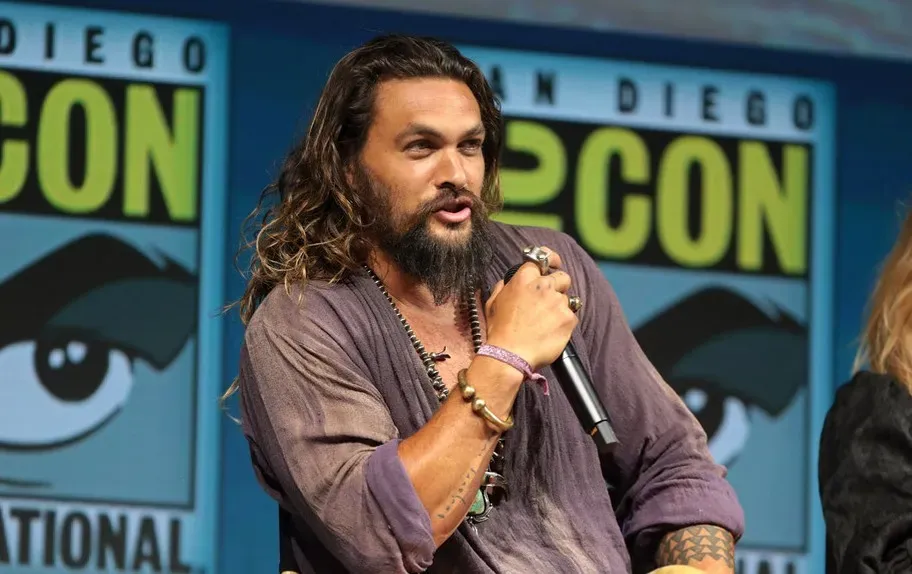
The Fast and Furious franchise built its later entries around ever-escalating stunts and family drama, and Fast X was marketed as the beginning of an epic two-part finale. Jason Momoa’s flamboyant villain and the promise of closing out a saga that had run for over two decades generated significant pre-release excitement.
What audiences got instead was a sprawling, overstuffed film that ended on an unresolved cliffhanger, essentially asking fans to wait years for a proper conclusion. Reviews were mixed, praising Momoa’s performance while criticizing the increasingly incoherent plotting. Splitting the finale in two, after years of the franchise promising a definitive ending, left many longtime viewers feeling like the payoff had been indefinitely postponed.
Transformers: Rise of the Beasts
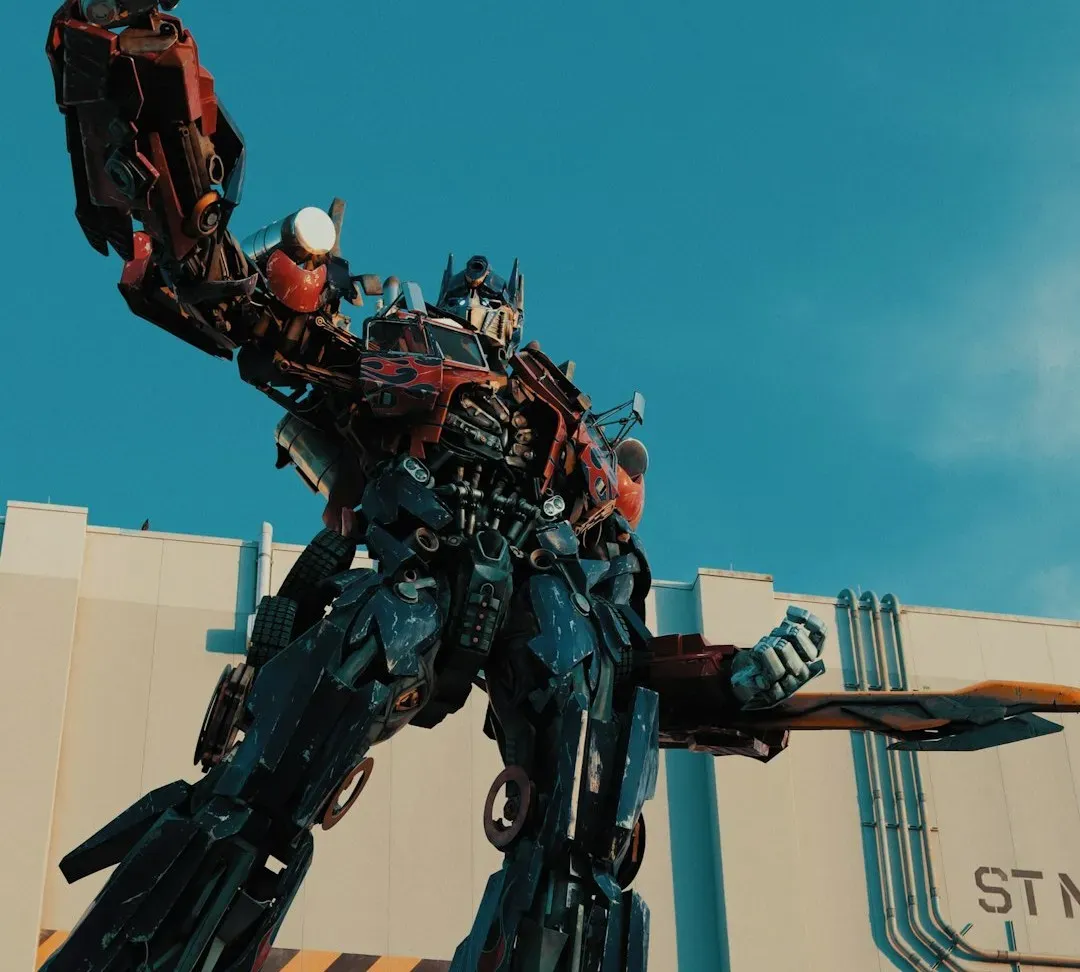
After the franchise rebooted its tone with the well-received Bumblebee, Rise of the Beasts promised to expand the Transformers universe by introducing the Maximals and setting up a broader mythology for future films. The nineties setting and hip-hop-inflected marketing suggested a fresher, more character-driven take on a franchise once defined by Michael Bay’s chaos.
The film performed respectably but well below the scale its ambitions suggested, landing as a modest hit rather than the franchise-reviving event it was pitched as. Critics offered a lukewarm reception, appreciating the improved character work while noting the plot still leaned on familiar franchise beats. Plans for a broader Transformers cinematic universe that the marketing implied never fully materialized in the way fans were led to expect.
Final thoughts

What connects these ten films is not simply bad quality, since several of them earned decent reviews or found an appreciative audience. The real pattern is a mismatch between promise and outcome, where marketing campaigns, returning stars, or franchise nostalgia created expectations the finished films could not consistently meet.
As studios continue to lean on legacy sequels to fill release calendars, this gap between hype and reality is unlikely to disappear entirely. If anything, these ten cases are a useful reminder that a familiar title and a beloved cast are no longer guarantees of either critical or commercial success.
Partner offer
Planning a trip to Vegas?
Compare hotel rates and show tickets on VEGAS.com.