Ask people what the 1980s looked like on screen, and a surprising number will describe a high school hallway. Lockers, detention rooms, mixtapes and a prom that somehow decides everything. Teen movies of that decade became a kind of shared memory, even for people who weren’t teenagers at the time.
The ten films below aren’t a ranking. They’re a cross section of what the genre did best, from sunny comedies to darker satire. Watch them all and you’ll have a fair read on how Hollywood saw young people between 1982 and 1989.
Fast Times at Ridgemont High (1982)
Amy Heckerling directed this ensemble comedy, which follows a group of California students through a school year of jobs, crushes and awkward firsts. Cameron Crowe wrote the screenplay, adapting his own book based on a stretch he spent posing as a student at a San Diego high school.
Its cast reads like a future who’s who, including Sean Penn as the perpetually hazy Jeff Spicoli. The film treated teenage life with a frankness earlier studio comedies had mostly avoided. That honesty is a big reason it still gets cited as a template.
Sixteen Candles (1984)
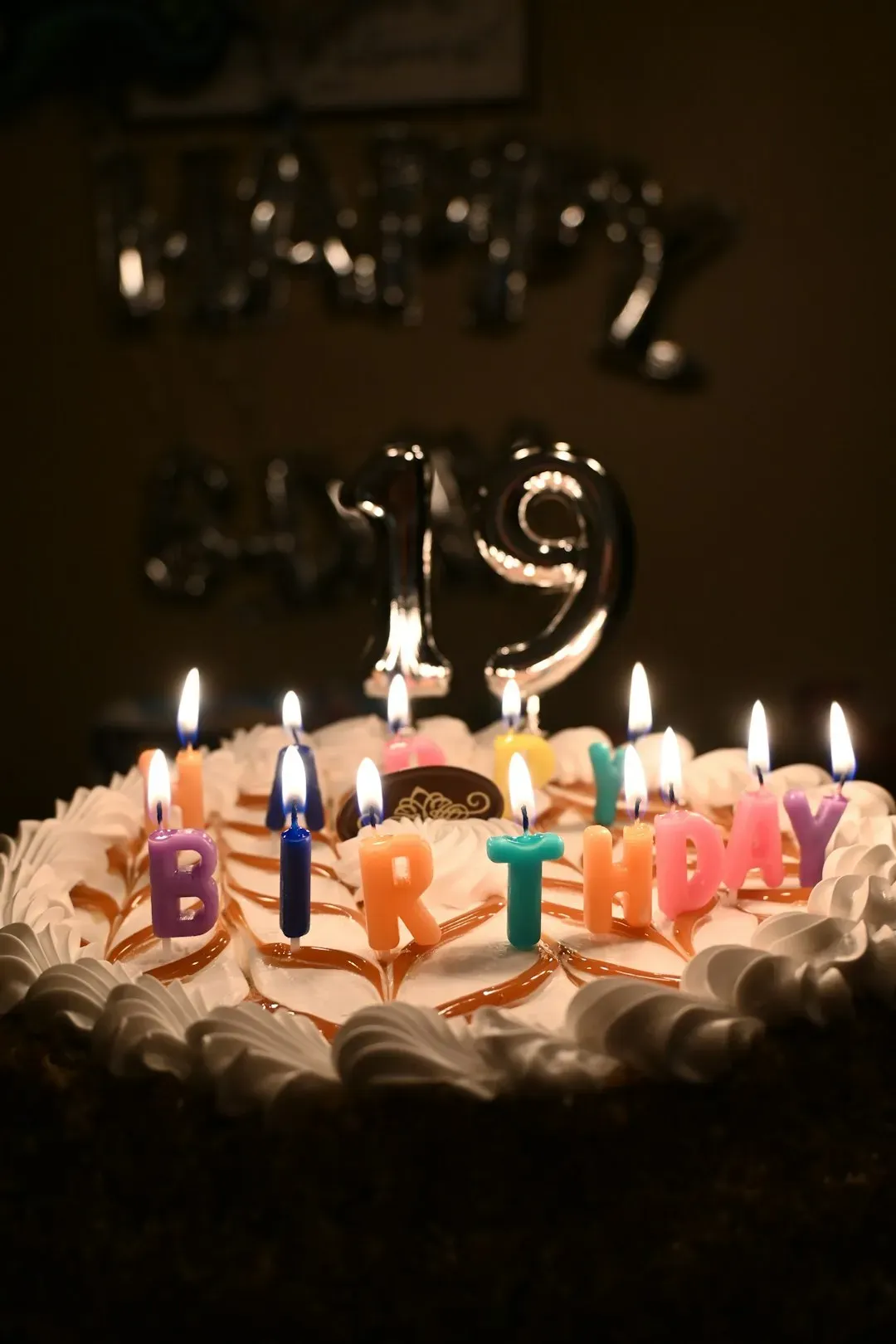
John Hughes made his directing debut with this story of Samantha, played by Molly Ringwald, whose family forgets her sixteenth birthday amid her sister’s wedding. It set the tone for Hughes’s suburban Illinois world, where small embarrassments feel enormous.
Anthony Michael Hall played the Geek, a role that helped establish him as a Hughes regular. Some elements have aged poorly and draw criticism today. Even so, the film remains central to any conversation about the decade’s teen comedies.
The Breakfast Club (1985)
Five students from different cliques spend a Saturday in detention at a suburban high school. Hughes wrote and directed it, and nearly the entire story unfolds inside the school library. That tight setting puts all the weight on the dialogue and the cast.
The song “Don’t You (Forget About Me)” by Simple Minds became a number one hit in the United States in 1985. The film is often the first title people name when asked about the genre. Its basic idea, that labels fall apart once people actually talk, has proved remarkably durable.
Weird Science (1985)

Two awkward friends, played by Anthony Michael Hall and Ilan Mitchell-Smith, build their ideal woman on a computer. Kelly LeBrock plays Lisa, the creation who ends up teaching them more about confidence than romance. Hughes again wrote and directed.
It’s the goofiest entry here, a fantasy that leans on special effects and slapstick. The title song was performed by Oingo Boingo, a band closely tied to the decade’s sound. It captures the era’s love of gadgets and computers.
Pretty in Pink (1986)
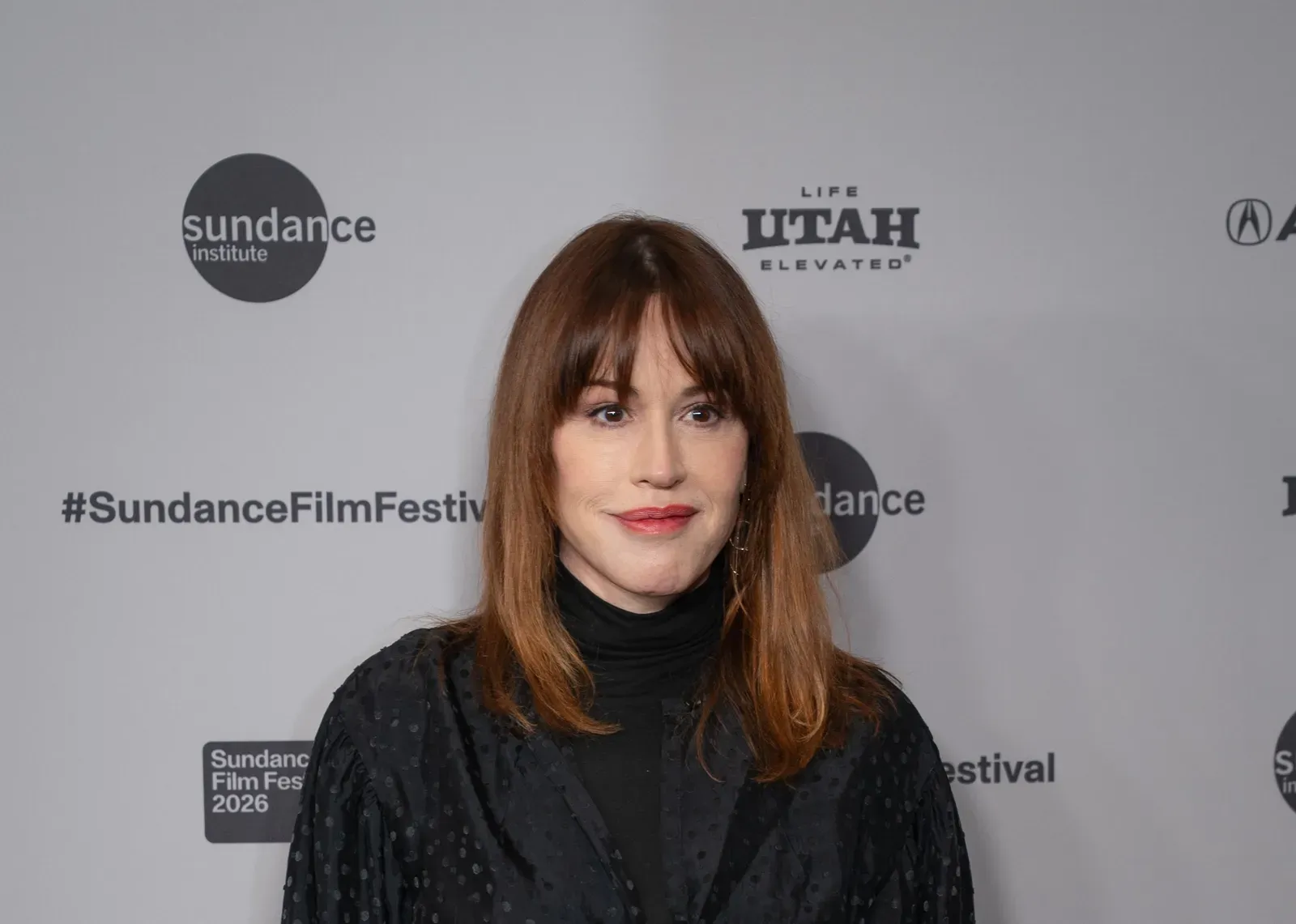
Hughes wrote this story of Andie, a creative student from the wrong side of town, and Howard Deutch directed it. Molly Ringwald stars alongside Andrew McCarthy as the wealthy Blane and Jon Cryer as the devoted Duckie. Class divides sit at the center of the plot.
The ending was famously reshot after test audiences reacted poorly to the original version, which had Andie choosing Duckie. The revised finale pairs her with Blane instead. The soundtrack, built around British new wave, is as much a part of its legacy as the plot.
Ferris Bueller’s Day Off (1986)
Matthew Broderick plays a high school senior who fakes an illness to spend a day roaming Chicago with his girlfriend and best friend. Hughes directed, and the city itself becomes a character, from the Art Institute to a downtown parade scene. Ferris speaks directly to the camera, which gives the film its cheeky charm.
Look closer and the emotional core belongs to Cameron, the anxious friend whose father’s prized Ferrari ends up wrecked. The movie is funnier than it is deep, yet that quieter thread gives it staying power. It remains one of the most rewatched comedies of the decade.
Some Kind of Wonderful (1987)

Eric Stoltz plays Keith, an artistic student who spends his savings on a date with a popular girl, played by Lea Thompson. His best friend Watts, played by Mary Stuart Masterson, quietly sees what he can’t. Hughes wrote the script, and Howard Deutch directed again.
Many viewers consider it a spiritual cousin to Pretty in Pink, with the genders and the ending adjusted. It deserves credit for its tenderness and its rejection of easy answers about status. It’s often the one on this list people discover last.
Heathers (1988)
Winona Ryder and Christian Slater star in this pitch black satire about a girl who falls in with her school’s most powerful clique. Michael Lehmann directed from a script by Daniel Waters. Where Hughes sympathized with teenage pain, this film turned it into dark comedy.
It wasn’t a major box office hit on release. Over time, home video and repeat viewings made it a cult favorite. It proved the genre could be savage and still entertain.
Say Anything… (1989)
Cameron Crowe made his directing debut with this romance between Lloyd Dobler, played by John Cusack, and valedictorian Diane Court, played by Ione Skye. Lloyd is sincere, a little scruffy and unconcerned with ambition. That earnestness set him apart from the usual movie heartthrob.
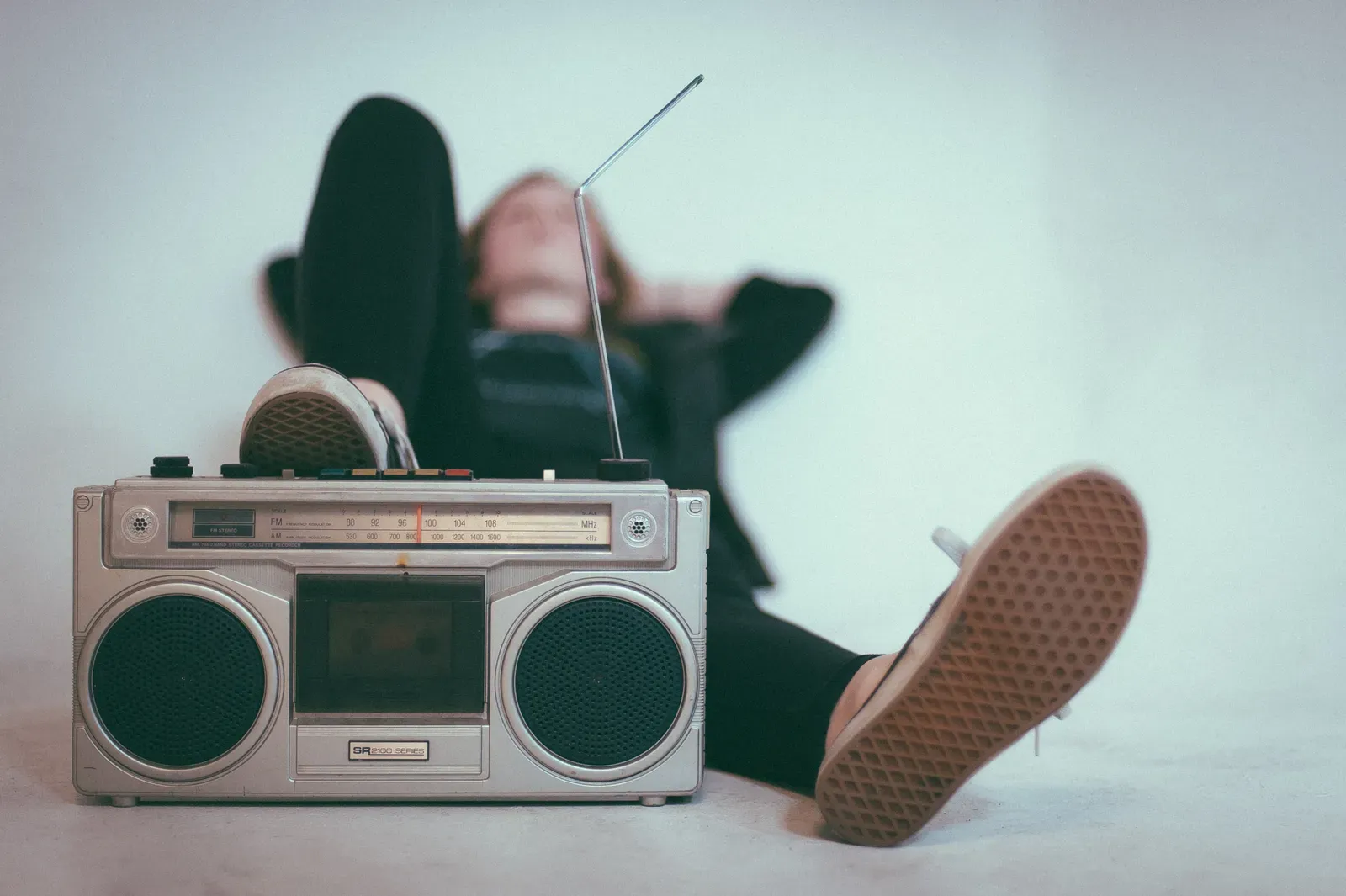
The scene of Lloyd holding a boombox above his head, playing Peter Gabriel’s “In Your Eyes,” became one of the decade’s most recognizable images. The film closed the decade on a gentler, more reflective note. It’s often remembered as one of the genre’s most heartfelt romances.
Footloose (1984)
Kevin Bacon plays Ren, a teenager from Chicago who moves to a small town where dancing is banned. Herbert Ross directed, and the story drew inspiration from Elmore City, Oklahoma, where a long standing dance ban was lifted in 1980. The film turns that real world detail into a story about freedom and generational mistrust.
Kenny Loggins’s title song became a signature hit of the era. The movie mixes music, rebellion and small town drama in a way few others managed. It’s a fitting entry for anyone checking off the decade’s essentials.
Final Thoughts
These ten films span comedy, romance, satire and musical drama, all released between 1982 and 1989. Together they cover most of what teenagers on screen were doing in the decade.