
Some of literature’s best addresses never appeared on a map. Authors invented them, yet readers have been trying to find them ever since, driving up to country houses and walking moors in search of a model.
Each entry below names a place, the novel it belongs to, and the real landscape most often linked to it. Treat it like a gallery walk, and see how many you can match before reading the clues.
Pemberley, Pride and Prejudice
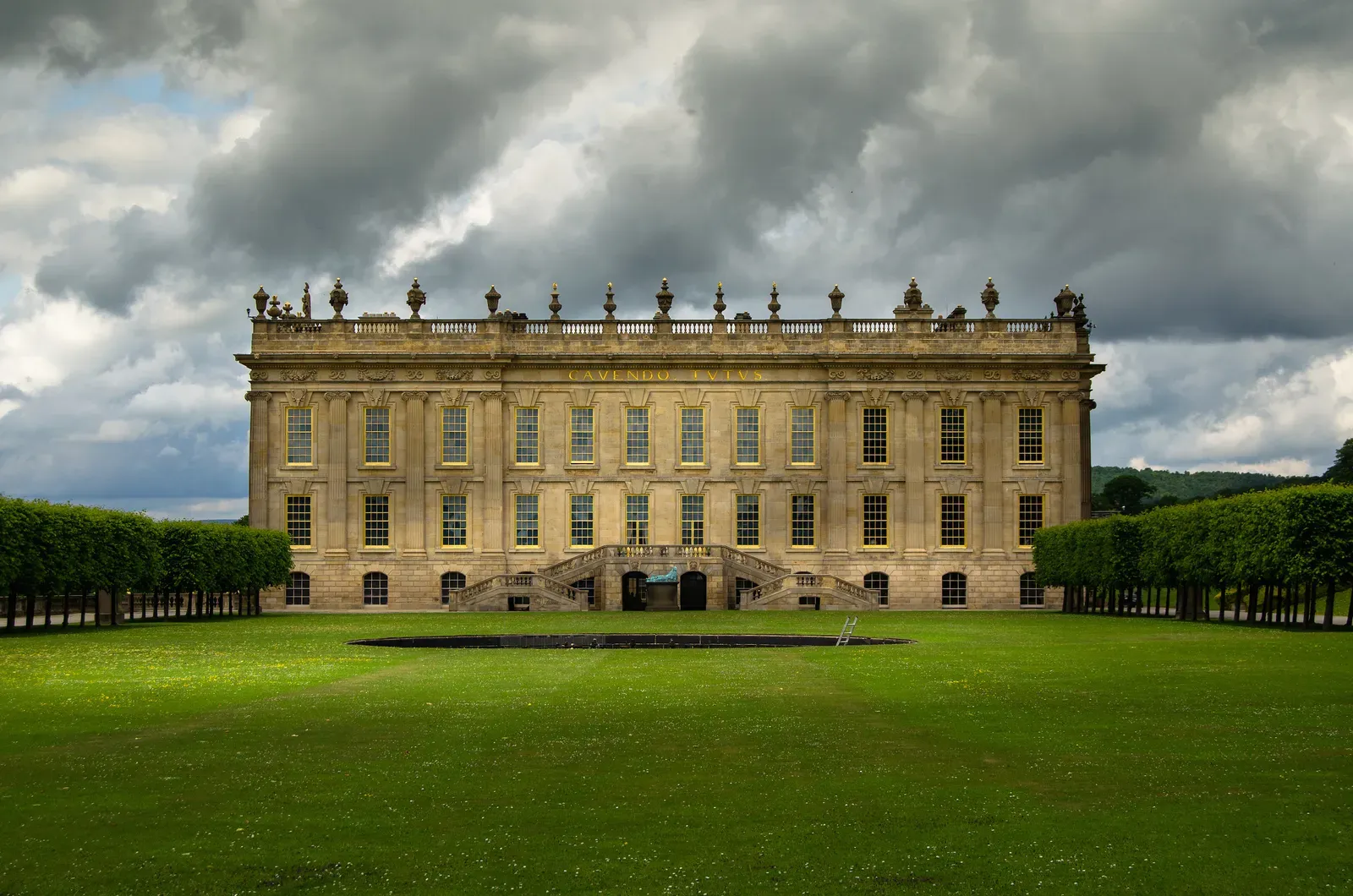
Jane Austen’s grand estate sits in Derbyshire and belongs to Mr. Darcy. It is where Elizabeth Bennet sees a different side of him, partly because the house and grounds suggest taste rather than mere wealth.
Austen never named a real model, so the connection to actual buildings comes mostly from screen adaptations. Lyme Park in Cheshire stood in for Pemberley in the 1995 BBC series, while Chatsworth House in Derbyshire was used in the 2005 film.
Thornfield Hall, Jane Eyre
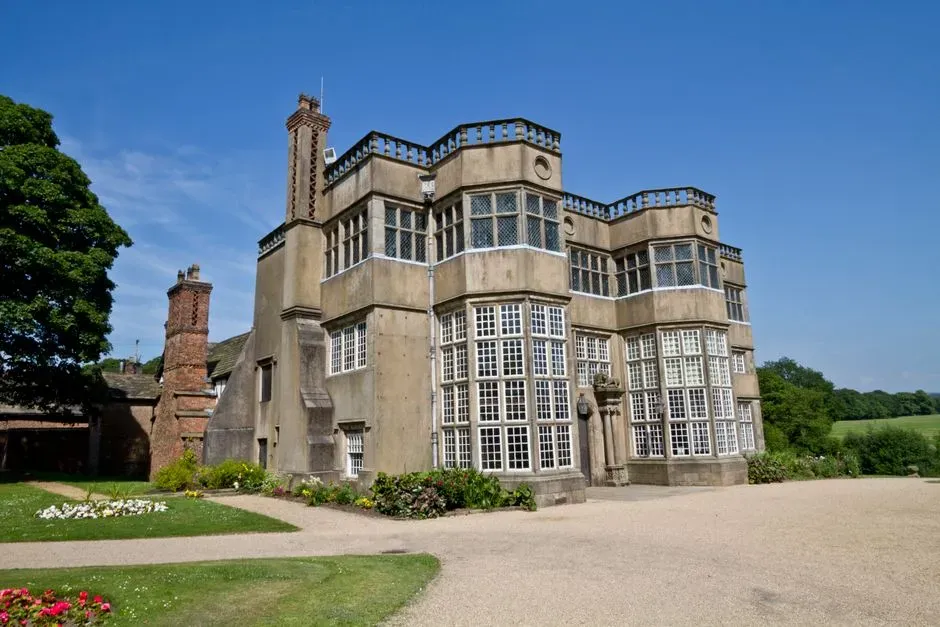
Charlotte Brontë’s 1847 novel places Thornfield in the English countryside, where Jane works as a governess. The house hides a secret in its upper floor, and the story turns on what is revealed there.
Many scholars connect it to North Lees Hall near Hathersage in Derbyshire. Brontë stayed in Hathersage in 1845, and the area also gave her the surname Eyre, which is why the link feels better supported than most.
Wuthering Heights, Wuthering Heights

Emily Brontë named her 1847 novel after a farmhouse battered by wind on the Yorkshire moors. The house is the stage for the doomed bond between Heathcliff and Catherine Earnshaw.
Readers often point to Top Withens, a ruin above Haworth, though it looks nothing like the house in the book. Brontë lived in Haworth, so the moorland setting is real even if the building is an invention.
Manderley, Rebecca

Daphne du Maurier opened her 1938 novel with a dream of returning to Manderley, a vast coastal estate in Cornwall. The house is so dominant that it nearly works as a character, shaped by the memory of the first Mrs. de Winter.
Its inspiration is widely said to be Menabilly, a house near Fowey where du Maurier later lived. She leased it for years, which makes the connection well documented.
Lilliput, Gulliver’s Travels
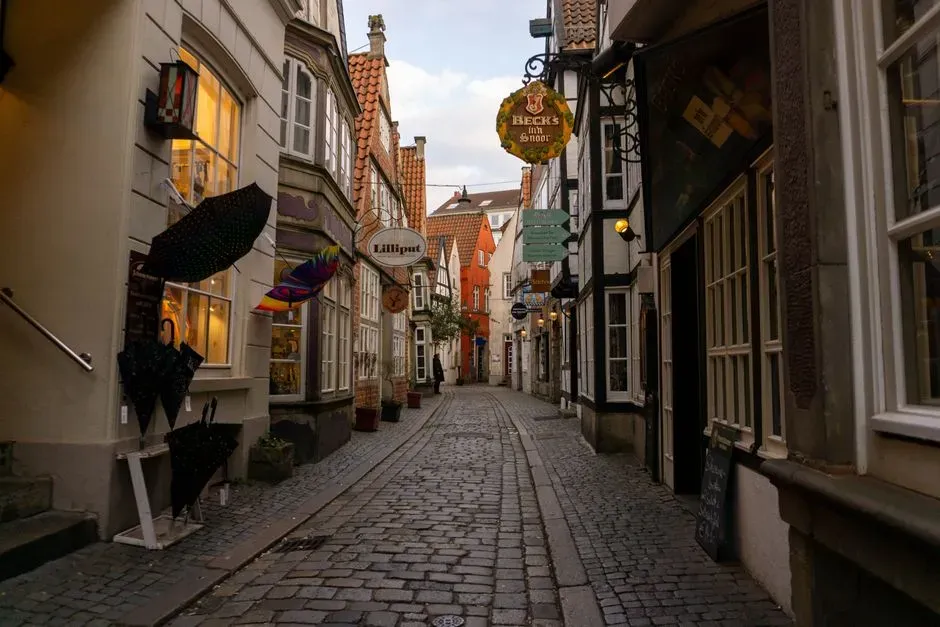
Jonathan Swift published his satire in 1726, and the island of Lilliput is the first stop on Lemuel Gulliver’s voyages. Its inhabitants are only a few inches tall, and their petty politics mirror the squabbles of Swift’s own England.
Swift gave the island a location in the Indian Ocean, southwest of Sumatra. That sounds precise, yet no such island exists, and the vague geography is part of the joke.
Yoknapatawpha County, William Faulkner’s Novels

This Mississippi county is the setting for much of Faulkner’s work, including The Sound and the Fury and Absalom, Absalom!. Its county seat is the town of Jefferson, and generations of families move through the books.
It is modeled on Lafayette County, where Faulkner lived, and on his hometown of Oxford. Faulkner even drew a map of the county for Absalom, Absalom!, and he listed himself as its sole owner and proprietor.
Macondo, One Hundred Years of Solitude

Gabriel García Márquez’s 1967 novel follows the Buendía family through the rise and decline of Macondo. The town begins as a small settlement founded by José Arcadio Buendía and ends in ruin, with magic and history tangled together.
Macondo is generally tied to Aracataca, the Colombian town where García Márquez was born. The name itself appeared in his earlier fiction, and it comes from a type of banana plantation tree, which fits the region’s history.
Middlemarch, Middlemarch
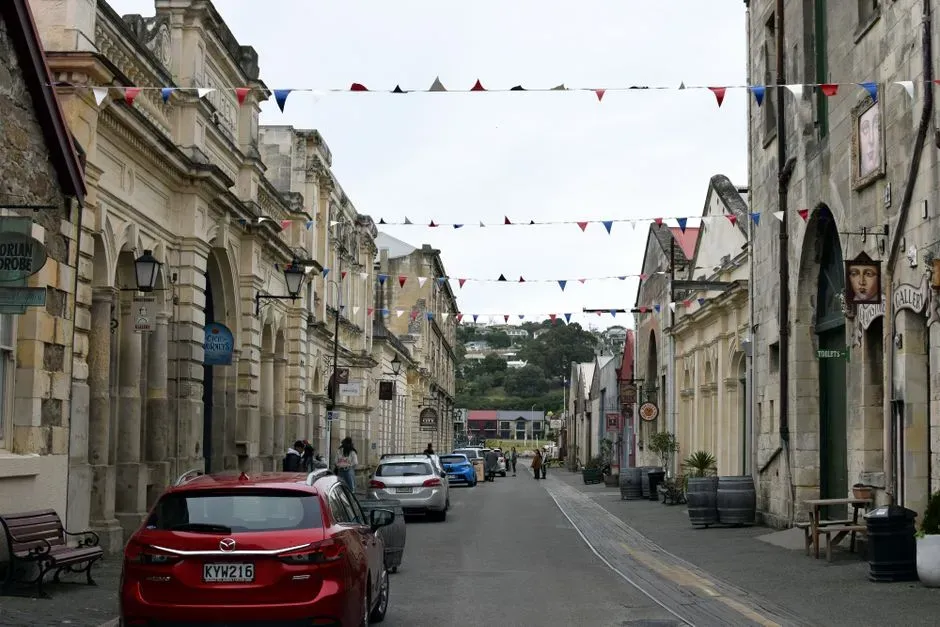
George Eliot’s 1871 to 1872 novel is named for a fictional provincial town in the English Midlands. Its story is set around the period of the first Reform Bill, and it follows doctors, landowners, and clergy across several households.
Coventry is the real city most often suggested as its model, since Eliot grew up nearby in Warwickshire. The town is less a single place than a composite of the society she knew.
Casterbridge, The Mayor of Casterbridge

Thomas Hardy published this novel in 1886, and its title town is a market centre where Michael Henchard rises and falls. Hardy’s rural world is full of corn trade, weather, and quiet consequences.
Casterbridge is Dorchester in Dorset, a town Hardy knew well. It belongs to his fictional Wessex, a region of invented names laid over real English counties.
The Emerald City, The Wonderful Wizard of Oz

L. Frank Baum introduced the Emerald City in his 1900 children’s novel, with Dorothy travelling there along a yellow brick road. The city is the seat of the Wizard, whom the travellers hope will grant their wishes.
In the book, the city looks green because visitors must wear green tinted spectacles. That detail is part of the trick behind the Wizard, and no real place has ever been proposed as its model.
Where the Map Ends

Some of these places lean on real houses and towns, others are pure invention. Pemberley, Thornfield, Manderley, Middlemarch, and Casterbridge all carry traces of actual English landscapes, while Lilliput and the Emerald City remain beyond any atlas.
Faulkner’s county and Macondo sit in between, drawn from home ground and reshaped by imagination. Knowing which is which makes each novel easier to place.