
The Mojave isn’t what it used to be, financially speaking. For years, the California high desert and the broader Mojave region offered a quiet trade-off: accept the heat, the distance, the sparse services, and in return you’d find housing and living costs that felt genuinely reasonable compared to coastal California. That trade-off is getting harder to make on the same terms. Prices in every essential category, from gas to groceries to electricity, are shifting in ways that deserve a careful look. If you live in the Mojave now, or you’re planning to relocate there, your 2025 budget assumptions may already be outdated.
Where the Overall Cost Picture Stands Right Now

Mojave’s 2026 cost of living works out to roughly $2,426 per month for a single person and $5,342 per month for a family of four, according to Salary.com data. Living costs there run about two percent lower than the U.S. national average, though that figure reflects a three percent increase from 2025.
The primary drivers of Mojave’s cost of living are soaring housing costs, elevated transportation expenses, and rising food prices. That three-part combination is the core challenge for anyone trying to stretch a paycheck in the region right now.
National Inflation as the Backdrop

Headline consumer price index inflation closed out fiscal year 2025 at 3.01 percent year-over-year. That national trend matters because it sets the floor beneath which local cost increases rarely fall. Regionally, the West came in with year-over-year inflation at 3.3 percent, the highest among all U.S. regions, jumping from just 2.1 percent in September 2024.
The annual inflation rate for the full calendar year 2025 was 2.7 percent, according to BLS data. That number sounds modest, but it stacks on top of several years of above-average inflation that already pushed household budgets thin across the desert Southwest.
Housing: The Biggest Budget Line, Still Moving Up
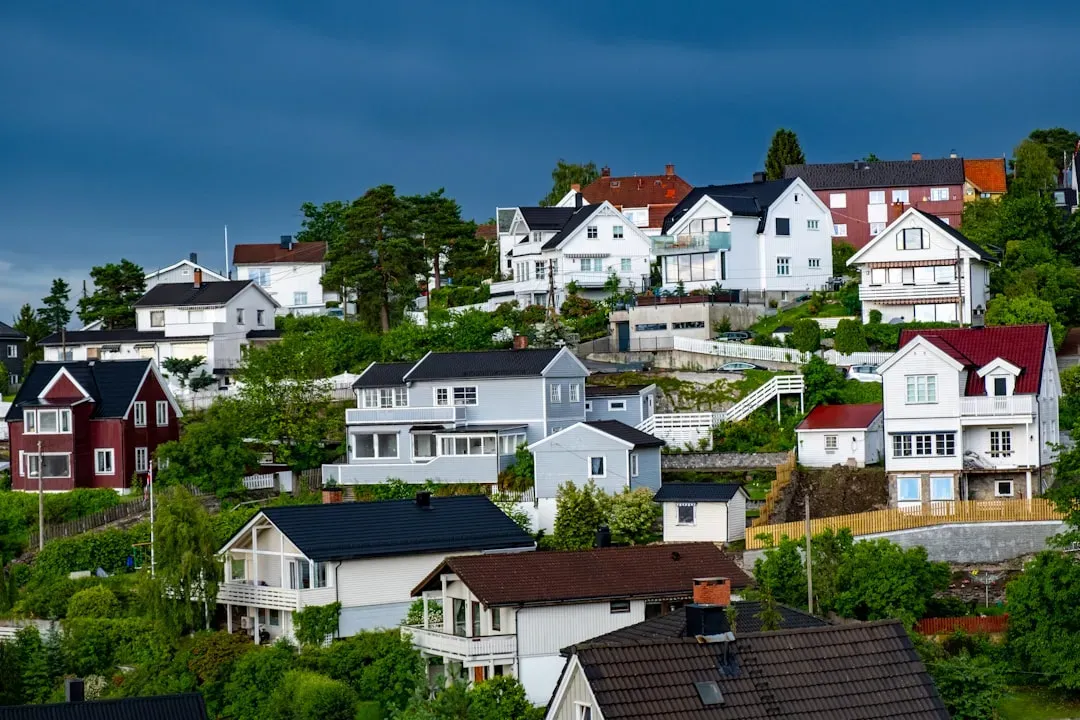
Housing costs in Mojave run about 7.6 percent lower than the national average, coming in at roughly $1,109 per month for a single person and $2,033 per month for a family of four. That’s still lower than much of California, but the gap is narrowing year by year. Nationwide, the shelter component of CPI rose 3.7 percent over the year ending July 2025, which is lower than 2023 peaks but still a headwind when combined with higher maintenance, insurance, and turnover costs.
About 46 percent of California households would likely qualify for a bottom-tier home mortgage based on their income in 2026, down from roughly 57 percent in 2019. For mid-tier homes, only about 23 percent would likely qualify, down from 31 percent in 2019. The homeownership door is closing faster than most people realize.
As of March 2026, the estimated rent for a two-bedroom home in California was about $2,700, while monthly ownership payments on a comparable home ran roughly $4,440, about 66 percent more than renting. That spread is keeping more people in the rental market longer, which in turn puts quiet pressure on rental rates across the desert.
Rent Controls, High Desert Rules
For rent increases effective August 1, 2025 through July 31, 2026, the Riverside-San Bernardino CPI figure used for California’s AB 1482 rent cap calculation is 2.5 percent, making the maximum allowable increase 7.5 percent for most covered units. That’s the legal ceiling, not a guarantee. What feels different about 2026 in the High Desert is the pace. In many pockets, the market is calmer than the surge years, and steady markets reward fundamentals like accurate pricing and tenant retention.
Los Angeles County continues to see net domestic outflows, and a meaningful share of those relocating residents are heading to the Inland Empire for space and value. Riverside and San Bernardino counties have gained noticeably from this shift. That migration pressure keeps demand for rentals in the desert corridor higher than it might otherwise be.
Gas Prices: A Particularly Sharp Pain Point
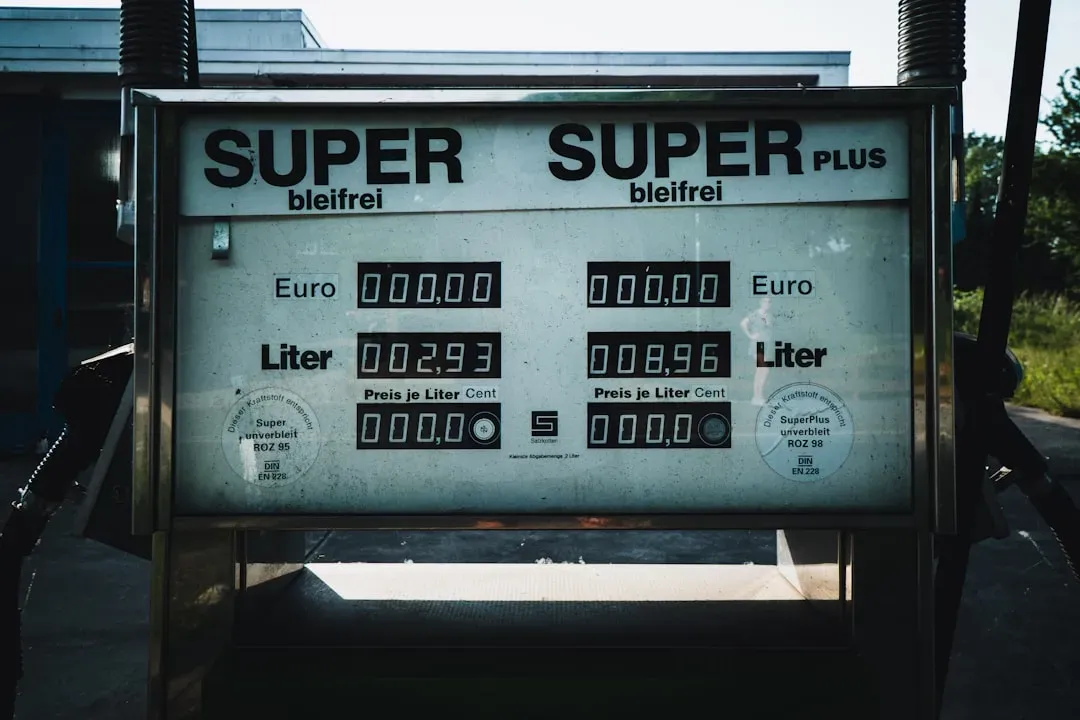
Driving is not optional in the Mojave. The region’s layout demands a car for essentially every errand, and the state of California’s gas market in 2026 makes that dependency expensive. California gas prices have surged to a statewide average of roughly $5.82 per gallon as of March 2026, nearly $2 above the national average of $3.97.
Two major refinery closures eliminated a combined 17 percent of California’s in-state processing capacity. Phillips 66 shut its Wilmington refinery in October 2025, and Valero closed its Benicia facility at the end of January 2026. Those closures are permanent, meaning baseline gas prices in California will remain higher than pre-2025 levels even if global oil markets stabilize.
California’s state excise tax on gasoline is 70.9 cents per gallon, the highest in the nation. The national average state tax is 33.5 cents. When federal excise tax is added, Californians pay 87.4 cents per gallon in taxes alone. For Mojave residents who commute long distances, that premium adds up fast over the course of a year.
Partner offer
Electricity Bills: The Quiet Budget Drain
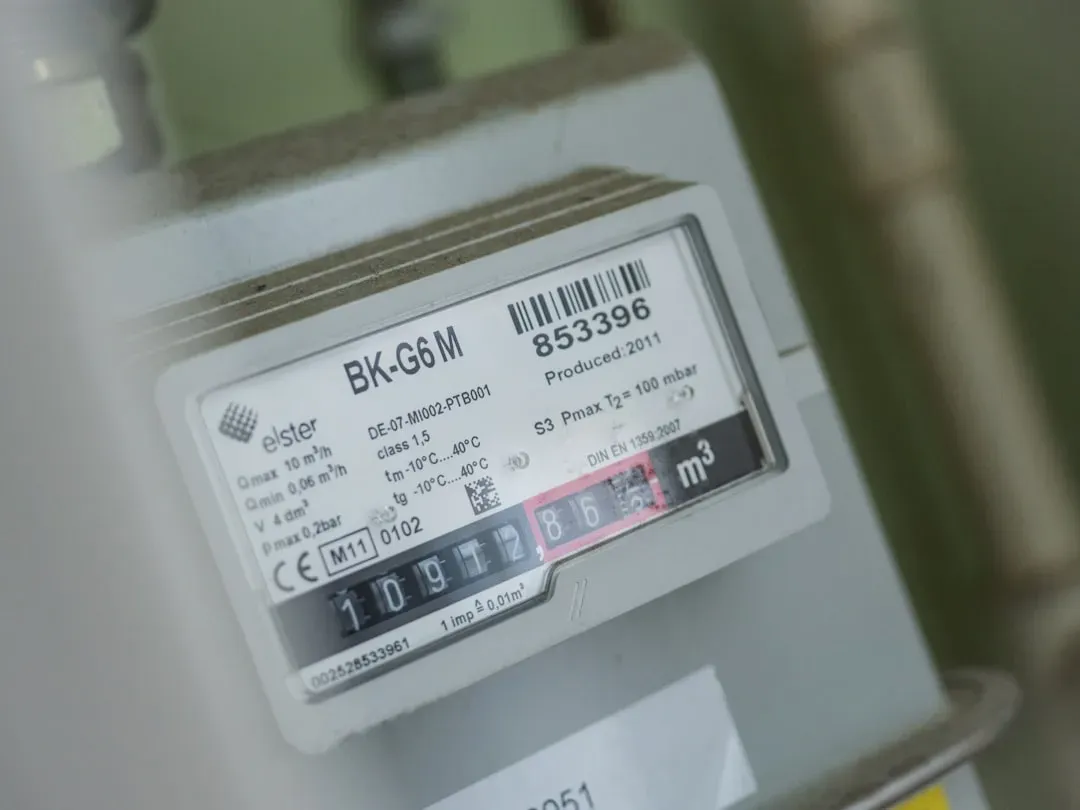
California’s average residential electricity rate is 33.75 cents per kilowatt-hour as of April 2026, roughly 87 percent above the national average of 18.05 cents per kilowatt-hour. Only Hawaii pays more. Wildfire liability costs, aggressive clean energy mandates, and complex regulation drive some of the most expensive electricity rates in the nation.
California residents spend about $307 per month on electricity on average, which translates to 35 cents per kilowatt-hour, roughly 80 percent higher than the national average. Over 25 years, those costs add up to more than $182,000. In the Mojave, where summer cooling loads are intense, electricity bills in the hottest months often exceed the state average significantly.
Americans across the country are facing higher utility bills, with electricity and natural gas prices not only outpacing general inflation but surpassing groceries, gasoline, vehicles, and medicine as the fastest drivers of cost increases. That’s a notable shift in the household budget calculus.
Groceries: Above Average, Even in the Desert

Food expenses in Mojave run about 2.4 percent above average at roughly $410 monthly for an individual and $1,331 for a family. That’s a counterintuitive finding for a region that feels rural and lower-cost in general. California’s grocery prices are 9.3 percent above the U.S. average, ranking third among all states. Despite massive agricultural output, the state’s grocery prices remain elevated due to high labor, energy, and real estate costs.
The USDA’s Economic Research Service predicts grocery prices will rise 3.1 percent nationally in 2026. That might not seem like a major jump, but it comes on the heels of several years of food inflation, including an 11.4 percent spike in 2022. Average annual food-at-home prices were 2.3 percent higher in 2025 than in 2024, slightly below the 20-year historical average rate of 2.6 percent per year.
Healthcare Costs and the AB 1482 Factor

California is ranked 23rd out of all states in overall healthcare access and affordability. That middling ranking has real consequences for desert residents, who often travel significant distances to reach specialist care. The enhanced premium tax credits that lowered the cost of Marketplace health insurance plans expired at the end of 2025, and as a result, more than 90 percent of adults aged 50 to 64 who enroll in Marketplace coverage will see higher premiums in 2026.
Prices for housing rose 4.1 percent per year and medical care rose 2.9 percent per year over the 2024 to 2025 period, both outpacing food price increases. For Mojave residents on fixed or modest incomes, these faster-moving cost lines are the ones that tend to quietly erode purchasing power over time.
The California Housing Lock-In Effect
About 77 percent of California homeowners have mortgage rates under 5 percent, compared to current rates of roughly 6.2 percent. That gap is what economists call the “lock-in effect,” and it’s a major reason inventory remains thin throughout the state, including in high desert communities. Selling means giving up a low rate and taking on a 6-plus percent rate on the next purchase, which translates to a significant monthly cost difference that compounds to over $180,000 across a 30-year loan. The result: would-be sellers stay put.
California’s median home price is forecast to rise 3.6 percent to $905,000 in 2026, following a projected 1 percent increase to $873,900 in 2025. Mojave and high desert communities won’t reach those state medians, but the broad upward pressure on prices filters down to every market tier. The average 30-year fixed mortgage rate is expected to moderate to around 6.0 percent in 2026 after sitting near 6.6 percent for much of 2025.
What This Means for Your 2026 Budget

The Social Security Administration announced a 2026 cost-of-living adjustment of 2.8 percent, which gives some retirees a buffer, though for most working households wages would need to keep pace with a regional inflation rate running closer to 3.3 percent. California’s 2026 nonfarm job growth is expected to rise only 0.3 percent, with the state’s unemployment rate projected to increase to 5.8 percent. Slower job growth and higher prices are a difficult combination to plan around.
Using data from the Council for Community and Economic Research, SmartAsset compared cost-of-living data for essentials across 236 cities, comparing average cost data for 2025 to 2024 after adjusting for inflation to determine how much more households need to spend on basic necessities. The picture for Western cities is generally one of continued upward movement, not relief. Adjusting your projections now, before costs move further, is simply the practical thing to do.
Conclusion: The Mojave Math Is Changing
Partner offer
Planning a trip to Vegas?
Compare hotel rates and show tickets on VEGAS.com.