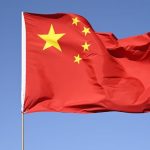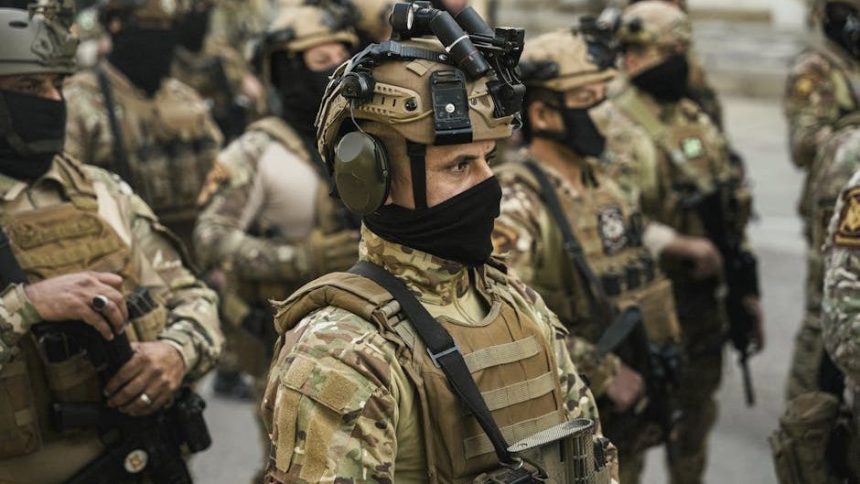

Iran insists it's ready for a new U.S. attack as Trump arrives in China – Image for illustrative purposes only (Image credits: Pexels)
Tehran’s armed forces have declared themselves fully prepared for any renewed American military action. The announcement comes as President Trump lands in China for high-level discussions with President Xi Jinping. Both leaders are expected to spend extended time examining the ongoing conflict and its wider fallout.
The timing underscores how quickly regional tensions can intersect with major-power diplomacy. Iranian officials framed their readiness as a direct response to recent threats, while the White House signaled that the Beijing meetings will address the conflict in depth.
Tehran’s Public Warning
Iran’s military leadership stated that its units have completed training exercises and stand ready to respond to any new U.S. assault. The message was delivered through official channels and repeated across state media outlets. It follows weeks of heightened alerts along Iran’s borders and in the Persian Gulf.
Defense spokesmen emphasized that the country’s air defenses, missile forces, and naval units have been placed on elevated alert status. No specific timeline for possible action was given, yet the tone left little doubt that Tehran views the current moment as one of elevated risk.
Partner offer
Trump’s Agenda in Beijing
Upon arrival, President Trump told reporters that he anticipates a “long talk” with President Xi about the war. The two leaders are scheduled to meet in the Chinese capital over the coming days. White House aides described the sessions as an opportunity to coordinate approaches on de-escalation and regional stability.
Trump has previously linked progress on trade and technology issues to cooperation on security matters. Observers in Beijing note that any joint statement emerging from the talks could shape how both Washington and Tehran interpret future moves in the conflict.
Why the Timing Matters
The convergence of Iran’s readiness claim and the Trump-Xi summit places additional pressure on all parties. A prolonged discussion in Beijing could either open channels for restraint or harden positions if expectations are not met. Regional allies on both sides are watching closely for any sign of shifting U.S. or Chinese policy.
Analysts point out that sustained military posturing by Iran risks drawing in additional actors, while any perceived softening by Washington could affect deterrence calculations across the Middle East. The coming days of diplomacy will therefore carry weight beyond the immediate bilateral agenda.
What Comes Next
Officials in Tehran have not ruled out further public statements in the hours ahead. In Washington, attention remains fixed on how the Beijing meetings unfold and whether any concrete steps toward de-escalation emerge. The situation remains fluid, with both military readiness and diplomatic engagement advancing in parallel.
Partner offer
Planning a trip to Vegas?
Compare hotel rates and show tickets on VEGAS.com.