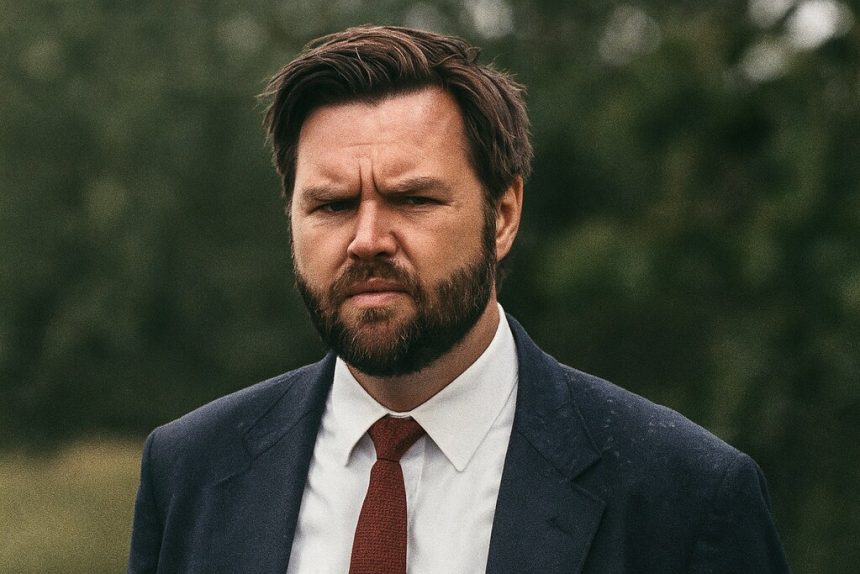
A Rare Feat in American Politics (Image Credits: Flickr)
Vice President JD Vance recently led grueling negotiations to halt the U.S.-Israeli conflict with Iran, only to walk away empty-handed after more than 20 hours of talks.[1] Iran refused demands to dismantle its nuclear program, a key objective set by President Donald Trump. This high-profile setback illustrates the constraints Vance faces while serving in the vice presidency. As he contemplates a run for the top office in 2028, such moments tie him inextricably to decisions that may not align with his own instincts.[1]
A Rare Feat in American Politics
Only one sitting vice president since the 1830s has captured the presidency directly after serving under their commander-in-chief: George H.W. Bush following Ronald Reagan in 1988.[1] Reagan enjoyed approval ratings above 50 percent at the time, providing crucial tailwinds for Bush’s campaign.[1] This stands as the exception in a long line of attempts that ended in defeat. Voters have consistently shown reluctance to extend the same administration’s mandate.
Historical records show 15 vice presidents ascended to the presidency overall, but most did so upon the death or resignation of their president.[2] Elected transitions remain elusive. Richard Nixon and Joe Biden later won the White House, but only after years away from the vice presidency.[1] The pattern underscores a persistent barrier for those seeking seamless succession.
Bound by the President’s Shadow
Vance’s role in the Iran talks drew scrutiny because reports indicated his initial reservations about launching the war.[1] Yet duty required him to advance Trump’s uncompromising stance. After the failure, Vance explained to reporters, “We’ve made very clear what our red lines are. We just could not get to a situation where the Iranians were willing to accept our terms.”[1] Such public alignment with potentially divisive policies exemplifies the vice president’s predicament.
Current polling reflects this entanglement. Trump’s job approval hovers at 41.4 percent per RealClearPolitics averages, while Vance’s favorability sits nearby at 40.9 percent.[1] Observers have long likened the position to being confined in the trunk of the president’s vehicle, rising or falling with its trajectory. A 1997 analysis of Al Gore captured this dynamic during Bill Clinton’s tenure, noting that any presidential troubles would inevitably tarnish the vice president.[1]
Partner offer
Lessons from Past Defeats
Several high-profile sitting vice presidents tested their fortunes and fell short. Here are key examples:
- Richard Nixon in 1960, after Dwight Eisenhower: Narrow loss to John F. Kennedy.[1]
- Hubert Humphrey in 1968, after Lyndon B. Johnson: Defeated amid Vietnam War unrest.[1]
- Al Gore in 2000, after Bill Clinton: Lost despite strong economy, hampered by scandals.[1]
- Kamala Harris in 2024: Failed to secure the Democratic nomination or victory.[1]
These campaigns highlight common pitfalls. Economic highs or policy wins often prove insufficient against voter fatigue with the status quo.
| Vice President | Served Under | Election Year | Outcome |
|---|---|---|---|
| George H.W. Bush | Ronald Reagan | 1988 | Won |
| Richard Nixon | Dwight Eisenhower | 1960 | Lost |
| Hubert Humphrey | Lyndon B. Johnson | 1968 | Lost |
| Al Gore | Bill Clinton | 2000 | Lost |
The Craving for Change
At its core, the challenge stems from American voters’ preference for renewal. A sitting vice president embodies continuity, asking the electorate to endorse more of the same.[1] This runs counter to periodic desires for fresh leadership, especially when approval ratings lag. Trump’s singular style sets him apart, yet even he could not secure consecutive victories.
Vance lacks that distinctive appeal, positioning him squarely against precedent. Securing the Republican nomination remains uncertain, let alone triumphing in the general election. Democrats’ potential missteps offer no reliable lifeline.
Key Takeaways
- Sitting VPs face steep odds; only Bush succeeded since 1830s under high-approval Reagan.[1]
- Vance’s fortunes mirror Trump’s, with current ratings in the low 40s.
- Voters prioritize change over continuity in presidential transitions.
JD Vance confronts a formidable array of obstacles en route to 2028, from historical headwinds to the demands of loyalty in office. Success would require dramatic shifts in public sentiment and unprecedented breaks from pattern. What do you think his odds are? Tell us in the comments.
Partner offer
Planning a trip to Vegas?
Compare hotel rates and show tickets on VEGAS.com.