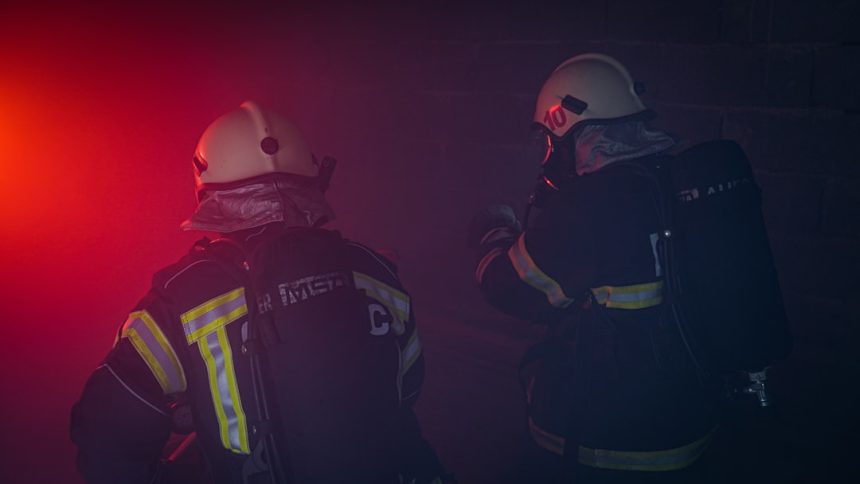
Warnings Ignored at the Lachman Fire (Image Credits: Unsplash)
Los Angeles — Firefighters in the Los Angeles Fire Department testified under oath about spotting dangers at a wildfire scene, yet they hesitated to press superiors further. That reluctance stemmed from a pervasive culture where questioning orders risks severe professional backlash. The pattern surfaced prominently in depositions related to the Lachman fire, which later exploded into the catastrophic Palisades blaze that claimed 12 lives and razed thousands of homes.[1][2]
Warnings Ignored at the Lachman Fire
During cleanup at the Lachman fire, multiple firefighters raised alarms about lingering hot spots and smoldering ash. One crew member specifically noted red-hot coals in several areas and informed a supervisor. Conditions like warm weather heightened flare-up risks, according to another account, but crews ultimately packed up hoses without deeper intervention.[1]
Scott Pike, a firefighter involved in the mop-up, later reflected on his restraint during testimony in a lawsuit filed by Palisades fire victims. “I could’ve possibly prevented a lot of stuff if I would’ve been more outspoken, right?” he said. “But that’s not the right thing to do. The captains don’t want to hear that.” Days after crews departed, the fire reignited with devastating consequences.[1]
Retaliation Tactics That Enforce Silence
Current and former LAFD members described a range of reprisals for those who challenge authority. Reassignment to remote stations, known as “highway therapy,” disrupts personal lives and isolates individuals from their support networks. Denied promotions and labels as troublemakers further erode careers.[1]
One anonymous firefighter recounted targeting after flagging unethical billing practices. “Honestly, I’ll never bring anything up,” he stated. “Good, bad or indifferent. Anything I said on behalf of the public … all it did is get me in trouble.” Such experiences reinforce a norm where silence feels safer than advocacy.[2]
Partner offer
- Reassignment to distant stations (“highway therapy”)
- Overlooked for promotions
- Branded as troublemakers
- Heightened scrutiny and discipline
Paramilitary Roots and Family-Like Bonds
Fire departments operate as paramilitary outfits, demanding swift obedience amid emergencies. Crews share 24-hour shifts, forging bonds akin to family, where ostracism cuts deeply. A retired LAFD battalion chief explained the hierarchy: newer members rarely confront captains or chiefs without years of tenure.[1]
“There’s a hierarchy, and the more time you get on, the less you expect people to question you,” the chief noted. “There is some payback in our culture. They hold grudges.” Laura Kavanagh, former New York City Fire Department leader, highlighted how this loyalty exceeds typical workplaces, deterring dissent at great personal cost.[1]
Calls for Change Amid Historical Patterns
Experts advocate targeted reforms. Sharon Delugach, a recent Los Angeles fire commissioner, emphasized training captains to view questions as respectful, not defiant. “I do think that culture can be changed through training and accountability,” she said. Jimmie Woods-Gray, another former commissioner, warned that retaliation fears stifle reports of harassment.[1][2]
A 2022 audit revealed supervisors urging silence during probes, including advice to “plead the 5th.” Female and minority firefighters have endured a “frat house” atmosphere for years. LAFD spokesperson Stephanie Bishop affirmed prohibitions on retaliation, noting new Chief Jaime Moore’s focus on respect. Yet civil rights attorney Connie Rice likened the department to a “kill-the-messenger cult,” tougher to reform than policing.[1]
Department guidelines protect those following orders and urge reporting safety issues, but real-world dynamics often override policy. As scrutiny intensifies over the Palisades disaster, the LAFD faces pressure to dismantle barriers to candor. Whether leadership delivers enduring shifts remains an open question for firefighters on the front lines.
Partner offer
Planning a trip to Vegas?
Compare hotel rates and show tickets on VEGAS.com.