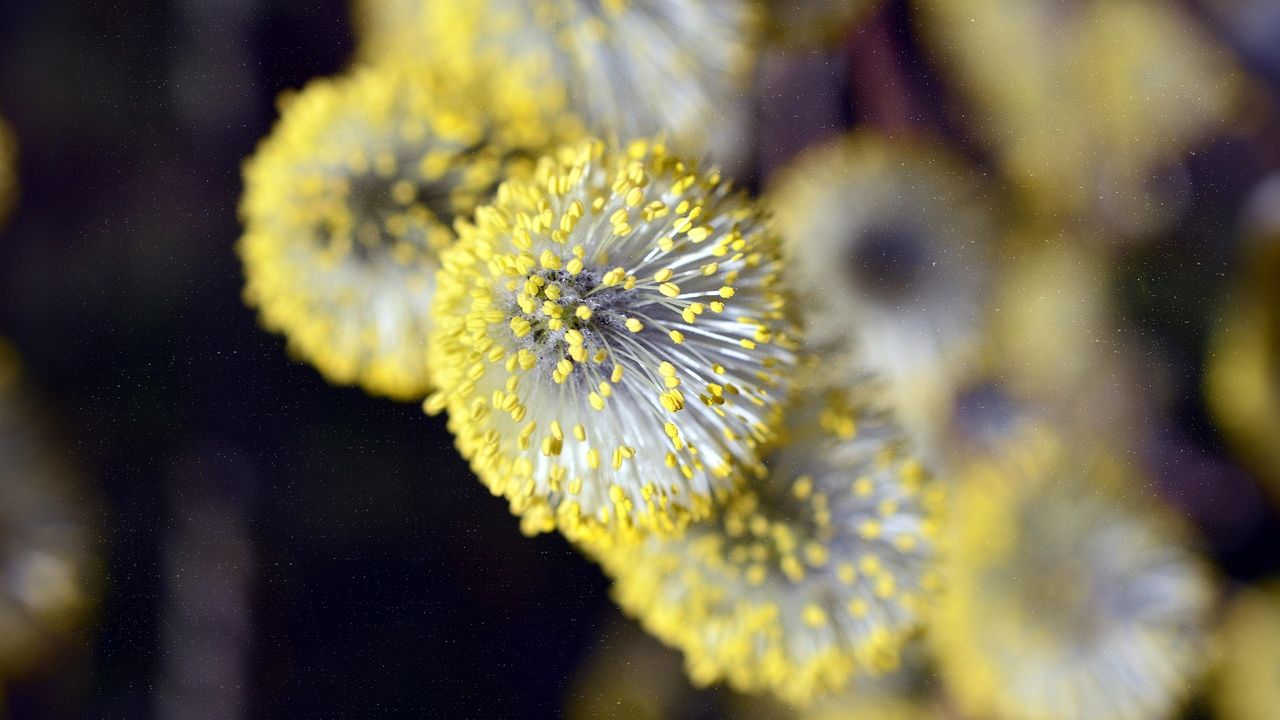
How climate change makes your allergies worse – Image for illustrative purposes only (Image credits: Pixabay)
Pollen seasons are stretching further into the calendar each year, turning a once-predictable nuisance into a more persistent health burden. Warmer conditions allow many plants to release pollen over longer stretches, and the effects do not stop at sneezing or itchy eyes. These extended seasons now overlap with other climate-related hazards, creating compounded risks that can escalate into more serious medical concerns for millions of people.
The Core Mechanism Behind Extended Seasons
Climate patterns influence plant growth cycles in direct ways. Higher average temperatures prompt earlier blooming for many species and delay the first frost that normally ends pollen production. As a result, the window for airborne allergens widens, exposing sensitive individuals to irritants for additional weeks or even months compared with previous decades.
This shift is not uniform across regions, yet the overall trend points to more days of elevated pollen counts. People who previously managed symptoms during a short spring window now face repeated flare-ups that stretch into summer and sometimes fall. The change forces adjustments in daily routines, medication use, and medical planning.
Compounding Effects With Other Climate Hazards
Allergies rarely occur in isolation when climate conditions shift. Extended pollen exposure can inflame airways already stressed by heat waves, poor air quality, or increased mold growth after heavy rains. The combination raises the likelihood of asthma attacks, respiratory infections, and emergency care visits.
Partner offer
Medical professionals note that patients with existing conditions often experience more severe symptoms when multiple stressors coincide. A longer allergy season therefore does not simply add discomfort; it multiplies the strain on the body during periods when other environmental factors are also worsening. This layering effect turns manageable seasonal issues into broader public-health challenges.
Public Health and Daily Life Impacts
Communities are beginning to see the downstream consequences in clinics and hospitals. Increased demand for antihistamines, inhalers, and specialist appointments reflects the growing reach of pollen-related problems. Schools and workplaces report more absences tied to allergy complications that now persist beyond traditional seasons.
Individuals are adapting by tracking local pollen forecasts more closely and adjusting outdoor activities. Yet these personal measures cannot fully offset the systemic change driven by longer exposure periods. The result is a gradual but steady rise in the overall burden on health systems and quality of life.
Forward Outlook and Adaptation Needs
Continued warming suggests the trend of extended pollen seasons will persist. Health authorities emphasize the value of monitoring, early intervention, and coordinated responses that address both allergies and overlapping climate risks. Research into plant responses and improved forecasting tools offers one path to better preparation.
Ultimately, the lengthening of pollen seasons illustrates how climate shifts translate into everyday health consequences. Addressing the root drivers while strengthening resilience measures remains essential to limit the harm that now extends well beyond traditional allergy months.
Partner offer
Planning a trip to Vegas?
Compare hotel rates and show tickets on VEGAS.com.