Some movie lines get repeated so often that they practically become their own trivia category. The trouble is, a surprising number of these beloved one-liners were never spoken exactly the way pop culture remembers them. Sometimes a word gets swapped, sometimes a whole phrase gets stitched together from something close but not quite right, and sometimes the line belongs to a completely different moment than fans assume. What follows is a rundown of some of the most famous cases of movie misquotation, the kind that trip up trivia nights and casual conversations alike. Each one comes with the line everyone thinks they know, the character it gets pinned on, and what was actually said on screen.
“Play it again, Sam” – Casablanca
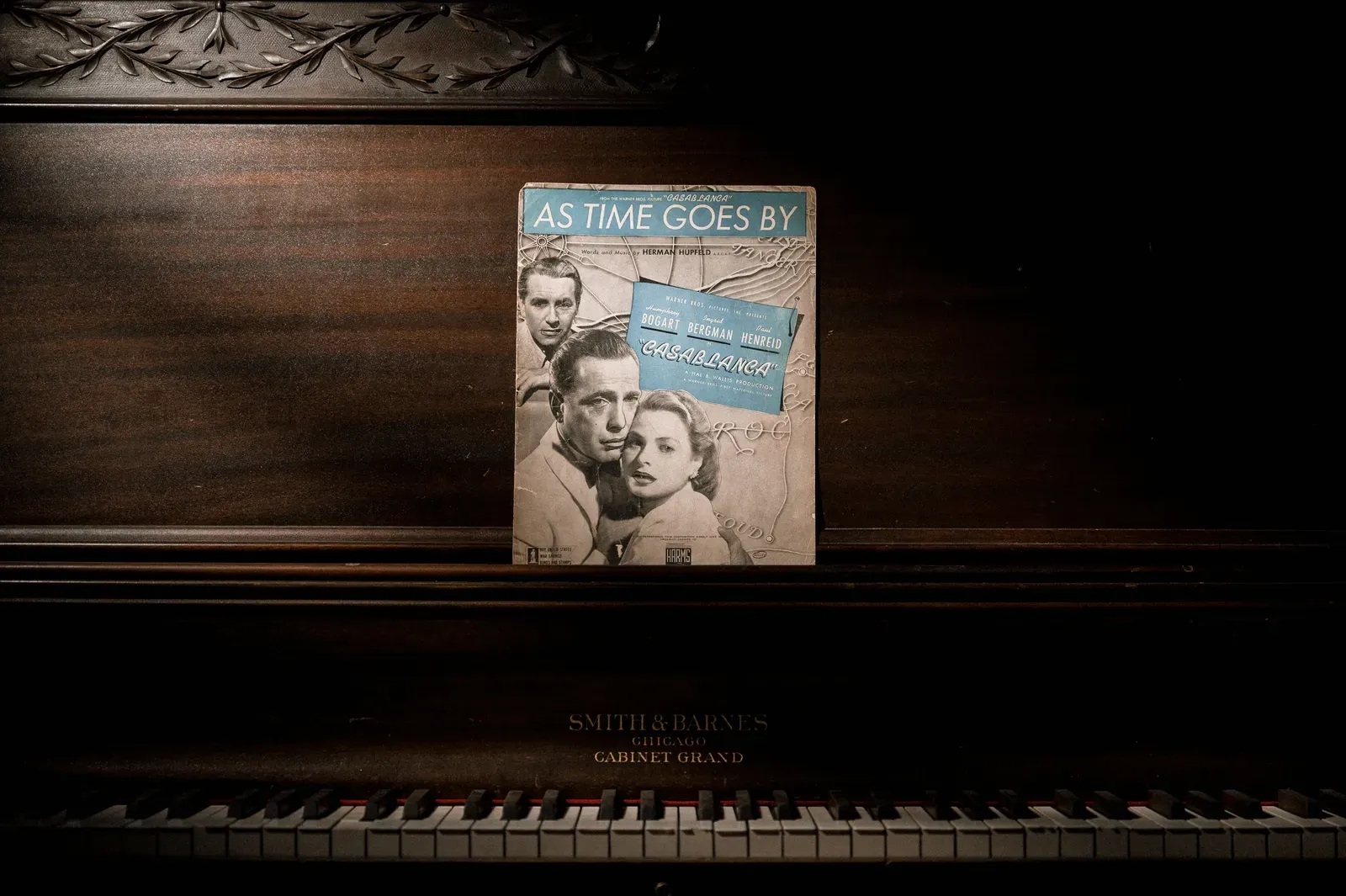
Rick Blaine, played by Humphrey Bogart, is remembered for uttering this exact request in the 1942 classic Casablanca. It sounds right because it fits the wistful, cigarette smoke atmosphere of the film so perfectly. Yet nobody in the movie says those four words together in that order at any point.
What actually happens is that Ilsa asks the piano player to play the song, and later Rick tells him to play it as well, though not with that specific phrasing. The real line is closer to “Play it Sam, play ‘As Time Goes By’.” The mismatch has stuck around for more than eight decades now, proof that a good rhythm can outlive accuracy.
“Luke, I am your father” – Star Wars: The Empire Strikes Back
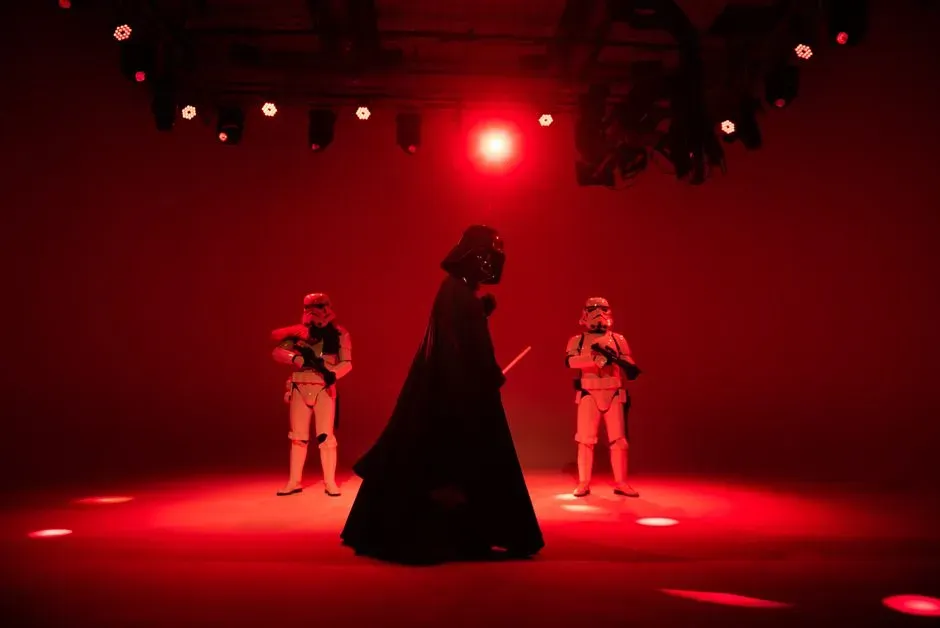
This might be the most quoted line from the entire Star Wars saga, and it gets repeated in parodies, memes, and casual conversation constantly. Darth Vader is the character everyone pictures saying it during that dramatic cloud city confrontation in 1980. The scene is real, the reveal is real, but the wording people quote is slightly off.
Luke actually accuses Obi-Wan of lying about his father’s fate first, and Vader responds by correcting him rather than opening with a new statement. The actual line delivered in the film is “No, I am your father.” That small “No” at the front changes the whole rhythm of the scene, turning it into a direct rebuttal rather than a cold announcement.
“Houston, we have a problem” – Apollo 13
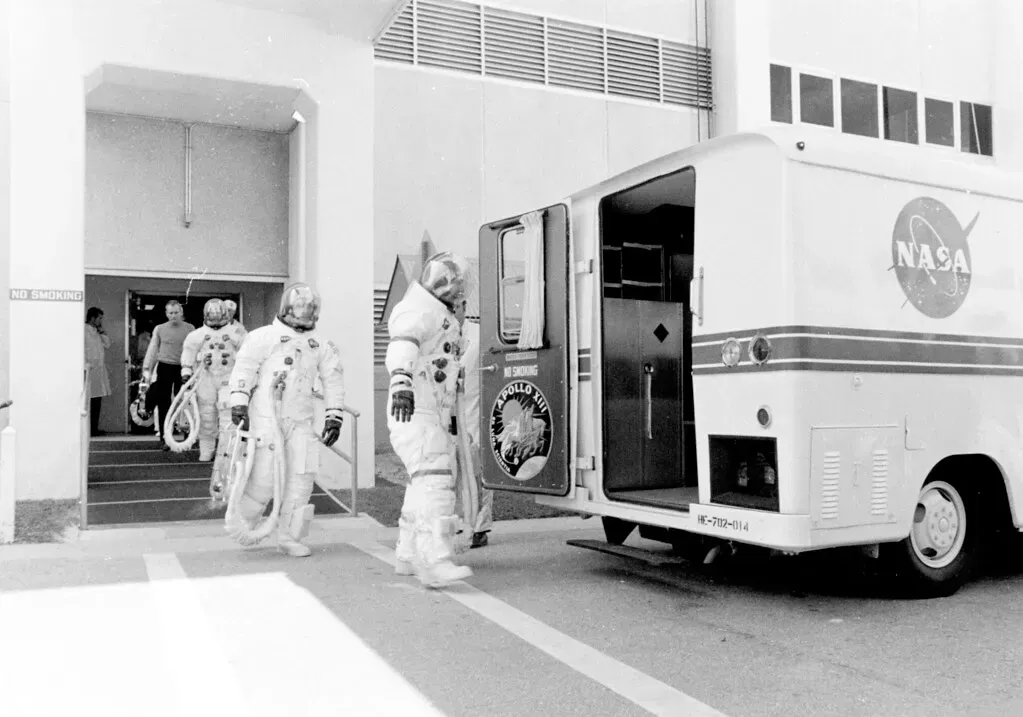
Tom Hanks delivers this line as astronaut Jim Lovell in Ron Howard’s 1995 film about the near-disastrous 1970 moon mission, and it became an instant piece of movie shorthand for any crisis. The phrase shows up on t-shirts, in boardroom jokes, and in headlines whenever something goes sideways. The catch is that the astronaut who actually radioed the emergency wasn’t even Lovell.
As official NASA recordings show, when the explosion occurred, Apollo 13 crew member John L. “Jack” Swigert announced, “Okay, Houston, we’ve had a problem here.” Screenwriter William Broyles Jr. later explained why the wording changed for the film, noting that the verb tense actually used “wasn’t as dramatic,” since the past perfect tense implied the problem was already resolved rather than unfolding in real time. So the movie version borrows Swigert’s real transmission, retimes the grammar for tension, and hands it to Lovell instead.
“Mirror, mirror on the wall” – Snow White and the Seven Dwarfs

The Evil Queen in Disney’s 1937 animated classic is remembered for this sing-song request to her magic mirror, and the phrase has become shorthand for vanity and jealousy in pop culture ever since. Almost everyone assumes those exact words open her famous question. The real line has a slightly different rhythm to it.
The Queen actually says “Magic mirror, on the wall, who is the fairest of them all,” rather than the doubled “mirror, mirror” version most people recite. It is a small swap, just one word repeated instead of two, but it shows how easily a phrase can smooth itself out over generations of retelling until the original wording gets left behind.
Partner offer
“Elementary, my dear Watson” – Sherlock Holmes films
Sherlock Holmes is one of literature’s most quoted detectives, and this phrase feels like it should be baked into the character’s DNA. Yet Sir Arthur Conan Doyle, who created Holmes and wrote all the original stories, never actually wrote this exact combination of words. Investigators who have combed through the entire canon confirm the closest match falls short of the familiar phrase.
Conan Doyle never wrote those four words in that exact order, and the closest instance appears in an 1893 short story where “my dear Watson” and “elementary” show up fifty two words apart. The line actually entered the world through adaptations rather than the source material. The exact phrase was first used in a 1929 film called The Return of Sherlock Holmes, though it didn’t fully attach itself to the character until the 1939 film starring Basil Rathbone. So the detective everyone associates with this catchphrase technically never said it in the books that made him famous.
“Beam me up, Scotty” – Star Trek
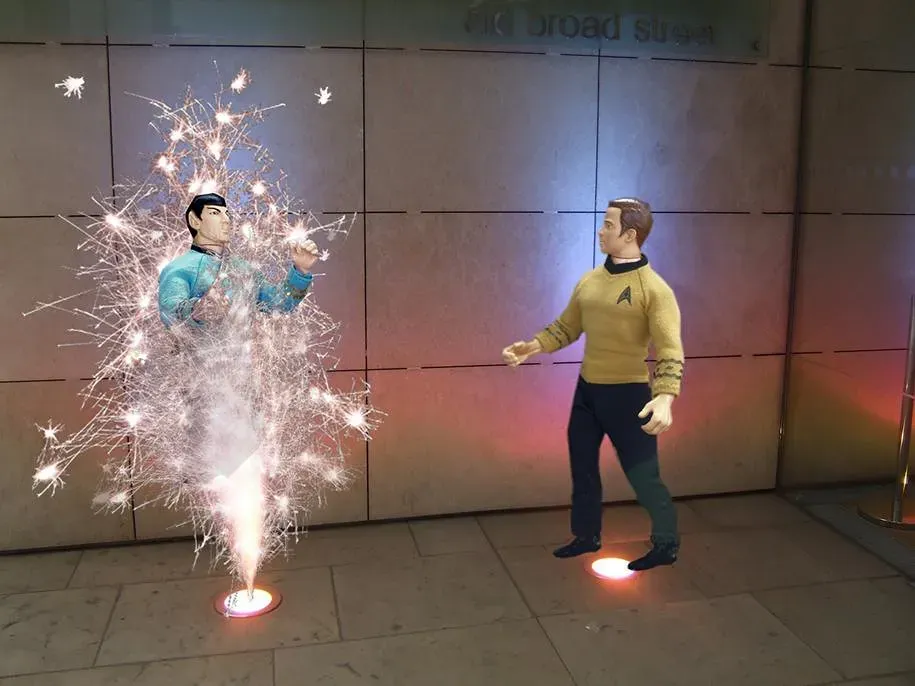
Captain Kirk is the character forever linked to this request, and it has become one of the most recognizable phrases in science fiction history. Bumper stickers, coffee mugs, and casual jokes all lean on this exact wording. The strange part is that William Shatner’s Kirk never actually said those specific words together during the original series or any of the films.
Although Kirk had several similar variations of this request, he never actually phrased it as “beam me up, Scotty,” instead saying things like “Scotty, beam us up” or simply “Beam me up.” The closest the franchise ever got was in the 1986 film Star Trek IV: The Voyage Home, where Kirk says “Scotty, beam me up,” which is close but still not the version everyone remembers. It is a textbook case of a phrase becoming more famous than its own source material.
“I’ll have what she’s having” – When Harry Met Sally

This line from the 1989 romantic comedy is inseparable from Meg Ryan’s character Sally Albright, mostly because the scene where it happens is one of the most famous comedic moments in movie history. Sally performs a memorably exaggerated demonstration at a crowded New York deli, and people naturally assume she is the one who delivers the punchline. She is actually silent by that point in the scene.
The line belongs to another customer in the diner, an older woman seated nearby who watches the whole spectacle and calmly tells the waiter what she would like to order after witnessing it. It is a small piece of comic misdirection that works precisely because the audience expects the joke to land on Sally rather than a stranger. Decades later, the misattribution to Sally persists in countless quote lists and casual references.
“I want to be alone” – Grand Hotel
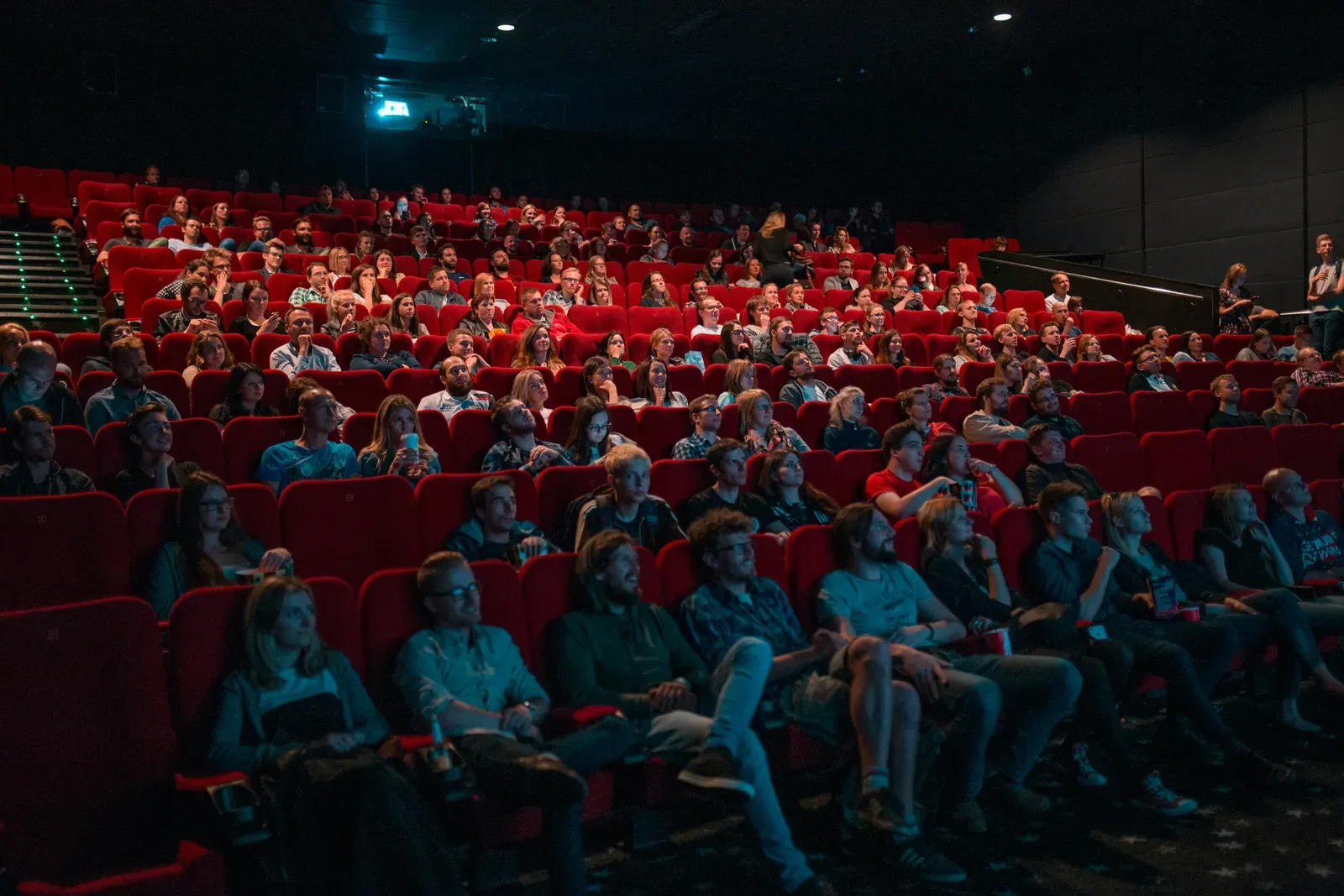
Greta Garbo delivers this line as the reclusive ballerina Grusinskaya in the 1932 film Grand Hotel, and the phrase became so tied to her off screen persona that people eventually forgot where it originated. Garbo’s real life reputation for avoiding publicity blended with her character’s dialogue until audiences assumed she had said it about herself in an interview or public statement. That blending is exactly what makes this case interesting.
Garbo reportedly pushed back against this idea for years, insisting she never said those words about her own life and had only ever spoken a similar phrase, wanting to be let alone rather than simply alone. The distinction matters because it changes the meaning entirely, from a blanket rejection of people to a more specific request for occasional privacy. The movie line survived, but the version attached to Garbo’s real personality was a slightly different sentiment altogether.
Why these mix-ups happen so often
Partner offer
Planning a trip to Vegas?
Compare hotel rates and show tickets on VEGAS.com.