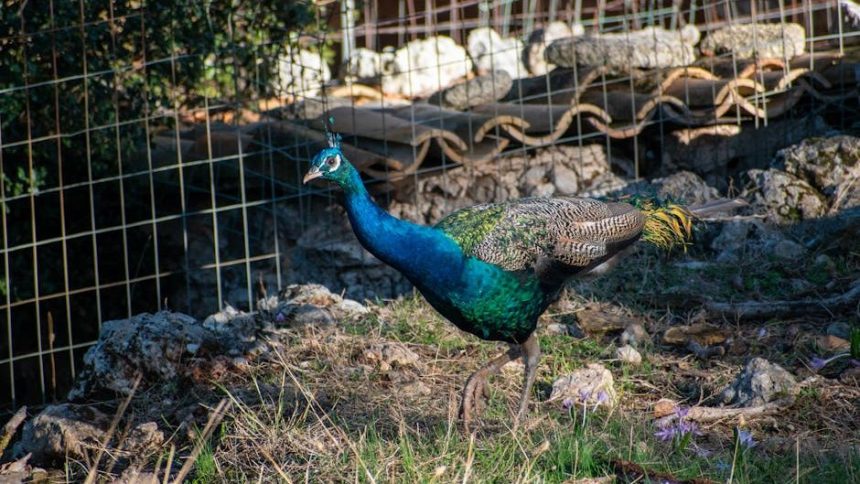
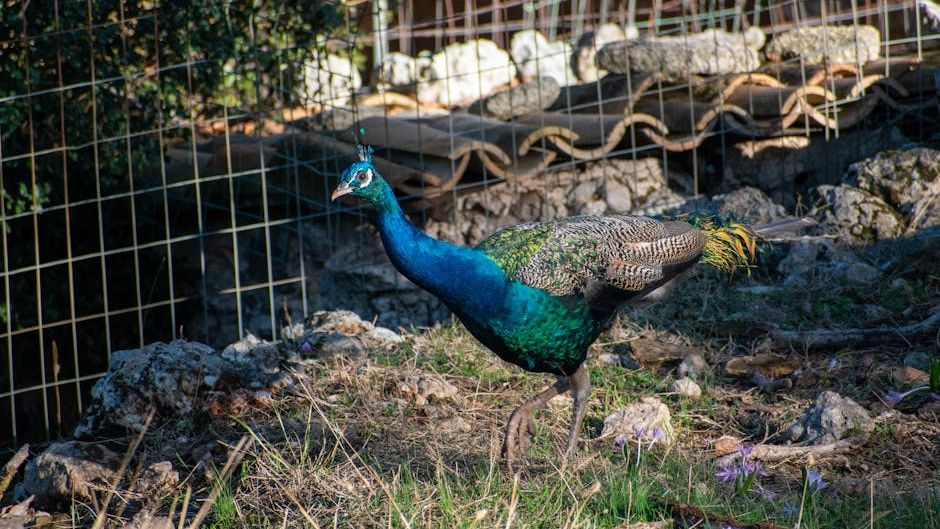
Meloni’s party gets tough on Italian peacock problem – Image for illustrative purposes only (Image credits: Pexels)
Punta Marina – A surge in the local peacock population has turned a quiet Adriatic resort into the center of an unexpected political dispute. The birds, now estimated at around 100, began settling more freely in residential zones during the reduced human activity of the pandemic years. Their presence has since produced repeated complaints over nighttime noise, property damage and sanitation concerns, drawing the attention of national figures.
Local Frustrations Reach a Breaking Point
Residents report that the peacocks wander through gardens, perch on rooftops and vehicles, and emit loud mating calls that disrupt sleep near homes and hotels. These behaviors have persisted for more than a decade, with the first sightings noted as early as 2014. Attempts to manage the birds have repeatedly fallen short, leaving many households to describe daily coexistence as increasingly difficult.
The practical effects extend beyond annoyance. Droppings create hygiene problems on streets and private land, while scratches and weight on cars and roofs have led to repair costs for some property owners. In a town that relies on tourism, these issues also raise questions about maintaining an orderly public environment for visitors.
Political Response Takes Shape
Members of Prime Minister Giorgia Meloni’s Brothers of Italy party have now organized a public meeting to press for coordinated action. They argue that the left-leaning local council has not moved quickly enough to address the growing number of formal complaints. Party representatives described the session as a step toward a clear political and administrative plan.
Partner offer
City councilor Anna Greco, one of the meeting organizers, characterized the situation as nearly unbearable after years of unsustainable conditions. The party has emphasized the need to protect private property and preserve urban standards in a community that depends on seasonal visitors.
Timeline and Stakeholder Impact
The problem developed gradually. Limited human presence during the pandemic allowed the birds to expand their range and numbers without interference. By the time normal activity resumed, the flock had reached a size that residents found disruptive on a daily basis.
Key groups affected include homeowners facing repeated damage, hotel operators concerned about guest comfort, and local officials responsible for balancing wildlife presence with quality-of-life standards. The national party’s involvement adds a layer of visibility that could influence how similar nuisance-animal cases are handled elsewhere along the coast.
Next Steps Under Discussion
Participants at the meeting focused on relocation options and clearer responsibility between local and regional authorities. No immediate removal plan has been announced, but the gathering signals an intent to move beyond previous unsuccessful efforts. Observers note that any solution will need to address both the immediate complaints and the longer-term management of the birds in a built-up tourist area.
The episode illustrates how even small-scale environmental changes can quickly become matters of local governance and national political attention when quality-of-life concerns accumulate. Punta Marina’s experience may serve as a reference point for other Italian communities facing comparable wildlife pressures.
Partner offer
Planning a trip to Vegas?
Compare hotel rates and show tickets on VEGAS.com.