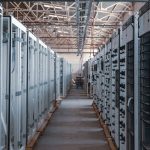
The world is installing grid batteries at a blistering pace – Image for illustrative purposes only (Image credits: upload.wikimedia.org)
The expansion of large-scale battery storage marks a critical step in managing the variability of wind and solar power. Data released by BloombergNEF show that new grid battery installations rose 48 percent in 2025 compared with the previous year, bringing total added capacity to 112 gigawatts. This growth follows years of rapid solar deployment and reflects the practical need to balance supply and demand on electricity networks that now rely more heavily on intermittent sources.
Why Storage Matters at This Stage
Renewable generation often peaks when demand is low and drops when demand rises. Batteries address that mismatch by absorbing excess electricity during high-production periods and releasing it later. Without sufficient storage, grid operators must curtail renewable output or rely on fossil-fuel plants to fill gaps, limiting the overall emissions reductions that solar and wind can deliver.
The 2025 figures indicate that storage is now scaling in tandem with new renewable projects rather than lagging behind them. This alignment reduces the risk of wasted clean energy and supports more stable electricity prices over time.
Scale of the 2025 Increase
The 48 percent jump translates into an additional 36 gigawatts of battery capacity compared with 2024 installations. BloombergNEF attributes the acceleration to falling battery prices, supportive policy frameworks in several major markets, and growing utility interest in resources that can respond within seconds to grid imbalances.
Partner offer
Most of the new capacity uses lithium-ion technology, which offers the combination of cost, efficiency, and response speed required for daily cycling. While other chemistries continue to be tested, lithium-ion systems accounted for the overwhelming majority of projects that reached commercial operation last year.
Regional Patterns and Remaining Limits
Deployment remains concentrated in a handful of leading markets, including China, the United States, and parts of Europe. These regions combine strong renewable targets with transmission infrastructure that can accommodate large storage facilities. In other areas, regulatory uncertainty and interconnection delays continue to slow progress.
Even with the recent surge, total installed grid battery capacity is still modest relative to overall electricity demand. Analysts note that further cost reductions and streamlined permitting will be needed before storage can fully offset the need for backup generation during extended periods of low renewable output.
What Matters Now
The latest data confirm that battery storage is moving from niche application to mainstream grid resource. Continued growth at this pace would allow higher shares of wind and solar without compromising reliability, though supply-chain constraints and siting challenges remain important variables to watch.
Utilities and system planners are already incorporating these additions into long-term resource plans. The result is a more flexible power system that can integrate larger amounts of clean generation while maintaining the reliability standards expected by consumers and regulators alike.
Partner offer
Planning a trip to Vegas?
Compare hotel rates and show tickets on VEGAS.com.