
Music has this funny way of showing up uninvited. The greatest revolutions in sound did not start with boardroom meetings or master plans. They started with a broken amplifier, a shortage of records, a teenager’s birthday party, or an engineer who was just trying to study telephone signals. Honestly, the most thrilling thing about music history is not what people meant to do. It is what happened when things went sideways.
Some of the genres you stream today, hum in the shower, or blast on a road trip were born out of sheer circumstance. A mistake here, a borrowed idea there, and suddenly the world had a completely new sound it could not live without. Be surprised by how many of your favorites were basically cosmic accidents.
Hip-Hop: A Back-to-School Party That Changed Everything

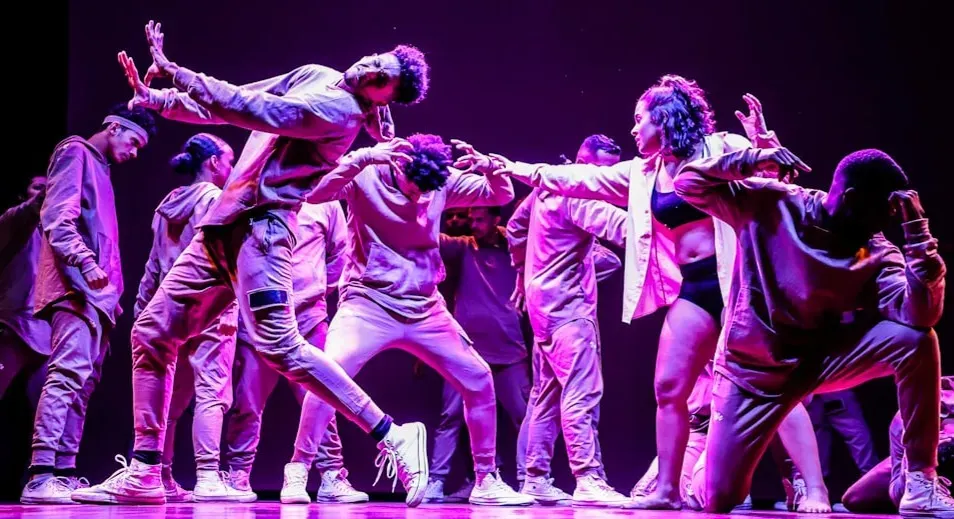
Few origin stories in music are as specific, documented, and almost impossibly accidental as the birth of hip-hop. On August 11, 1973, DJ Kool Herc was spinning records at a party hosted by himself and his younger sister at 1520 Sedgwick Avenue in the Bronx. She wanted to earn extra cash for back-to-school clothes, so she decided to throw a party where her older brother, then just 18 years old, would play music for the neighborhood. Nobody in that apartment building recreation room had any idea they were witnessing the birth of a global movement.
DJ Kool Herc’s signature innovation came from observing how the crowds would react to different parts of whatever record he happened to be playing: people used to wait for particular parts of the record to dance, maybe to do their specialty move. Those moments tended to occur at the drum breaks. Campbell isolated the instrumental portion of the record which emphasized the drum beat – the “break” – and switched from one break to another. Using the same two-turntable set-up of disco DJs, he used two copies of the same record to elongate the break. This breakbeat DJing, using funky drum solos, formed the basis of hip hop music.
The movement Herc spawned has grown into an industry that may be worth at least $20 billion today, according to some estimates. Think about that. A genre worth tens of billions of dollars started because a teenager wanted money for new school clothes. Campbell’s announcements and exhortations to dancers also helped lead to the syncopated, rhythmically spoken accompaniment now known as rapping. He called the dancers “break-boys” and “break-girls,” terms that continue to be used fifty years later in the sport of breaking.
Rock and Roll: Sailors, Slang, and a Whole Lot of Rhythm and Blues

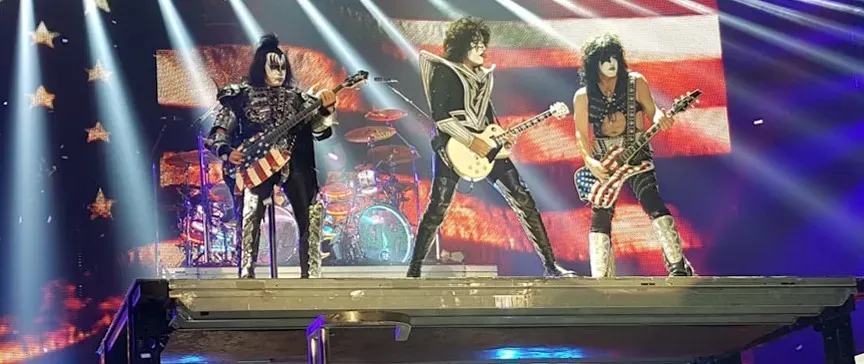
Here is a fun detail most people never learn in school. The phrase “rocking and rolling” originally described the movement of a ship on the ocean, but it was used by the early 20th century, both to describe a spiritual fervor and as a sexual analogy. Maritime history actually gave rock and roll its name. Sailors used the phrase to describe ships swaying at sea before it became dance slang in African American communities. Radio DJs later adopted the term for the emerging sound of the 1950s.
The origins of rock and roll are complex. Rock and roll emerged as a defined musical style in the United States in the early to mid-1950s. It derived most directly from the rhythm and blues music of the 1940s, which itself developed from earlier blues, the beat-heavy jump blues, boogie woogie, up-tempo jazz, and swing music. No single person sat down and decided to invent it. It just arrived, like weather.
There is no one inventor of rock and roll; it’s a genre born from the combined efforts of pioneering artists like Chuck Berry, Elvis Presley, Little Richard, and Buddy Holly. Some argue that rock and roll was an evolutionary genre, with no single “invention” moment. Instead, it emerged gradually as artists and audiences embraced a new style of music that blended diverse influences. The result, of course, changed the world forever.
Dub: When a Recording Engineer Accidentally Flipped Music Inside Out


Dub music was born in the late 1960s in Jamaica, and like so many great inventions, it happened by accident. The story involves Osbourne “King Tubby” Ruddock, an engineer who discovered that stripping a reggae track down to its raw rhythmic skeleton created something hypnotic and entirely new. The original practitioners established dub not just as a distinctive reggae offshoot but as a prototype for modern electronic music and its associated practices, including the song remix and the elevation of the producer and engineer as the artist.
King Tubby was the first to use the mixing console as an instrument; in dub, the engineer becomes the composer, the arranger, the performer and the artist. This was a radical, almost philosophical shift in how music was understood. Before Tubby, the console was a tool. After Tubby, it was an instrument in its own right.
This happy accident quickly caught on, and soon dub became an essential part of Jamaican music, influencing not just reggae but electronic and hip-hop music too. Dub’s experimental spirit led to the very idea of the remix, which is now a staple in every genre. Every time you hear a remix on the radio today, you can trace a direct line back to a Jamaican studio engineer fiddling with knobs in the late 1960s.
Punk Rock: Bored, Broke, and Accidentally Revolutionary

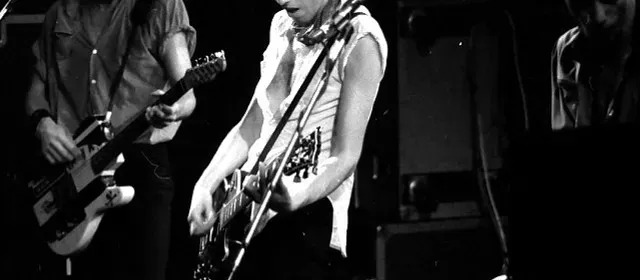
Let’s be real. Punk was not planned. Punk rock’s birth was a loud, messy accident. In the mid-1970s, bands like The Ramones were tired of the bloated, overproduced rock dominating the airwaves. They just wanted to play fast, raw, simple songs – with no thought of inventing a new style. The genre essentially materialized out of frustration and tight budgets.
Punk, it wasn’t invented – it was a point in time when someone noticed something different was going on, wrote about it, called it something, and others jumped on. That observation captures the accidental nature of the whole thing perfectly. Nobody handed The Ramones a blueprint for a new genre. They just played three-chord songs as fast as they could because that was what they had.
The cultural shockwave was enormous. Punk dismantled the idea that you needed years of training or expensive equipment to make music that mattered. I think that is its most lasting gift. What started as impatience with the music industry became a philosophy of radical DIY independence that still shapes alternative music in 2026.
Grunge: Seattle’s Accidental Explosion

Grunge began as an undefined blend of punk, metal, and raw emotion brewing in Seattle’s underground scene. Bands like Nirvana, Pearl Jam, and Soundgarden were simply making music that felt honest to them, without worrying about labels. It wasn’t until Nirvana’s smash hit “Smells Like Teen Spirit” arrived in 1991 that the term “grunge” became cemented in the public’s mind.
The genre’s rough sound and introspective lyrics connected deeply with Generation X’s sense of alienation and angst, fueling a cultural wave that swept over the world. Grunge’s accidental rise forced the mainstream to embrace imperfection and vulnerability, and its fingerprints can still be seen in alternative and rock music today. That is a remarkable legacy for music that was never meant to be a movement.
Seattle’s café culture played a role in birthing the grunge movement. Barista-musicians formed creative networks during coffee shop shifts. This laid the groundwork for the genre’s collaborative spirit. There is something poetic about one of the rawest, most emotionally raw genres in history being nurtured over coffee.
Chicago House: Running Out of Records and Making History

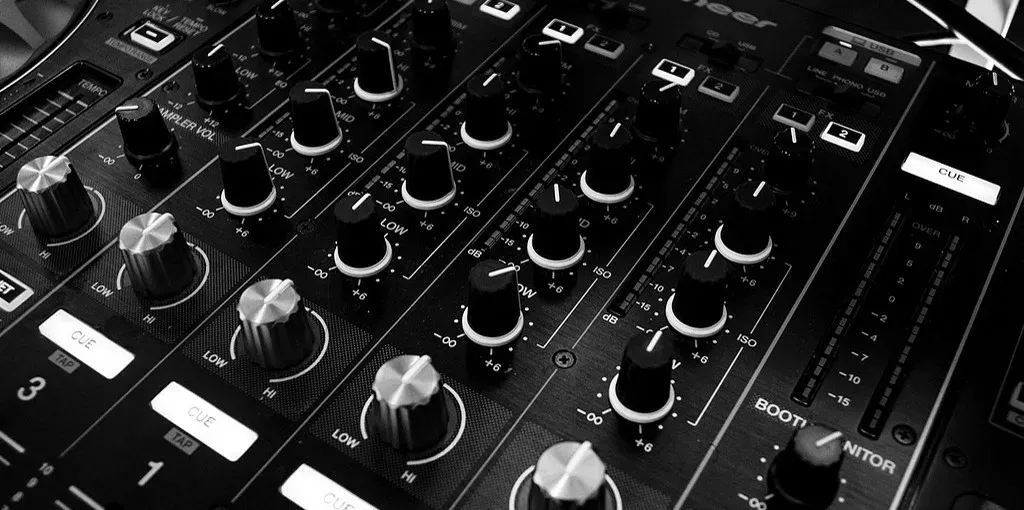
Chicago house music didn’t start with a plan – it started with DJs running out of records. In the early 1980s, club DJs in Chicago faced a shortage of disco and soul records, so they began improvising. They started adding drum machines and synthesizers to the music, editing and looping soul tracks into something entirely new. Necessity, in this case, gave birth to one of the most globally influential dance genres ever created.
Think of it like a chef running out of ingredients and accidentally inventing a dish that goes on to inspire restaurants worldwide. The Warehouse club in Chicago became ground zero for a sound built almost entirely from problem-solving. The scarcity of records became a creative catalyst nobody could have predicted.
House music eventually crossed the Atlantic and became the DNA of nearly all modern electronic dance music in Europe. Some of the most important innovations in electronic music came about by mistake, whether it be the way that Roland’s TR-808 and then the TR-909 drum machines were picked up and abused by early techno and electro producers, or the accidental advent of quantisation. Chicago house, born from an empty record crate, is now the blueprint of global club culture.
Electronic Music: Bell Labs Engineers Who Never Meant to Write a Symphony

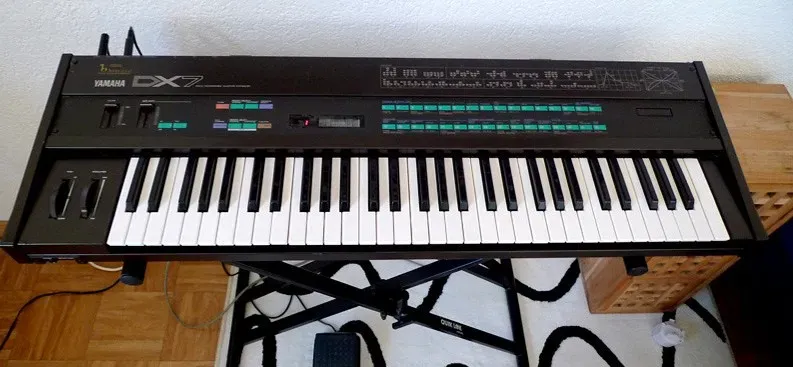
Bell Labs sparked the electronic music revolution by accident. Their engineers created the first synthesizer to study telephone audio frequencies. The entire purpose was telecommunications research, not artistic expression. Music was never supposed to enter the picture at all.
Innovative contributions to computer music software and hardware were made at Bell Telephone Laboratories during the 1960s. The justification for this work was its potential application to the synthesis of human speech for telephone applications. Computer music was a sideline to other research being performed and was not a full-time assignment. Essentially, one of the most transformative revolutions in music history happened in someone’s spare time at a phone company.
Sampling, introduced with the Fairlight synthesizer in 1979, has influenced genres such as electronic and hip hop music. Today, the synthesizer is used in nearly every genre of music and is considered one of the most important instruments in the music industry. The accidental tools of phone engineers are now, undeniably, the backbone of modern sound.
Fuzz and Distortion: A Damaged Amp That Rewired Guitar Music

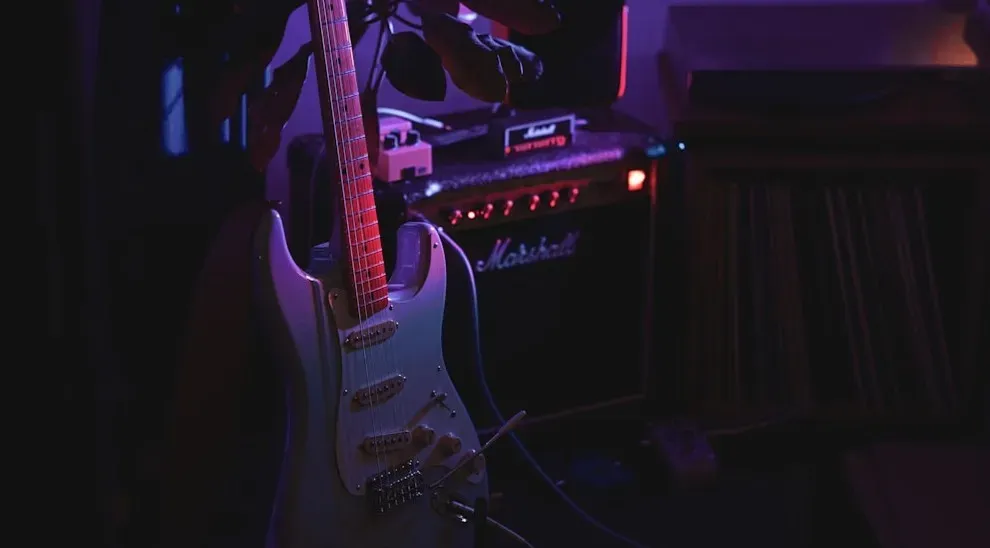
Technical problems created alternative rock’s fuzzy sound. A malfunctioning recording console produced unique distortion. Bands began deliberately recreating this effect. That is the entire origin story of one of rock music’s most beloved sonic signatures, told in three short sentences.
The song widely considered to be one of the earliest rock and roll records, “Rocket 88,” owes its iconic sound to a damaged amplifier. One of the first examples of “fuzz” guitar came thanks to Willie Kizart’s damaged amplifier on the 1951 recording. The amp had been dropped in transit. Rather than fix it or replace it, the musicians just recorded with the broken gear. The result was something nobody had ever heard before.
Distortion is embraced in rock and roll, and some of the greatest hits of the 1950s and 1960s have recorded mistakes and speed-ups or slow-downs during the pop tunes. Rock music essentially built an aesthetic around imperfection. The “broken” sound became the desired sound. That shift in thinking was arguably an accident that changed the emotional vocabulary of popular music permanently.
Shoegaze: Stage Fright That Became a Sound

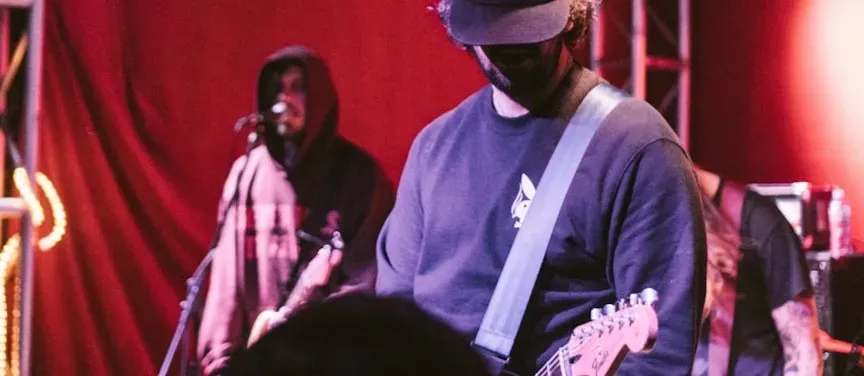
The musicians would often stare down at their pedal boards during performances, leading the press to dub the style “shoegaze.” This wasn’t intentional – the bands were simply experimenting with sound and trying to find new textures. The result was a genre where vocals were buried deep in the mix and melodies seemed to float in a haze of distortion.
It is hard to say for sure, but there is a reasonable argument that shoegaze is the only genre named after a physical habit born from anxiety. Artists like My Bloody Valentine were not performing a stylistic choice when they stared at their feet. They were focused on tweaking layers of effects pedals in real time. The audience mistook technical focus for artistic detachment. A genre was born from that misunderstanding.
Shoegaze’s lush, immersive soundscapes have inspired countless artists since, from dream pop to modern indie rock. What began as a technical workaround and a way to handle stage fright became a beloved subculture with its own dedicated following. Thirty years later, shoegaze is experiencing a full-blown revival, with new artists citing those old foot-watching performances as a central influence.
Trap Music: Street Slang That Became a Global Genre

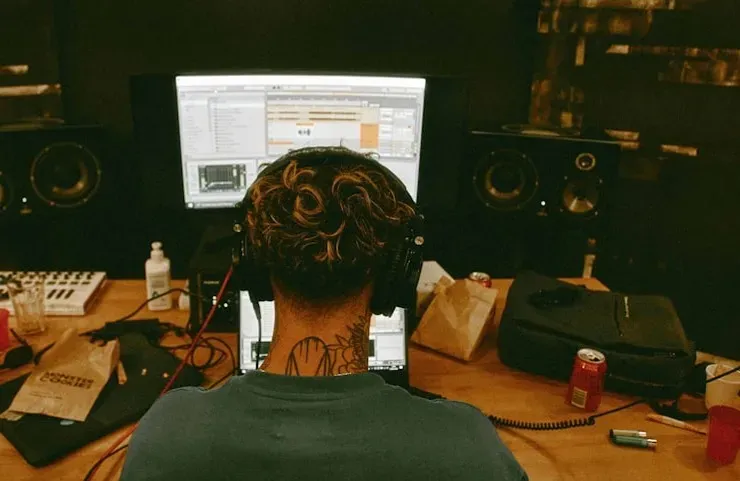
Trap music’s evolution was as unexpected as it was dramatic. The word “trap” originally described the grim reality of life in drug houses in the American South. Nobody in those early Atlanta rap scenes of the early 2000s had any plan to create a genre that would eventually dominate global charts for two decades straight.
Producers like Lex Luger and Zaytoven were experimenting with 808 drum machines, hi-hat patterns, and dark synthesizer melodies in a very regional, hyper-specific context. What they created felt personal and local. The wider music industry did not even take it seriously for years. Then, almost suddenly, those same rolling hi-hats and rattling 808 bass hits were showing up in pop, EDM, K-pop, and Afrobeats worldwide.
The way that Roland’s TR-808 drum machine was picked up and abused by early producers had a profound impact on the growth of electronic music. Trap’s producers were doing exactly that: pushing a commercial drum machine far beyond its intended use to create something alien and thrilling. The global takeover of trap was not a business strategy. It was sonic evolution happening in real time, and almost nobody saw it coming.
Conclusion: Happy Accidents, Permanent Revolutions


There is a pattern here that is almost impossible to ignore. None of the people who created these genres woke up one morning and decided to change music history. Kool Herc was trying to keep people dancing at his sister’s party. The Chicago DJs just needed more records. The shoegaze musicians were anxiously staring at their pedals. The Bell Labs engineers were trying to understand telephone frequencies.
Music’s greatest revolutions were not planned. They were responses to problems, pressures, and pure chance. The lesson might be that creativity does not always come from intention. Sometimes it comes from scarcity, frustration, a broken amp, or a room full of teenagers in the Bronx on a hot August night.
Which one of these accidental origins surprised you the most? Drop your thoughts in the comments.