
Some of the most memorable things in movies never existed. A logo on a coat, a name on a building, a slogan on a billboard, and suddenly you know exactly which film you’re watching. Fictional corporations do a lot of quiet work for a story.
This list walks through nine of them, from sinister conglomerates to cheerful monster-powered utilities. Each one is tied to a specific film, so you can test yourself before reading the answer. No search was needed for these, since they’re settled parts of film history.
Weyland-Yutani
This is the shadowy corporation behind the Alien franchise. It first appears in the original 1979 film Alien, directed by Ridley Scott, though the full name wasn’t spoken early on. The company is known for treating its crew as expendable.
Its real goal is acquiring the alien creature as a biological weapon. That plot point turns an ordinary space freighter story into a tale of corporate betrayal, and the idea continued through the sequels and later entries in the series.
Tyrell Corporation

The Tyrell Corporation belongs to Blade Runner, released in 1982 and also directed by Ridley Scott. It manufactures the replicants, the artificial humans at the heart of the story. Its pyramid headquarters dominates the film’s dark vision of Los Angeles.
The company’s motto promises products more human than human. The sequel Blade Runner 2049 arrived in 2017, and in it a successor firm run by Niander Wallace took over the replicant business after Tyrell’s collapse.
Cyberdyne Systems

Cyberdyne Systems is the company that, in the Terminator films, builds the technology leading to Skynet. It debuted in the sequel, Terminator 2: Judgment Day, from 1991. Its research into a destroyed machine’s remains sets up the film’s central threat.
James Cameron’s story used the firm to show how ordinary corporate ambition could lead to disaster. The point isn’t a villain in a cape. It’s a research lab making a very bad breakthrough.
Monsters, Inc.
Not every fictional company is menacing. Monsters, Inc. is the title firm of the 2001 Pixar film, an energy company that powers Monstropolis by collecting children’s screams. It’s run with the efficiency of a real utility.
The story turns when the company’s workers discover that laughter is far more powerful than fear. A prequel, Monsters University, followed in 2013, showing how the lead characters trained for jobs there.
Partner offer
Acme Corporation

Acme is the supplier behind countless cartoon disasters. It’s most closely tied to the Looney Tunes shorts, where wile-hunting coyotes order rockets and anvils by mail. Its name appeared in the Road Runner cartoons throughout the 1950s and beyond.
The company also features in the 1996 film Space Jam and in Who Framed Roger Rabbit from 1988. It shows up as a running joke, a brand whose products reliably backfire.
Umbrella Corporation

Umbrella is the pharmaceutical giant at the center of the Resident Evil film series, which began in 2002. The movies took the name from the video game franchise that inspired them. Behind its respectable image, the company develops a deadly virus.
The first film was directed by Paul W.S. Anderson and starred Milla Jovovich. Its underground research facility, the Hive, became the setting for the outbreak that kicks off the series.
Omni Consumer Products
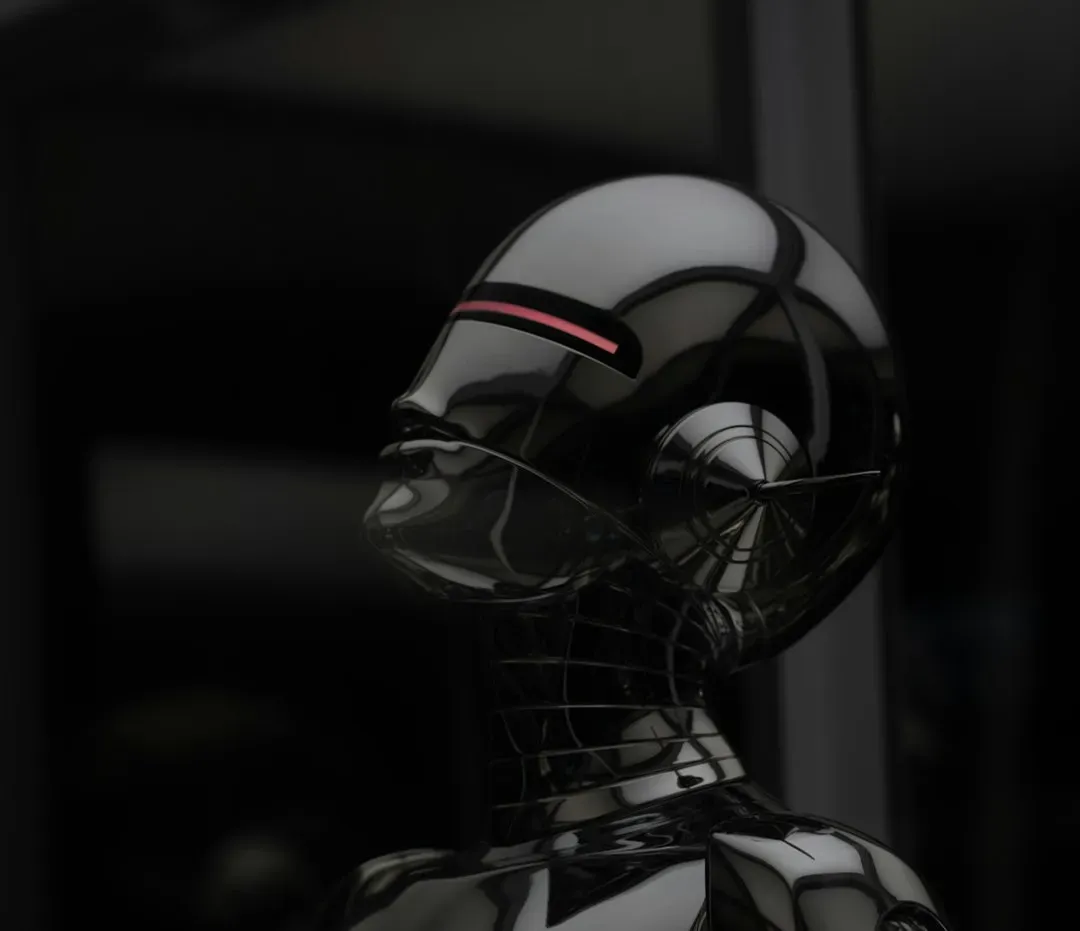
Omni Consumer Products, usually shortened to OCP, runs a privatized version of Detroit in RoboCop from 1987. The company funds the police force and builds the robotic officer at the film’s center. Paul Verhoeven directed the satirical sci-fi story.
OCP’s executives treat law enforcement as just another profit line. That sharp joke is a big reason the film is still discussed as social satire, not only as an action movie.
Buy n Large

Buy n Large is the all-consuming retail giant of WALL-E, the 2008 Pixar film. Its logo appears across the abandoned Earth, on everything from trash to spaceships. The company’s overconsumption is implied to be a major reason humanity left the planet.
The film never needs a long speech to explain this. A company name repeated everywhere does the job, and it’s one of the more subtle uses of corporate branding in animation.
Initech

Initech is the dull software company in Office Space, the 1999 comedy written and directed by Mike Judge. It’s a place of cubicles, cover sheets on reports, and a famously jammed printer. The film follows employees who are fed up with the daily grind.
Though it wasn’t a big box office hit on release, it gained a strong following on home video and cable. Today Initech stands as shorthand for an average, soulless workplace.
Partner offer
Planning a trip to Vegas?
Compare hotel rates and show tickets on VEGAS.com.