A car chase on screen can last ninety seconds and still take months to prepare. The speed you see is real in some shots and carefully faked in others. Behind it sits a stunt coordinator, who decides what is possible, what is safe, and what the camera actually needs.
Most of that work happens long before an engine starts. It involves paperwork, maps, test drives, and a lot of conversations with people who never appear in the frame. Here is how the planning usually unfolds.
Reading the Script for What Matters
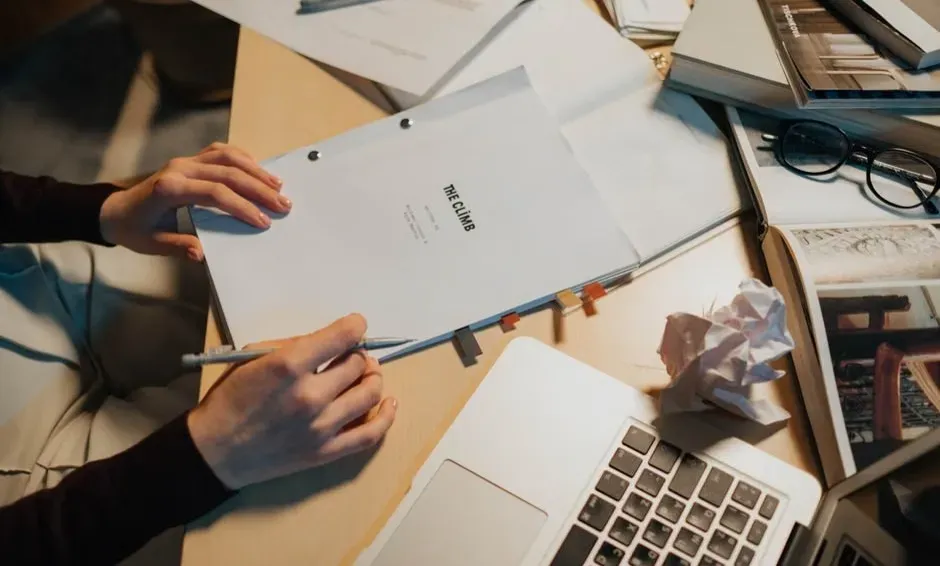
The first job is breaking the script down beat by beat. A coordinator looks for every moment where a vehicle hits something, spins, jumps, or comes close to a pedestrian. Each of those moments gets its own list of risks and requirements.
Then comes the budget conversation with the director and producers. A single crash can cost more than a week of dialogue scenes, so the team often trims the chase to what serves the story. A shorter, sharper sequence is easier to make safely.
Scouting Real Streets
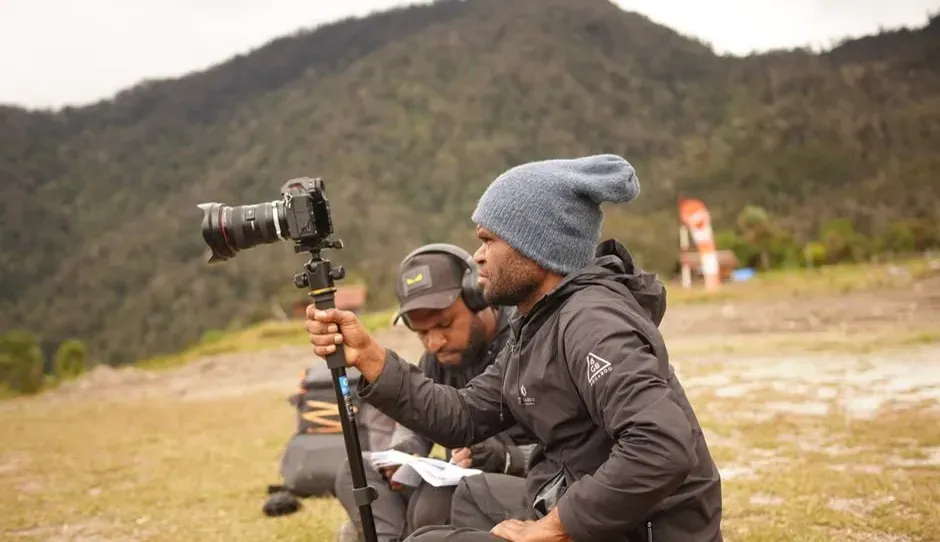
Location scouting shapes almost everything. Coordinators walk and drive candidate routes, checking road width, surface quality, turning radius, sight lines, and how much room there is to stop a car. A street that looks dramatic on camera may be impossible to use if it has a steep camber or a tight blind corner.
Cities also impose their own limits. Film offices set rules on closures, hours, noise, and notice to residents, so the route often changes after those talks. Many productions end up combining several neighborhoods into one apparent street.
Choosing and Preparing the Vehicles
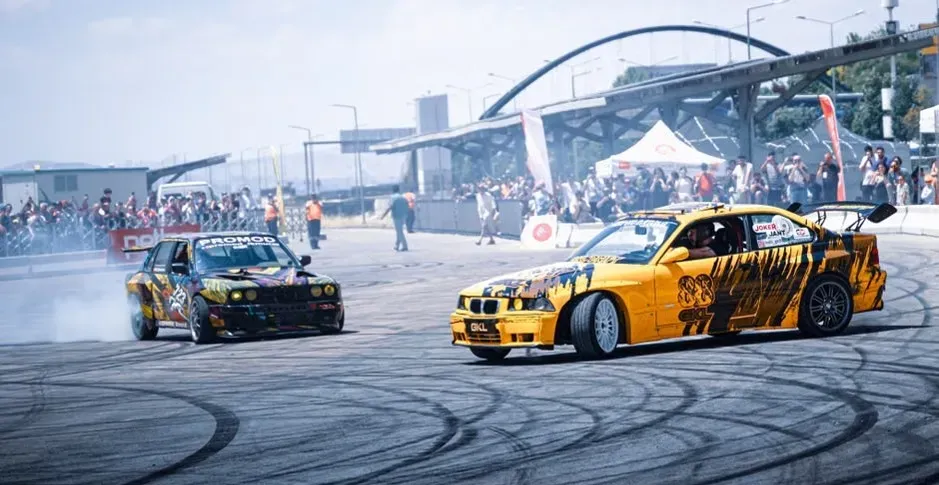
Chase cars are rarely a single vehicle. Productions typically buy or build multiples of the same model, with some set up for close ups and others rigged for stunts. Hero cars stay clean for dialogue shots while stunt cars get reinforced.
Preparation can include roll cages, fuel cell tanks, harnesses, fire suppression, and upgraded brakes and suspension. Mechanics also remove or modify parts that could splinter in a crash. Drivers test each car on a closed course before it goes near a city street.
Casting the Right Drivers
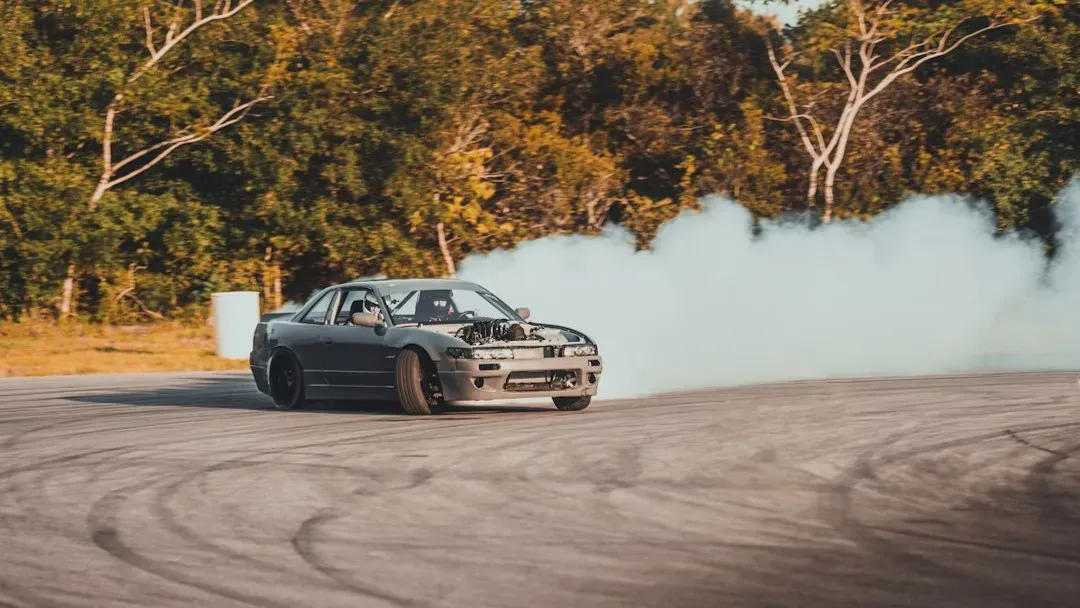
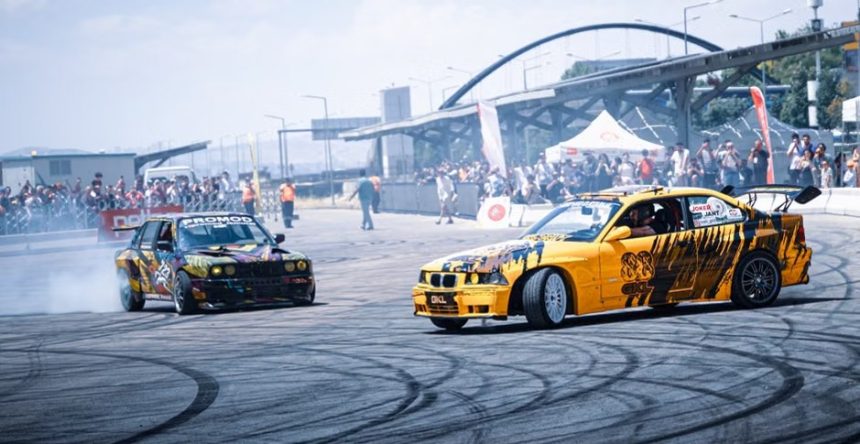
Precision drivers do the heavy lifting in most chases. They’re trained to hold a speed, hit a mark, and repeat it several times, which matters when the camera needs multiple angles. Some specialize in skids and spins, while others handle reverse driving or tight pursuit work.
Actors do drive in some shots, usually at low speeds or on controlled setups. Coordinators decide case by case, based on the actor’s experience and the insurer’s comfort level. Doubles take over wherever the risk climbs.
Partner offer
Designing the Choreography
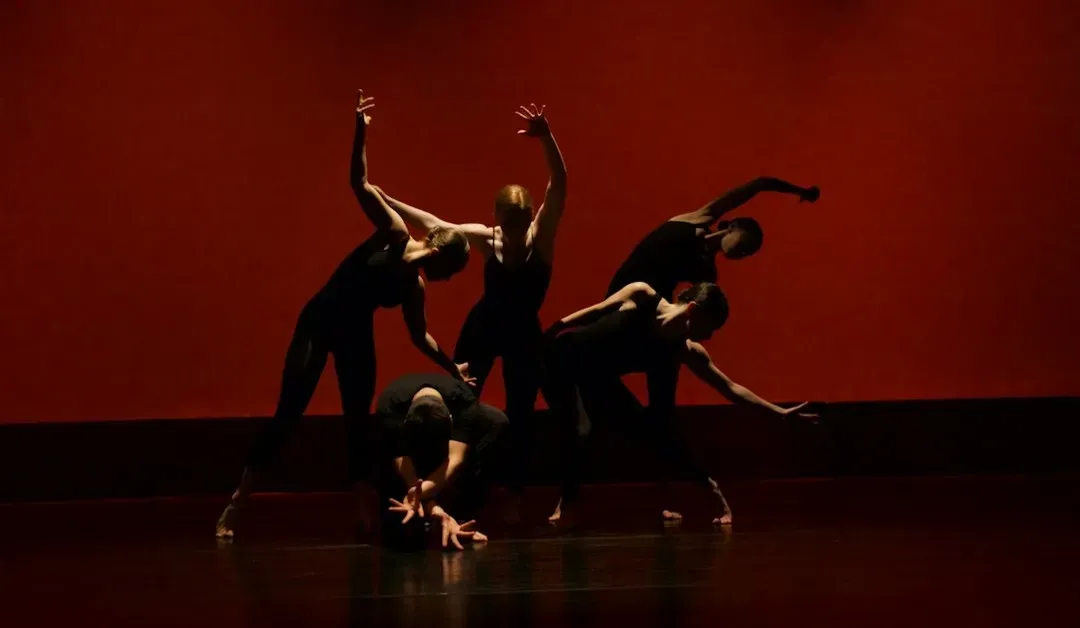
Once the route is set, the coordinator maps the action on diagrams and often on previsualization software. Each car has a path, a speed, and a timing cue relative to others. Even a near miss is planned down to the distance.
Teams commonly rehearse at reduced speed first, then build up. Walkthroughs involve camera operators, drivers, and safety staff so everyone knows where the danger zones are. The goal is that nobody is surprised when the real take begins.
Working With the Camera Team
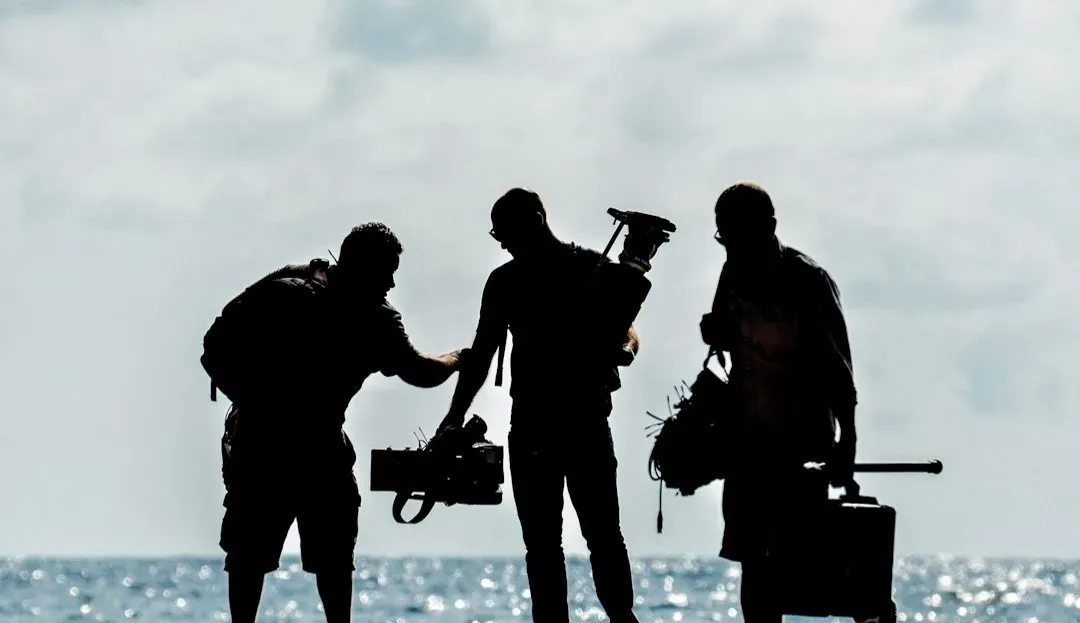
The camera shapes how fast a chase feels. Low mounts near the wheels, long lenses that compress distance, and cameras on tracking vehicles can make forty miles per hour look far more violent. Coordinators sit with the cinematographer to choose angles that sell speed without needing it.
Specialty rigs such as camera cars with a driver pod on the roof let a stunt driver operate the vehicle while the actor performs in the car being towed or pushed. These setups keep the performer in frame while a professional controls the movement. The coordinator signs off on each rig before use.
Closing Streets and Managing the Public
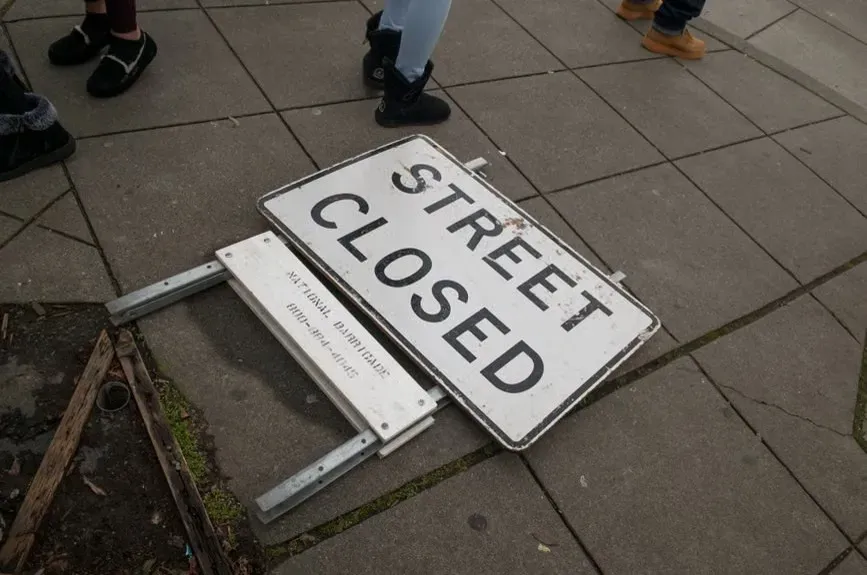
Real city shooting means real people nearby. Productions usually coordinate with local police, traffic control, and fire or medical crews, and they set up barriers, signage, and holding areas for extras. Residents and businesses receive notice about closures and noise.
Crowd safety is part of the coordinator’s plan, not an afterthought. Safety officers watch the perimeter, radio checks confirm every zone is clear, and nothing rolls until the all clear is given. Parked cars and background vehicles are often moved or secured ahead of time.
Mixing Practical Stunts With Digital Effects
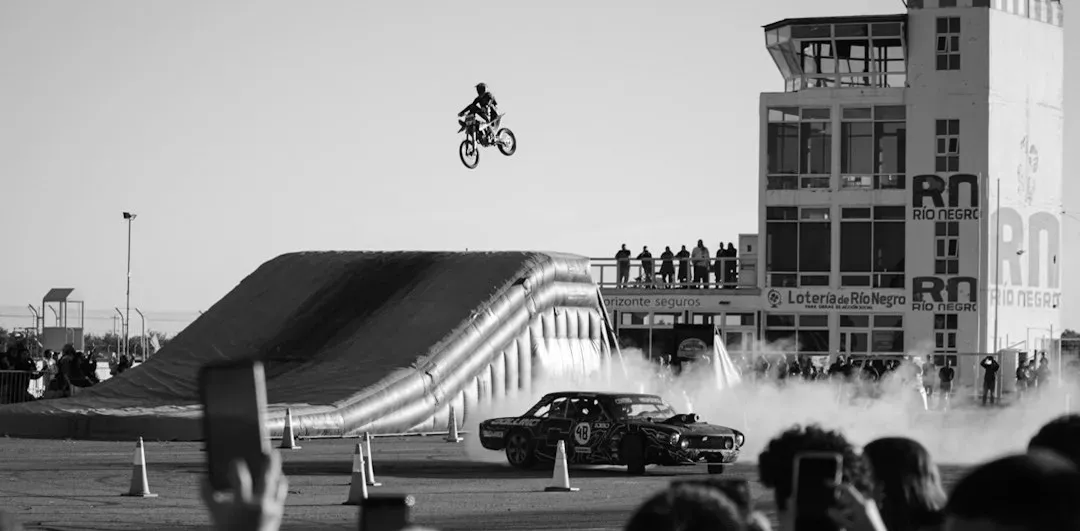
Modern chases blend real driving with visual effects. Productions may film vehicles separately, then combine them, or use digital work to remove safety wires, add debris, or widen near misses. This reduces the number of risky takes without removing the physical feel.
Some sequences also use rigs like pipe ramps or cannon devices to flip cars on cue. Teams test these off camera until the result is consistent. Digital cleanup then hides the equipment.
Safety Briefings and Shooting Day Procedure

On the day, the coordinator runs a safety meeting covering the plan, signals, and emergency steps. Medical staff and fire crews are on standby, and communication channels are tested. Each stunt gets a final check of vehicles, rigging, and the route.
Takes are called one at a time, with a clear start and stop. If anything looks wrong, any crew member can halt the shot. Afterward the team reviews footage and resets cars, since repairing or swapping vehicles keeps the schedule moving without cutting corners.
Partner offer
Planning a trip to Vegas?
Compare hotel rates and show tickets on VEGAS.com.