Step onto any television set and you’ll notice a person hovering near the monitors, laptop open, eyes darting between the actors and a marked-up script. That’s the script supervisor, and while directors and actors get the credit reels, this role quietly holds an entire production together. Their job isn’t glamorous, but skip it and continuity errors pile up fast, costing time and money in the edit bay.
Dialogue Accuracy and Line Changes

Every word an actor says gets compared against the shooting script in real time. If an actor drops a line, adds a word, or paraphrases on the fly, the script supervisor notes it immediately rather than waiting until playback. This matters because editors later need to know which take matches the approved draft, especially when standards and practices or legal review requires exact wording.
Improvisation happens constantly, particularly on comedies, so the supervisor also flags which alternate lines got laughs or worked better in the room. Writers sometimes revise based on these notes for reshoots or future episodes. Without this record, a showrunner reviewing dailies would have no quick way to know what was actually said versus what was scripted.
Continuity of Props and Wardrobe
A coffee cup half full in one shot can’t turn into a full cup in the next, so the script supervisor photographs and logs prop positions, drink levels, cigarette lengths, and even how a jacket is buttoned. These details get checked against every camera angle covering the same scene, since coverage is often shot out of sequence over several hours or days. Wardrobe continuity extends to torn clothing, dirt, blood, or wounds that need to match earlier or later story points.
This tracking becomes especially critical during multi-day shoots for a single scene, when actors wear the same outfit repeatedly. A missed detail, like a watch on the wrong wrist or a ring that vanished between takes, can force expensive digital fixes in post-production. Streaming shows with tight turnaround schedules have little room for those corrections, so supervisors keep detailed photo logs as a safeguard.
Actor Positioning and Blocking

Where an actor stands, sits, or moves during a scene has to stay consistent across every angle, or the footage won’t cut together smoothly. The script supervisor notes eyelines, hand gestures, and physical business like picking up an object or crossing a room, then confirms those match when the crew moves to reverse angles. This is especially tricky in scenes with multiple actors, where six or seven people’s movements all need to align take after take.
Blocking notes also help directors decide which takes are usable when an actor’s physical performance shifted between setups. If someone leaned against a wall in the master shot but stood upright in the close-up, that inconsistency gets flagged before it becomes a costly discovery in the edit. On multi-camera sitcoms, where scenes are shot with several cameras simultaneously, this tracking is somewhat easier, but single-camera dramas rely heavily on the supervisor’s notes.
Screen Time and Episode Length
Networks and streamers give producers a target runtime, and the script supervisor keeps a running clock throughout the shoot day to estimate how the finished episode will measure up. This involves timing scenes as they’re performed and comparing that against the page count in the script, since a page of dialogue-heavy material often plays shorter than a page of action. Consistent overages get reported early so producers can trim scenes before they become an editing headache.
For streaming series, runtime flexibility has grown somewhat looser than traditional broadcast, but budgets and shooting schedules still depend on accurate estimates. A script supervisor’s daily timing report helps producers decide whether to cut a scene during production rather than discover the episode runs long after everything is shot and edited. This kind of real-time tracking has become more important as production costs have risen industry-wide.
Camera Coverage and Shot Lists
Directors plan specific shots for each scene, wide, medium, close-up, insert, and the script supervisor tracks which of these have actually been captured. This log becomes essential when a production runs behind schedule and choices must be made about which coverage to skip. Missing a crucial reaction shot might not be obvious on set, but it becomes a real problem in the editing room when there’s no cutaway to use.
The supervisor also notes technical details tied to each take, like which lens was used, whether the camera moved, and any issues the operator mentioned. This information travels with the footage to the editorial team, often through software like Movie Magic Scriptenator or similar continuity programs used across film and television production. Digital tools have largely replaced paper logs in recent years, though the underlying task hasn’t changed much.
Partner offer
Timeline and Story Chronology

Television episodes often jump between past and present, or track events happening simultaneously in different locations, and someone has to keep the internal clock straight. The script supervisor tracks what day, and sometimes what hour, each scene represents within the story, flagging anything that contradicts earlier established timelines. This becomes especially demanding on shows with flashback structures or parallel storylines, where a single continuity slip can confuse audiences.
Seasonal and weather continuity falls under this same umbrella. If a show is meant to be set in winter, but exterior scenes get shot months apart, the supervisor notes whether trees are bare, whether breath is visible in cold air, or whether snow needs to be added or removed digitally. These notes get passed to the production design and visual effects teams so nothing breaks the illusion of a coherent timeline.
Slate Information and Take Numbers
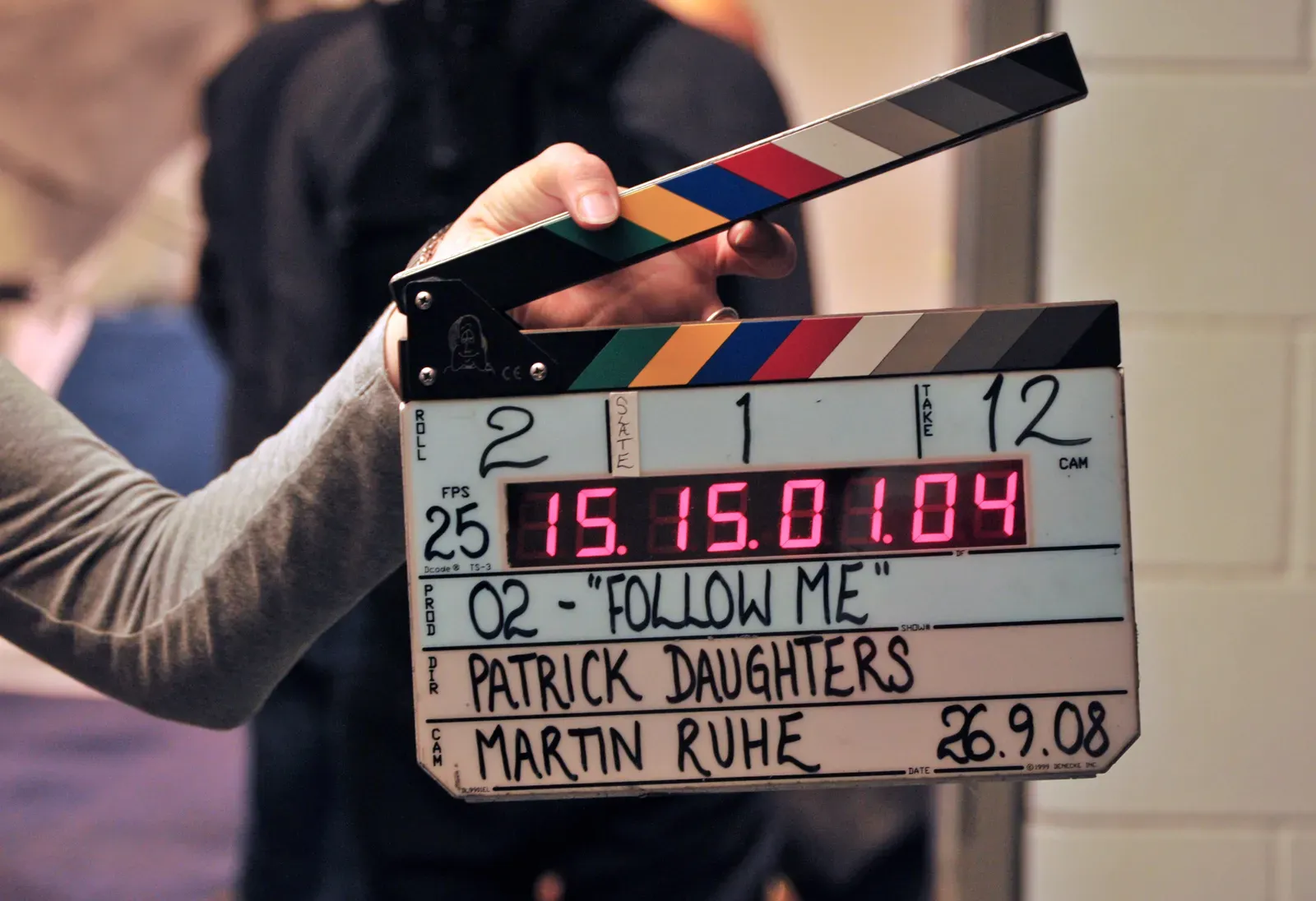
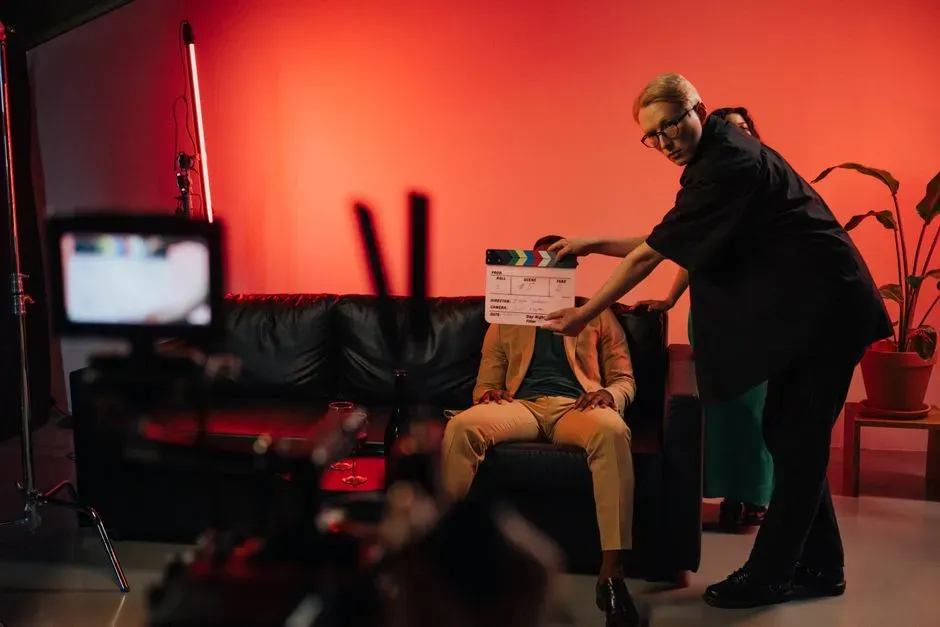
Every single take gets logged with its scene number, take number, and whether the director called it good, usable as a backup, or unusable. This sounds mechanical, but it’s the backbone of how editors navigate hundreds of hours of footage without losing track of what belongs where. A single day of shooting can generate dozens of slates, each requiring a note on lighting, performance quality, or technical issues.
This log also records circled takes, meaning the ones the director specifically wants considered for the final cut. Editors rely heavily on this shorthand, since sorting through unmarked footage from a full shoot day would be enormously time-consuming otherwise. The script supervisor’s daily report, often called the continuity log or lined script, becomes one of the first documents an editor opens each morning.
Script Revisions and Color-Coded Pages
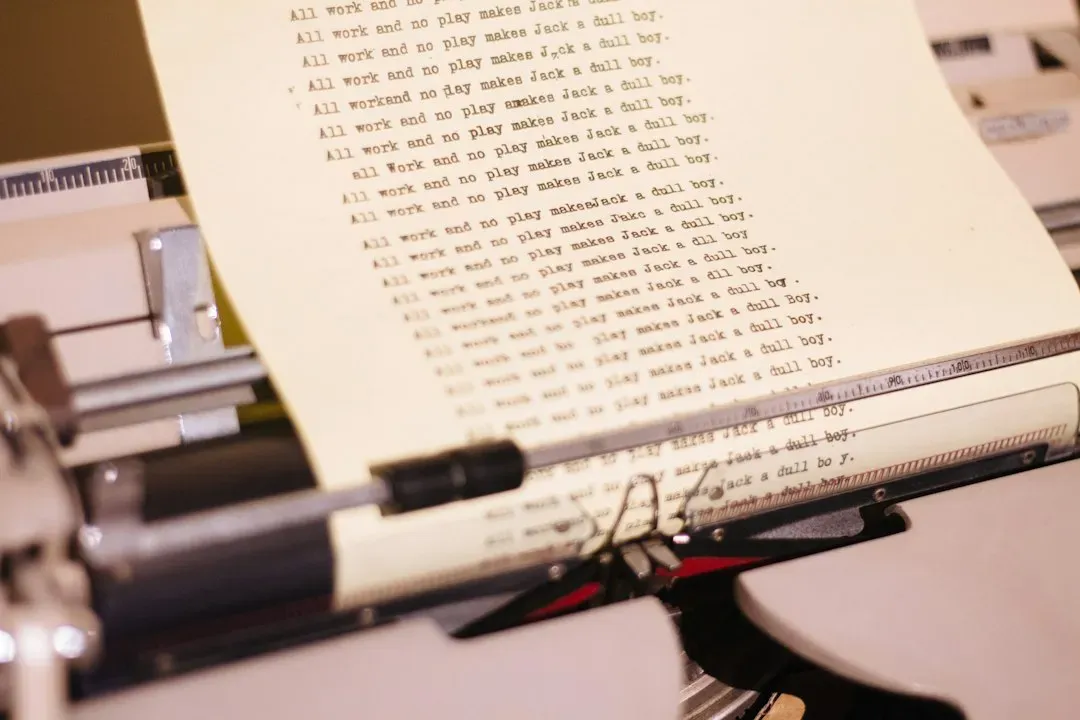
Scripts change constantly during production, sometimes hours before a scene is shot, and the industry uses a standardized color system to track these revisions. White pages are the original draft, and each subsequent revision gets a new color, blue, pink, yellow, green, and so on, cycling through a set order recognized across the industry. The script supervisor makes sure every department, cast included, is working from the correct colored pages on any given day.
Beyond just distributing pages, the supervisor tracks exactly which lines or scenes changed between revisions and communicates that to the relevant crew members. A missed page change can mean an actor performs outdated dialogue, or a set decorator builds a room based on an old version of the scene. This system has remained largely unchanged for decades because it works, even as most other production paperwork has shifted to digital formats.
Matching Notes for Pickups and Reshoots
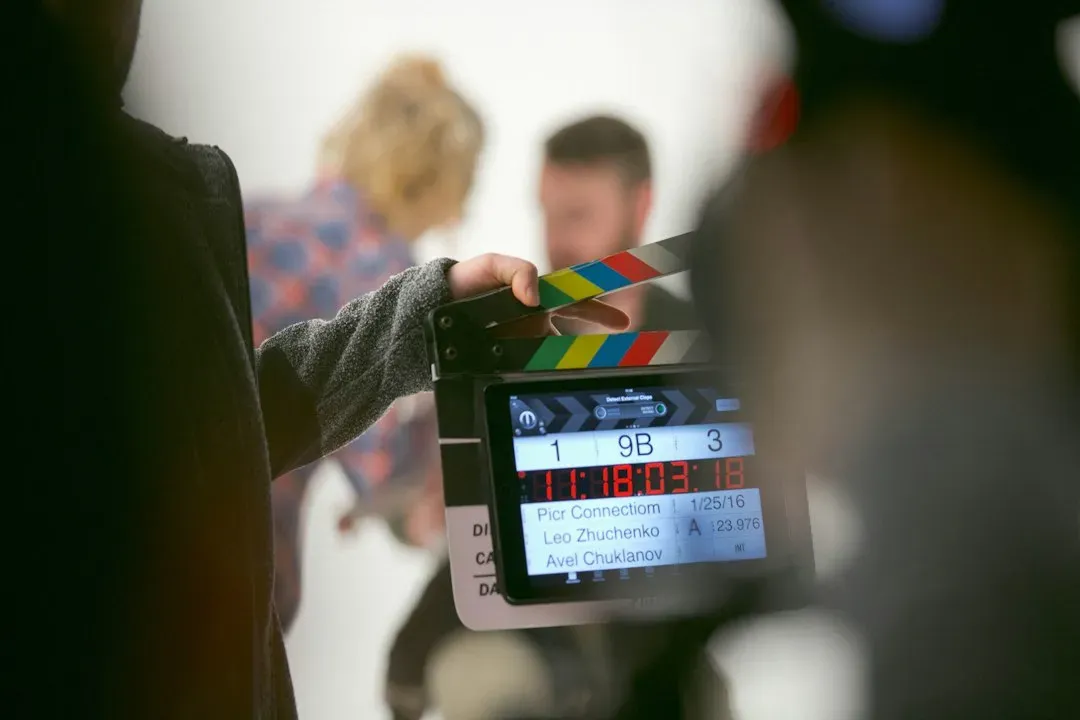
Sometimes a scene needs to be reshot weeks or months after the original photography, whether due to network notes, reshoots for a different ending, or simply a technical problem discovered later. The script supervisor’s detailed notes from the original shoot become the reference point for matching hair, makeup, wardrobe, and lighting conditions as closely as possible. Without this record, a reshot scene might look jarringly different when cut against the original footage.
This matters increasingly in an era where streaming platforms sometimes order reshoots after test screenings or algorithm-driven feedback on early cuts. Actors’ appearances change between shoots too, haircuts, weight, tans, and the supervisor’s photo archive helps hair and makeup departments recreate the original look as closely as possible. These matching notes can be the difference between a seamless reshoot and one that audiences notice immediately.
Daily Progress Reports for Production
Beyond creative continuity, the script supervisor compiles a daily report tracking how many scenes and pages were completed against the day’s planned schedule. This document goes to producers and the production office, giving them a real-time sense of whether the episode is on pace, ahead, or falling behind. Persistent delays flagged through these reports often trigger schedule adjustments before a show runs over budget.
This report typically includes the total script pages shot, scenes completed, and any scenes that got pushed to another day. It’s a small piece of paperwork with outsized influence, since studios and networks use this data to forecast whether a season will finish on time and within its allocated budget. On a nine or ten-episode streaming season, these daily numbers accumulate into decisions about whether additional shooting days need to be added.
Partner offer
Planning a trip to Vegas?
Compare hotel rates and show tickets on VEGAS.com.