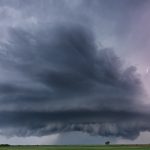
Weather Service Races to Rehire as Storm Season Arrives – Image for illustrative purposes only (Image credits: Pexels)
The National Weather Service confronts a pivotal moment as tornadoes sweep across the Plains and the Atlantic hurricane season begins. After substantial staff reductions in 2025, the agency now seeks to onboard hundreds of new employees to bolster its forecasting capabilities.[1] Officials emphasize the urgency, given the potential for severe weather to disrupt communities in the coming months.
Roots of the Staffing Shortfall
The challenges trace back to early 2025, when the Trump administration’s Department of Government Efficiency initiatives led to deep personnel cuts at the National Weather Service and its parent agency, NOAA. Approximately 550 to 600 positions vanished through layoffs of probationary staff and early retirement buyouts, shrinking the workforce to under 4,000 employees.[2][3] These reductions hit critical roles, including meteorologists, hydrologists, and radar technicians, just as extreme weather events mounted.
Field offices struggled to maintain 24-hour operations, with some scaling back essential weather balloon launches that provide vital upper-air data. The cuts drew bipartisan criticism, particularly after deadly floods in Texas that July raised questions about forecast accuracy and response times.[4] Lawmakers pushed for exemptions from federal hiring freezes to address the gaps.
Rebuilding Through Targeted Recruitment
Responses came swiftly but incrementally. In June 2025, NOAA gained approval to fill 126 “mission-critical” vacancies, focusing on front-line personnel.[5] By August, that figure expanded to 450 hires, including specialists needed for radar maintenance and flood predictions. The agency received direct hiring authority from the Office of Personnel Management to expedite the process.[2]
Efforts continued into late 2025 and early 2026, with NWS confirming ongoing recruitment as recently as April. A NOAA official described the approach as “smart, asymmetric” hiring tailored to workload demands. Yet training new staff can take up to 11 months, delaying full operational impact.[6]
Partner offer

Persistent Anxieties Over Readiness
Despite these steps, apprehension persists within the agency and among experts. Some offices remain “critically understaffed,” prompting employees to log extra hours during high-threat periods.[7] Union representatives, including the National Weather Service Employees Organization, have voiced concerns that rehired positions may not fully offset losses of experienced veterans.
An anonymous NOAA official highlighted the inefficiency: “How much time/money is it going to cost to train a bunch of new people when we had already-trained people in place?”[2] These worries intensify as May marks the height of tornado season in the Midwest and South, with hurricanes poised to form soon after.
What Matters Now:
- NWS aims to fill hundreds of key roles amid active severe weather.
- Tornado outbreaks already reported in multiple states this spring.
- Hurricane season forecast predicts above-average activity.
- Full staffing restoration could extend into late 2026.
Outlook for the Seasons Ahead
Forecasters anticipate a busy period, with climate patterns favoring more intense storms. The NWS plays a central role in issuing timely warnings that save lives and property. Recent rehiring signals commitment to recovery, but skeptics question if it arrives quickly enough.
Progress offers hope, yet the agency operates in a landscape scarred by prior reductions. As twisters touch down and tropical systems brew, the pressure mounts to deliver precise predictions without a full complement of experts.
Ultimately, these staffing dynamics underscore the stakes in balancing fiscal reforms with public safety imperatives. The coming weeks will test whether accelerated hiring restores confidence before the next major threat materializes.
Partner offer
Planning a trip to Vegas?
Compare hotel rates and show tickets on VEGAS.com.