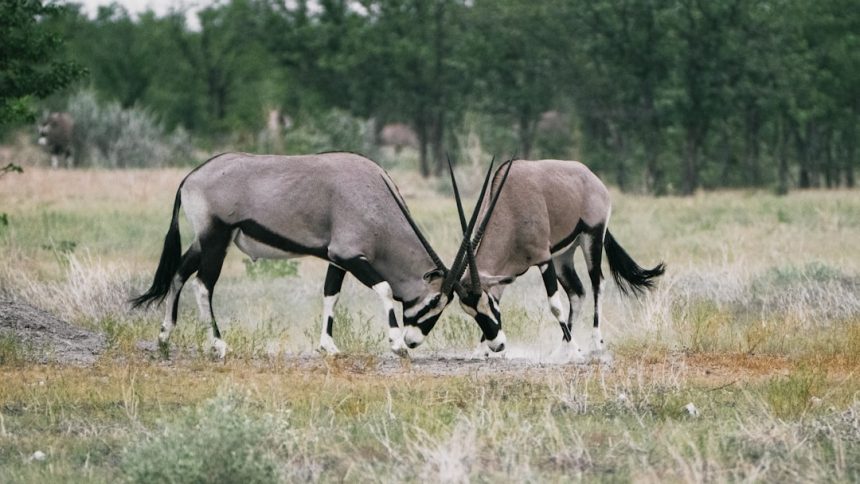
Nevada Leads Nation in Wild Equid Populations (Image Credits: Unsplash)
Nevada – The Bureau of Land Management scheduled gathers for more than 2,500 wild horses and burros across overpopulated public lands this weekend, targeting herds that strain rangeland resources.[1]
Nevada Leads Nation in Wild Equid Populations
The state maintains the country’s largest numbers of free-roaming horses and burros, a legacy tied to the 1971 Wild Free-Roaming Horses and Burros Act.[1] Prolonged droughts, worsened by rising temperatures, have intensified challenges for these animals and the ecosystems they inhabit. Officials cited last month’s emergency removal of 300 horses near Ely, driven by resource scarcity, as a recent example of urgent action.[1]
Gathers aim to prevent land degradation and restore ecological balance for multiple uses, including wildlife habitats and public access. The BLM emphasized protection for species like mule deer, sage grouse, and hawks, alongside highway safety near herd areas.
Key Roundup Sites Span the State
About 60 miles west of Las Vegas, the Spring Mountains Complex will see removal of roughly 425 wild horses and 425 burros from three herd management areas: Johnnie, Red Rock, and Wheeler Pass.[1][2] Farther northeast near Caliente, crews targeted 350 horses in an area supporting over 1,500 despite limited capacity in surrounding zones. Additional operations will occur outside Ely and Elko, contributing to the statewide total.
Here are the primary locations and targets:
Partner offer
- Spring Mountains Complex: 425 horses, 425 burros (Clark County).
- Caliente Complex: 350 horses (Lincoln County).
- Ely and Elko areas: Remainder to reach 2,500 total.
Bait Traps Replace Helicopters for Gentler Approach
Contractors will deploy temporary corral panels baited with food and water, avoiding helicopters that critics have long opposed.[1] Animals entering the traps receive veterinary checks before transport to off-range facilities. Destinations include Palomino Valley near Reno, Indian Lakes in Fallon, and Sutherland in Utah.
From there, healthy equids enter the adoption program, available to the public starting at $25 per animal. The BLM promotes this pathway alongside sales and training partnerships to place excess herds into private care.[3]
Navigating Tensions Between Management and Advocacy
Supporters view removals as essential for rangeland health, aligning with appropriate management levels set for each herd area. Yet advocates question adoption safeguards, alleging insufficient adopter vetting and risks of slaughter or poor facility conditions. Some push for fertility controls like vaccinations over large-scale gathers.
The agency maintains humane standards through its Comprehensive Animal Welfare Program, focusing on excess population control to benefit both equids and public lands.
Key Takeaways
- Over 2,500 animals targeted to ease pressure on Nevada’s drought-stressed ranges.
- Bait-and-water methods prioritize lower stress than aerial drives.
- Adoptions offer a path forward, though debates persist on long-term welfare.
As Nevada balances its iconic wild herds with sustainable land use, these operations underscore ongoing efforts to honor the spirit of the West while safeguarding resources for all. What steps should the BLM take next to address herd management? Share your thoughts in the comments.
Partner offer
Planning a trip to Vegas?
Compare hotel rates and show tickets on VEGAS.com.