Most of us grew up with the sanitized versions. The princess gets rescued, the villain gets what’s coming to them in a vague and consequence-free way, and everybody dances at a wedding. It’s a tidy formula that has served children’s entertainment well for decades. What tends to get left out, though, is where these stories actually came from.
Fairy tales have dramatically evolved over the centuries, from historical accounts to the dark tales of the Brothers Grimm, to the colorful Disney renditions we recognize today. The Brothers Grimm collected folk tales from oral and written sources and published them as children’s stories in Germany in 1812. Long before that, storytellers used these tales to warn, punish, and frighten. The happy endings came much later.
1. Little Red Riding Hood: Nobody Comes to Save Her
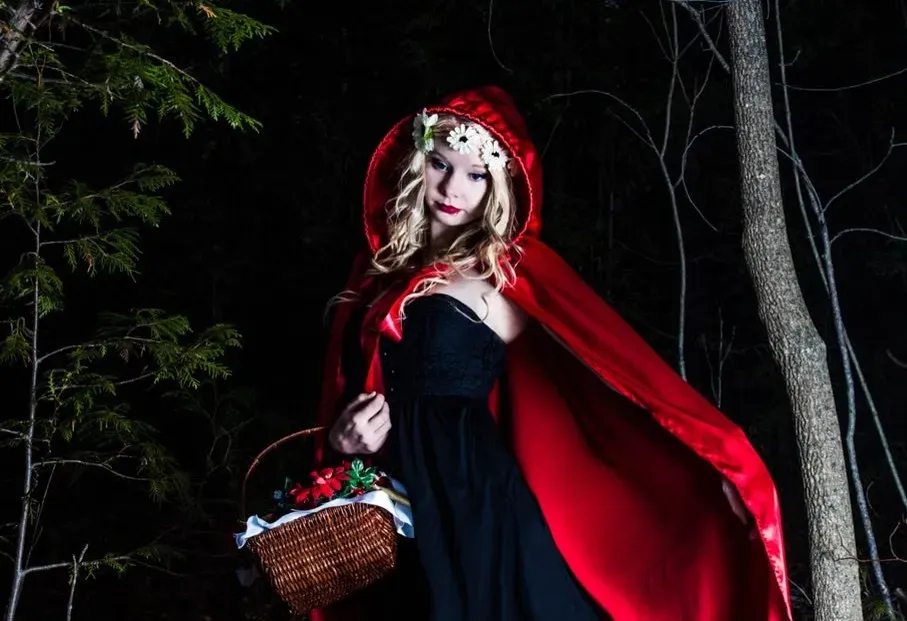
The moral of Charles Perrault’s version of Little Red Riding Hood is blunt: don’t trust strangers. In his telling, there’s no heroic hunter bursting in to save the day. Little Red and her grandmother are simply devoured by the wolf. The dark ending served as a cautionary tale about innocence, ignorance, and danger lurking in the world.
In the oldest oral versions, the wolf kills the grandmother, puts her blood in a bottle and her flesh on a plate, and feeds them to the girl when she arrives. After the grim meal, the girl is told to get into bed with the wolf, where she is eventually eaten. The Brothers Grimm later softened the blow by introducing the familiar rescue scene we know today. The story’s original purpose had nothing to do with woodland adventure – it was a stark warning aimed directly at young women.
2. Cinderella: The Stepsisters Pay With Their Eyes
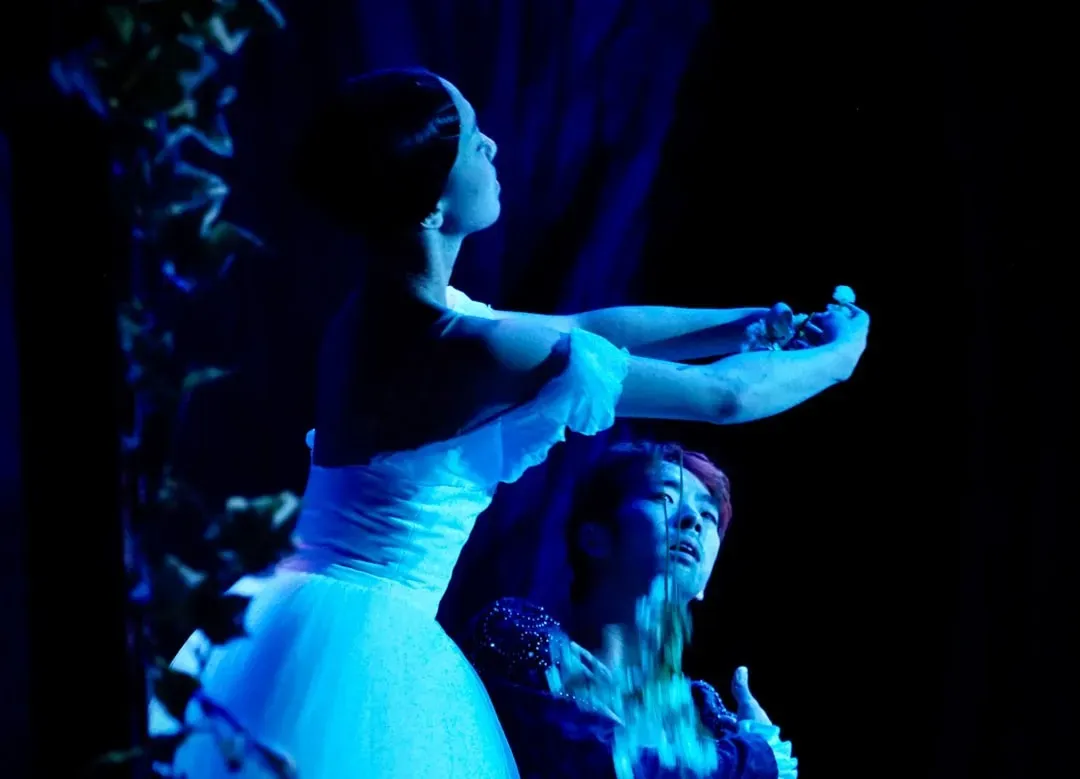
In the Brothers Grimm version of Cinderella, the famous glass slipper is less of a fashion statement and more of a horror prop. When the wicked stepsisters can’t wedge their feet into the shoe, they resort to slicing off parts of their feet – one loses a toe and the other hacks off her heel. Their gruesome deception is then exposed when blood literally overflows from the slipper.
The punishment doesn’t end there. At Cinderella’s wedding, karma rears its vengeful head as birds peck out the stepsisters’ eyes, leaving them blind and miserable for the rest of their lives. Charles Perrault’s 1697 version ends on a comparatively high note, with the stepsisters simply begging for Cinderella’s forgiveness. The Grimm brothers, it seems, felt forgiveness was far too lenient.
3. Snow White: Iron Shoes and Organ Harvesting
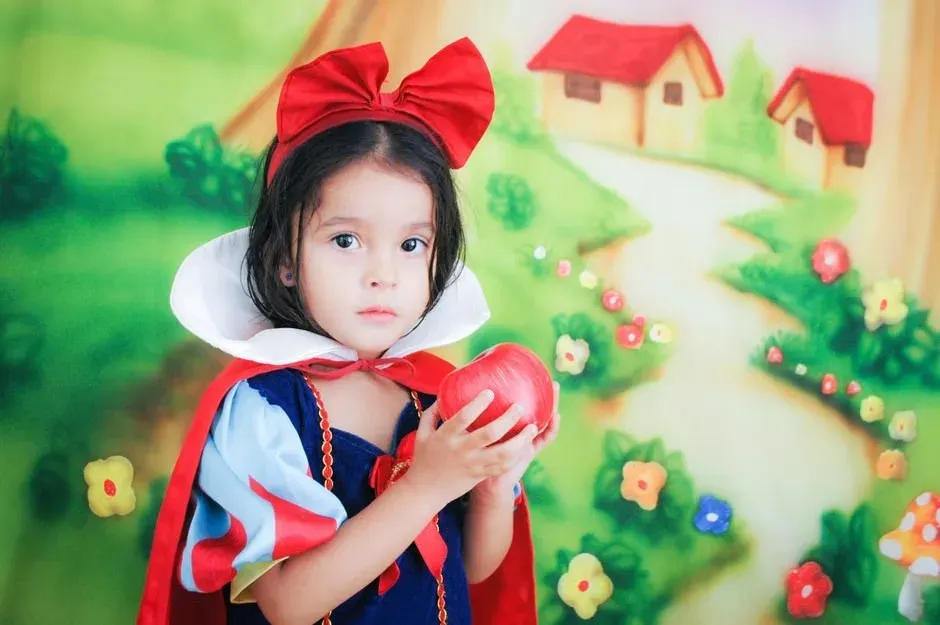
Snow White is just seven years old when the huntsman takes her into the forest with orders to bring back her liver and lungs. In the original, Snow White wakes up when the prince’s horse jostles her as he carries her back to his castle, not from a magical kiss. The implication of what the prince intended to do with a dead girl’s body is left deliberately unspoken in many retellings of the source material.
In the Grimm version, the tale ends with the Queen being forced to dance to her death in red-hot iron shoes. The Disney version of Snow White emerged after a world war and economic depression, when audiences desired passive entertainment. Disney delivered by carefully omitting the iron shoes and producing the first American full-length animated musical feature. The cruelty at the heart of the original stayed quietly on the shelf.
4. The Little Mermaid: She Dies, and It’s Not Pretty
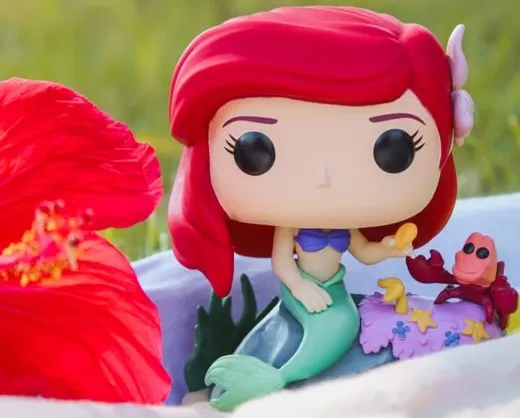
Hans Christian Andersen originally published The Little Mermaid in 1837 as part of a collection of fairy tales. At the time, Andersen considered his content to be for children, but when actually dissecting some of his works, they read more like horror stories. The details of the sea witch’s spell include the mermaid walking on her feet as an excruciatingly painful act, as though she’s walking on knives.
She makes it to land only to learn that the prince is in love with another woman he believes saved him from drowning, unaware that it is the mermaid before him. In the end, he marries the other woman. With the prince married, the mermaid is set to die, as was her deal with the witch. After being given a dagger by her sisters, the mermaid is unable to kill the prince and dives into the sea knowing she will be transformed into sea foam. She essentially dies in Andersen’s version of the story.
5. Sleeping Beauty: The King Is No Prince

The Grimm version of Sleeping Beauty is relatively close to what most people know. The far older Italian source, however, is another matter entirely. The earliest known version of the full fairy tale is “Sun, Moon, and Talia,” from Giambattista Basile’s Pentamerone. In that story, there is no prince who wakes the sleeping girl with a kiss.
There is no prince in the original tale. In his place was a lustful king who took advantage of the sleeping girl. After nine months, Sleeping Beauty gave birth while she was sleeping, to two children. One of the children sucks her finger, which removes the piece of flax that had been keeping her asleep. She wakes up to find herself a mother. The version that eventually reached Disney involved a dragon and true love’s kiss, which, by comparison, is practically wholesome.
6. Rapunzel: Pregnant in the Tower
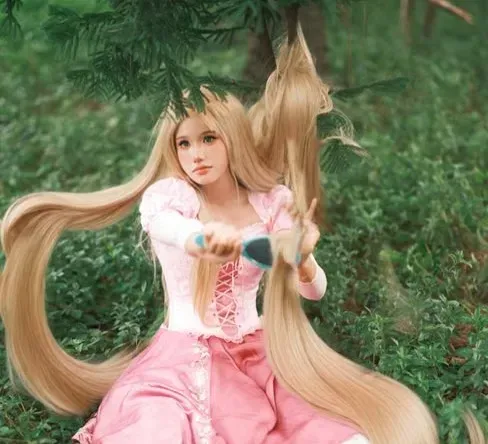
In the Grimm tale, Rapunzel’s story is far more adult than most people were led to believe. She engages in a forbidden romance with the prince who visits her tower frequently, and she eventually becomes pregnant. When the sorceress discovers this, she casts Rapunzel into the wilderness and blinds the prince by throwing him into thorn bushes. The two are later reunited, but only after enduring years of hardship.
The earliest known written version of Rapunzel is Petrosinella, from the Pentamerone by Giambattista Basile, published in Naples in 1634. Around 1700, Charlotte-Rose de Caumont de La Force published a French version called Persinette. In the Grimm version, the two lovers reunite and Rapunzel’s tears, vested with healing powers, restore the prince’s sight. Disney turned this into Tangled. The pregnancy, predictably, did not make the cut.
7. Hansel and Gretel: Inspired by Famine, Built on Infanticide
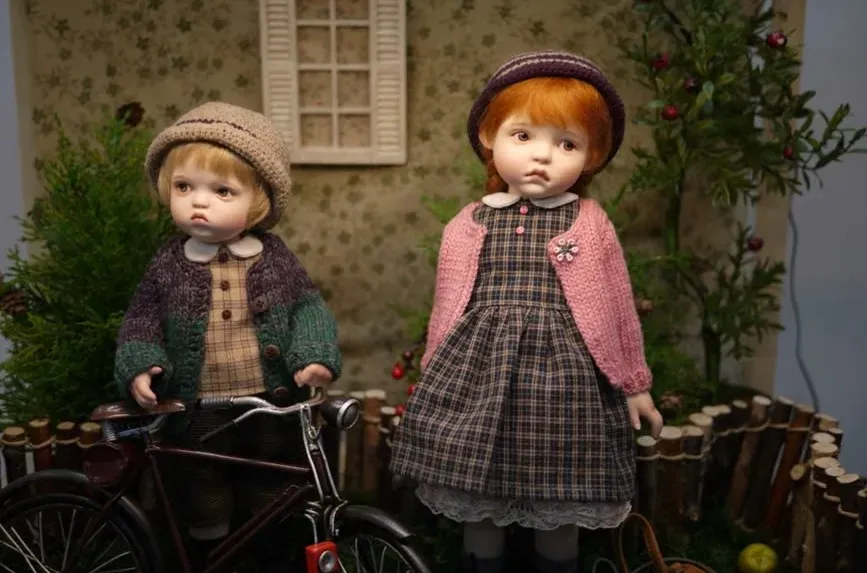
This classic Grimm tale isn’t just about two plucky kids outsmarting a witch. It’s rooted in the harsh reality of hunger. Inspired by the Great European Famine of the 14th century, the story begins with Hansel and Gretel’s parents abandoning their children in the woods because they don’t have enough food to survive. In the 1812 version, a wife persuades her husband to abandon their children in the woods because they don’t have enough food to feed them.
When the children stumble upon the candy-coated house, it’s no stroke of luck. The witch grows fattened children for eating, viewing Hansel and Gretel as her next meal. Earlier versions of the tale had an even darker twist: instead of a witch, the antagonist was a devil who attempted to bleed the children on a sawhorse. The Grimms turned the biological mother into a stepmother in subsequent editions, and mothers have essentially remained off the hook in the retelling of this story ever since.
8. Rumpelstiltskin: He Tears Himself Apart

In the original tale, Rumpelstiltskin spins straw into gold for a young girl who faces death unless she can perform the feat. In return, he asks for her firstborn child. She agrees, but when the day comes, she can’t give up the baby. Rumpelstiltskin tells her he will let her out of the bargain if she can guess his name. She overhears him singing his name by a fire and guesses correctly. Rumpelstiltskin, furious, runs away, never to be seen again.
Partner offer
In the updated Grimm version, things are a little messier. Rumpelstiltskin is so angry that he drives his right foot deep into the ground. He then grabs his left leg and rips himself in half. Needless to say, this kills him. According to researchers at Durham University and the NOVA University Lisbon, the origins of the story can be traced back around 4,000 years. Few of those iterations ended quite so graphically.
9. Bluebeard: A Chamber Full of Dead Wives

Women shared cautionary tales like Bluebeard about a husband who murdered all his previous wives. Bluebeard gives his new wife the keys to every room but forbids her from entering one. Curiosity wins, she opens it, and finds the floor awash in blood and the corpses of his previous wives hanging from hooks on the walls. The key she holds becomes stained with blood that cannot be washed away, acting as a permanent biological indicator of her disobedience.
When curiosity leads her to open the forbidden door, she discovers the bodies of his previous wives. The story ends with Bluebeard attempting to kill her as well, before she is saved by her brothers. The tale was written by Charles Perrault in 1697 and functions less as fantasy and more as a blunt documentation of domestic terror. Its survival in popular culture for over three centuries says something uncomfortable about what audiences have always found compelling.
10. Pinocchio: He Was Supposed to Hang
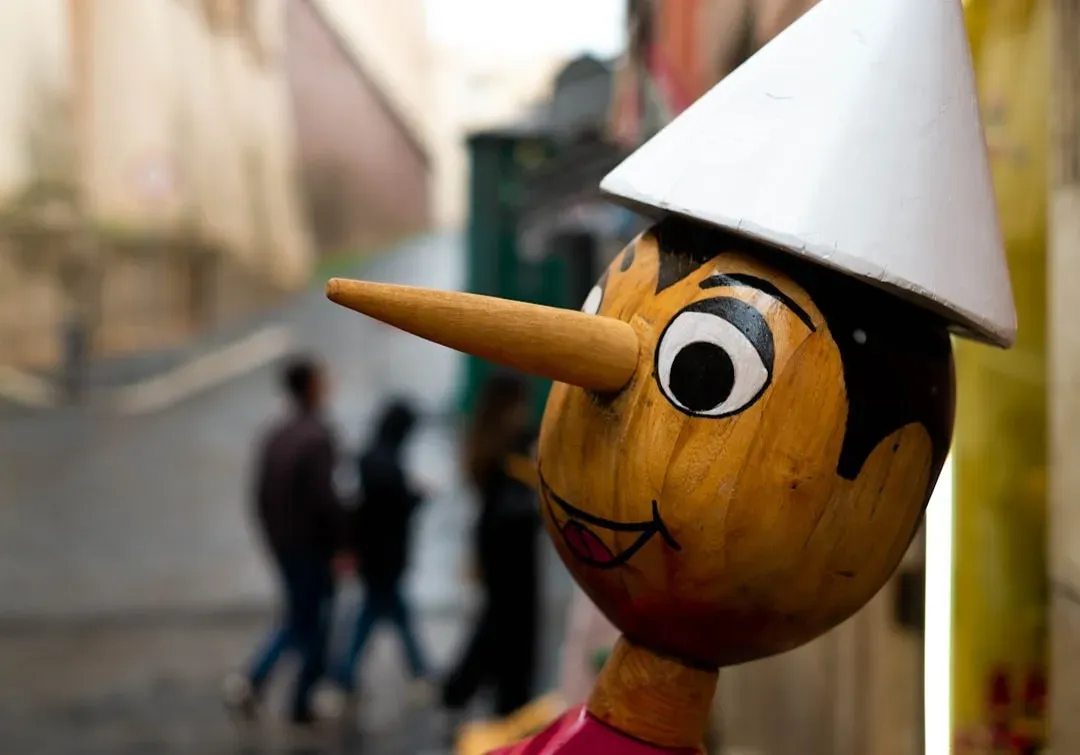
The film’s source material, an 1883 story by Carlo Collodi, is even more disturbing than the Disney version. When Pinocchio is teased about his wooden head by his cricket companion, the enraged puppet throws a hammer and kills him. Later in the story, the Fox and Cat actually hang Pinocchio from an oak tree and leave him to die.
Collodi wanted to end the story with Pinocchio hanging to death, but the publishers didn’t support it and Collodi was asked to keep Pinocchio alive. In the first serialized version of Pinocchio, the puppet is hanged by the Fox and the Cat after refusing to give them his gold coins. Collodi later changed the ending after readers demanded a happier conclusion. The Blue Fairy, the redemption arc, and Geppetto’s reunion came later, shaped by public pressure rather than the author’s original vision.
11. The Pied Piper of Hamelin: The Children Never Came Back

The legend of the Pied Piper of Hamelin ends in tragedy. After the town refuses to pay him for removing its rat infestation, the Piper returns and plays his magical pipe again. This time, he leads the town’s children away. In most versions, the children disappear forever. Historians believe the story may have been inspired by a real historical tragedy in medieval Germany.
In the darker original, the piper leads the children to a river where they all drown, except for a lame boy who couldn’t keep up. The Piper leads 130 children into a cave or a river, depending on the version, and they are never seen again. In the town of Hamelin, there is a historical record from 1284 that simply states: “It is 100 years since our children left.” That inscription lends the story a weight that no amount of retelling has ever fully erased.
12. Beauty and the Beast: Arranged Marriage as Fairy Tale

The original story of Beauty and the Beast was meant to explore arranged marriages. In the 1700s, young women were often married to much older men they barely knew. The frightening Beast symbolized the fear many brides felt toward their husbands. The story’s moral focused on learning to see kindness beyond appearances.
In Gabrielle-Suzanne Barbot de Villeneuve’s original, Belle has two sisters who are incredibly jealous of her life in the palace. When Belle is allowed to go home for a visit, the sisters try to trick her into staying longer than her promised time, hoping the Beast will grow angry and eat her alive when she returns late. In 1740, Villeneuve framed the tale explicitly as an allegory of arranged marriage: a beautiful young woman handed off to an ugly, rich noble who demands she leave her father and live with him forever. The enchanted candlesticks came considerably later.
13. The Juniper Tree: Cannibalism, Then Revenge

In the Grimm tale “The Juniper Tree,” a woman decapitates her stepson as he bends down to get an apple. She then chops up his body, cooks him in a stew, and serves it to her husband, who enjoys the meal so much he asks for seconds. Snow White eventually wins the day, as does the boy in “The Juniper Tree,” who is brought back to life.
The boy’s stepsister collects his bones and buries them under a juniper tree in her grief. She then witnesses a great illusion as her brother is reborn out of fire and mist as a bird, singing the tale of his death. The Juniper Tree is a Brothers Grimm fairy tale that bears resemblance to Hansel and Gretel and Snow White through its themes of murder, decapitation, cannibalism, and jealousy. The stepmother’s eventual fate involves a millstone dropped from a great height. Justice, in the Brothers Grimm universe, was rarely subtle.
14. The Goose Girl: Death by Nail-Lined Barrel

A queen sends her daughter off to be married, gifting her a servant girl, her favourite horse, and three drops of her own blood for protection. But once they’re on the road, the servant girl refuses to aid the princess. The bride-to-be greatly weakens when she loses the drops of her mother’s blood, and the servant girl forces her to trade clothing. When the two reach the groom’s palace, he unwittingly weds the servant girl, while the true princess is set to work as a goose girl. The princess’s favourite horse is decapitated, and his talking head becomes her only companion in her terrifying new life.
In the Grimm story The Goose Girl, when the truth about the servant’s identity is finally revealed, the maid is sentenced to death by being placed in a barrel lined with sharp nails and dragged through the streets by horses. This dark fairy tale was collected by the Brothers Grimm in 1815 and first translated into English in 1826 by Edgar Taylor. Featuring themes of trickery, animal mutilation, and horrific deaths, it is among the more disturbing entries in their collection.
15. Goldilocks and the Three Bears: She Didn’t Just Escape Out the Window
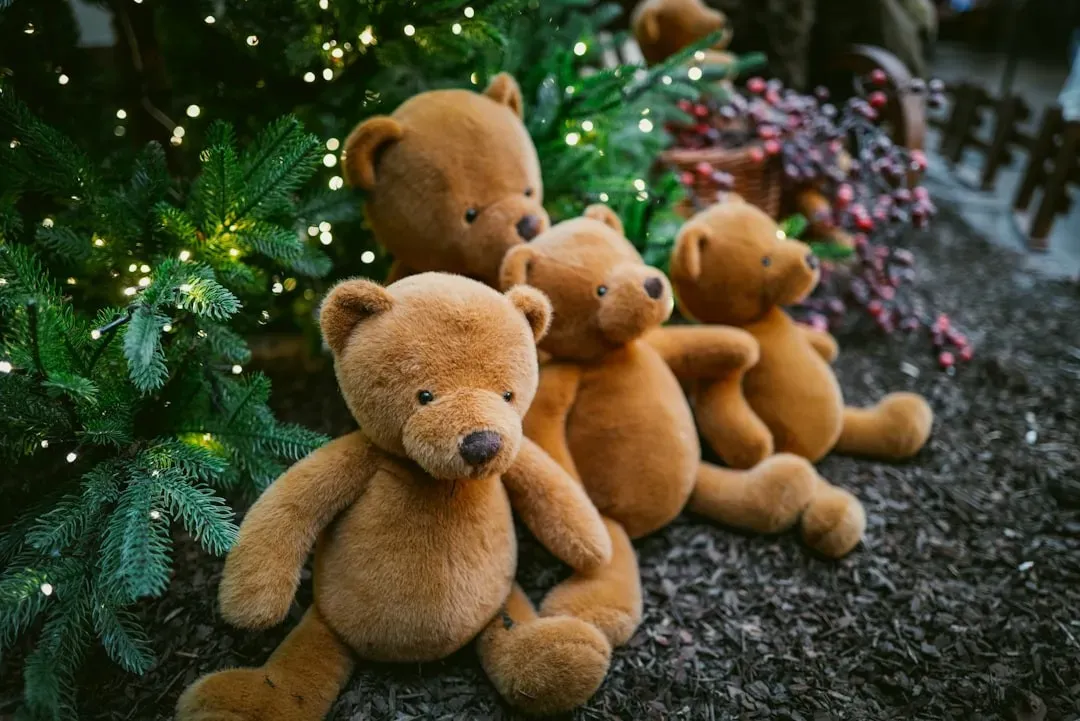
In an early version of Goldilocks and the Three Bears, the intruder is set on fire and impaled on a cathedral steeple. Other versions imply or threaten the bears might eat her. In early renditions, the intruder was an elderly woman named Silver Locks, not a little girl named Goldilocks. Instead of being a child too young to understand social rules, this character originally represented classist fears that poor people would break into wealthy people’s houses.
There are two versions of this story. In the first, the bears find Goldilocks before she can escape and rip her apart and eat her. In the second, the intruder is actually an old woman instead of a young girl. When the bears wake her up, she climbs out of the window, breaks her neck, and dies. The cheerful, curly-haired girl who simply runs home with a lesson learned is a thoroughly modern invention. The original tale didn’t particularly care whether she made it out alive.
What’s striking about all of these stories isn’t just the violence – it’s how purposeful that violence was. These tales weren’t sloppily dark. They were designed to make people afraid of specific things: strangers, greed, broken promises, disobedience, and the consequences of moral failure. The sanitized versions we grew up with are gentler, certainly, but they also stripped out the reason these stories survived for centuries in the first place. Something in the original endings clearly struck a nerve deep enough to keep people retelling them across generations. The darkness wasn’t a flaw. For a very long time, it was the whole point.
Partner offer
Planning a trip to Vegas?
Compare hotel rates and show tickets on VEGAS.com.