Most musicians assume that covering a famous song is just a matter of picking up a guitar and playing. The reality is considerably more complicated. Behind every well-known song sits a web of legal ownership, royalty obligations, and licensing requirements that can catch performers off guard, even in the smallest venues or on the most casual online stage. Performing cover songs without proper licensing can lead to severe legal consequences, including copyright infringement lawsuits, loss of profits, legal fees, and damage to reputation and career prospects. The six songs below illustrate just how high the stakes can be – and how easily the uninformed can stumble into legal trouble.
“Blurred Lines” – Robin Thicke feat. Pharrell Williams & T.I.

Few songs have reshaped how the music industry thinks about copyright quite like “Blurred Lines.” The song was a massive commercial hit, spending twelve weeks at the top of the Billboard Hot 100. Yet its success came with a legal reckoning that still reverberates today.
The song became the subject of a major dispute with Marvin Gaye’s family and Bridgeport Music, who claimed it infringed on their copyright and was inspired by Gaye’s “Got to Give It Up” from 1977. On March 10, 2015, the jury unanimously found Thicke and Williams liable for copyright infringement, awarding a sum of $7.3 million in damages to Gaye’s family.
The amount was later reduced by the District Court to $5.3 million, along with 50 percent royalties on future songwriter and publishing revenue from “Blurred Lines.” For anyone hoping to cover this track today, the song remains heavily scrutinized. A lot of commentary surrounding the case dealt with whether a song’s “vibe” could be copied and how far copyright protection could stretch.
“Stairway to Heaven” – Led Zeppelin
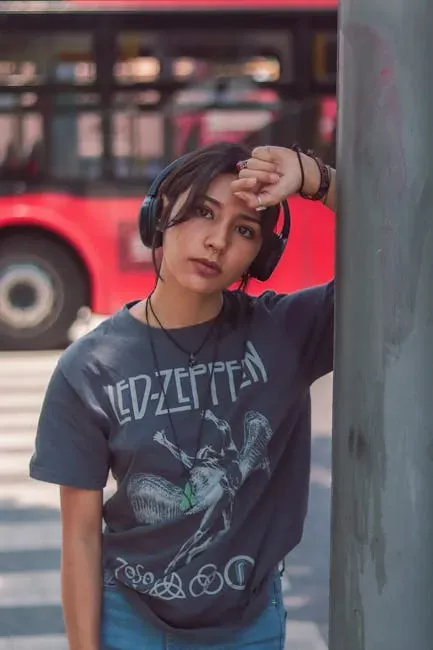
“Stairway to Heaven” has been called the greatest rock song of all time by music journalists and passionate listeners across generations. It is also one of the most legally scrutinized compositions in rock history. The song was at the center of a years-long copyright battle that eventually set a landmark precedent.
The lawsuit was initiated in May 2014, when Michael Skidmore, trustee for the Randy Craig Wolfe Trust, brought a copyright infringement claim against Led Zeppelin alleging that their 1971 song “Stairway to Heaven” infringed Spirit’s 1968 song “Taurus.” On March 9, 2020, the Ninth Circuit upheld the lower court’s decision that Led Zeppelin had not infringed Spirit.
In a move many commentators say will prevent defendants from being saddled with endless lawsuits that stifle artistic creativity, the court made clear that copyright does not extend to “common or trite” musical elements. Still, covering “Stairway to Heaven” in a recorded or broadcast context requires the appropriate mechanical and sync licenses. Compulsory licensing primarily applies to recorded music, while live performances of cover songs are typically handled through performance rights organizations like ASCAP, BMI, and SESAC.
“I Will Always Love You” – Originally by Dolly Parton
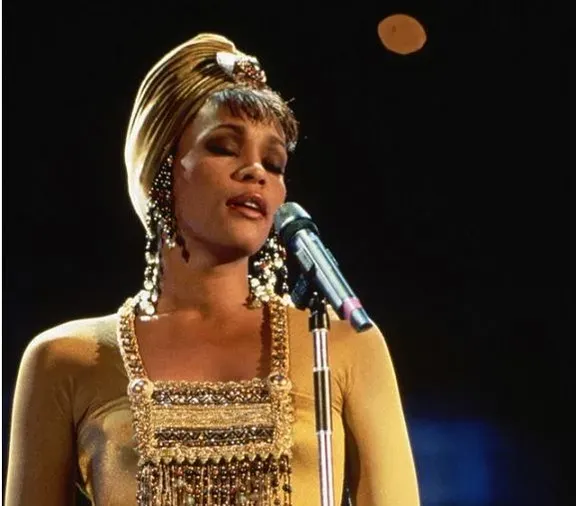
Written by Dolly Parton in 1973 and later made globally iconic by Whitney Houston’s 1992 recording, “I Will Always Love You” carries dual layers of copyright protection that make any cover a legally nuanced act. Parton holds the underlying composition copyright, while the specific sound recording of Houston’s version is separately owned by her label. These are two entirely different legal instruments.
When you record a song, you may be creating two works that are protected by copyright: a musical work and a sound recording. A sound recording and the music, lyrics, words, or other content included in the recording are separate copyright-protected works. These works are subject to different rules and are commonly owned and licensed separately.
The moment you combine your cover song with video, whether that is a high-production music video or a simple smartphone clip, you need a sync license, which is a separate legal requirement that allows you to “sync” music to visual content. Unfortunately, sync licenses are expensive and complex to negotiate. It is not uncommon for licensing fees to start at $5,000 or more, which makes them impractical for most independent creators.
“My Heart Will Go On” – Celine Dion
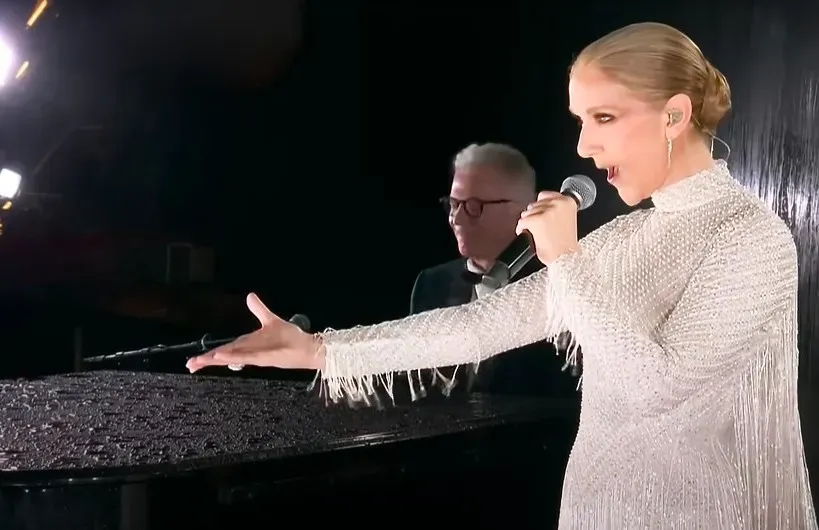
The signature theme from the 1997 film Titanic is one of the most covered ballads in the world, and also one of the most legally restricted. The song was composed by James Horner with lyrics by Will Jennings, and its film tie-in means that any video usage immediately triggers synchronization licensing concerns on top of the standard mechanical license requirement.
Platforms like YouTube, Instagram, and Facebook are legally obliged to remove a video of you performing a cover for copyright infringement, unless you have obtained the relevant permissions. When you upload a video with a cover song, Content ID scans your content and identifies the underlying composition. This allows the rights holder to monetize your video, meaning any ad revenue goes to them, not to you.
If an artist receives three copyright strikes, there is a chance that the entire channel can be taken down. For a song as universally recognized as “My Heart Will Go On,” rights holders monitor digital platforms actively. It is important to note that placing a disclaimer in the YouTube video’s description is not a replacement for obtaining proper permission to utilize a song.
“We Are the World” – USA for Africa

This 1985 charity anthem, co-written by Michael Jackson and Lionel Richie, is arguably the most symbolically loaded song on this list. Many performers assume its charitable origins place it in a more permissive category. They are wrong. The song is fully copyrighted, and its publishers have historically been vigilant about unauthorized reproductions.
Music copyright laws grant creators exclusive rights to their original works, including the ability to reproduce, distribute, and perform them. These laws ensure that songwriters are compensated and maintain control over their creations. The fact that a song was created for a good cause has no legal bearing on its copyright status or the requirement to obtain a license before covering it.
Under compulsory licensing, a copyright owner cannot prevent someone from recording a cover version of their song, provided certain conditions are met. This deviates from the typical copyright rule, where the owner has absolute control over licensing. However, compulsory licensing has its own requirements, and simply recording or uploading a performance without meeting those conditions still exposes you to legal risk. Failing to secure proper licenses for a cover song can lead to copyright infringement claims, financial penalties, or legal action. In some cases, platforms may remove the content, and rights holders can pursue damages for unauthorized use.
“Happy Birthday to You” – A Public Domain Cautionary Tale

This entry carries a twist. For decades, “Happy Birthday to You” was one of the most enforced copyrights in the music industry. Warner/Chappell acquired the rights in 1988 and aggressively enforced licensing. In 2013, filmmaker Jennifer Nelson sued Warner/Chappell after being asked to pay $1,500 to use the song in a documentary.
The court found that the 1935 copyright covered only a specific piano arrangement, not the melody and lyrics themselves. In 2016, Warner/Chappell settled for $14 million, and a judge confirmed the song is public domain. The ruling was the latest development in a 2013 lawsuit brought by a group of filmmakers and artists against Warner/Chappell, which reportedly had been collecting millions of dollars in annual licensing fees from the song.
The lesson here cuts both ways. The ruling effectively ended the company’s claim to control its licensing, making “Happy Birthday to You” free for all to use in public, personal, and commercial settings without any fees. Since the ruling, the song can be sung, recorded, and broadcast in any setting without legal or financial barriers. Yet it took nearly three decades of wrongful enforcement before that freedom was restored – which says something important about how copyright can be weaponized even against common cultural traditions.
What Every Performer Needs to Understand About Cover Song Law
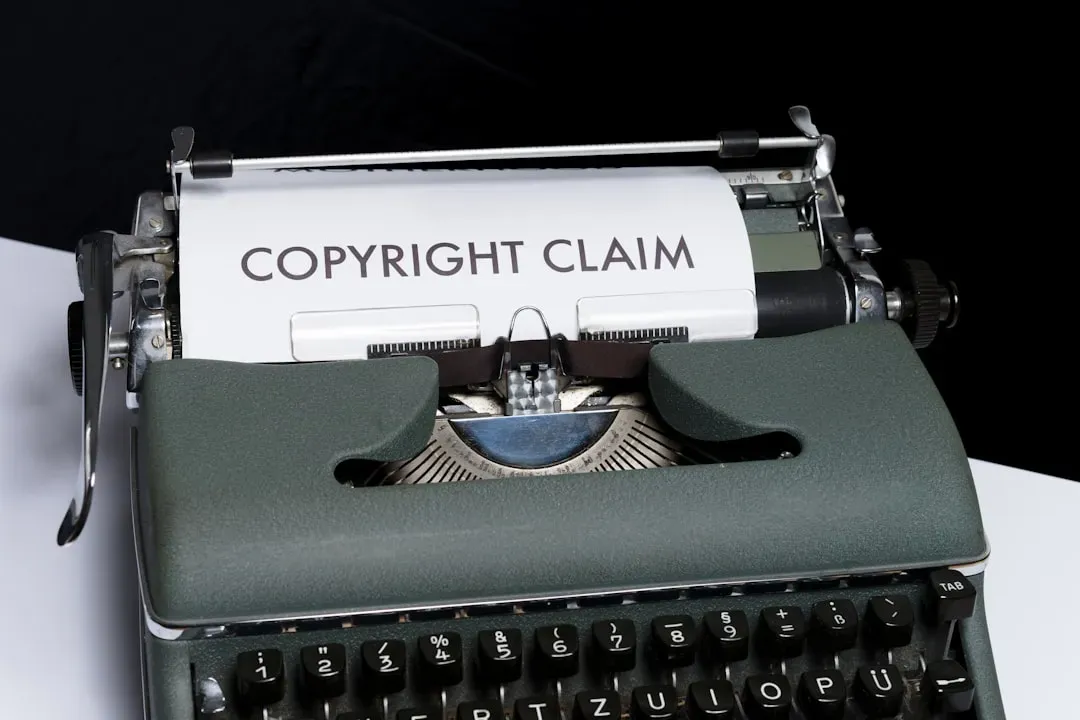
Some people mistakenly assume that musicians and entertainers must obtain licenses to perform copyrighted music, or that businesses where music is performed can shift their responsibility to musicians or entertainers. The law says all who participate in, or are responsible for, performances of music are legally responsible.
Performing a cover song in a live setting requires certain legal clearances. Venues are responsible for ensuring that they have a public performance license, obtained through a Performing Rights Organization, to cover the use of copyrighted material. PROs like ASCAP and BMI manage the rights for songwriters and publishers, ensuring they receive compensation when their songs are performed live. Venues and event organizers pay licensing fees to PROs, which then distribute royalties to the rights holders.
The Music Modernization Act of 2018 updated copyright law and created the Mechanical Licensing Collective. The Act established a blanket compulsory license for digital service providers to distribute interactive streams and digital downloads. Posting or monetizing cover songs involves a specific set of copyright rules under U.S. law, primarily governed by 17 U.S.C. § 115 and the Music Modernization Act. Knowing these rules before you perform, record, or upload is not optional – it is simply part of being a responsible musician in 2026.