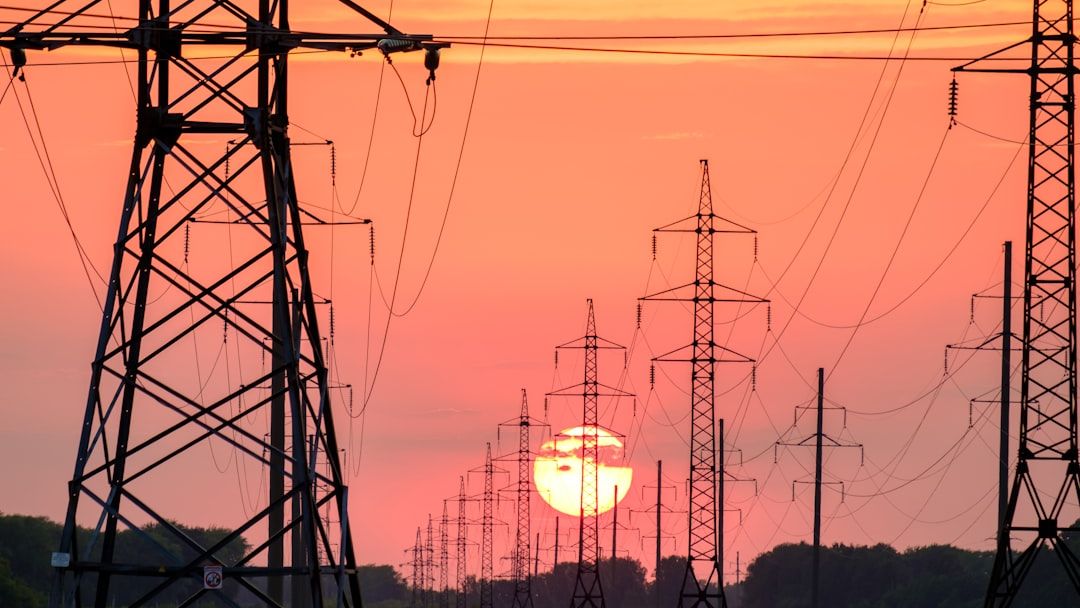
Ohio utilities report subpar grid reliability as they seek a lower bar – Image for illustrative purposes only (Image credits: Unsplash)
Four of Ohio’s six regulated electric utilities failed to meet state expectations for limiting power outages and restoring service in 2025. The shortfall extends a streak that has now lasted ten consecutive years, during which regulators have recorded at least one utility falling below required performance levels each year. The companies have responded by asking regulators to ease the standards they must follow.
Persistent Gaps in Service Delivery
Regulators track how often outages occur and how quickly crews restore power after storms or equipment failures. In the most recent reporting period, the majority of the state’s investor-owned utilities did not reach the targets set for those measures. The repeated shortfalls have drawn attention to the condition of the distribution system and the pace of maintenance work.
Utilities have pointed to aging infrastructure and severe weather as contributing factors. Yet the consistent pattern across multiple years suggests deeper issues with planning and investment priorities. Customers in affected areas have experienced longer waits for power restoration compared with the benchmarks regulators established.
Request to Adjust Performance Targets
The utilities have formally asked regulators to lower the reliability thresholds they are measured against. Proponents of the change argue that current goals may no longer reflect realistic operating conditions in the state. They cite increased storm frequency and the challenges of maintaining an older grid as reasons for a revised approach.
Partner offer
Opponents of the request contend that lowering standards would reduce pressure on the companies to improve. They note that other states have maintained or even tightened similar requirements without widespread service disruptions. The debate now centers on whether relaxed targets would ultimately benefit or burden Ohio ratepayers.
Impact on Households and Businesses
Extended outages affect daily routines, medical equipment, and commercial operations across the state. Businesses lose revenue during prolonged blackouts, while residents face spoiled food and disrupted work or schooling. The cumulative effect over ten years has left many communities questioning the long-term reliability of their electric service.
Regulators continue to review utility filings and customer complaints as part of ongoing oversight. The outcome of the current request for lower standards will shape expectations for service quality in the years ahead. Both sides agree that reliable electricity remains essential to the state’s economy and quality of life.
Looking Ahead for Grid Performance
State officials are weighing the utilities’ proposal against the need to protect consumers from declining service levels. Any decision will likely influence future investment plans and rate cases. The ten-year record of shortfalls provides a clear baseline for evaluating whether adjustments to the rules are warranted.
Utilities have indicated they will continue reporting performance data under whatever standards are ultimately approved. The focus remains on finding a balance between achievable targets and meaningful accountability for grid reliability.
Partner offer
Planning a trip to Vegas?
Compare hotel rates and show tickets on VEGAS.com.