Some movies keep you guessing until the credits roll, but others practically hand you the ending on a silver platter if you’re paying attention. Genre conventions, foreshadowing, and decades of storytelling patterns mean that seasoned film buffs can often call the finale within the first thirty minutes. This list looks at nine iconic movies whose endings became so culturally embedded that predicting them is almost a rite of passage for cinephiles.
Whether you’ve seen these films a dozen times or only heard about them through pop culture osmosis, the twists, triumphs, and tragedies below have shaped how audiences think about storytelling. Let’s break down why these endings became so predictable, and why that predictability hasn’t dulled their impact one bit.
1. The Sixth Sense and the Twist Everyone Saw Coming (Eventually)

M. Night Shyamalan’s 1999 psychological thriller built its entire reputation on the reveal that Bruce Willis’s character, Malcolm Crowe, has been dead the whole time. The film grossed over 670 million dollars worldwide, making it one of the highest-grossing films of that year and cementing Shyamalan as a director synonymous with twist endings.
What makes this ending fascinating for repeat viewers is how many clues are scattered throughout, from Malcolm never interacting directly with anyone but Cole to the color red appearing whenever the supernatural is present. Once you know the trick, the entire movie plays differently, which is exactly why film students still study its structure today.
2. Titanic and the Inevitable Iceberg

James Cameron’s 1997 epic doesn’t hide its ending at all. The film opens with wreckage footage of the actual sunken ship, so anyone walking into the theater already knows the vessel is doomed before Jack and Rose ever meet.
The real emotional gamble was never about the ship sinking but about whether Jack would survive alongside Rose. Cameron has discussed the debate over the door scene for years, and the physics of buoyancy have been dissected endlessly online. Regardless of the fan arguments, the film remains one of the highest-grossing movies of all time, proving that a known outcome doesn’t reduce emotional stakes.
3. Rocky and the Underdog Who Doesn’t Actually Win the Title

Sylvester Stallone’s 1976 boxing drama is often misremembered as a story where the hero wins the championship. In reality, Rocky Balboa loses the fight on points to Apollo Creed, but the emotional victory of simply going the distance is what audiences walk away remembering.
This subversion of the typical sports movie formula is part of why Rocky won the Academy Award for Best Picture. Fans who know their sports cinema history can often predict this outcome, since the genre frequently favors personal growth over literal victory, a pattern echoed in films like Creed decades later.
4. The Shawshank Redemption and the Long-Awaited Escape

Frank Darabont’s 1994 adaptation of a Stephen King novella spends nearly the entire runtime building toward Andy Dufresne’s escape from prison. Longtime fans of prison dramas or King’s source material often see the ending coming, especially once the rock hammer and posters become recurring visual motifs.
Despite a lukewarm box office performance upon release, the film has since become a cultural touchstone, regularly topping audience-voted lists such as IMDb’s Top 250. Its ending, revealing Andy’s meticulous tunnel plan, rewards attentive viewers who caught the earlier hints about geology and patience.
5. Casablanca and the Sacrifice at the Airport
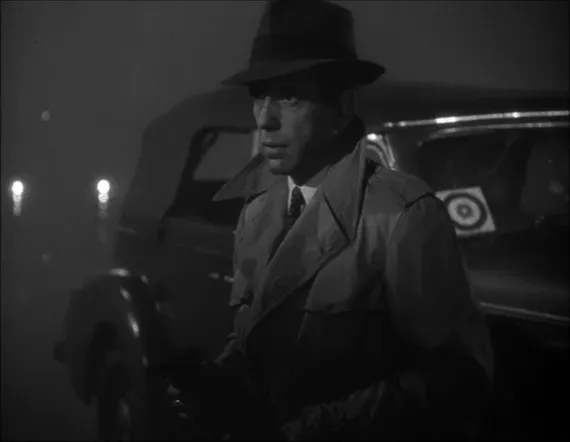
The 1942 classic starring Humphrey Bogart and Ingrid Bergman ends with Rick Blaine sacrificing his own happiness so Ilsa can escape with her husband. Given the film’s wartime context and the Hays Code restrictions of the era, audiences familiar with 1940s Hollywood conventions often anticipate that a morally noble sacrifice, rather than a conventional romantic reunion, will close the story.
Casablanca won the Academy Award for Best Picture in 1944, and its final lines have become some of the most quoted in film history. The predictability of Rick’s selfless choice doesn’t diminish the scene’s power; if anything, it reinforces why the film remains a benchmark for classic Hollywood storytelling.
Partner offer
6. Fight Club and the Unreliable Narrator Reveal

David Fincher’s 1999 adaptation of Chuck Palahniuk’s novel hinges on the reveal that Tyler Durden is a manifestation of the unnamed narrator’s fractured psyche. Viewers versed in unreliable narrator tropes, particularly those familiar with Palahniuk’s writing style or similar psychological thrillers, often piece together the twist before the midpoint.
The film initially underperformed at the box office but found a massive cult following through home video, eventually becoming a staple of late-1990s cinema discussions. Its influence is visible in countless later films that use similar narrative sleight of hand, which is part of why genre-savvy audiences now spot the pattern early.
7. E.T. the Extra-Terrestrial and the Bittersweet Goodbye

Steven Spielberg’s 1982 family classic always signals early on that E.T. wants to go home, making the tearful farewell at the end a foregone conclusion for anyone paying attention to the film’s central premise. The emotional weight comes not from surprise but from the inevitability of separation between Elliott and his alien friend.
E.T. held the record as the highest-grossing film of all time for several years after its release before being surpassed. Its ending remains a benchmark for bittersweet, tear-jerking conclusions in family cinema, proving that a predictable goodbye can still land with tremendous emotional force.
8. The Empire Strikes Back and the Reveal Heard Around the World
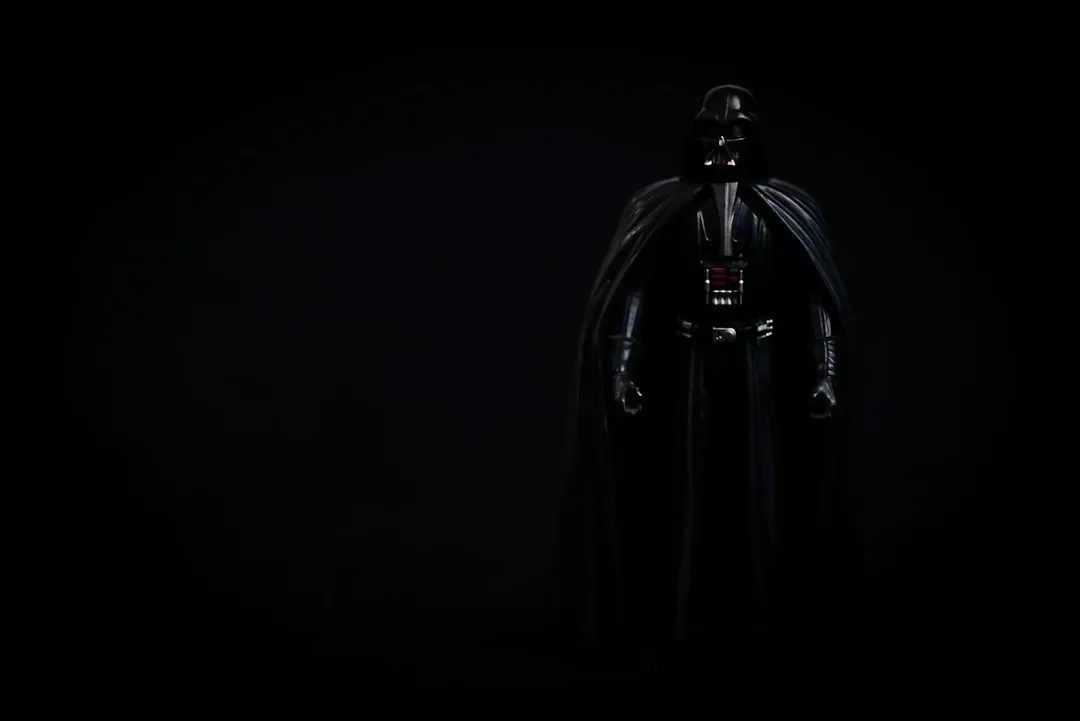
The 1980 Star Wars sequel delivers one of cinema’s most parodied lines when Darth Vader reveals he is Luke Skywalker’s father. While this twist genuinely shocked audiences in 1980, decades of pop culture references have made it nearly impossible for modern viewers to watch the film without already knowing the outcome.
This particular ending demonstrates how a once-groundbreaking twist can become so ingrained in cultural knowledge that predicting it requires no cinematic expertise at all, just basic pop culture literacy. It’s a useful reminder that spoilers can outlive the element of surprise by generations.
9. La La Land and the Bittersweet What-Could-Have-Been

Damien Chazelle’s 2016 musical builds toward a wistful ending where Mia and Sebastian, now separated and each pursuing their own success, share a silent moment of imagined alternate history. Fans of musicals and bittersweet romance dramas often sense early on that the film is more interested in exploring sacrifice for art than delivering a conventional happy ending.
La La Land received widespread critical acclaim and multiple Academy Award wins, including Best Director for Chazelle. The film’s closing fantasy sequence, showing the life the couple never had together, has become one of the most discussed modern movie endings precisely because it refuses the easy resolution audiences might expect from the genre.
Why These Endings Still Work Despite Being Predictable
Predictability in film endings often comes down to genre literacy rather than weak storytelling. Once you understand the conventions of a heist film, a sports drama, or a psychological thriller, certain beats become almost mathematically inevitable, yet skilled filmmakers use pacing, performance, and emotional buildup to make even expected outcomes feel earned.
These nine films endure not because they surprised everyone, but because they executed familiar or later-spoiled outcomes with exceptional craft. That’s really the mark of a true classic: an ending that works whether you saw it coming or not.
Final Thoughts on Cinematic Predictability
Guessing a movie’s ending correctly doesn’t diminish the experience of watching it unfold onscreen. If anything, films like these prove that execution matters far more than surprise, since audiences keep returning to them decades after their twists became common knowledge.
So the next time someone brags about calling an ending from a mile away, remind them that the greatest films were never really about the surprise. They were about the journey getting there, frame by frame, right up until the moment the story you predicted finally comes true on screen.
Partner offer
Planning a trip to Vegas?
Compare hotel rates and show tickets on VEGAS.com.