There’s a particular kind of confidence that comes from recognizing a song within its first half second. No lyrics needed, no chorus required, just a single chord or riff that instantly transports you somewhere specific. Some songs have opening notes so distinctive they’ve become cultural shorthand, instantly recognizable even to people who couldn’t name the artist behind them. This list celebrates eight tracks whose openings are so iconic that radio DJs, film editors, and even AI music recognition apps rely on them as instant identifiers. See how many you can place before reading the details.
Sweet Child O’ Mine by Guns N’ Roses

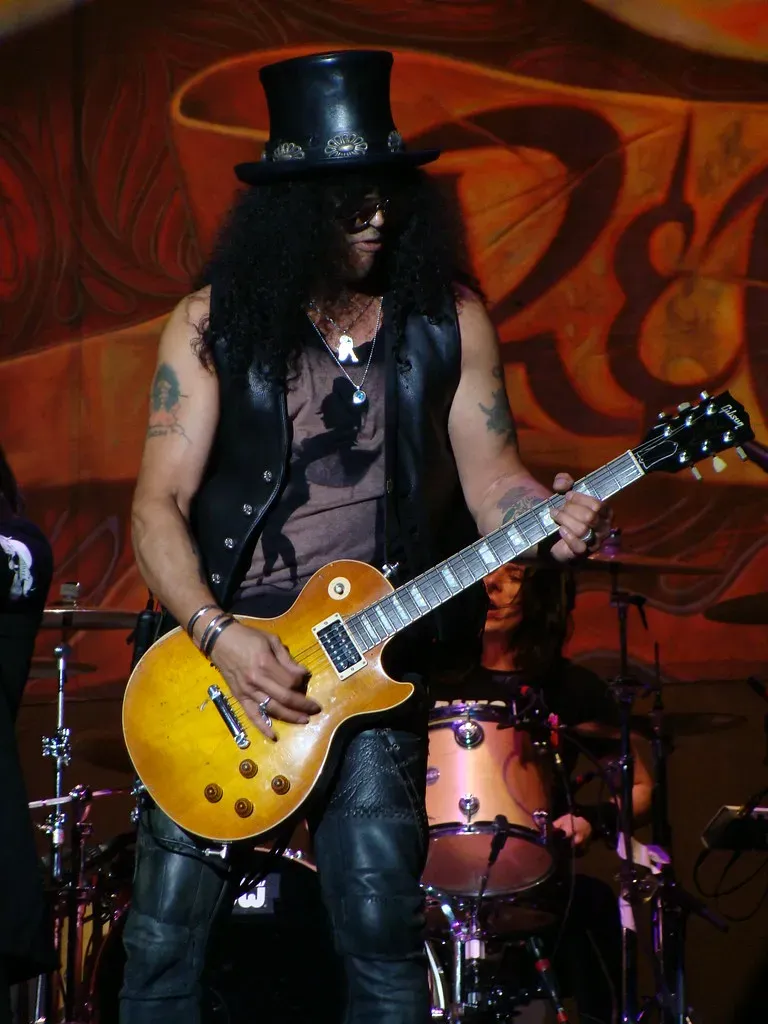
Slash’s opening guitar riff on this 1987 track is often cited as one of the most recognizable intros in rock history. The cascading, almost music-box-like sequence of notes came from Slash simply warming up before a rehearsal, according to accounts from the band’s own history. Axl Rose reportedly heard it through a wall and insisted they build a full song around it.
The song became Guns N’ Roses’ only number one hit on the Billboard Hot 100, reaching the top spot in 1988. Even decades later, that opening riff remains a staple of guitar shops everywhere, often the first thing a customer plays when testing an instrument. Its instant recognizability has helped keep the song a fixture on classic rock radio well into the 2020s.
Smoke on the Water by Deep Purple

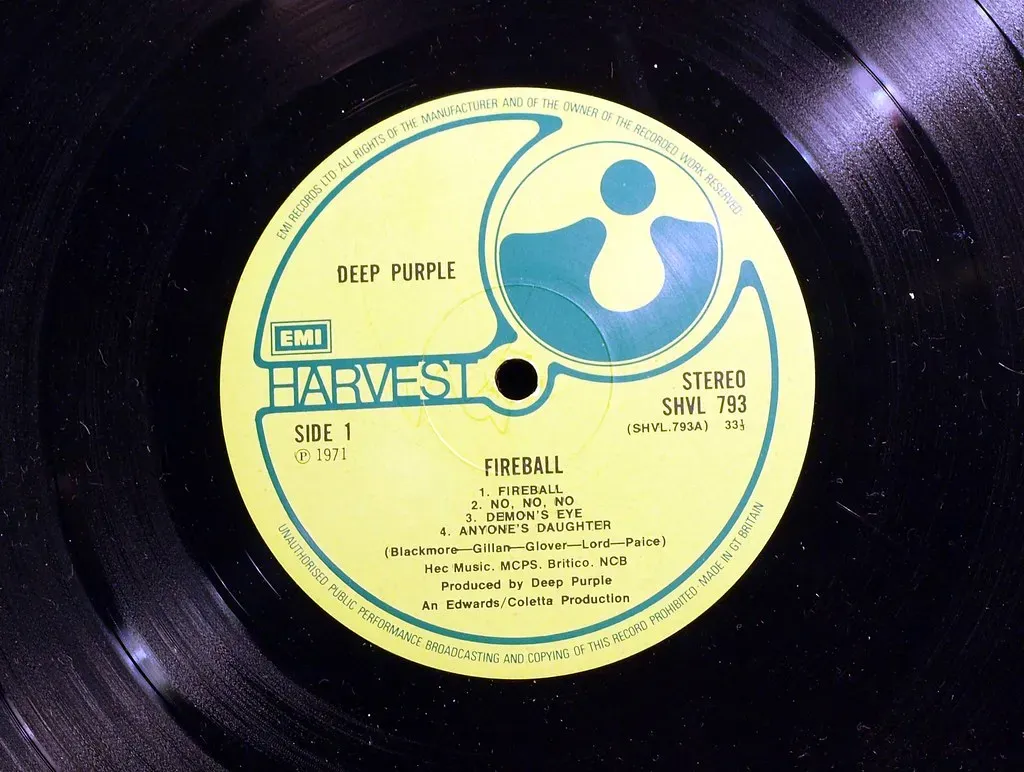
Few guitar riffs carry as much weight in music education as this one. Ritchie Blackmore’s four-note opening sequence is frequently taught to beginning guitarists as one of the first riffs they learn, precisely because it’s so simple yet so immediately identifiable. The riff was inspired by a real fire at a casino in Montreux, Switzerland, an event the lyrics directly describe.
Released in 1972, the song has remained a fixture of classic rock radio and guitar culture for over five decades. Music retailers have long joked about banning customers from playing it in stores, a running gag that speaks to just how universally known that opening riff has become. It’s a rare case where the intro is arguably more famous than the song itself.
Enter Sandman by Metallica


The palm-muted opening riff of this 1991 single announces itself with an eerie, deliberate menace that fans of heavy music recognize within moments. It was the lead single from Metallica’s self-titled album, often called the Black Album, which became one of the best-selling albums of the era. The main riff, developed by guitarist Kirk Hammett, has become synonymous with sports arenas, where it’s frequently played to pump up crowds before games.
Decades after its release, the song remains a staple at Major League Baseball games and other sporting events across the country. Its opening has crossed genres entirely, recognized by people who might never otherwise listen to metal. That crossover appeal is part of why the riff endures as one of the most identifiable openings in rock history.
Billie Jean by Michael Jackson
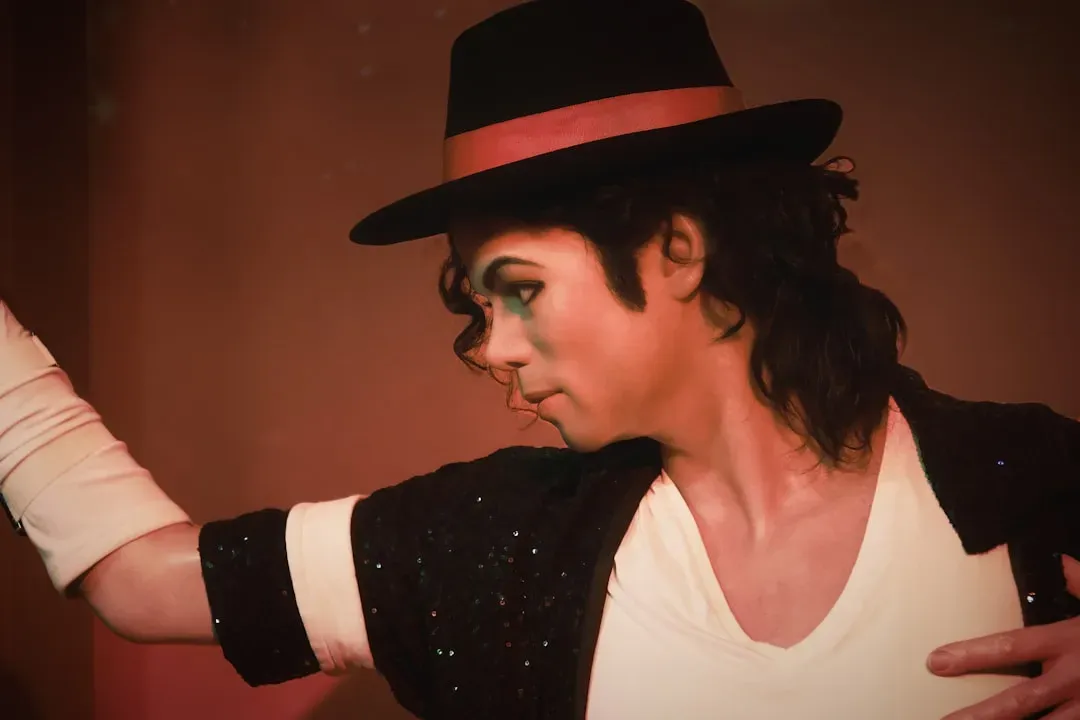
The bassline that opens this 1983 track is so distinctive that it functions almost like a signature. Produced by Quincy Jones, the song’s intro built tension before Jackson’s vocals even entered, a structural choice that was somewhat unusual for pop music at the time. That bass and drum combination has been sampled, referenced, and imitated across countless genres since.
Billie Jean topped the Billboard Hot 100 and helped make Thriller the best-selling album of all time. The song’s music video was also historically significant, becoming one of the first by a Black artist to receive heavy rotation on MTV. Its opening remains instantly recognizable across generations, a rare feat for a track now more than four decades old.
Partner offer

Sweet Home Alabama by Lynyrd Skynyrd


The layered guitar intro on this 1974 song, built around a distinctive descending chord progression, has become one of Southern rock’s defining sonic signatures. The track was reportedly written partly as a response to Neil Young’s songs criticizing the American South, creating one of rock’s more famous musical dialogues. That opening riff has since become shorthand for a certain kind of American roadside identity.
The song reached the top ten on the Billboard Hot 100 and has remained a staple of classic rock and country crossover playlists ever since. It’s frequently used in films and television to establish a Southern setting almost instantly. Few openings do as much narrative work in so few seconds.
Seven Nation Army by The White Stripes


Jack White’s opening riff, played on a guitar processed through an octave pedal to sound like a bass, has become one of the most chanted melodies in modern sports culture. Released in 2003, the song’s simplicity is deceptive, built from just a handful of notes that somehow feel massive. That riff has since transcended the song itself, becoming a wordless chant heard in stadiums worldwide.
The track won a Grammy Award for Best Rock Song and has been credited with helping revive interest in garage rock during the early 2000s. Its bassline riff has been adopted by soccer fans across Europe, chanted at matches regardless of whether attendees know the original artist. That kind of cultural detachment from its source is a strong indicator of just how deeply the riff embedded itself in public consciousness.
Come As You Are by Nirvana

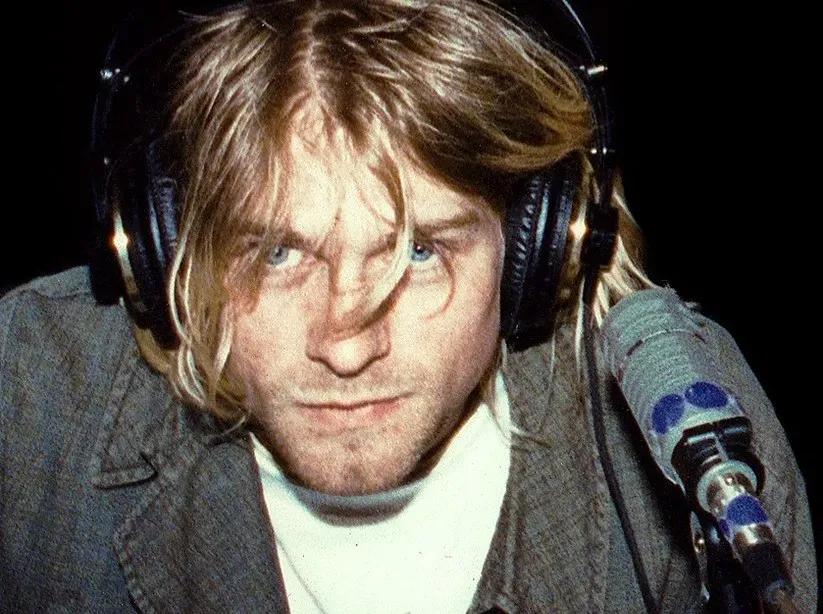
The chorus-effect guitar line that opens this 1992 single has a watery, hypnotic quality that made it instantly distinct from other grunge tracks of the era. Kurt Cobain’s guitar tone, run through a chorus pedal, gave the riff a texture that felt simultaneously heavy and dreamlike. The song appeared on Nevermind, the album widely credited with pushing grunge into mainstream American culture.
Come As You Are reached the top of Billboard’s Modern Rock Tracks chart and remains one of Nirvana’s most streamed songs decades later. Its opening riff is often cited by guitarists learning the chorus pedal technique specifically because of how recognizable it is. The song’s continued presence on rock radio keeps that intro fresh for new generations of listeners.
Africa by Toto


The synthesizer and marimba-like opening of this 1982 track creates an atmosphere before a single lyric is sung, something relatively rare in mainstream pop of that decade. The song eventually reached number one on the Billboard Hot 100 in early 1983, though its initial chart run was slower than the massive cultural resurgence it later experienced. That resurgence accelerated dramatically in the streaming era, with the song becoming a recurring internet phenomenon.
Africa saw a documented spike in streaming numbers years after its release, driven partly by social media trends and cover versions that kept reintroducing it to younger audiences. Its opening percussion and keyboard sequence has become instantly identifiable even to listeners born decades after the song came out. Few tracks from the early 1980s have maintained, let alone grown, their cultural footprint quite like this one has.
Partner offer
Planning a trip to Vegas?
Compare hotel rates and show tickets on VEGAS.com.