Hollywood is full of near misses, the kind of decisions that look obvious in hindsight but felt like reasonable choices at the time. An actor passes on a script because of scheduling conflicts, creative doubts, or simple bad timing, and years later that same part ends up on someone else’s mantel as an Academy Award. These stories are a reminder that even the sharpest instincts in the business can misfire spectacularly. What follows is a rundown of twelve cases where a well known actor said no to a role that eventually brought home Oscar gold for someone else. Some of these decisions were later described as regrets by the actors themselves, while others were simply matters of timing or personal priorities.
1. John Travolta and Forrest Gump
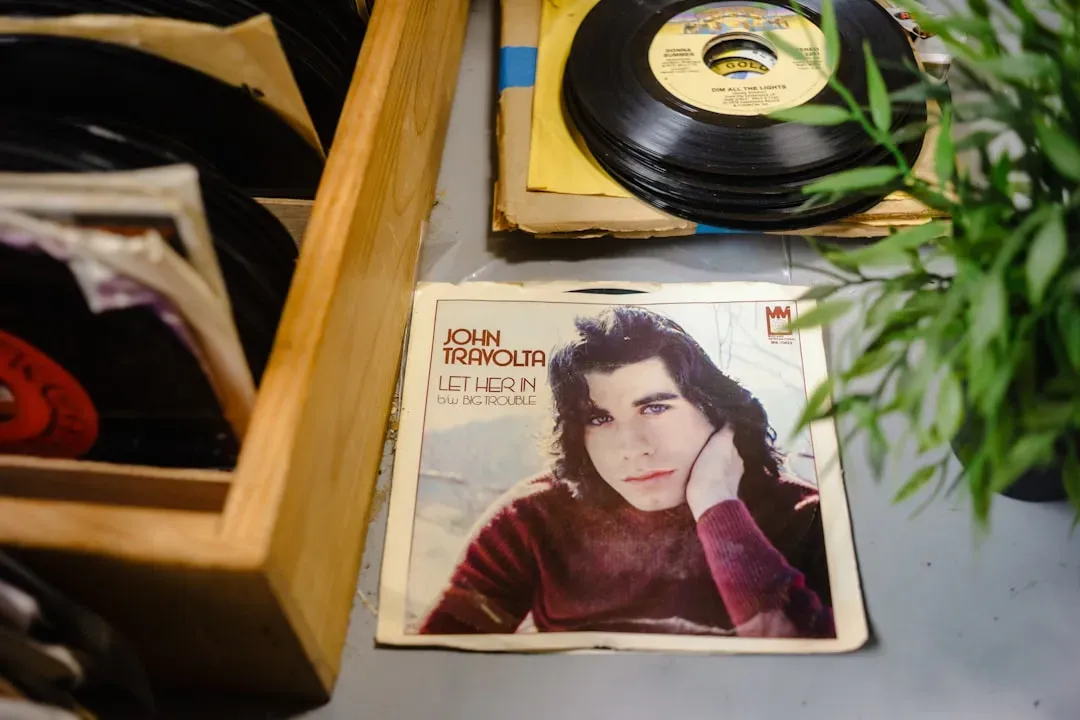
John Travolta was the top choice to play the titular character in “Forrest Gump” (1994), but he declined the role to star in Quentin Tarantino’s “Pulp Fiction” (1994), which ironically competed against the film at the Oscars. Both films ended up being nominated in the same Best Picture race, which made the decision even more consequential in retrospect.
Tom Hanks eventually took the part and won the Academy Award for Best Actor for his performance. Travolta has since admitted that passing on the script was a significant mistake in his career, as the film became a massive cultural phenomenon that solidified Hanks as a Hollywood legend.
2. Burt Reynolds and Terms of Endearment
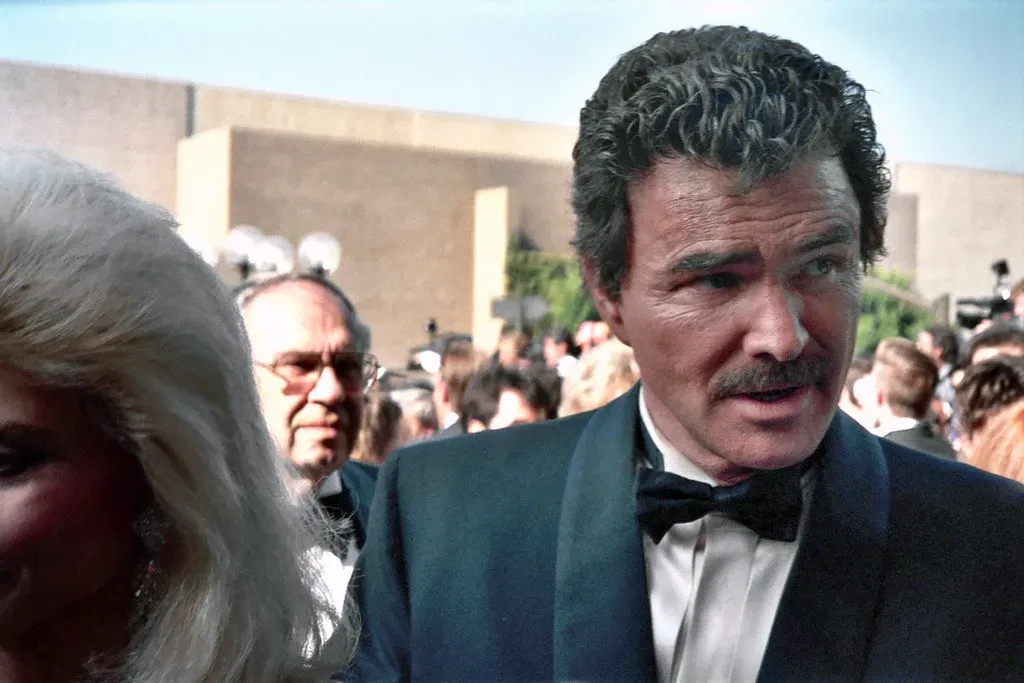
Burt Reynolds was offered the role of retired astronaut Garrett Breedlove in “Terms of Endearment” (1983). He said he couldn’t do it because he’d already committed to a race car comedy called Stroker Ace.
Director James L. Brooks had actually written the part of Breedlove specifically for Reynolds. The role went to Jack Nicholson, who delivered a charming performance that won him the Best Supporting Actor Oscar. Reynolds later acknowledged this decision as one of the biggest regrets of his professional life.
3. Mel Gibson and Gladiator
Mel Gibson was offered the lead role of Maximus Decimus Meridius in “Gladiator” (2000). He turned down the epic historical drama because he felt he was too old for the action-heavy part.
Russell Crowe took the lead and won an Academy Award for Best Actor for his portrayal of the vengeful warrior, and the film became a massive box office hit that also won the Oscar for Best Picture. It’s a fair guess that few actors have second guessed an age related decision quite so publicly since.
4. Michelle Pfeiffer and The Silence of the Lambs
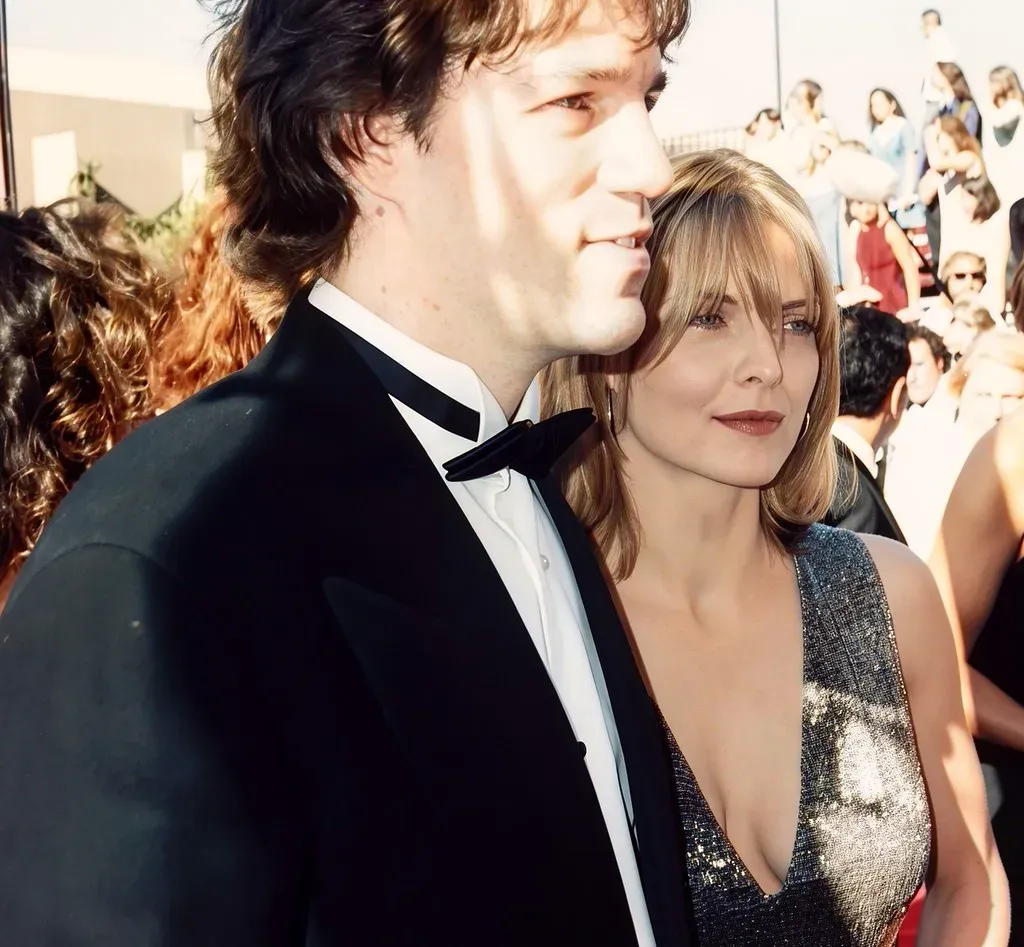
Michelle Pfeiffer had previously worked with director Jonathan Demme on “Married to the Mob” and could have starred as Clarice Starling in “The Silence of the Lambs,” a part that eventually went to Jodie Foster instead. Pfeiffer had already built a strong reputation through darker dramatic work by that point in her career.
Foster won Best Actress for the role, and the film itself took home Best Picture. Pfeiffer herself had been nominated for Oscars before, for “Dangerous Liaisons,” “The Fabulous Baker Boys,” and “Love Field,” but this particular chance slipped away entirely.
5. Liam Neeson and Lincoln
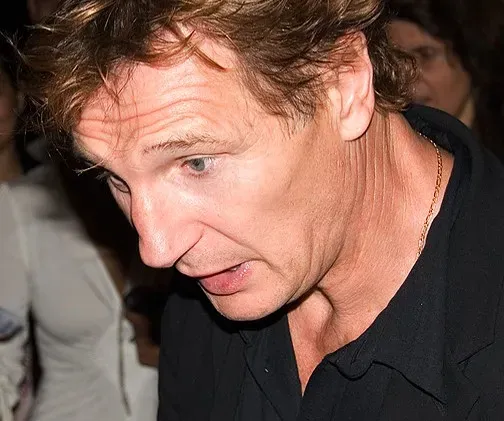
Liam Neeson had originally attached himself to play Abraham Lincoln, but he eventually stepped away from the part, at which point Daniel Day-Lewis, who had also previously turned down the part, had a change of heart. Neeson had reportedly felt he had aged out of the role after years of development delays on the project.
Day-Lewis went on to win a record breaking third Academy Award for Best Actor for his performance. It remains one of the more unusual sequences in casting history, since both actors were connected to the part before Day-Lewis finally committed and delivered the performance.
6. Paul Bettany and The King’s Speech
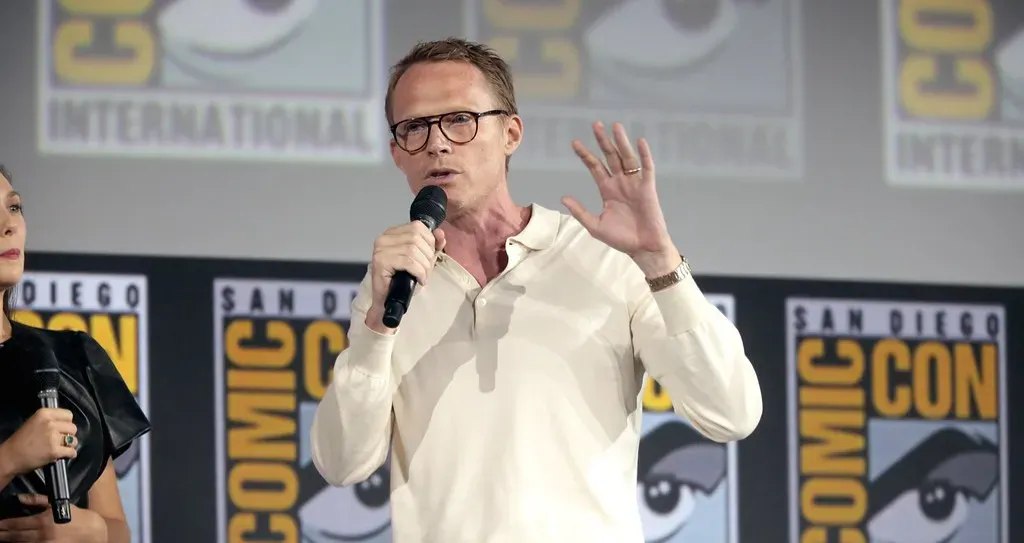
Paul Bettany walked away from “The King’s Speech” after screenwriter David Seidler felt that Bettany was the ideal candidate to play King George VI. Bettany wasn’t interested because he felt overworked and wanted to spend more time with his family.
While Bettany regretted missing the opportunity to collaborate with the film’s acclaimed cast and crew, he doesn’t regret standing by his loved ones, and his choice worked in Colin Firth’s favor, as Firth would win an Oscar for playing the stammering king. The film went on to sweep several major categories that awards season.
Partner offer
7. Dustin Hoffman and Gandhi
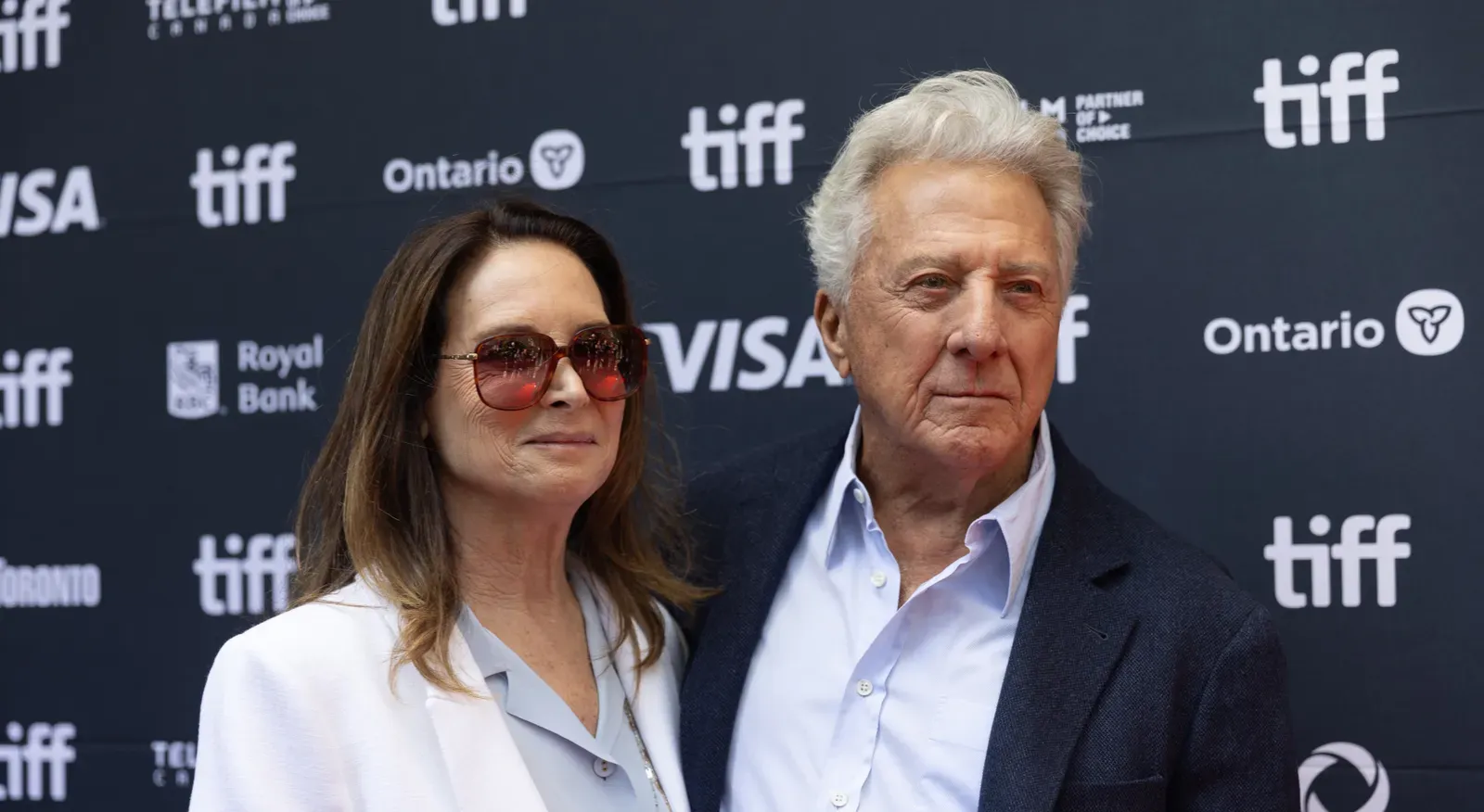
Dustin Hoffman was the first choice to play the title role in the biographical film “Gandhi,” but he turned down the opportunity so he could star in the comedy film “Tootsie” instead. It was a fairly striking contrast in tone between the two projects he was weighing at the time.
Ben Kingsley was cast as the lead and won the Academy Award for Best Actor for his transformative work, while Hoffman received a nomination for his own film that year but did not take home the trophy. Both actors ultimately delivered performances that are still studied by film students today.
8. Sandra Bullock and Million Dollar Baby
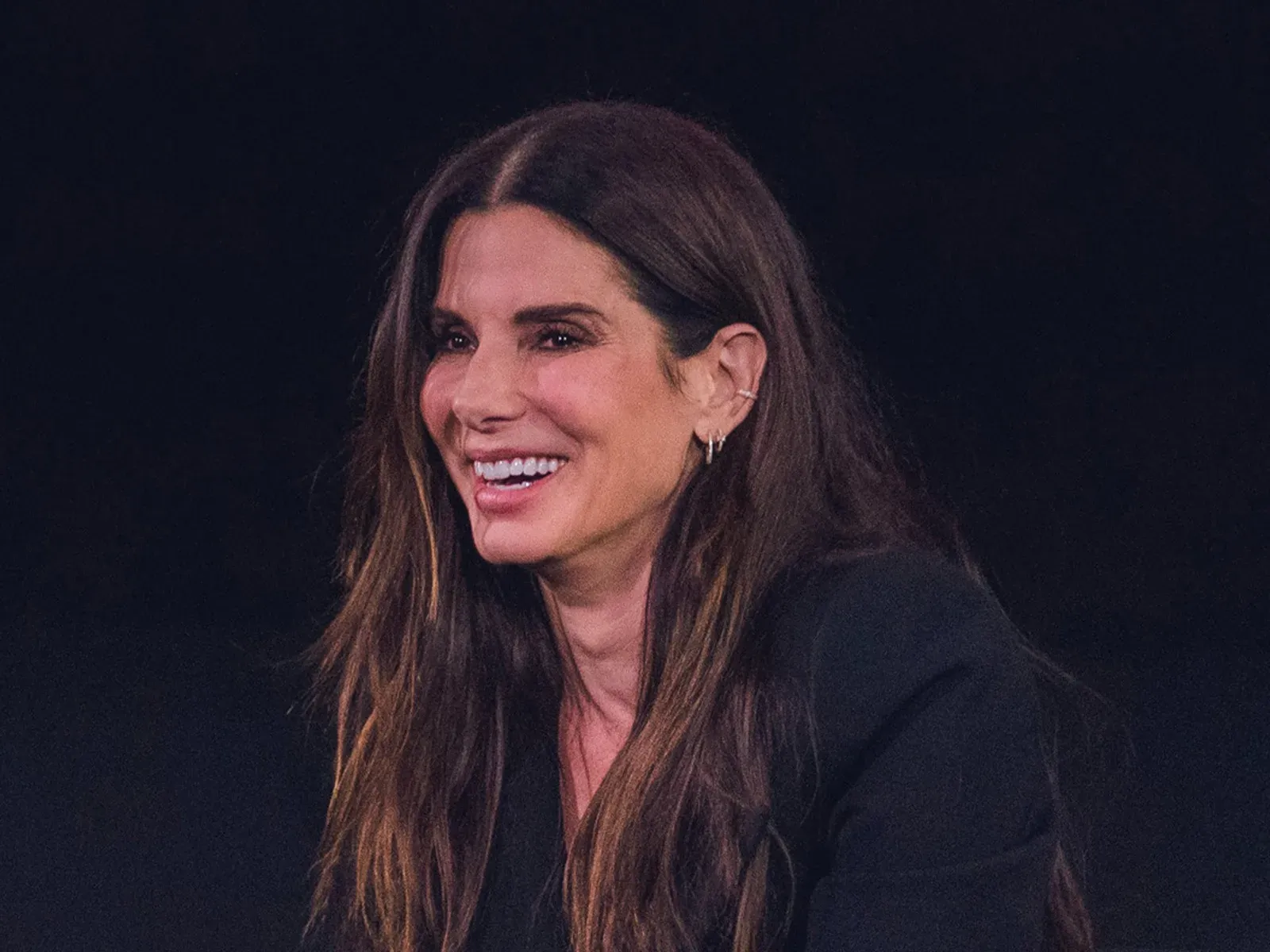
Sandra Bullock was approached to star as Maggie Fitzgerald in “Million Dollar Baby” (2004), and she attempted to get the film made earlier, but scheduling conflicts eventually forced her to step away. The project had been in development for a while before it finally came together with a different lead.
Hilary Swank took over the role of the determined boxer and underwent a grueling physical transformation, winning her second Academy Award for Best Actress for the gritty performance. Bullock later found her own Oscar success in other work, but this particular opportunity had already slipped through her fingers.
9. Harrison Ford and Syriana
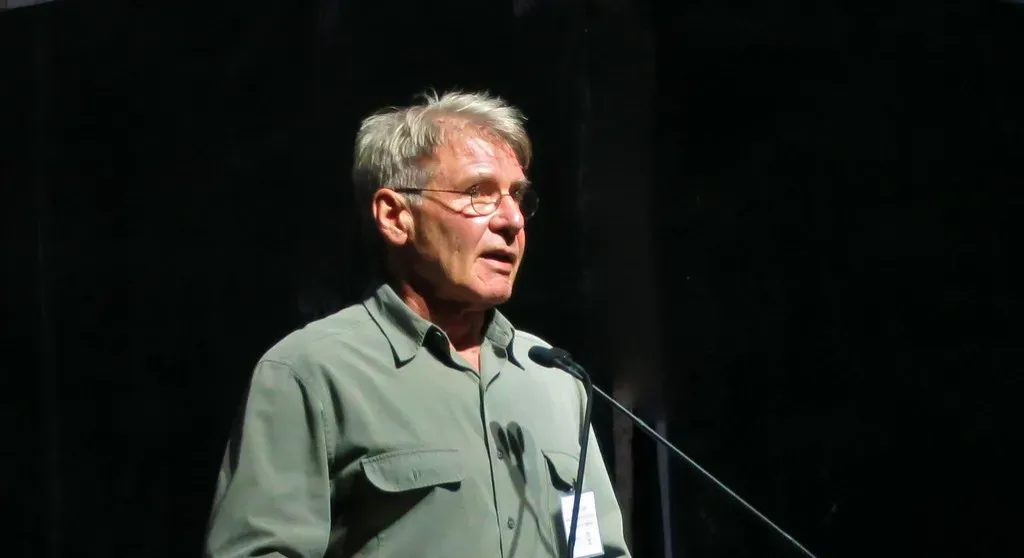
Harrison Ford has played some of the most iconic characters in cinematic history, yet he’s only accumulated one Oscar nomination for his work in “Witness,” and the Hollywood legend probably could’ve corrected his overdue status had he accepted the role of Bob Barnes in 2005’s “Syriana.” Ford turned down the part because he “didn’t feel strongly enough about the truth of the material.”
Looking back in retrospect, Ford noted that he likely “made a mistake.” George Clooney, who had been experiencing a career renaissance ever since leaving “ER,” went on to play the Operations Officer and earned an Academy Award for Best Actor in a Supporting Role.
10. Richard Gere and Wall Street
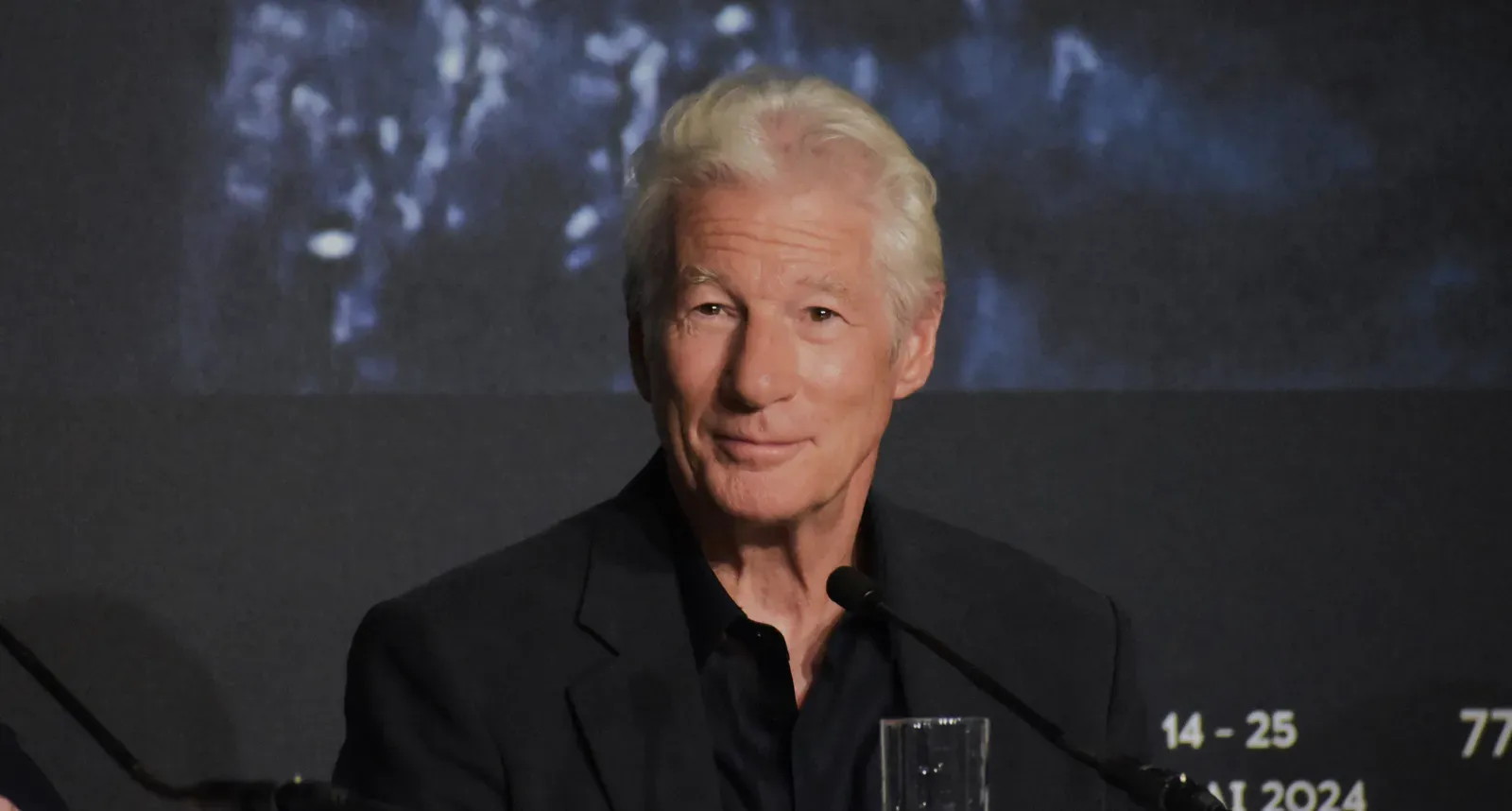
Richard Gere had shown a knack for playing slick, charismatic men in films like “American Gigolo,” which made him a plausible fit for the role of Gordon Gekko in “Wall Street,” but he wasn’t sold on the part. It was a role that demanded a very particular kind of cold charisma, and Gere apparently didn’t see himself in it.
Michael Douglas, who already had an Oscar for producing, thus took on the role and won his first acting Academy Award. The character has since become one of the most quoted villains in modern film history, which makes the initial hesitation around casting him somewhat surprising.
11. Gregory Peck and High Noon
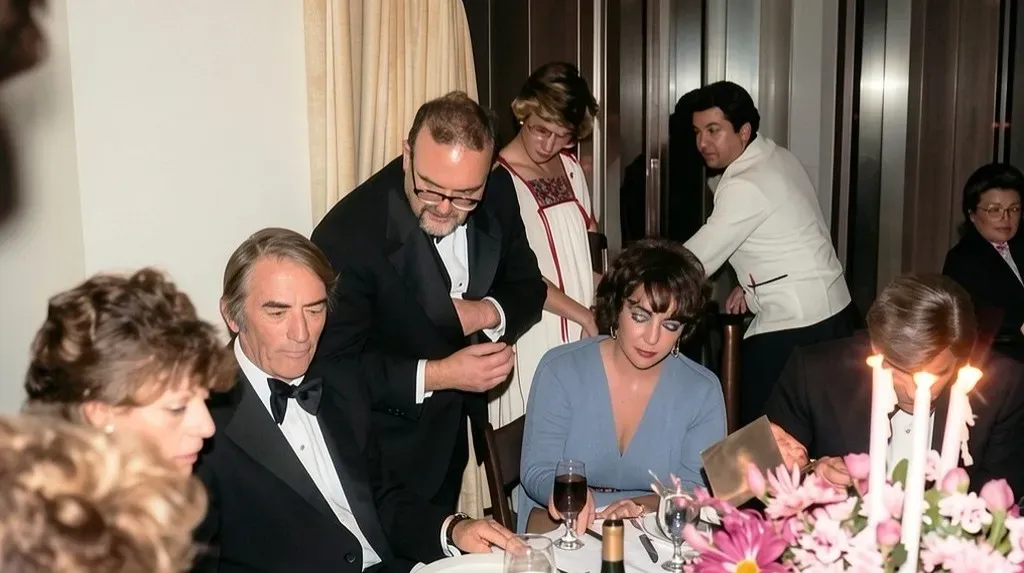
After playing a disillusioned shootist in a western called “The Gunfighter,” Gregory Peck was immediately offered the lead role in “High Noon,” with his agent believing he would’ve been perfect as Will Kane, the small town marshal forced to confront a gang of outlaws alone. Despite his agent’s encouragement, Peck thought “High Noon” was too similar to “The Gunfighter,” and hoping to avoid typecasting, he passed on the part.
The role went to Gary Cooper, who earned his second Best Actor Oscar for playing the abandoned lawman, which evidently made Peck second guess his decision. It took Peck several more nominations before he finally won his own Oscar for “To Kill a Mockingbird.”
12. Paul Newman and Ben-Hur
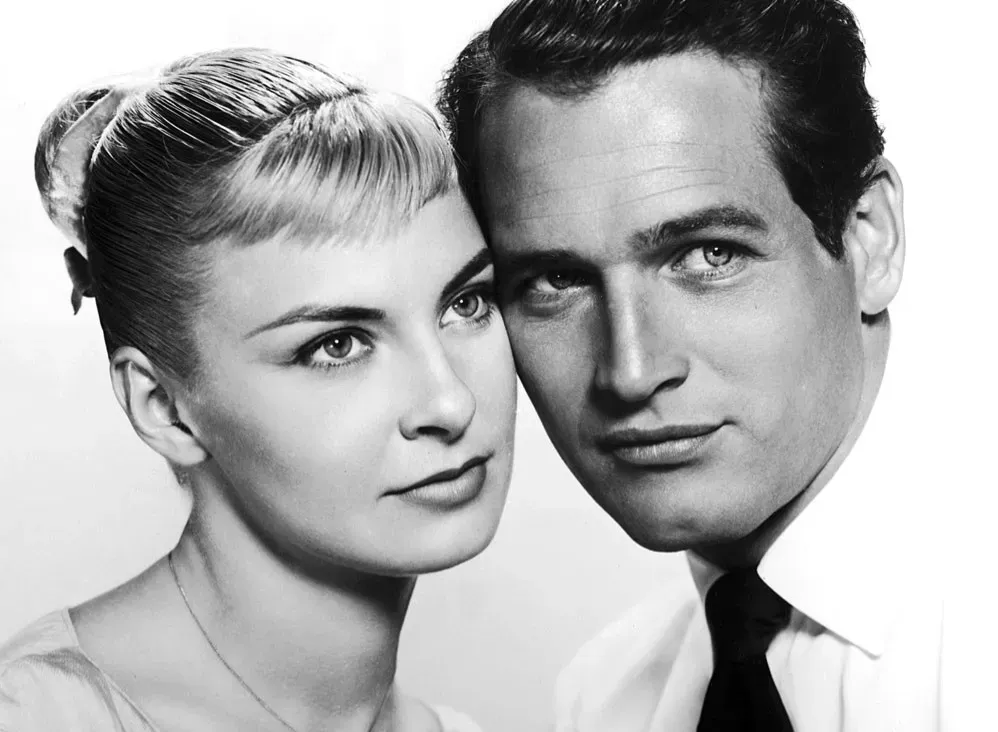
Paul Newman was offered the title role in the historical epic “Ben-Hur” (1959), but he turned it down because he did not want to wear a tunic again after his experience in a previous biblical film. It was a fairly personal aversion rather than a creative disagreement, which makes the outcome all the more notable.
Charlton Heston took the lead and carried the massive production, winning the Academy Award for Best Actor as the film set a record for most Oscar wins. Newman had, without realizing it at the time, passed on one of the most commercially successful films ever made.
These twelve stories share a common thread. None of the actors involved could have known at the time how the films would turn out, and most of their reasons for saying no were perfectly sound in the moment: family priorities, scheduling conflicts, fear of typecasting, or simple lack of enthusiasm for a script. Hindsight is generous to no one in this business, and that’s exactly what makes these missed opportunities so fascinating to look back on.Partner offer
Planning a trip to Vegas?
Compare hotel rates and show tickets on VEGAS.com.