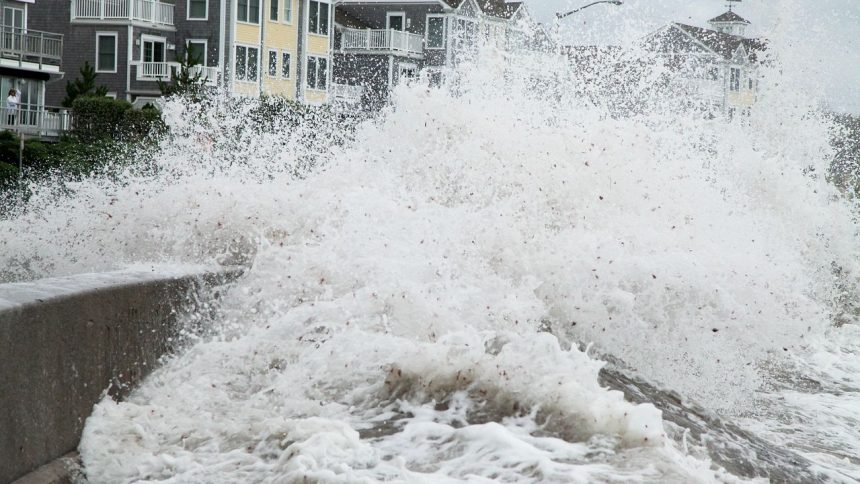
Las Vegas is not a city you typically associate with raging floodwaters and treacherous roads. It’s a desert. It’s dry. It’s hot. Most people picture it as a place where the pavement practically glows in the summer heat. So when back-to-back Pacific storm systems roll through Southern Nevada, the contrast is jarring, almost surreal.
Here’s the thing most drivers don’t fully grasp: it’s not the first storm that kills you on these roads. It’s not even the second. It’s the third. That third wave, arriving when the ground is already saturated and drivers are already complacent, is where things get genuinely deadly. Stay with us, because by the end of this, you’ll never look at a Vegas rainstorm the same way again.
Las Vegas Is Built for Sun, Not for Storms
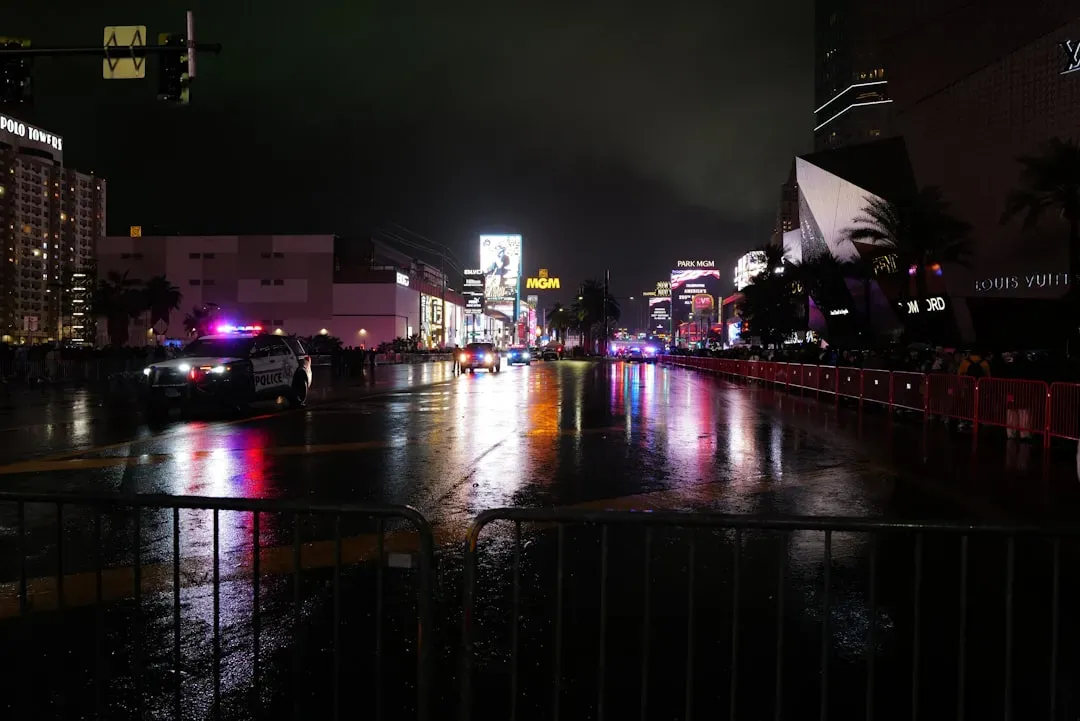
Let’s be real about something from the start. Las Vegas was designed around one central weather reality: it barely rains. According to NOAA climate normals, the average annual rainfall for the area is about four inches. That’s less rain in an entire year than some cities get in a single summer afternoon.
That low baseline means the city’s drainage systems, road surfaces, and infrastructure were never engineered to handle prolonged, multi-day rainfall. When a single Pacific system drops two or three inches in 24 hours, the math gets ugly fast. The desert ground simply doesn’t absorb water at the rate a wetter climate’s soil would. Think of it like trying to pour a bucket of water onto concrete. It just runs off.
The Third Wave Phenomenon: What It Actually Means
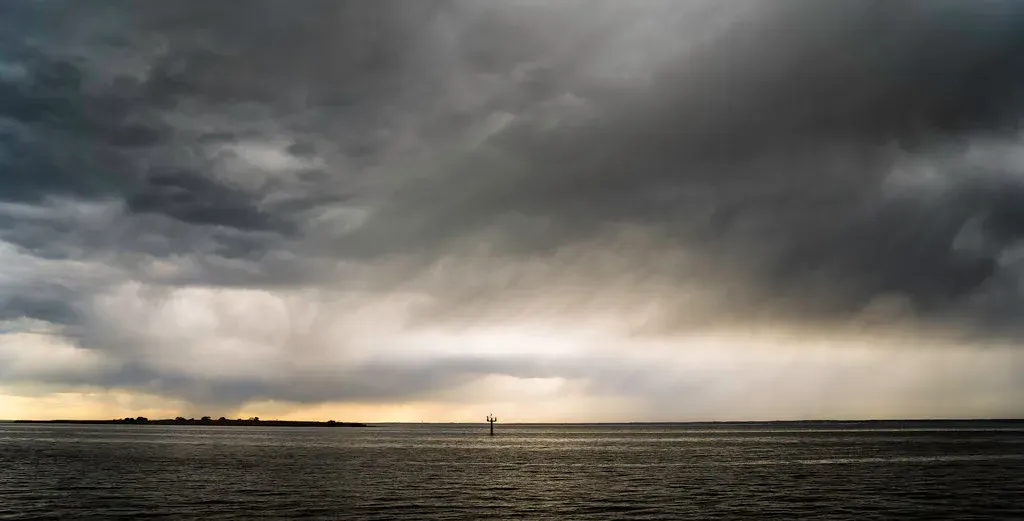
When meteorologists talk about back-to-back Pacific storm systems, they describe something that sounds almost musical in structure: a first wave, a second wave, then a third. A third Pacific Ocean storm can arrive in the valley bringing with it more showers, strong winds and falling temperatures, often before drivers and local infrastructure have had any real chance to recover from what came before.
The National Weather Service has specifically highlighted why this stacking effect is so hazardous. After the first and second systems pass through, soils become saturated, increasing runoff, flash flooding risk, and hydroplaning hazards for drivers. The third storm, even if it carries less total rainfall than the first, lands on ground that has nowhere left to put the water. It’s like pressing on a sponge that’s already dripping.
Hurricane Hilary Rewrote the Rulebook in 2023
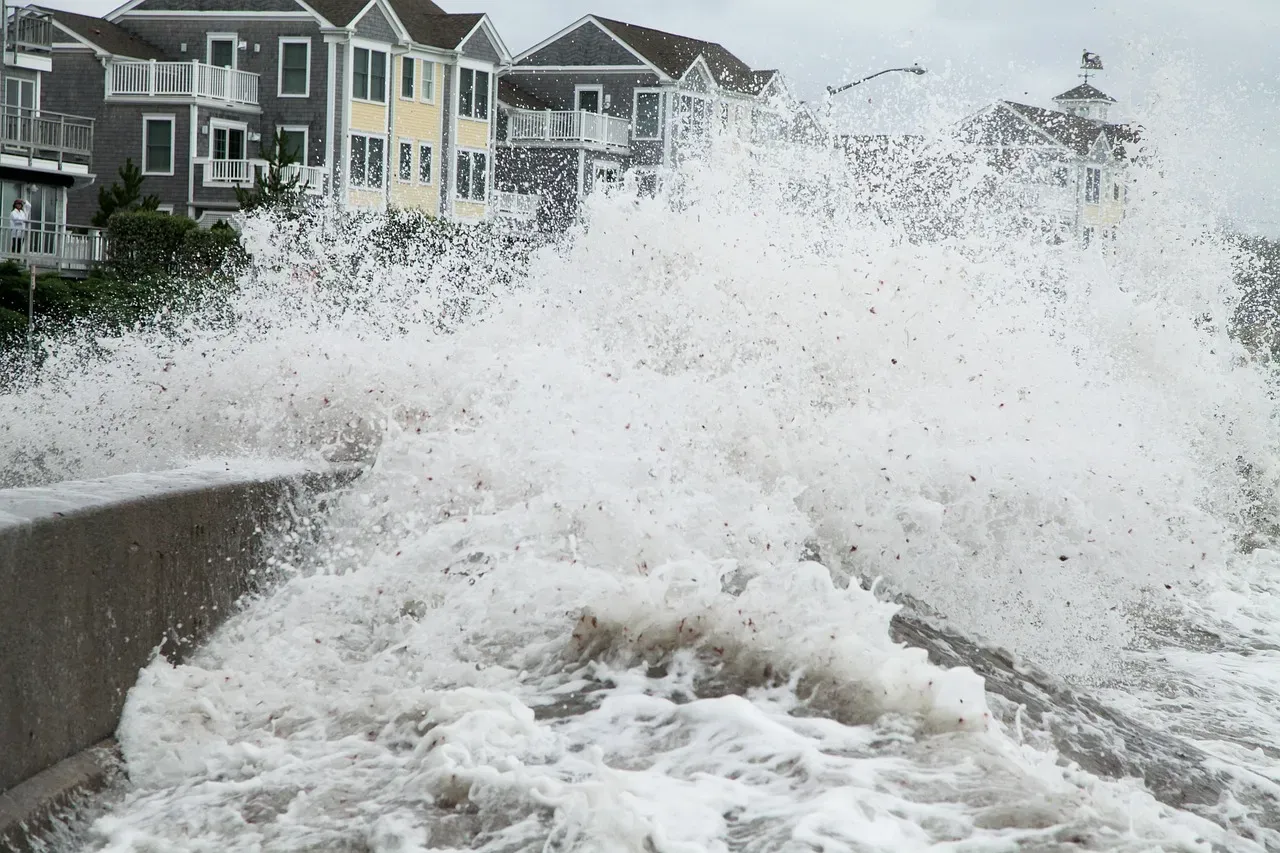
Nothing shocked Southern Nevada quite like what happened in August 2023. Hilary reached Category 4 intensity offshore of Mexico, weakened as it approached land, and made landfall as a tropical storm, bringing historic rainfall totals and catastrophic flooding impacts to portions of the Baja California peninsula and the southwestern United States.
The wettest storm in Nevada’s recorded history, Hilary produced 9.20 inches of precipitation at Lee Canyon and caused around $25 million in damage. To put that in perspective, that’s more than double the city’s entire average annual rainfall, dropped in just a few days. Death Valley National Park closed due to flooding, and several roads were also flooded and damaged in Las Vegas, Nevada.
Portions of SR-157/Kyle Canyon Road, the main road leading to Mount Charleston and the Spring Mountain National Recreation Area, completely buckled and collapsed under the intense runoff. That’s not a pothole. That’s a road literally giving up under the pressure of water it was never built to handle.
Wet Pavement: The Invisible Killer on Vegas Roads
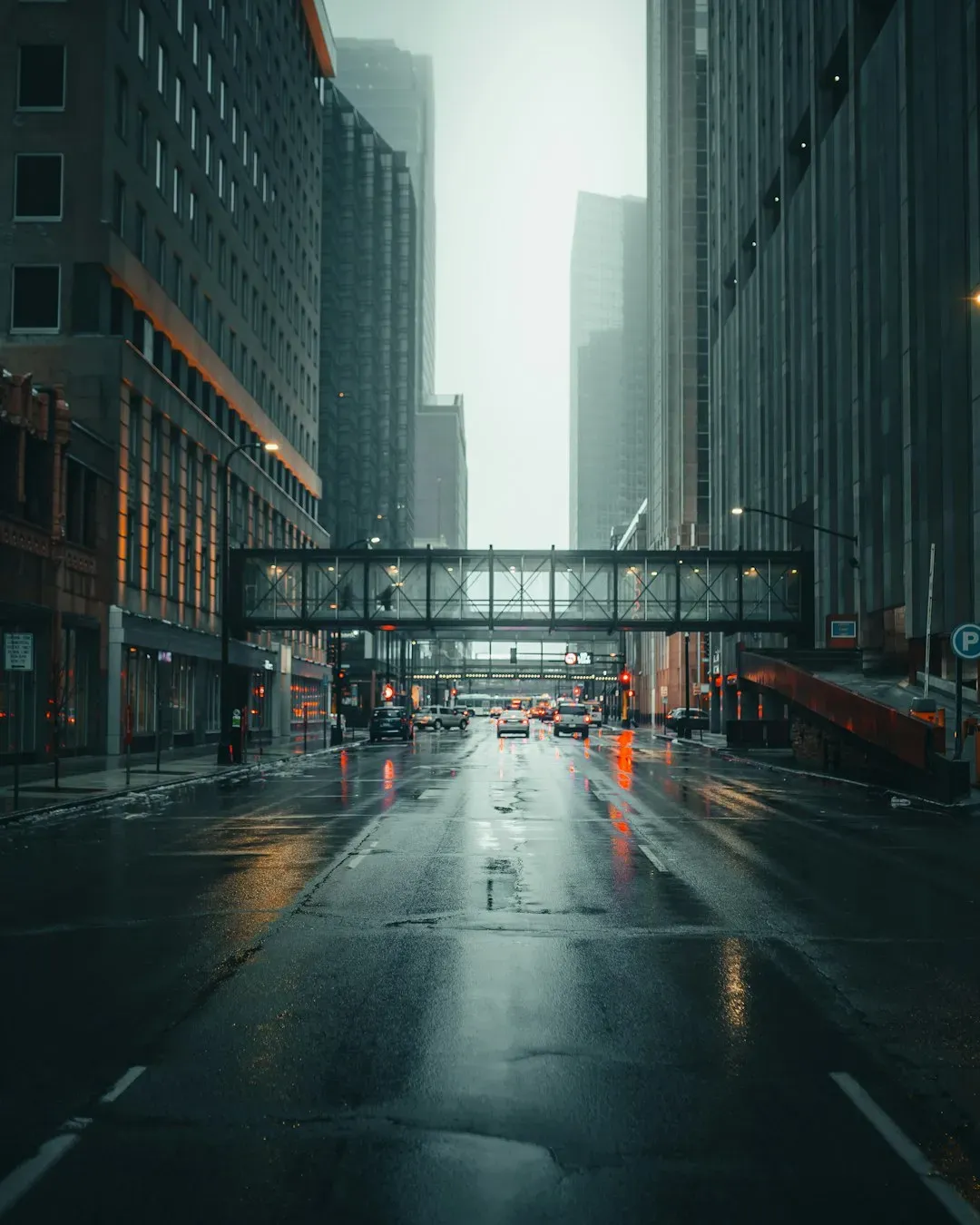
Honestly, a lot of drivers underestimate wet pavement because they don’t see it as dramatic as a flooded wash or a collapsed road. It looks fine. It just looks wet. But the Federal Highway Administration has data that tells a very different story: over three quarters of all weather-related crashes in the U.S. occur on wet pavement, and nearly half happen during active rainfall.
AAA reinforces this with its own traffic safety research, noting that rain is a factor in nearly half of all weather-related vehicle crashes nationwide. Vegas drivers, who spend most of the year on bone-dry asphalt, are among the least conditioned to adjust their behavior when conditions change. Muscle memory in the desert means driving fast and confident. When the rain hits, those habits don’t disappear overnight.
I-15 and US-95: The Most Vulnerable Corridors
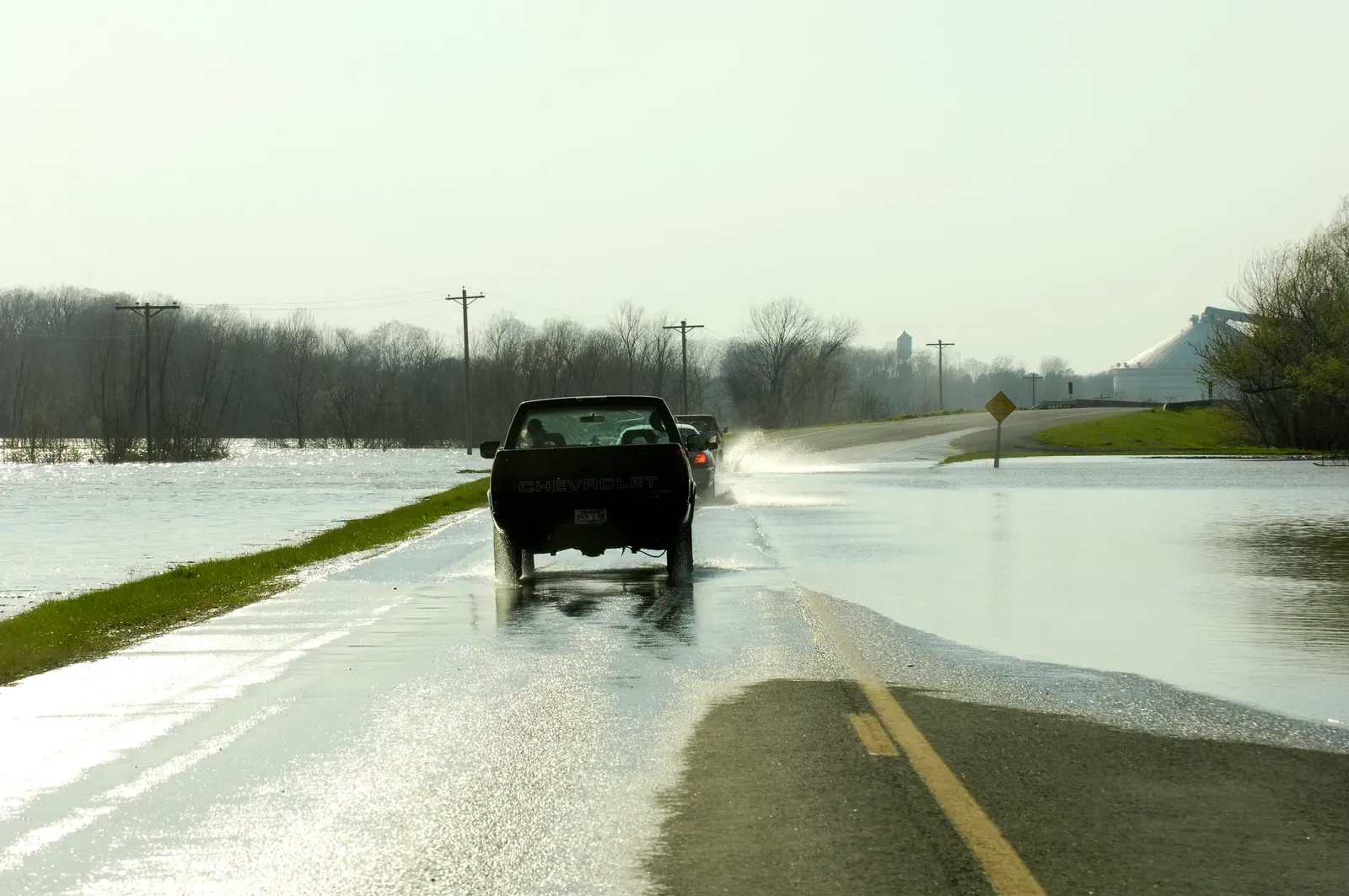
The Nevada Department of Transportation has been clear that heavy rainfall creates serious ponding and flash flooding risks on major Las Vegas arteries, particularly I-15 and US-95. These aren’t back roads. These are the primary corridors connecting Las Vegas to California and to the rest of the state. When they flood, tens of thousands of drivers are directly affected.
The Nevada Department of Transportation has closed roads in southern Clark County due to flash flooding, with storm water washing away portions of roadway near the California border. When storm water is powerful enough to eat through asphalt and road substrate, the idea that your car can safely pass through looks very different. Weather and road conditions change rapidly, and drivers are in the best position to perceive such conditions and adjust their driving accordingly, according to NDOT, which underlines just how quickly a manageable road can become a trap.
Mountain Snowfall Creates a Downstream Domino Effect
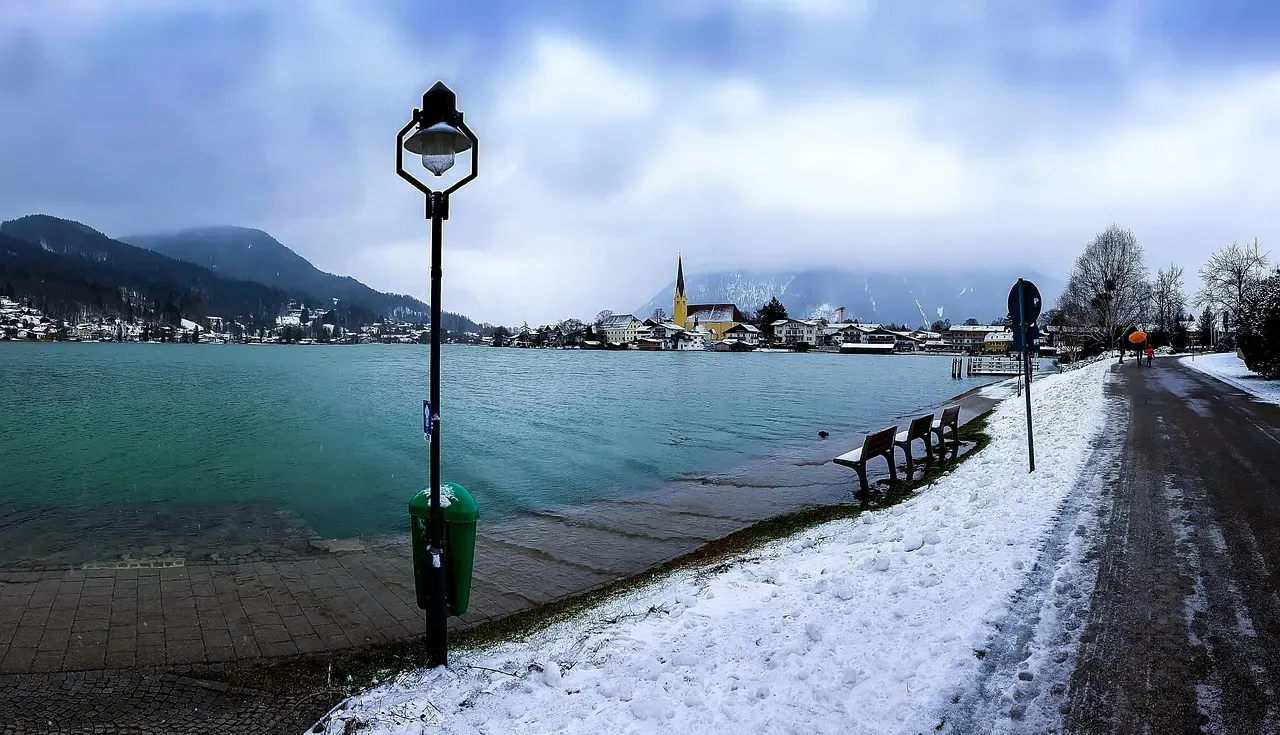
The National Weather Service Las Vegas has reported incoming storms bringing snow and rain with potential travel disruptions during recent winter seasons. During strong Pacific systems in early 2024, portions of Southern Nevada experienced mountain snowfall exceeding two feet at higher elevations, significantly affecting travel between Las Vegas and California.
Here’s the part most city drivers don’t think about. What falls as snow in the Spring Mountains doesn’t stay there forever. As temperatures fluctuate, that snowpack melts and sends water cascading down into the valley’s drainage basins and wash systems. Heavy rainfall can cause flooding and flash flooding not only on the wash but also on its tributary washes and in the streets, highways, and underpasses. The mountains essentially act as a delayed delivery system for flooding problems down below.
The Clark County Flood System: Impressive, But Not Invincible
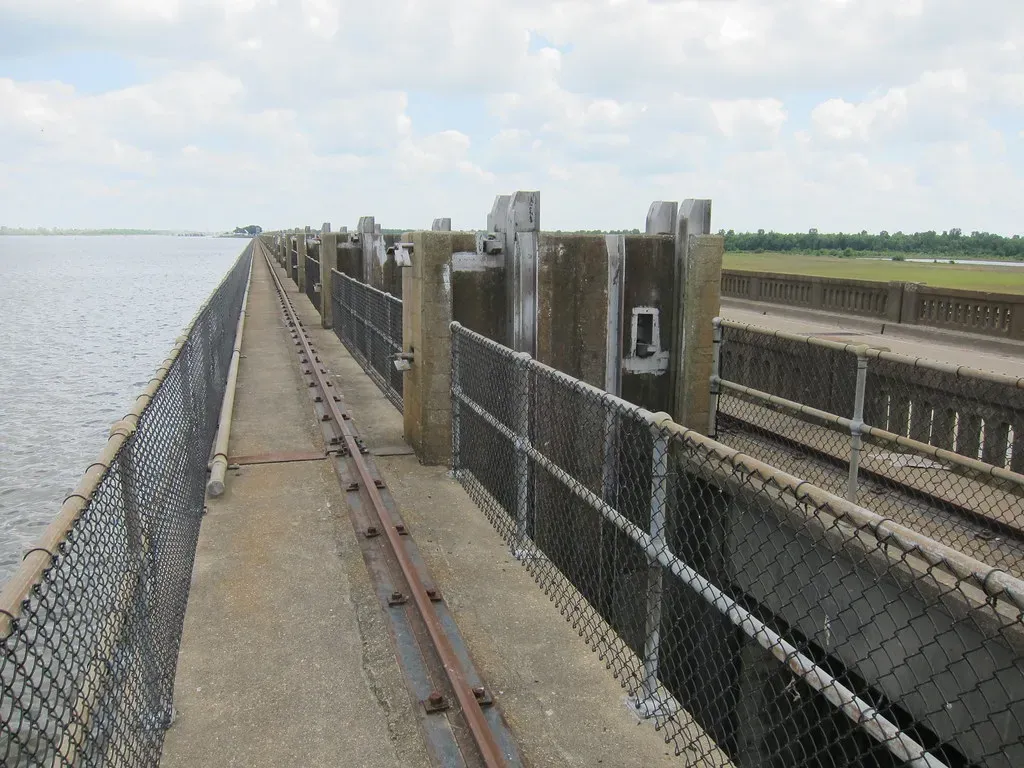
When the valley suffered major flash floods in the mid-1980s, the Clark County Regional Flood Control District was created to coordinate flood mitigation on a regional scale, and the District has spent over $1.8 billion on infrastructure development for stormwater control. That is genuinely a massive investment, and it has made a real difference.
Preparedness dates back several decades, with the county investing $2 billion in flood control measures to include dams, levees, and washes to better help prevent disaster. Still, even with all of that, officials acknowledge that extreme burst storms can exceed system capacity. Even with the latest infrastructure developments, there is always a risk of flash flooding, making it important to stay informed and prepared for similar events. A perfectly engineered system is still just that: a system. Nature doesn’t follow blueprints.
2025 Brought Another Triple-Storm Sequence to the Valley
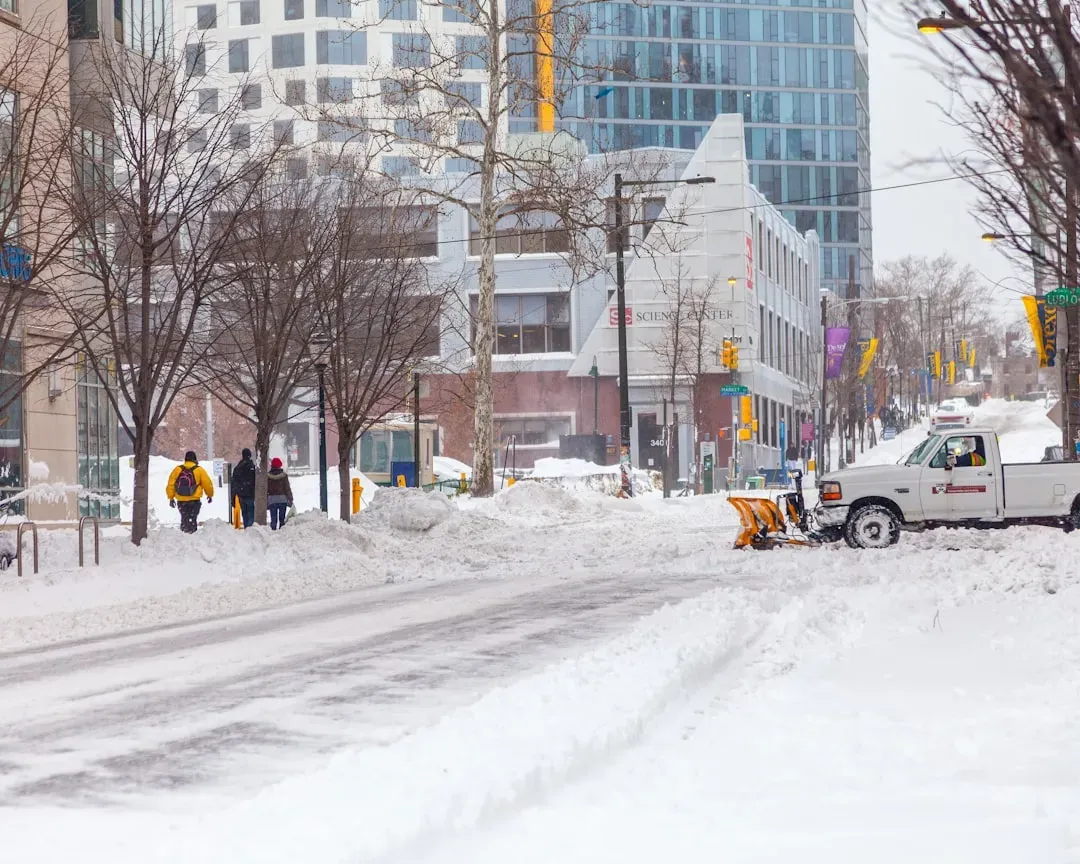
A third Pacific Ocean storm arrived in the valley in February 2026, bringing more showers, strong winds and falling temperatures. What made this sequence especially notable was the cumulative effect. Snow fell in parts of the valley as the second Pacific storm rolled into the region, with Harry Reid International Airport recording measurable rain. Each successive system added to an already stressed drainage picture.
Clark County was under a wind advisory for most of the day, and the Spring Mountains were under a winter storm warning for most of the day. Drivers heading toward California or into mountain communities faced compounding hazards: flooded low-lying sections near the valley floor, icy mountain passes, and road surfaces that had been wet and then dry and wet again, a cycle that degrades road grip in ways that aren’t always visible to the eye.
A Warming Climate Means More of This, Not Less
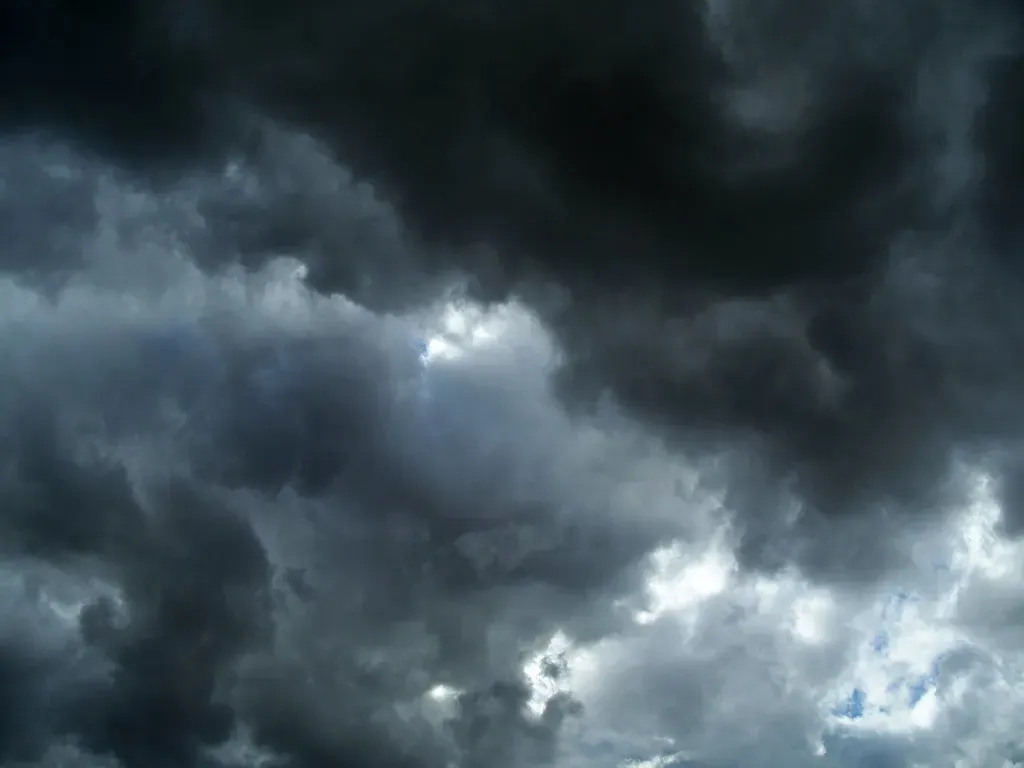
NOAA ranked 2023 among the warmest years on record globally, and that warming has a direct mechanical effect on Pacific storm systems. A warmer atmosphere holds more moisture. More moisture means more intense precipitation events when those systems finally release. For Las Vegas, a city whose rainfall averages are already at near-record lows, even modest increases in storm intensity have outsized consequences.
Weather and climate experts agree that Hurricane Hilary was an anomaly unlike anything seen in Nevada in decades, and that with a warming climate, storms like Hilary could become more common. That’s not an abstract future warning. It’s an active recalibration of what Southern Nevada drivers should expect every winter and monsoon season from here forward. I think many Vegas residents still haven’t fully absorbed that reality.
What Drivers Should Actually Do When the Third Wave Hits
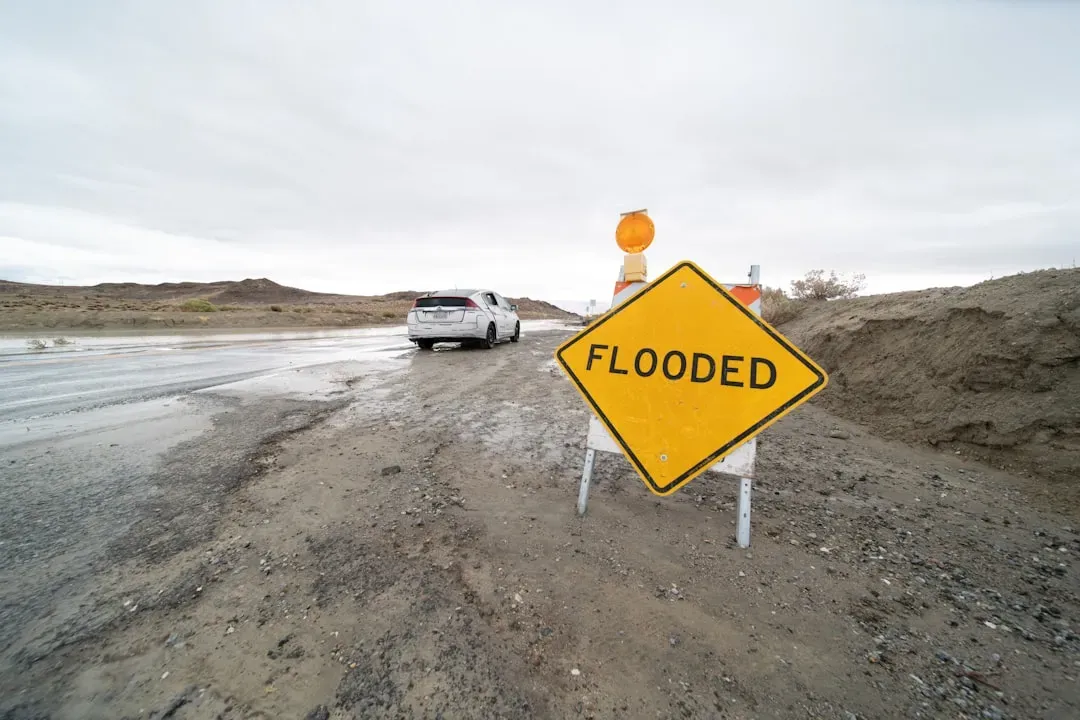
The NWS Las Vegas has been direct in its public messaging during storm events: do not attempt to drive through flooded roadways. The NWS Las Vegas warned residents against driving through flooded streets, noting that water ponding across portions of the Las Vegas Valley may become too deep for cars to drive through, urging drivers to turn around and not drown. It sounds simple, but it is the single most repeated safety failure during every major Las Vegas flooding event.
Travel across regional areas remains hazardous during storm sequences, and motorists are urged to check road conditions frequently, carry appropriate equipment when required, allow extra travel time, and stay alert for rapidly changing conditions. NDOT’s 511 Nevada system offers real-time road condition updates, and using it costs nothing. The National Weather Service has issued flood watches for the Las Vegas Valley during major storm events, flagging specific windows of heightened danger. Checking those alerts before getting in the car isn’t overcaution. It’s the bare minimum.
Conclusion
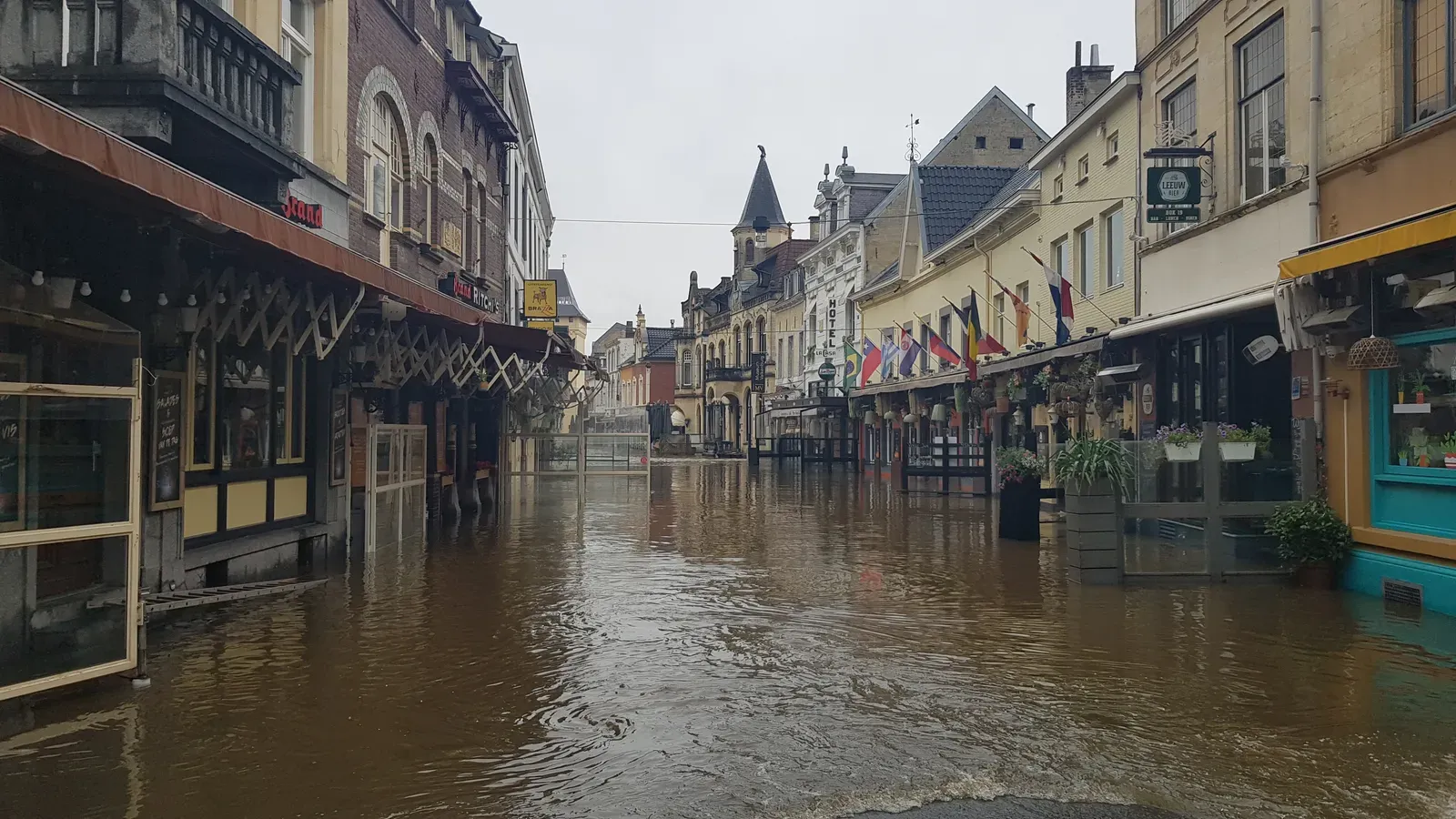
The third Pacific storm wave hitting Las Vegas isn’t just an inconvenience or a curiosity. It represents a genuine convergence of saturated ground, overwhelmed infrastructure, unprepared drivers, and roads that simply weren’t built for sustained rainfall. The data from NOAA, the NWS, the FHWA, and the Clark County Regional Flood Control District all tell the same story: the desert is not as safe in the rain as it looks.
Las Vegas will always be a city of high stakes and calculated risks. But on the rain-slicked surface of I-15, with a third storm rolling in from the Pacific and your tires barely gripping the pavement, the odds are stacked entirely against casual confidence. Drive like the desert has changed. Because, increasingly, it has.
What would you do differently the next time a third storm warning hits Vegas? Tell us in the comments.