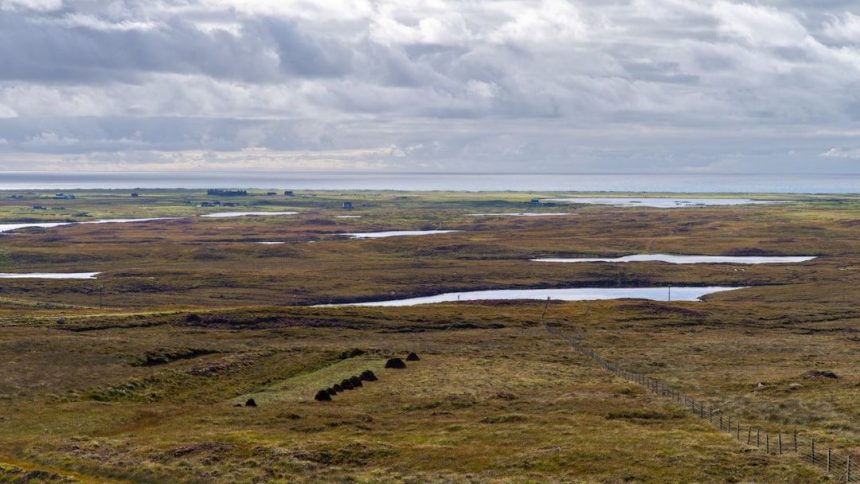


The overlooked ecosystems that hold massive carbon stores – Image for illustrative purposes only (Image credits: Unsplash)
Climate strategies often focus on forests and renewable energy, yet one group of ecosystems quietly stores far more carbon than most people realize. Peatlands, which form in waterlogged soils over centuries, hold massive reserves that help slow the pace of global warming. Their preservation now stands out as a practical step that complements other efforts to cut emissions. Without stronger protection, these stores risk releasing stored carbon back into the atmosphere.
How Peatlands Trap and Keep Carbon
Peat forms when plant material decays slowly in oxygen-poor water. This process locks carbon in place instead of letting it escape as carbon dioxide. Over thousands of years, layers build up and create deep reserves that can exceed the carbon stored in forests on an equal area of land. The result is a stable, long-term sink that operates without active management once the habitat remains intact.
Scientists describe the mechanism in straightforward terms: water prevents full decomposition, so carbon stays underground rather than cycling back into the air. This natural storage works across many climates, from northern bogs to tropical swamps. The scale matters because even modest losses from these areas can add measurable amounts of greenhouse gases over time.
Why Protection Matters More Than Ever
Human activities such as drainage for agriculture or peat extraction disturb the water balance and speed up decomposition. Once exposed to air, the stored carbon begins to break down and release carbon dioxide. Reversing or preventing these changes keeps the carbon locked away and supports broader climate goals.
Restoration projects that re-wet drained peatlands show early signs of success in reducing emissions. These efforts also help maintain water quality and support unique plant and animal communities that depend on wet conditions. The dual benefit of carbon storage and habitat protection makes the case for action clearer in policy discussions.
What Matters Now
Peatlands already store large amounts of carbon. Keeping them wet and undisturbed prevents releases that would otherwise add to atmospheric warming. Targeted protection and restoration offer a direct way to strengthen existing climate plans.
Looking Ahead
Continued monitoring will show how well current safeguards perform under changing weather patterns. Integration of peatland care into national climate targets can help close gaps in overall emission reductions. Steady attention to these landscapes supports a more complete approach to limiting temperature rise over the coming decades.