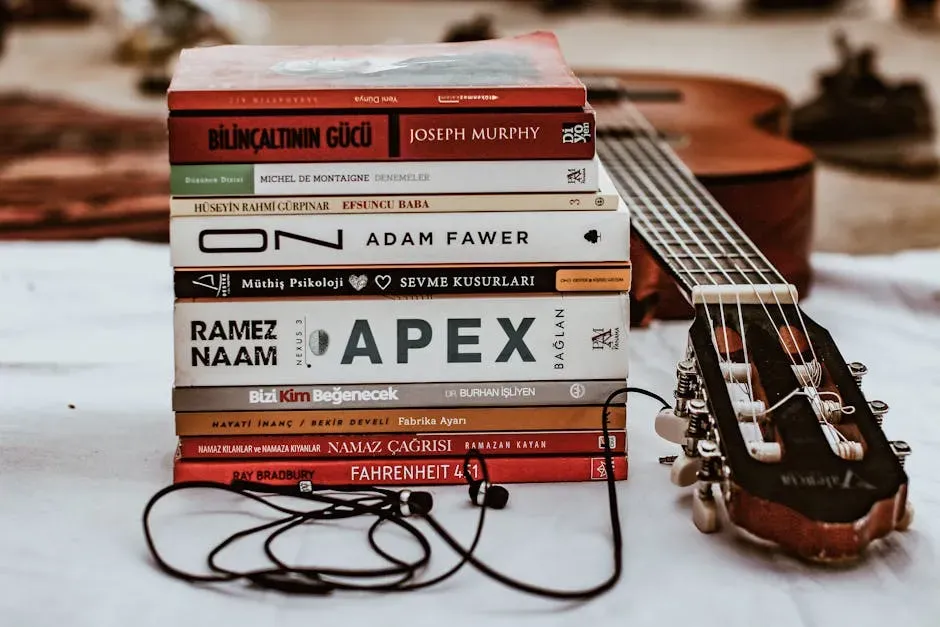
There is something almost eerie about the connection between the music you love and the books that will genuinely move you. Most people choose books based on a recommendation, a trending cover on social media, or maybe a friend’s enthusiasm. Rarely does anyone think to look inward, at something they already know about themselves, like what plays on repeat in their headphones.
Turns out, the genre you gravitate toward musically says a surprising amount about the kind of stories, ideas, and worlds you want to get lost in. The science behind it is real, the patterns are consistent, and the reading list waiting on the other side might just be your most personally satisfying one yet. Let’s dive in.
Why Your Music Taste Is a Window Into Your Reading Self
Research has established correlations between musical preferences and personality, while separate studies have demonstrated that personality is detectable through linguistic analysis. This is not just a fun theory. It is a growing field of inquiry that sits at the crossroads of psychology, linguistics, and cognitive science.
Music, more than any other media, has strong ties to our emotions: music communicates emotion, stirs memory, affects mood, and spurs creativity. Books do the same thing. When you strip both back to their core, they are both deeply emotional experiences dressed up in different formats.
Psychological studies have shown that personality traits are associated with book preferences. However, past findings are based on questionnaires focusing on conventional book genres and are unrepresentative of niche content. The link is real, even if science is still refining exactly how strong it is. Think of your music taste as a compass, not a cage.
Classical Music Fans: The Readers Who Want Depth

Here is the thing about people who genuinely love classical music. They tend to be a specific type of person, and the research backs it up. Reflective and complex is a perfect description of both classical music and the people who listen to it. According to Dr. North’s research, classical lovers are creative, introverted, and show high self-esteem; they see listening as a theatrical experience.
People with high openness to experience preferred music styles that were complex and dynamic, such as classical music and jazz. That same openness maps beautifully onto literary fiction, philosophy, and dense nonfiction. Classical listeners tend to crave structure with emotional depth, which makes them ideal readers of works like Dostoevsky, Tolstoy, or modern literary fiction that rewards patience.
Classical music listeners are notably less extroverted compared to both Hip-Hop and Electronic fans. Additionally, Classical music lovers exhibit higher levels of Agreeableness, particularly when compared to Hip-Hop listeners. For these readers, a book that rewards slow, intentional reading, something layered and emotionally rich, is almost always going to hit harder than a fast-paced thriller.
Hip-Hop and Rap Lovers: The Readers Who Crave Authenticity

Hip-hop is storytelling. It always has been. At its core, rap is poetry wrapped in rhythm, and listeners of this genre often have an instinctive appreciation for raw, honest narrative. Many rap songs emphasize themes of overcoming adversity, achieving greatness, and proving oneself. This fosters a mindset of confidence, ambition, and the belief that success comes from perseverance and self-determination.
Like rappers themselves, hip-hop fans rated as extroverted and had high self-esteem in North’s research. That extroversion and self-confidence suggests a reader who wants books that feel direct and real. Memoirs, biographies of self-made figures, and urban fiction tend to resonate deeply because they mirror the energy of the music itself.
Honestly, if you are playing Kendrick Lamar on repeat, there is a good chance a biography about someone who clawed their way to the top, or a gritty, street-level novel with real societal commentary, is going to speak to you in the same voice. Much of hip-hop revolves around ego, bravado, and storytelling. It’s about creating a feeling of power, dominance, and success. Look for books that carry that same charged energy.
Rock and Metal Fans: The Readers Who Go Dark

Let’s be real: rock and metal fans have been unfairly stereotyped for decades. The music is intense, sure. But the people who love it are often some of the most introspective listeners around. Sensation seeking appears to be positively related to preferences for rock, heavy metal, and punk music. That same desire for intensity and edge translates directly into reading preferences.
Those rated high in openness to experience prefer music categorized as more complex and novel, such as classical, jazz, and eclecticism, as well as intense and rebellious music. In the study, reflective and complex genres included classical, blues, jazz, and folk music, while intense and rebellious genres included rock, alternative, and heavy metal music. Rock fans share openness to experience with classical fans. They just wear it louder.
This means rock and metal listeners often enjoy dark fantasy, dystopian fiction, horror, and philosophical works that question society. Think George Orwell, Cormac McCarthy, or anything that makes you feel slightly uncomfortable. Fans of heavy metal music are often associated with adventurous personalities because this genre stands out with its challenging and highly emotional elements. For individuals seeking to try new things, seek novelty, and embrace challenges, heavy metal becomes an emotionally inspiring and stimulating form of music.
Jazz Listeners: The Readers Who Appreciate the Unexpected

Jazz is not for everyone. And jazz fans know it. There is a certain pride in loving something that requires a bit of patience and a genuine appreciation for improvisation. Jazz music enthusiasts exhibit personality traits related to emotional stability. As a complex and versatile art form, jazz music is popular for its improvisational play, layered harmonies, and profound emotional expression. Individuals who enjoy jazz music are often able to appreciate and experience the subtle emotions conveyed by this music, correlating with sensitivity to emotional stability and understanding of complex emotions.
Jazz listeners tend to thrive in narrative ambiguity. They are comfortable not knowing exactly where a story is going. That makes them ideal readers of experimental fiction, stream-of-consciousness novels, or short story collections where no single thread ties everything up neatly. Think Haruki Murakami, James Baldwin, or even essays that meander beautifully before landing somewhere unexpected.
Openness is highly correlated with reflective and complex genres such as jazz and classical music. The jazz listener craves that same depth on the page. They are not reading for plot alone. They want mood, atmosphere, and a narrative that breathes.
Pop and EDM Fans: The Readers Who Want Fun and Connection

Pop music is designed to connect. It is built for shared experiences, for singing together, for that feeling of being part of something larger than yourself. Individuals open to experience prefer reflective and complex music such as classical and intense and rebellious music such as rock, whereas they dislike upbeat and conventional types of music. Extraverts, on the other hand, prefer upbeat and conventional and energetic and rhythmic types of music such as rap and hip-hop. Pop and EDM fans lean extroverted, and they are more drawn to books that deliver that same social, feel-good energy.
Fans of electronic dance music are often open-minded, adventurous, and high in energy. A 2017 study in Music Perception found that EDM listeners are more likely to be sensation-seekers, meaning they crave excitement and novelty. That sensation-seeking personality loves a plot-driven read. Romance, thriller, young adult fiction, or anything that delivers a satisfying emotional payoff without making the reader work too hard for it.
Pop fans also tend to love books about relationships and social dynamics. Extraverts enjoy books with social themes, as described by tags like relationships and chick lit. They also seem interested to read about the lives of others, from memoirs to celebrity romance. Honestly, if your playlist is a mix of Taylor Swift and Dua Lipa, a compulsively readable romance novel or a behind-the-scenes celebrity memoir might be exactly what you’ve been missing.
The Science Connecting It All: Personality Is the Bridge

The thread running through all of this is personality. Your music taste is not random. Correlation and regression analyses of music preferences and personality indicate that music preference is a relatively stable construct that reflects personality traits. In other words, what you love to listen to tends to stay consistent over time, just like your broader personality does.
By using more modern techniques and a broader understanding of music taste, researchers were able to show that musical preferences can reflect the Big Five personality traits on par or better than prior big data personality studies. Spotify’s own research team confirmed this, going beyond genre preferences to look at how people listen, how they discover music, and how diverse their playlists are. The patterns were striking.
Psychological studies have shown that personality traits are associated with book preferences. However, past findings are based on questionnaires focusing on conventional book genres and are unrepresentative of niche content. For a more comprehensive measure of book content, this study harnesses a massive archive of content labels created by users of an online book catalogue. The connection between music taste and book preference is not just intuitive. It is rooted in who you are at your core. Your next great read might not be hiding on a bestseller list. It might be hiding in your playlist.
What genre has been on repeat for you lately, and have you ever noticed it shaping the kinds of stories you’re drawn to? Drop your thoughts in the comments.