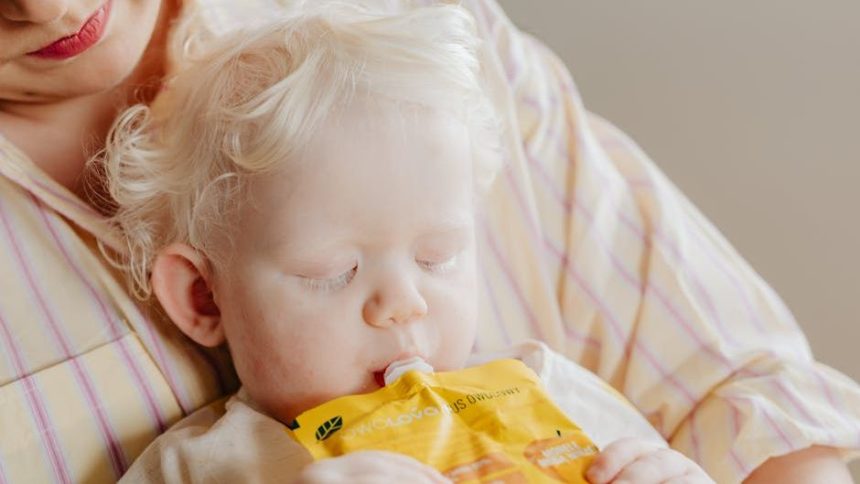
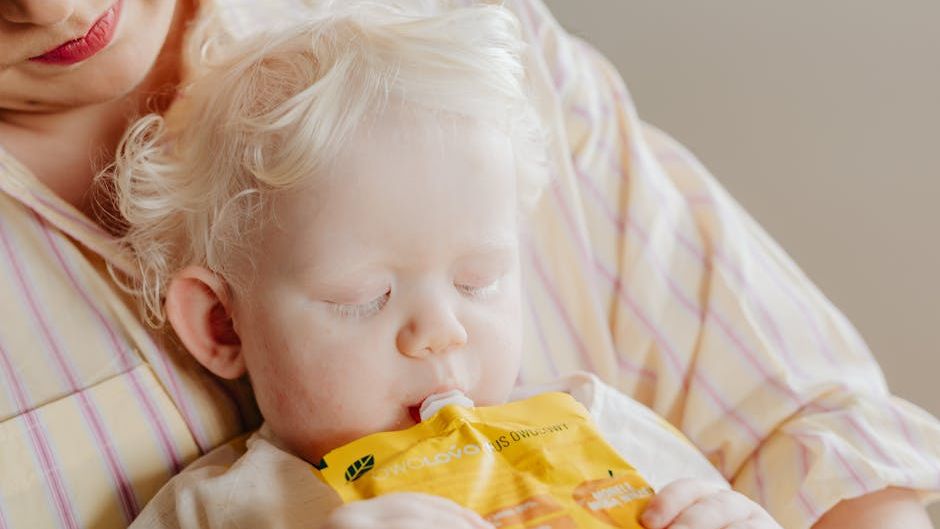
REPORT: The Hidden Risks of Plastic Pouches for Baby Food – Image for illustrative purposes only (Image credits: Pexels)
Baby food packaging has changed dramatically in less than two decades. Flexible plastic pouches now dominate supermarket shelves in many countries and serve as the primary delivery method for millions of infants. A 2025 study commissioned by Greenpeace International has drawn renewed attention to the materials used in these products and their possible effects on young children.
The Rapid Adoption of Pouch Packaging
Flexible plastic pouches entered the market as a convenient alternative to jars and cans. Parents appreciated the portability and ease of use, while manufacturers valued lower shipping costs and extended shelf life. Within a short period, these squeeze-style containers became the leading format for purees and snacks aimed at babies and toddlers.
Industry data shows that polyethylene often lines the interior of these pouches to create a barrier against oxygen and moisture. This material choice supports product stability but has now come under examination for its interaction with food contents during storage and handling.
Testing Reveals Plastic Particles in Major Brands
Independent laboratory analysis of products from Danone and Nestlé identified microplastic fragments in several baby food samples. Researchers noted a possible connection between the polyethylene lining and the particles detected. Additional tests found traces of plastic-associated chemicals present in both the packaging and the food itself.
Partner offer
The findings apply to widely available items sold globally. They do not establish direct health outcomes but highlight an exposure pathway that was not widely discussed when the packaging format first gained popularity. Both companies have faced questions about their sourcing and quality controls in light of the results.
Key points from the analysis:
- Microplastics detected in tested samples from two leading manufacturers
- Polyethylene lining identified as a likely source in multiple cases
- Chemical additives also present in packaging and contents
- Products represent common choices for parents worldwide
Negotiations on a Global Plastics Treaty Advance
Governments are currently discussing an international agreement to curb plastic production and pollution. The proposed treaty aims to set binding targets across the full lifecycle of plastics, from manufacturing to disposal. Advocates argue that stricter rules on single-use and food-contact materials could reduce future contamination risks in sensitive categories such as infant nutrition.
Stakeholders include consumer goods companies, packaging suppliers, public health agencies, and environmental organizations. Industry groups have emphasized the need for practical timelines and innovation incentives, while civil society campaigns push for faster reductions in problematic polymers. The outcome of these talks will shape regulatory expectations for brands that rely heavily on flexible plastic formats.
Practical Steps for Parents and Manufacturers
Families seeking to limit exposure can rotate between different packaging types where available, including glass jars or fresh preparations. Manufacturers, meanwhile, face pressure to explore alternative barrier materials that maintain safety and convenience without introducing similar particles. Continued monitoring by regulators and independent groups will help clarify the scale of the issue over time.
The situation underscores how everyday product choices intersect with larger environmental and policy questions. As treaty discussions continue, both companies and consumers will watch for clearer guidance on acceptable materials for products intended for the youngest age groups.
Partner offer
Planning a trip to Vegas?
Compare hotel rates and show tickets on VEGAS.com.