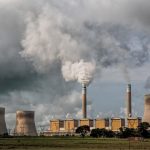
Idle Lands Amid Regional Shifts (Image Credits: Pixabay)
Southern Nevada – The Interstate 15 corridor stretching toward Primm represents a strategic asset primed for transformation amid rising demands for power and development.[1]
Idle Lands Amid Regional Shifts
Casinos in Primm shuttered years ago, leaving behind empty structures along the highway. Jean devolved into a near-ghost town, with 30 miles of desert lying dormant. Local resident Vin Simurra highlighted this stagnation in a recent letter to the Las Vegas Review-Journal, noting how the area awaits a supplemental airport potentially delayed until 2037.[1][2]
Conservation groups voiced strong opposition to the proposed Southern Nevada Supplemental Airport between Jean and Primm. They cited risks to desert tortoises, wildlife migration routes, water scarcity, and increased pollution. Clark County pursued environmental studies, but progress remains slow despite Harry Reid International Airport approaching capacity limits.[2]
Northern Nevada Strains Under Data Center Boom
Artificial intelligence data centers exploded in popularity across Reno, requesting power equivalent to tripling NV Energy’s grid capacity. Officials there raced to expand the Tahoe Reno Industrial Center, secure water amid shortages, and construct a new 1,800-megawatt natural gas plant in Fernley. Simurra pointed out how this rush contradicted earlier pledges to phase out fossil fuels through initiatives like Greenlink.[1]
Southern Nevada observed these developments from afar, missing out on the economic influx. Data centers promised jobs and investment, yet northern resource constraints underscored the need for alternative sites. Primm’s proximity to California and high I-15 traffic positioned it uniquely, but underutilization persisted.[3]
Partner offer
Infrastructure Sets the Stage for Revival
Brightline West high-speed rail advanced with construction slated to begin later in 2025, carving a 34-mile path through Nevada partly within the I-15 median. Planners eyed widening the interstate and adding utility lines between Sloan and Primm. Clark County mapped diverse land uses, from urban neighborhoods and commercial zones to industrial employment areas.[3][4]
The region boasted superior solar and wind resources on federal lands already designated for projects. Nevada Department of Transportation officials warned that full buildout could add over 140,000 daily vehicles, straining current capacity. Still, these upgrades formed a solid foundation regardless of airport timelines.[3]
A Bold Policy to Spark Cascading Benefits
Simurra proposed conditioning land leases on data centers becoming net-positive on the grid. Operators would generate more clean energy than they consumed, exporting surplus to benefit Las Vegas ratepayers directly. This approach avoided reliance on offsets and leveraged local renewables.[1]
Such a framework promised ripple effects. Data centers spurred solar and wind farm construction. Those facilities attracted manufacturing for panels and turbines. Worker influx followed, prompting housing and commercial growth to revive Primm and Jean sustainably.
- Solar and wind farms built to power data centers.
- Manufacturing hubs for renewable components.
- Housing and retail to support new workforce.
- Revived towns with lasting economic anchors.
- Lower energy costs for southern residents.
Key Takeaways
- The Primm corridor offers prime solar/wind sites and infrastructure upgrades absent in Reno.
- Net-positive data center mandates could drive green development without grid strain.
- Targeted policies promise jobs, housing, and town revival by 2030s.
Southern Nevada leaders face a clear choice: harness the Primm corridor’s potential now or watch opportunities migrate north. What development strategies would you prioritize for this vital gateway? Tell us in the comments.
Partner offer
Planning a trip to Vegas?
Compare hotel rates and show tickets on VEGAS.com.