BYD Surpasses Tesla in Global BEV Sales (Image Credits: Pixabay)
China strengthened its position as the world’s top electric vehicle producer in 2025 while approving significant new coal-fired power capacity.[1][2]
BYD Surpasses Tesla in Global BEV Sales
Chinese automaker BYD claimed the title of the world’s leading seller of battery electric vehicles last year. The company delivered 2.26 million BEVs, outpacing Tesla’s 1.64 million units.[1] This milestone highlighted China’s growing influence in the sector.
Total vehicle sales by Chinese brands reached 27.3 million, exceeding Japanese competitors. Exports hit 7.1 million vehicles, with plug-in models comprising about 40 percent of that figure. Nearly two-thirds of global plug-in sales originated from Chinese factories. Domestic demand absorbed most production, underscoring the market’s scale.
Brands like Xiaomi joined established players, contributing to the momentum. Government support and supply chain advantages propelled this growth.
Battery Giants Cement Supply Chain Control
CATL and BYD dominated the EV battery market throughout 2025. Together, they captured nearly 70 percent of global installations outside China.[3] CATL held 43 percent share within China alone.[4]
These firms benefited from cost-effective production and technological advances. Chinese batteries powered vehicles worldwide, from Europe to emerging markets. Exports of battery-equipped EVs surged, with sales outside China rising over 1,300 percent since 2020 to 474,000 units in 2025.[5]
Partner offer
- BYD: 2.26 million BEVs sold globally.
- CATL: Leader in global battery capacity.
- Combined market share: Over 55 percent worldwide.
- China’s EV fleet expansion drove domestic demand.
- Projections: 6.5 million Chinese EVs globally by 2030.[5]
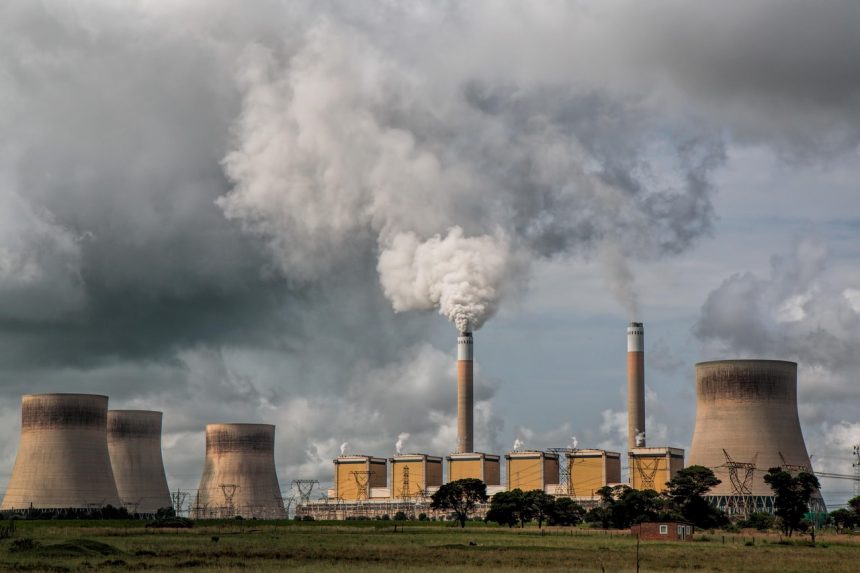
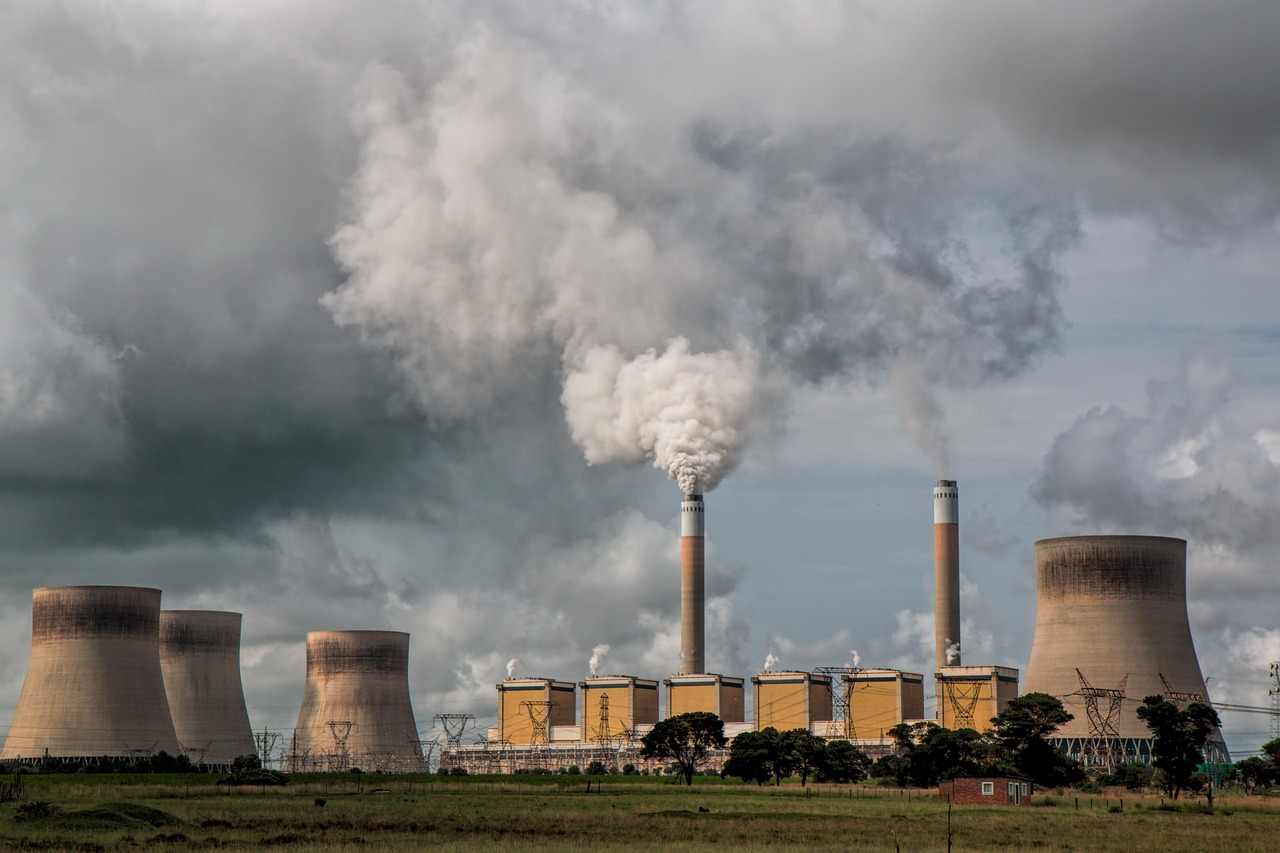
Record Coal Plant Proposals Amid Energy Shift
Developers proposed a record 161 gigawatts of new coal-fired capacity in 2025, equivalent to 13 percent of existing coal power online.[2] Permits issued totaled 45 gigawatts, while construction started on 83 gigawatts. An additional 95 gigawatts came online, leaving 291 gigawatts in the pipeline.
Coal generated over half of China’s electricity, despite renewables surpassing coal capacity early in the year.[6] Wind and solar met 84 percent of demand growth in 2024 and exceeded it in early 2025. Fossil generation dipped two percent in the first half of 2025.
Industry leaders rushed projects ahead of stricter climate policies. Capacity payments and pricing structures favored large units for baseload power.
The Paradox of Green Ambitions and Fossil Reliance
China’s EV push reduced oil dependence but relied on a coal-heavy grid for manufacturing and charging. Battery production in coal-dependent regions raised emissions profiles.[7] Renewables grew rapidly, yet coal expansions ensured energy security.
| Energy Source | 2025 Capacity (GW) | Share of Generation |
|---|---|---|
| Wind + Solar | 1,408+ | 18% |
| Coal | ~1,200 online + pipeline | ~55% |
Clean sources covered most new demand, signaling a transition. Coal utilization fell to around 51 percent due to variable renewables.
Key Takeaways
- China sold more vehicles than any other nation in 2025.
- Coal proposals hit records despite renewable gains.
- EV dominance stems from integrated supply chains.
China’s strategy blends rapid electrification with fossil backups, positioning it ahead in EVs while navigating emissions goals. This dual path raises questions for global climate efforts. What do you think about this balance? Tell us in the comments.
Partner offer
Planning a trip to Vegas?
Compare hotel rates and show tickets on VEGAS.com.